01Starting point
Position and sitting
Describe the support currently used and the situations that are difficult. The physiotherapist considers appropriate assessment and the person’s established care instructions.

Stroke rehabilitation · Dubai
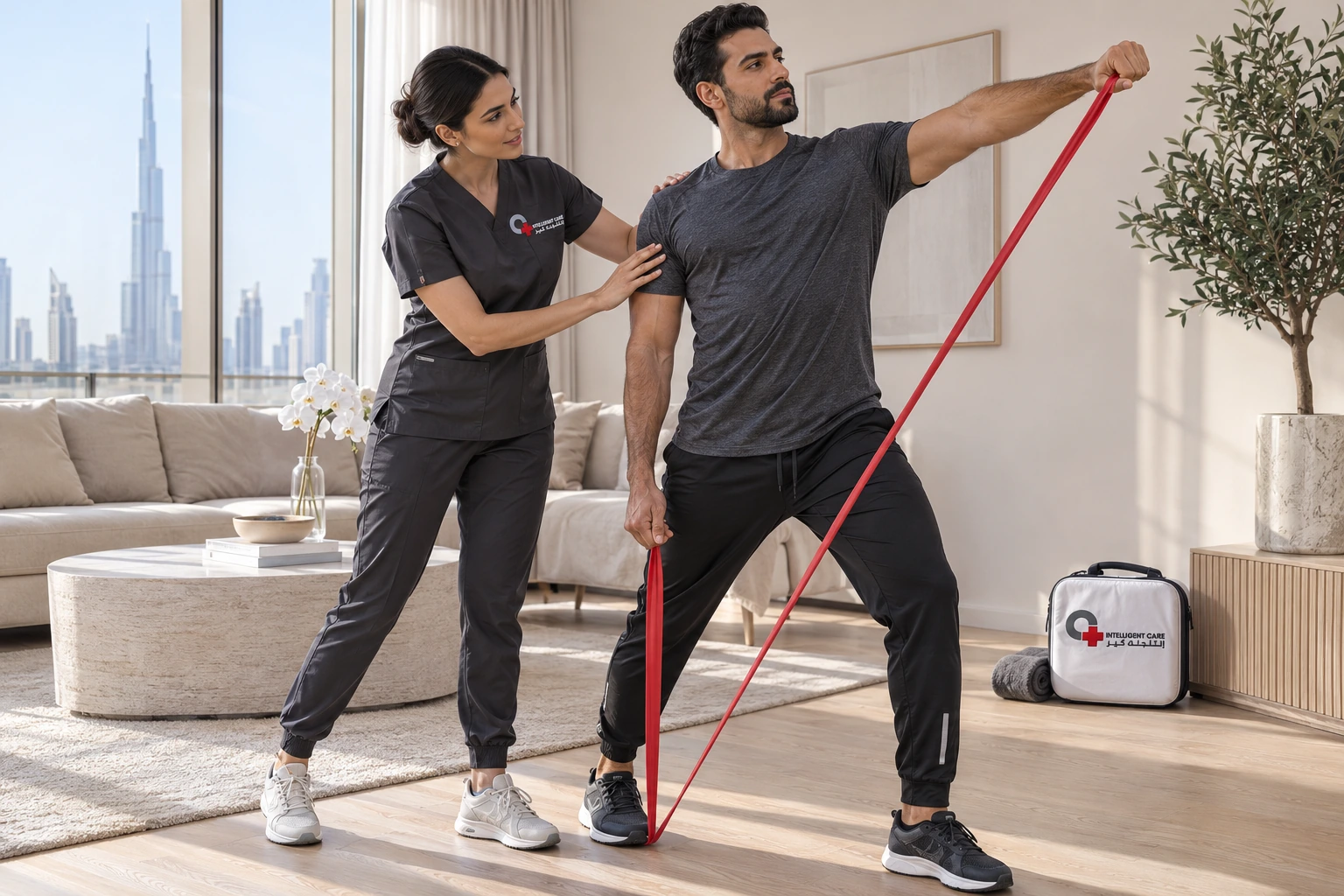
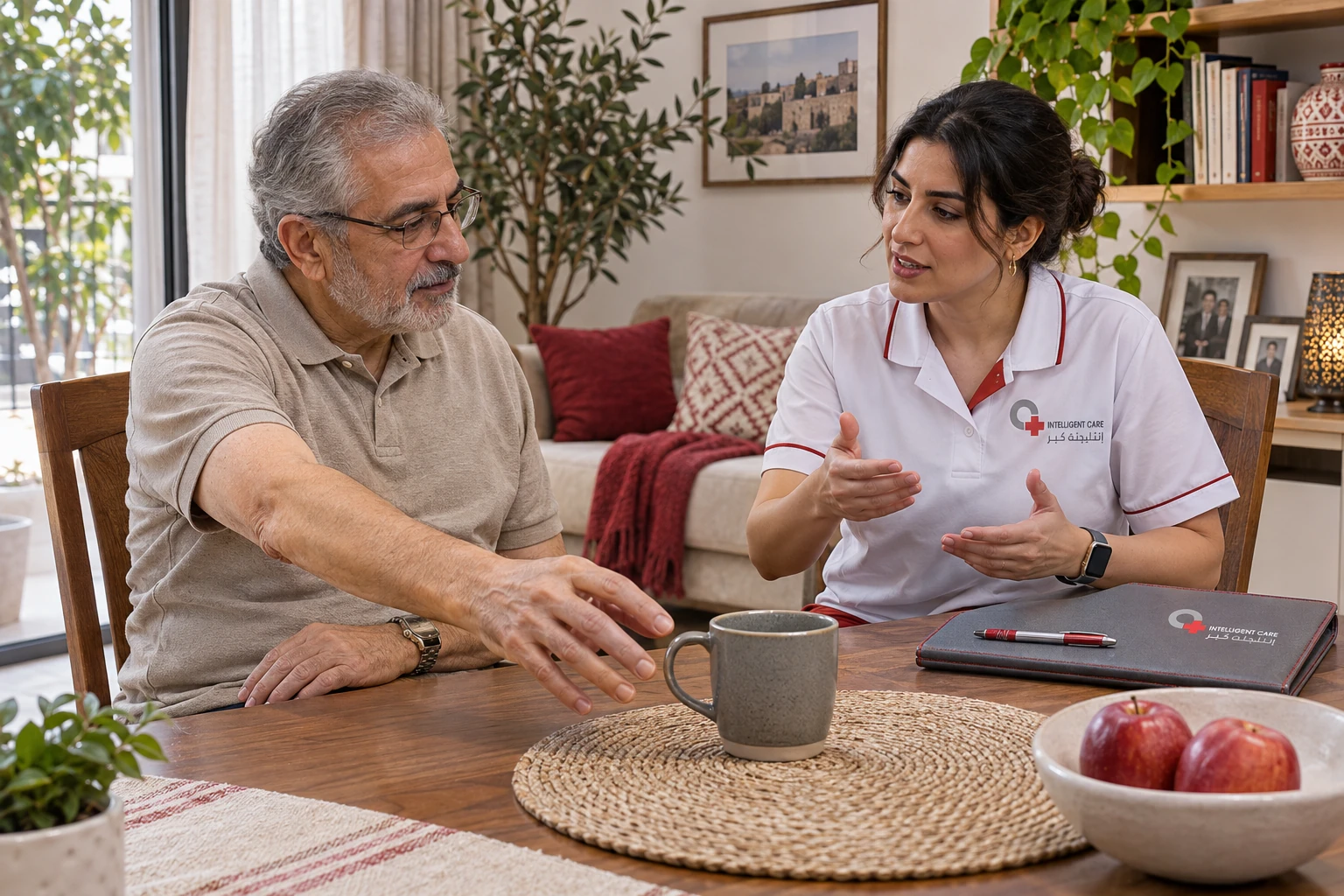
After a stroke, an ordinary activity can become an important rehabilitation goal. Home physiotherapy can connect movement work with the chair, room and routines you know, while respecting the wider stroke care plan and the way you want to participate.
 Clinical author assignmentDr Toqa IbrahimTwo clinical perspectivesProfiles & DHA directory links Guidance with sourcesExplore the references
Physiotherapy after stroke
Start with the initial assessment, choose one session or explore a ten-session plan. The right treatment and number of sessions depend on your assessed needs; selecting a bundle is not a clinical prescription.
Your discussion priorities
These choices support a conversation with the care team. They do not establish readiness for a movement or prescribe a rehabilitation programme.
Describe the support currently used and the situations that are difficult. The physiotherapist considers appropriate assessment and the person’s established care instructions.
Explain the assistance, equipment and space available. Transfers need an assessed approach; a family member should not be expected to improvise safe handling.
Share current ability, prescribed aids and supervision needs. A practical goal may involve a short household route rather than an arbitrary distance.
Mention tasks such as reaching or handling an everyday object. The clinician considers suitable movement work and coordination with other rehabilitation professionals.
Explain when the person is most able to engage and what makes a session difficult. Communication, fatigue and other health needs affect how the visit is planned.
Discuss which tasks supporters need to understand and what help they can realistically provide. The patient’s priorities should stay at the centre.
Your discussion list
Choose the points you would like to discuss.
Understand the care

A stroke can affect movement and daily life in different ways. The needs of one person may include walking, using an arm, maintaining sitting balance or managing a transfer; another person may have communication, fatigue or cognitive difficulties that change how rehabilitation should be approached.
Physiotherapy is one part of a wider rehabilitation plan. Medical follow-up, occupational therapy, speech and language therapy and other support may also be relevant. This home physiotherapy service does not automatically include every discipline or replace a specialist stroke team.
The starting point is the person’s current function, priorities and established clinical guidance. Discuss what a meaningful goal would be, who needs to be involved and how progress will be reviewed. No fixed number of sessions can promise that a particular ability will return.
Read the clinical sourcesThe first assessment
The team needs relevant stroke and discharge information, along with the practical realities of home. The assessment is adapted to the person’s communication and capacity.
THE CLINICAL CONVERSATION01—04
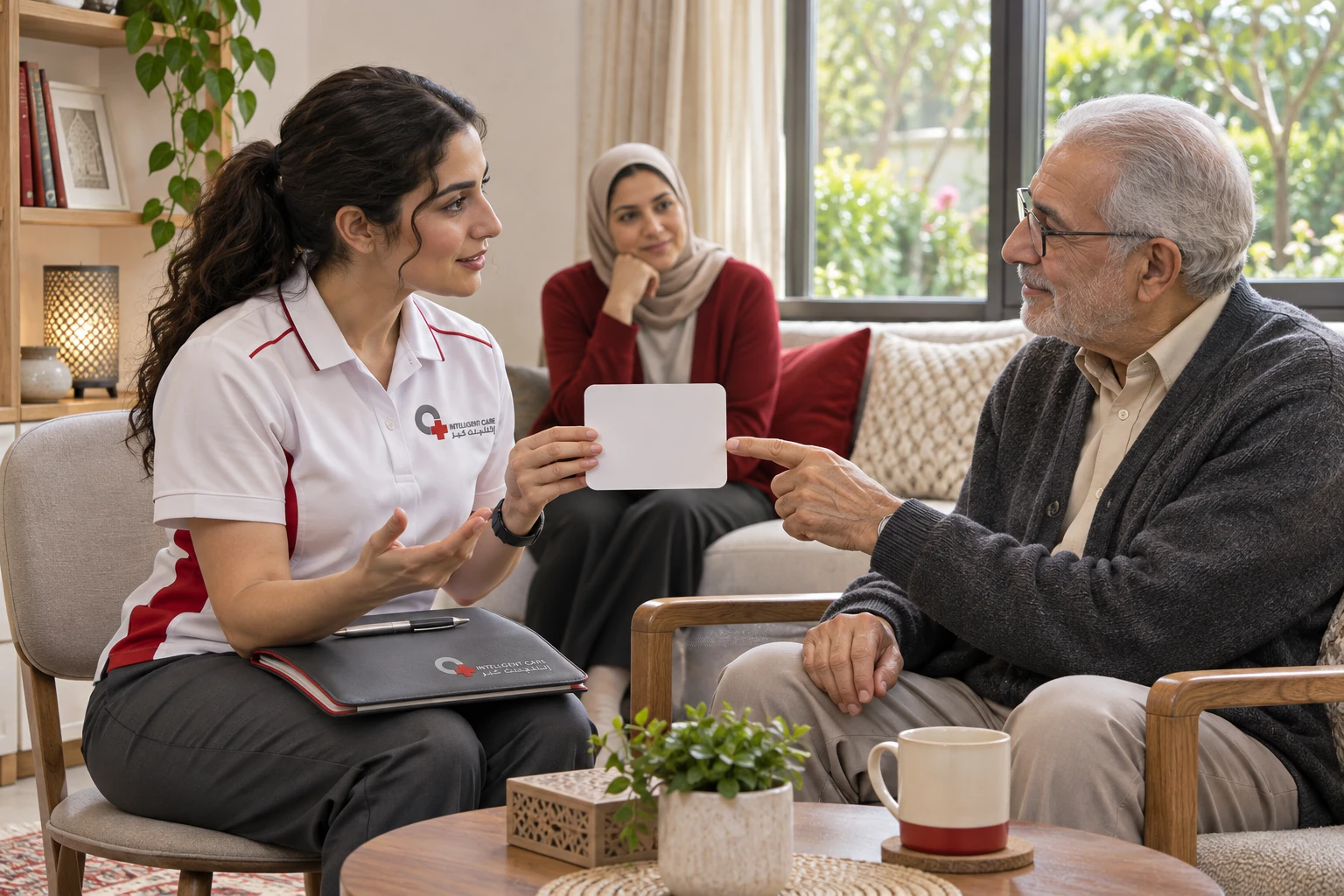
Share the discharge summary, known effects, existing rehabilitation plan and medical follow-up. Explain changes since the last review and any restrictions or precautions already given.
Allow time for communication and include a chosen supporter when helpful. Identify a meaningful activity rather than deciding all goals on the person’s behalf.
The physiotherapist considers relevant movement, balance or task performance within current ability and support needs. The assessment should not rely on forcing a difficult task.
Discuss the first goal, practice guidance, assistance and review points. Clarify what needs another professional and how information will be shared with consent.
The care pathway
Recovery varies between people. These stages are used to organize care, not to predict an outcome or a deadline.
Bring the stroke history, rehabilitation plan and home circumstances into one discussion.
Agree a specific activity and the current level of assistance.
Use the individually taught programme and discuss response, fatigue and practical difficulties.
Adapt goals or involve other professionals as needs change.
Explore a stage to bring it into focus. Every stage stays visible.
What the care involves
The right approach reflects the person’s assessed needs and wider rehabilitation programme. Specific exercises and assistance require individual instruction.
| Element | Role in the plan | Question for the team |
|---|---|---|
| 01Meaningful task practice | Appropriate repetition can connect movement work with an everyday activity. | Which task matters now and what help is required? |
| 02Individual movement work | Address the relevant physical findings within the person’s capacity and medical guidance. | What should we practise and what should we avoid doing alone? |
| 03Family or carer instruction | Consider safe, consistent support when the person agrees to family involvement. | Can the supporter demonstrate the agreed approach? |
| 04Multidisciplinary coordination | Identify needs that extend beyond physiotherapy and align with the stroke care plan. | Who handles communication, daily living or medical concerns? |
Before care arrives
Tell the team about communication, mobility and care needs before the appointment so the appropriate arrangements can be considered.
A personal reminder list.
Nothing is sent or saved.
Care around the person
Being involved does not mean becoming the therapist. Discuss what help is useful, safe and realistic for the family or carer.
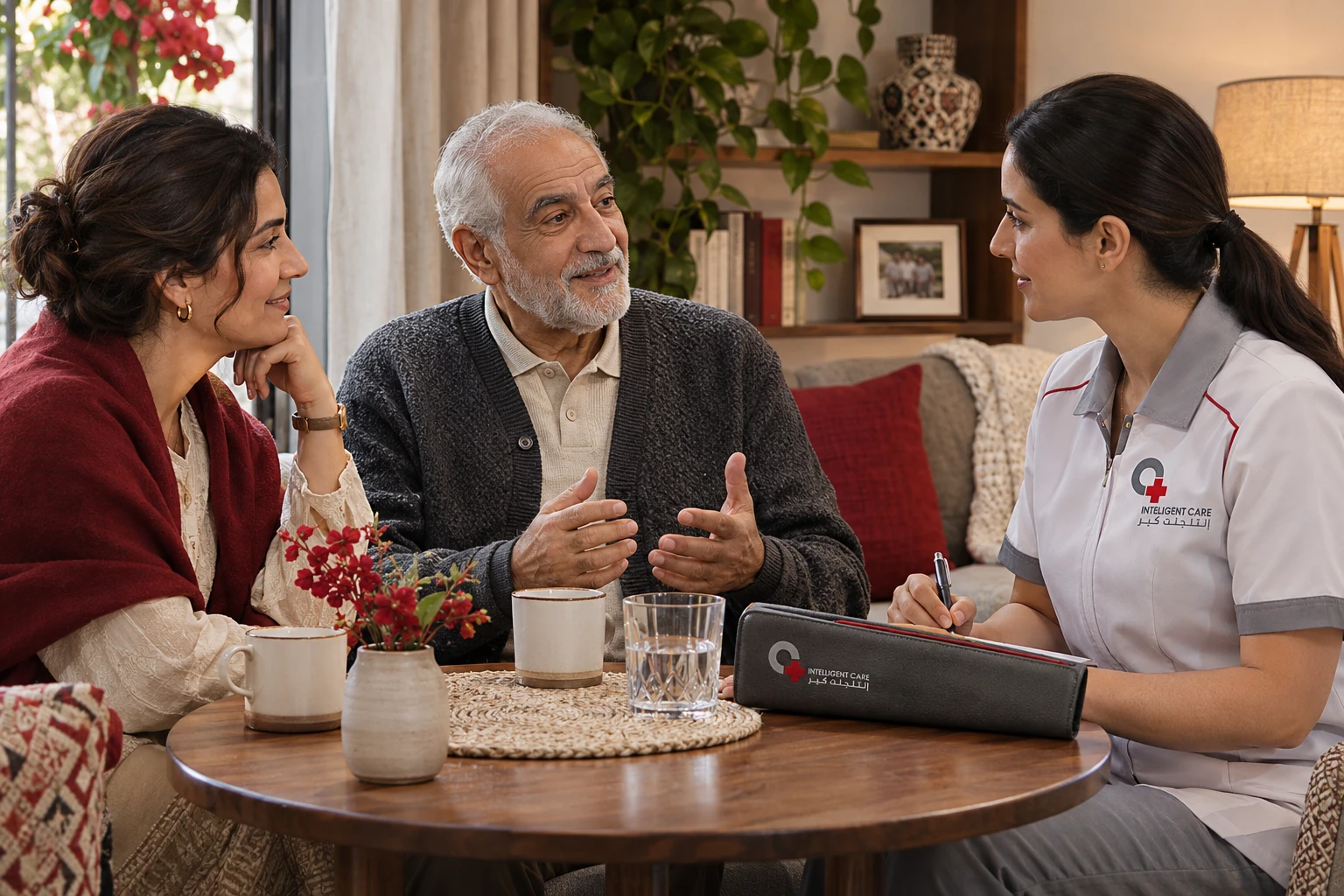
Allow the person time to communicate preferences. A supporter can help explain the routine without replacing the patient’s own goals.
Transfers, positioning and assistance should follow the assessed plan. Ask the treating team to demonstrate the specific method and confirm what the helper can safely do; do not improvise handling techniques.
Explain who is available, what they can manage and where more help is needed. A plan should not assume unlimited family time, strength or confidence.
Continuity of care
Progress should be interpreted alongside health, participation and the agreed goal. A difficult day does not tell the whole story.
Describe what the person can do and the help needed for the agreed activity. Avoid comparing recovery with another person’s stroke.
Discuss fatigue, communication or other factors affecting the programme. Ask what should change if the plan is not manageable.
Confirm that those helping know the current instructions and their limits. Ask for reassessment if assistance has become unsafe or unclear.
Share changes with the appropriate rehabilitation or medical professional. New concerns may need a different service, not simply more physiotherapy sessions.
People and responsibilities
Care works best when you know who assesses, who arranges and who follows up. Named editorial profiles do not select the clinician attending your appointment.
Assesses movement and function, agrees practical goals and adapts the rehabilitation plan within the relevant clinical restrictions.
Provides diagnosis, surgical restrictions or other specialist instructions when these are needed to guide rehabilitation.
Helps match the request to the appropriate service, coordinates the first appointment and clarifies any additional requirements.
Choose meaningful goals, explain what happens between sessions and agree what information may be shared.
Read the real team profiles and their professional-directory references. Your assigned professional and the scope of care are confirmed through the care arrangement.
Meet our clinical teamWhen to seek medical help
This page concerns rehabilitation after a stroke, not the assessment of an acute stroke. Use emergency care when new warning signs appear.
Immediate medical attention
Prompt clinical assessment
Practical arrangements
Choose a free initial assessment, one home session or a ten-session plan. Discuss whether the selected option suits your needs; buying more sessions does not guarantee a particular recovery.
Share the building or hotel, access instructions and any stairs or transfer difficulties. Tell the team about space, equipment and communication needs before the visit.
The ten-session plan books the first appointment now; arrange later sessions with the team. Insurance eligibility and any required documents are checked for the individual policy, not presumed from the service name.
Your questions
No. A suspected stroke is a medical emergency. This page is for discussing rehabilitation after the acute condition has been assessed and the appropriate clinical plan established.
Physiotherapy is one part of care. Some people also need other rehabilitation disciplines, medical review or a different setting. Clarify the complete plan and the limits of each booked service.
Tell the team about the person’s needs and current communication support. The visit should allow participation and may need coordination with other professionals; suitability is considered individually.
Discuss the specific tasks and the relative’s capacity. Any instruction must match the assessment and available equipment; the family should not be expected to improvise transfers.
No. Recovery and goals vary. A ten-session booking option is not a promise of a particular ability, and ongoing treatment should be reviewed against the individual plan.
Explain this before the visit and during review. The timing and activities need to reflect capacity and clinical advice rather than forcing the same session structure on everyone.
Agree an activity and a meaningful starting point, such as the help needed for a transfer. The clinician can explain relevant measures and review them alongside the wider clinical picture.
No. Continue the established stroke and medical follow-up. Share important changes and use emergency care for new stroke signs rather than waiting for the next rehabilitation visit.
Expertise with a name
Explore the named clinical profiles, their professional roles and their Dubai Health Authority directory records.
Author assignment
General Practitioner
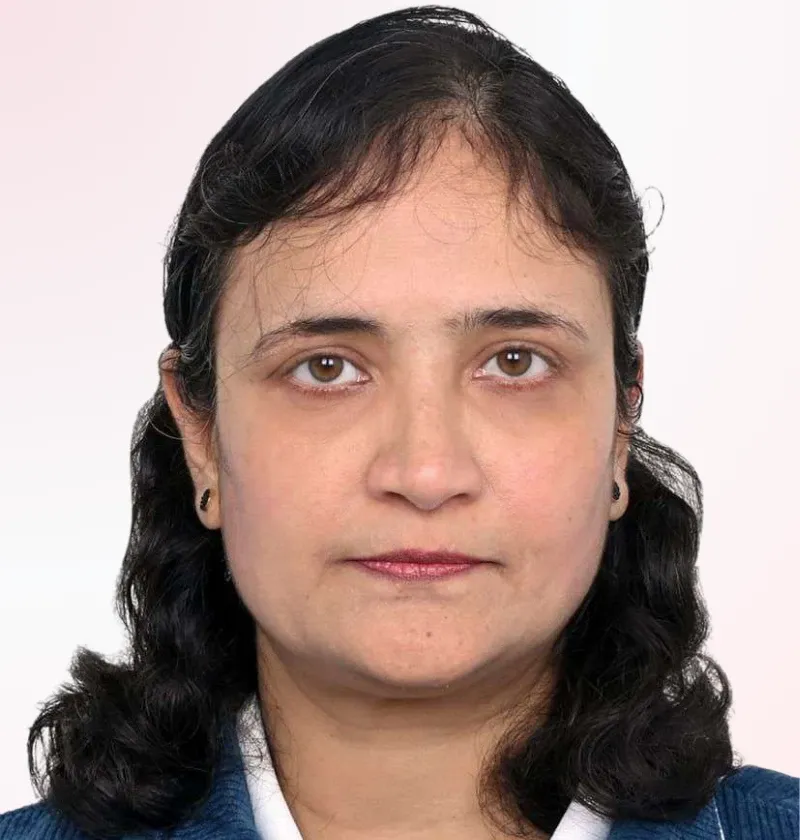
Dr Toqa Ibrahim is a DHA-licensed General Practitioner with Alpha Intelligent Care Home Healthcare Center. Her clinical profile brings the general-practice perspective into our approach to care at home.
Review assignment
Specialist Clinical Pathology
Dr Nirupama Sabhapathy is a DHA-licensed Specialist in Clinical Pathology at Intel Lab. Her published Intel Lab profile describes more than 25 years in medicine and her role as Laboratory Director.
Professional registration describes each clinician’s role. The clinical assessment and the person responsible for your care are confirmed separately.
More care guides


The wider picture
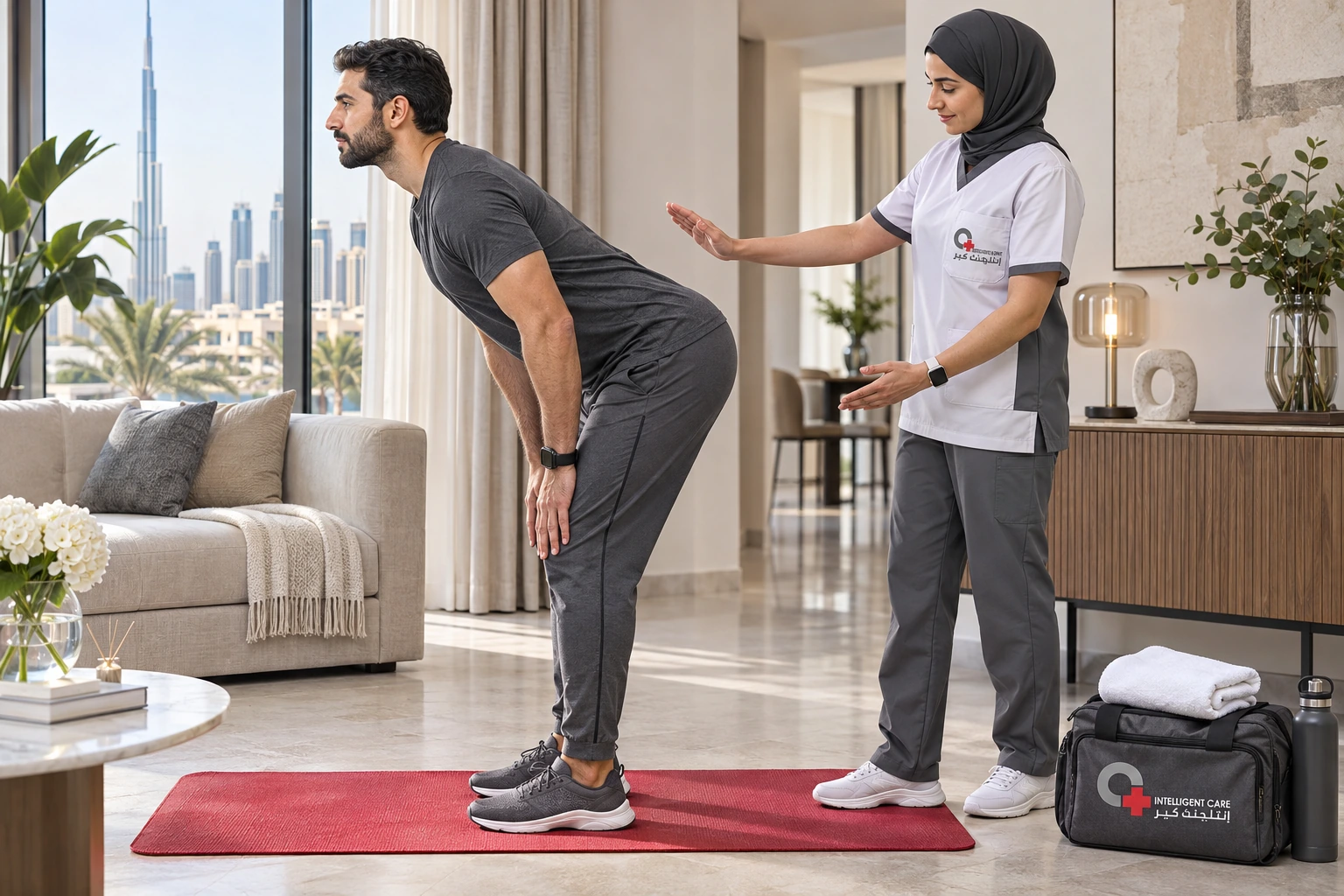
Explore related support, or speak to us about combining services into one plan.
About this guide
General information supports the care conversation; your own assessment determines the plan. Company service information and independent clinical guidance are listed separately below.
Care that comes to you
Across Dubai.
Abu Dhabi — coming soon.