Free assessment
Free

PHYSIOTHERAPY AT HOME · DUBAI
Expert physiotherapy and rehabilitation, in your own space. From the first assessment to the everyday moments you want to get back to.
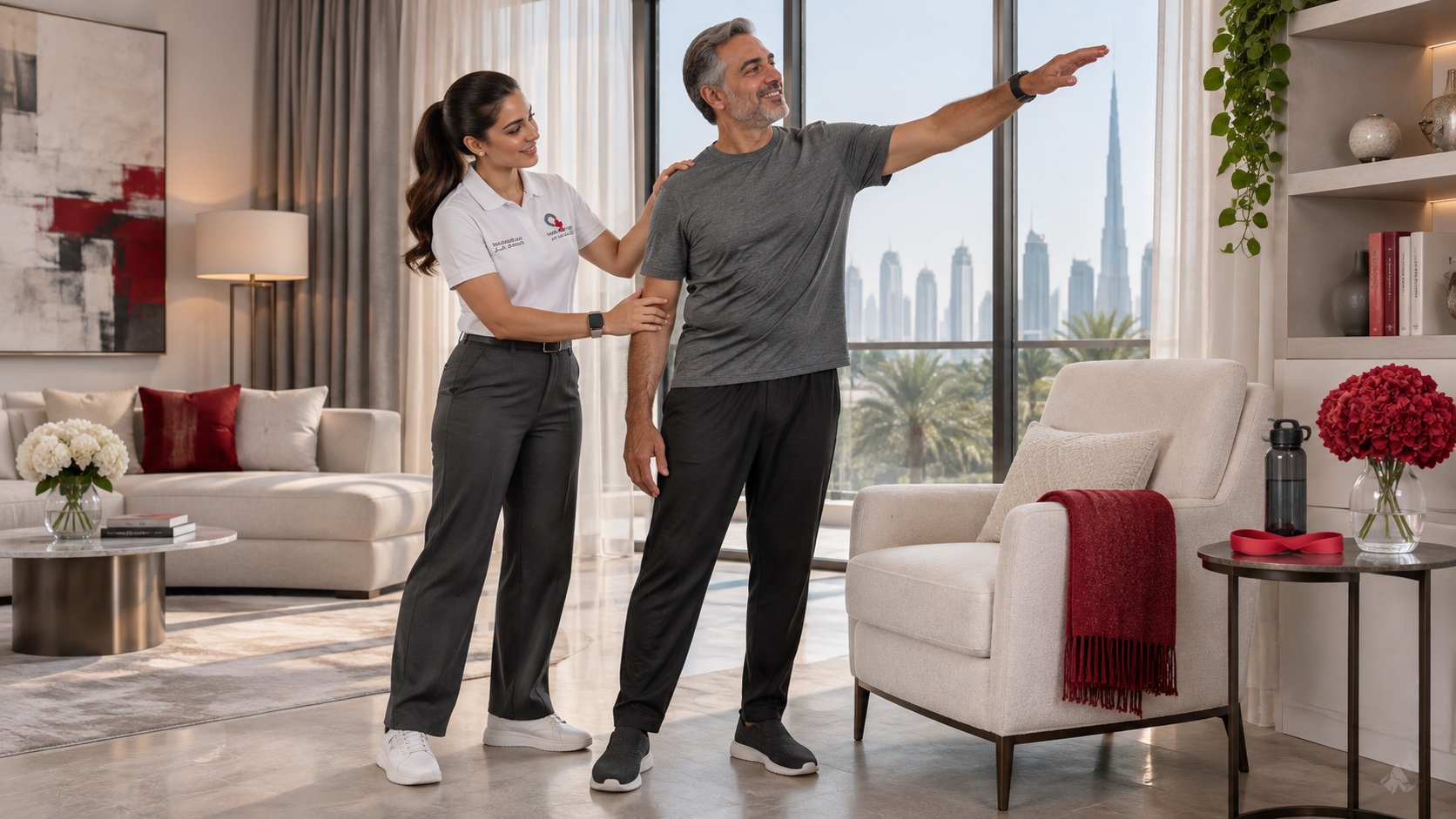 Care that
Care built around movement
Getting out of a chair. Returning to work. Keeping up with family. Physiotherapy connects clinical expertise to the activities that matter to you.
Intelligent Care brings physiotherapy and rehabilitation to homes, hotels and residences across Dubai. Our physiotherapists assess movement, symptoms and function, then agree a plan around your condition, practical goals and wider clinical care.
Musculoskeletal and sports injuries, post-operative recovery, neurological rehabilitation, children’s development, older-adult mobility and antenatal or postnatal needs each call for a different approach. Your assessment helps identify the appropriate expertise.
Find your care focus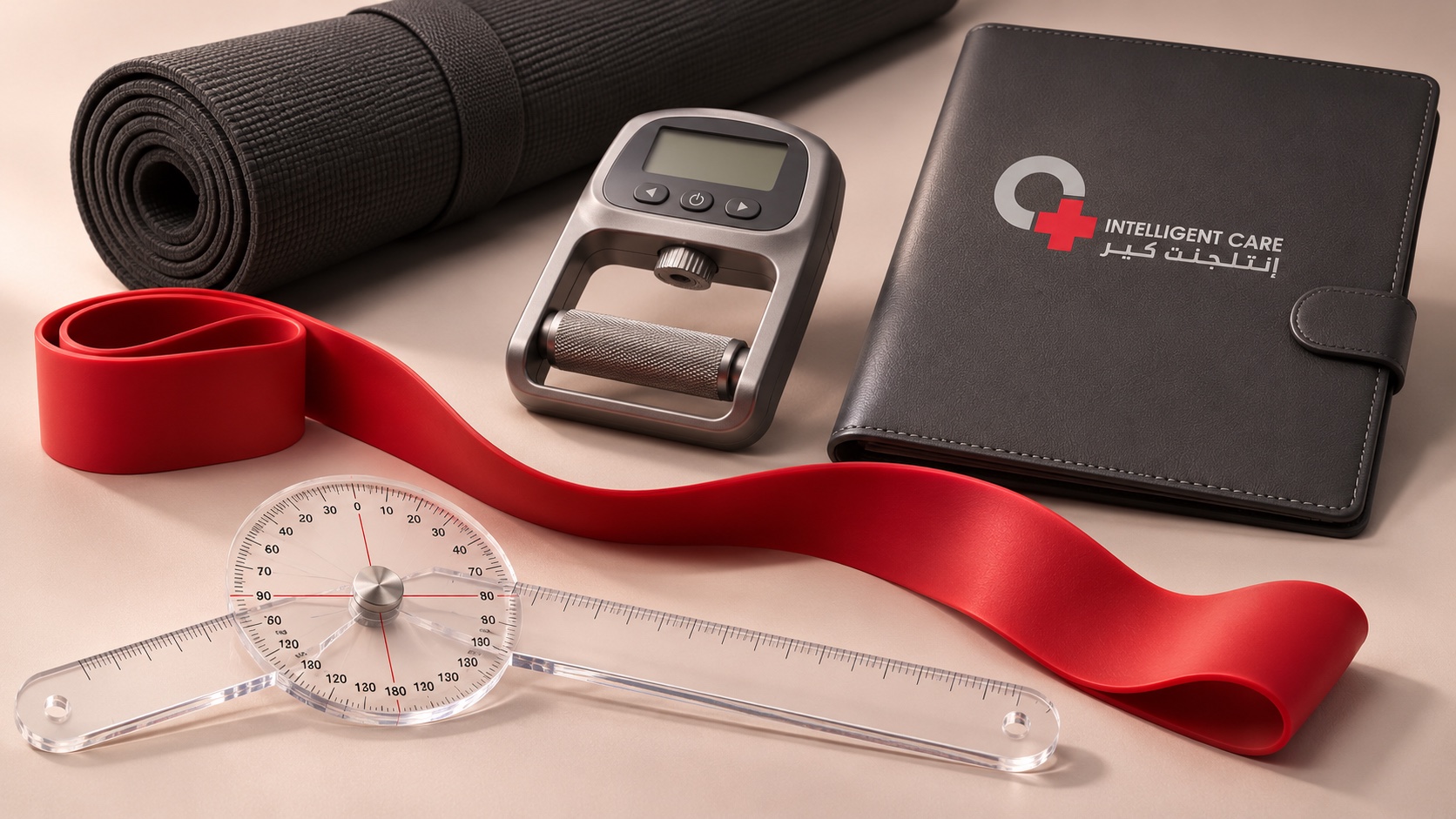
Your next step
Choose an assessment, a single visit or a programme of sessions. Your therapist agrees the appropriate treatment and progression with you.
Free assessment01UNDERSTAND YOUR NEEDS
Tell us what is difficult and what you would like to do more comfortably. Start with an initial assessment at home.
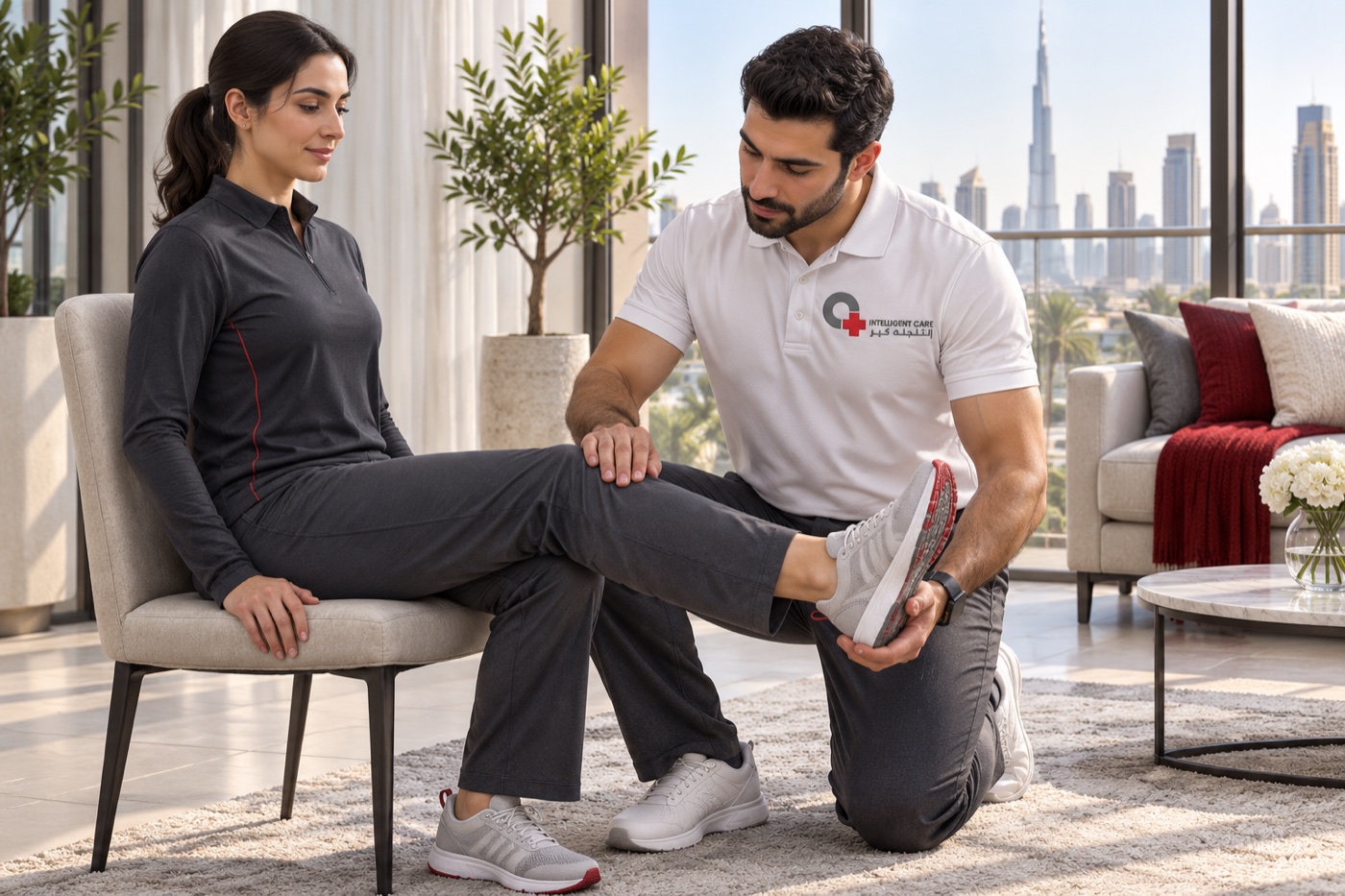 One session01
ONE HOME VISIT
An individual physiotherapy visit, with the approach guided by your assessment, needs and response.
 Ten sessions10
A CONTINUING PROGRAMME
Ten physiotherapy sessions for an agreed rehabilitation programme. Book the first session; arrange the remaining dates with the care team.
Not sure which option fits? Your starting point can be a conversation.
Twelve care focuses
Choose a situation to explore the clinical approach. The right treatment depends on assessment, your health history and the practical changes you want to make.
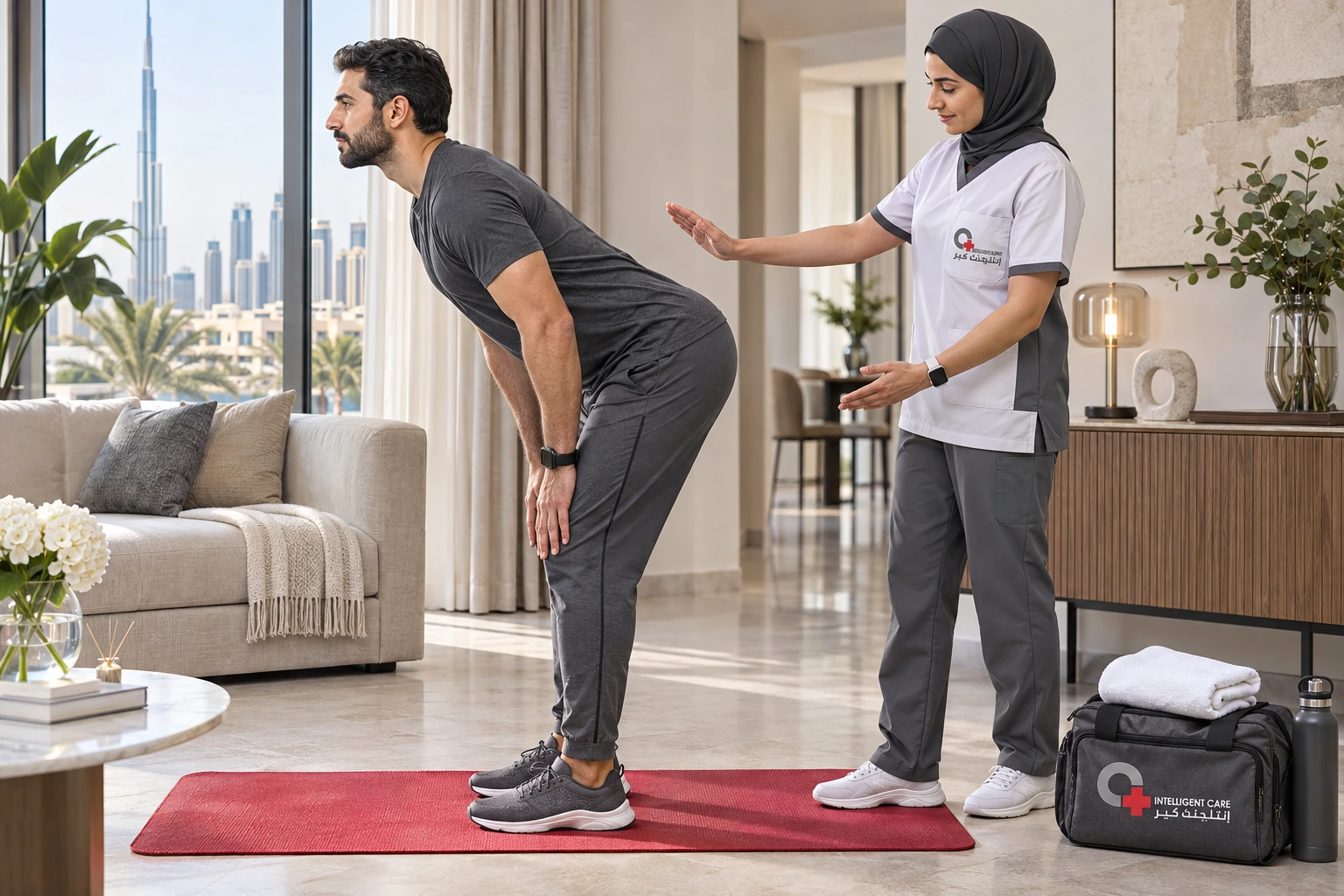 01 / 12
Musculoskeletal & orthopaedic
Assessment, movement and an individualized home exercise plan.
Explain which movements are difficult, where symptoms travel and what activities you want to regain.
Back, neck, joint and muscle concerns need assessment of symptoms alongside movement and everyday function. Existing imaging, an arthritis diagnosis, prior injuries or orthopaedic procedures add context. The plan may include exercise, education and appropriate hands-on treatment; a particular diagnosis cannot be inferred from where pain is felt.
02 / 12Musculoskeletal & orthopaedic
Work on function and movement around the assessed joint problem.
Identify the joint, changes in function, previous diagnosis and the activities that matter most.
Back, neck, joint and muscle concerns need assessment of symptoms alongside movement and everyday function. Existing imaging, an arthritis diagnosis, prior injuries or orthopaedic procedures add context. The plan may include exercise, education and appropriate hands-on treatment; a particular diagnosis cannot be inferred from where pain is felt.
03 / 12Sports & post-operative rehabilitation
Rehabilitation tailored to the injury and return-to-activity goals.
Share the sport, how the injury occurred and the level of activity you hope to return to.
Share the injury, sport or operation and any surgeon’s restrictions. Return to activity should follow assessed capacity and response, with clear progression criteria. With your agreement, a coach or trainer can understand the relevant guidance. A calendar date alone does not establish readiness to resume sport.
04 / 12Sports & post-operative rehabilitation
Rebuild movement following surgery in line with clinical advice.
Bring the procedure details, surgeon’s guidance and any movement or weight-bearing restrictions.
Share the injury, sport or operation and any surgeon’s restrictions. Return to activity should follow assessed capacity and response, with clear progression criteria. With your agreement, a coach or trainer can understand the relevant guidance. A calendar date alone does not establish readiness to resume sport.
05 / 12Neurological rehabilitation
A coordinated rehabilitation approach based on functional goals.
Existing stroke rehabilitation goals, clinical reports and caregiver support help shape the assessment.
Stroke, Parkinson’s disease and other neurological conditions can affect walking, balance and daily tasks. Fatigue, existing medication routines and the help available at home matter when planning sessions. Caregivers may need guidance with transfers and mobility aids. Speech, swallowing or other specialist needs require the appropriate discipline within the wider team.
06 / 12Neurological rehabilitation
Rehabilitation for condition-specific mobility and daily function.
Describe the diagnosis, changes in mobility and the current advice from your treating specialist.
Stroke, Parkinson’s disease and other neurological conditions can affect walking, balance and daily tasks. Fatigue, existing medication routines and the help available at home matter when planning sessions. Caregivers may need guidance with transfers and mobility aids. Speech, swallowing or other specialist needs require the appropriate discipline within the wider team.
 07 / 12
Children’s movement needs
Age-appropriate movement support, involving the family.
Share the child’s age, developmental or movement concerns and the existing paediatric advice.
Pediatric physiotherapy considers age, development, the child’s abilities and the family’s priorities. Share existing assessments and specialist advice. Useful goals may relate to play, posture, mobility or participation in everyday routines, with the approach adapted to the child rather than borrowed from an adult programme.
 08 / 12
Pregnancy, postnatal & older-adult care
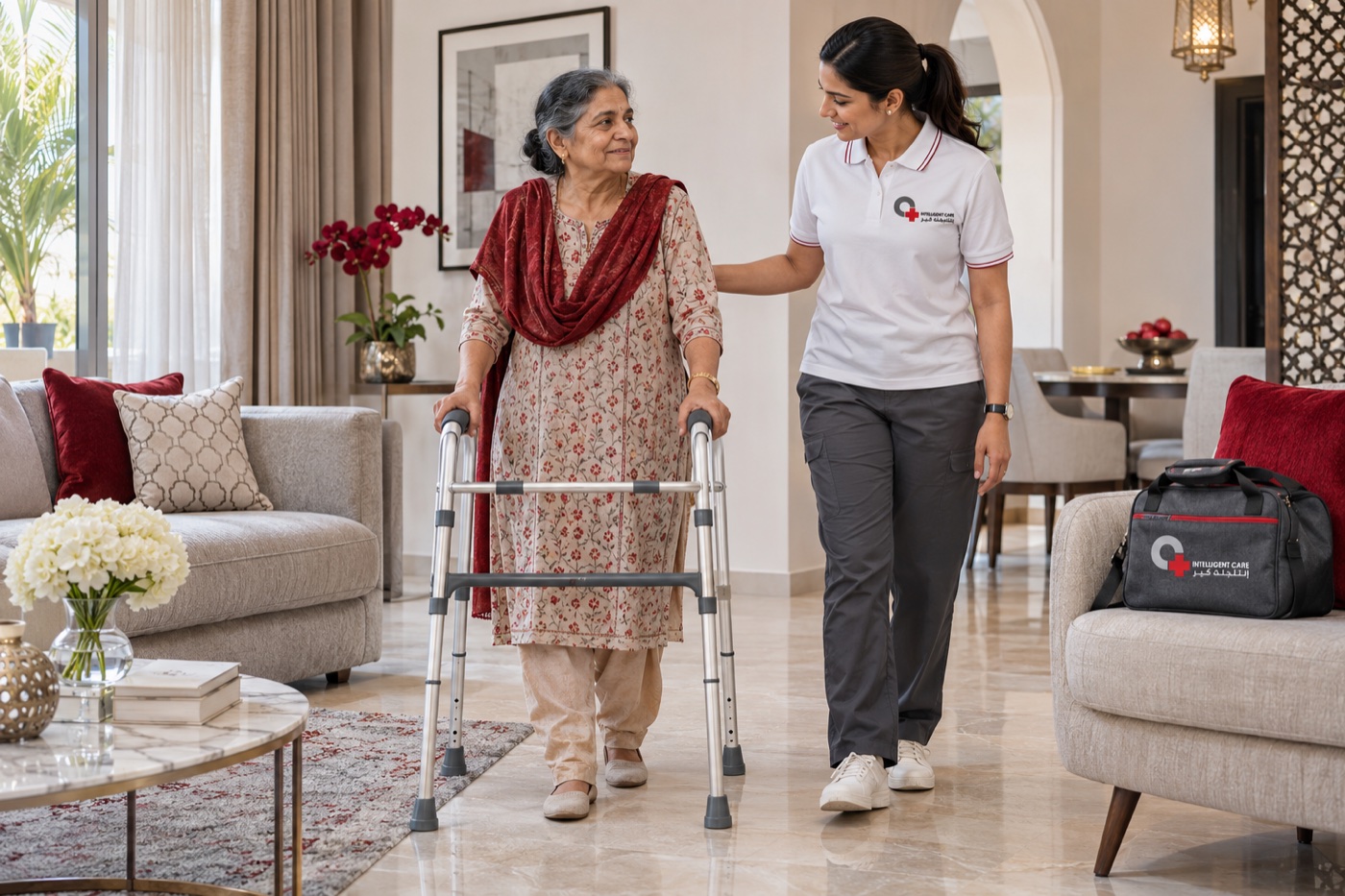
Support strength, balance and everyday independence.
Discuss transfers, walking, balance and daily independence, together with relevant health conditions.
Pregnancy and recovery after birth may involve pelvic-floor symptoms, abdominal separation, pelvic or back discomfort and C-section recovery. Assessment must respect consent, privacy and maternity-team guidance. For older adults, balance, falls, transfers, walking confidence and the home environment help shape meaningful rehabilitation goals.
 09 / 12
Pregnancy, postnatal & older-adult care
Adapted support for posture, movement and pregnancy-related discomfort.
Share the stage of pregnancy, symptoms and maternity-team advice before planning activity.
Pregnancy and recovery after birth may involve pelvic-floor symptoms, abdominal separation, pelvic or back discomfort and C-section recovery. Assessment must respect consent, privacy and maternity-team guidance. For older adults, balance, falls, transfers, walking confidence and the home environment help shape meaningful rehabilitation goals.
 10 / 12
Pregnancy, postnatal & older-adult care
Assessed rehabilitation after childbirth.
Discuss recovery, daily demands and any maternity-team restrictions or referral instructions.
Pregnancy and recovery after birth may involve pelvic-floor symptoms, abdominal separation, pelvic or back discomfort and C-section recovery. Assessment must respect consent, privacy and maternity-team guidance. For older adults, balance, falls, transfers, walking confidence and the home environment help shape meaningful rehabilitation goals.
11 / 12Neurological rehabilitation
Exercises appropriate to the assessed balance difficulty.
Tell the therapist about falls, dizziness, walking aids and situations where you feel unsteady.
Stroke, Parkinson’s disease and other neurological conditions can affect walking, balance and daily tasks. Fatigue, existing medication routines and the help available at home matter when planning sessions. Caregivers may need guidance with transfers and mobility aids. Speech, swallowing or other specialist needs require the appropriate discipline within the wider team.
 12 / 12
Musculoskeletal & orthopaedic
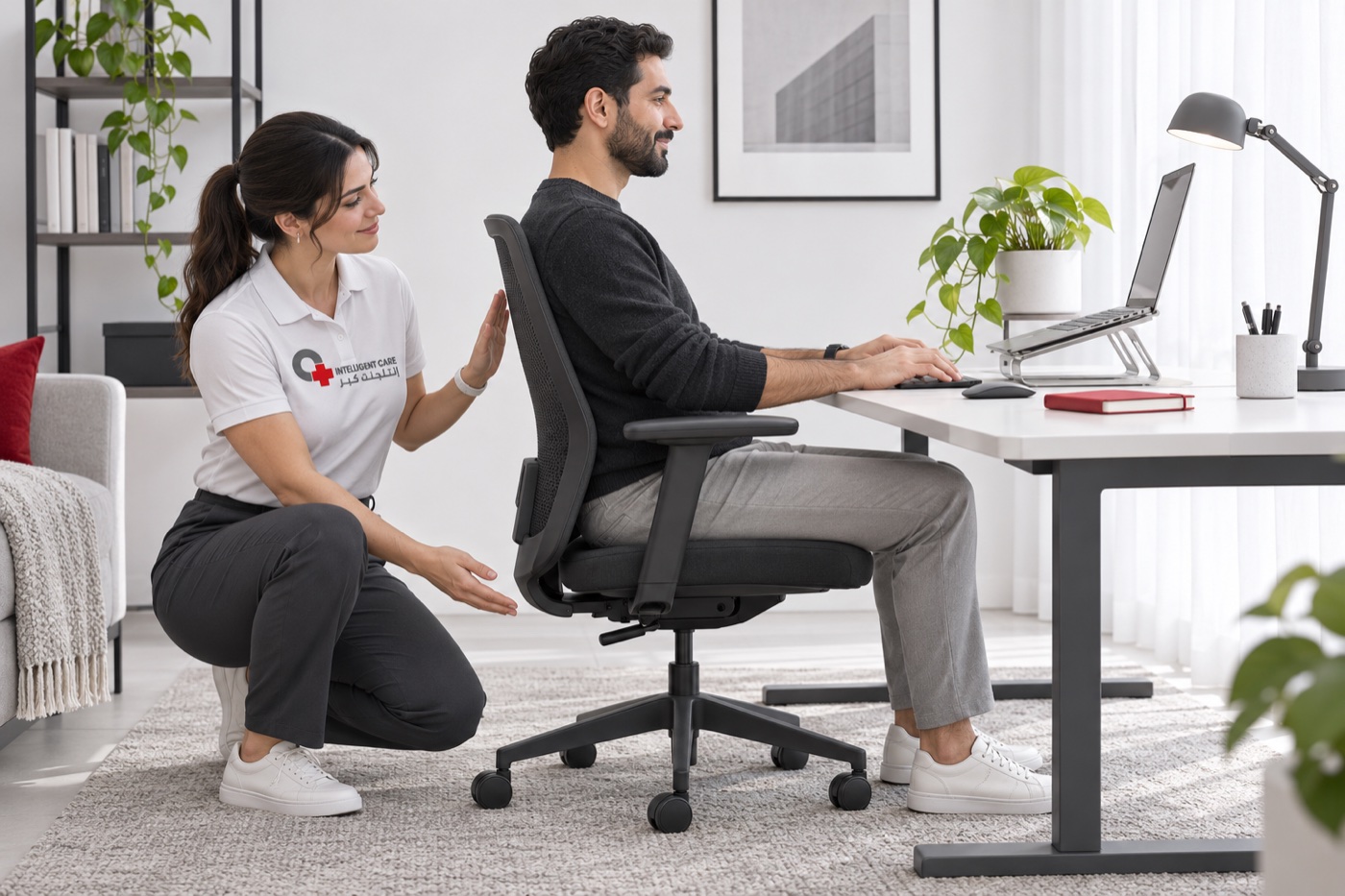
Rehabilitation connected to daily activities and work demands.
Describe your workstation, usual hours and the positions or repeated tasks associated with discomfort.
Back, neck, joint and muscle concerns need assessment of symptoms alongside movement and everyday function. Existing imaging, an arthritis diagnosis, prior injuries or orthopaedic procedures add context. The plan may include exercise, education and appropriate hands-on treatment; a particular diagnosis cannot be inferred from where pain is felt.
Bring the diagnoses, previous treatments and what helped or aggravated symptoms. Several conditions may require coordination with specialists and careful attention to fatigue and response. Goals and activity are individualized; if the needs exceed the available home-care scope, the appropriate referral or setting should be discussed.
Inside your session
A session can bring together movement assessment, guided exercise, hands-on treatment and practical education. Techniques are selected for their purpose, not offered as a fixed menu.
ASSESS · UNDERSTAND · ADAPTThe assessment can look at comfortable range of movement, strength, balance and everyday tasks. Your symptoms, medical history and goals give those findings meaning.
Exercises are selected for the person and practised with guidance. The therapist can explain the intended movement, appropriate level of effort and how the programme should progress.
Where appropriate, manual approaches may form part of care alongside movement and exercise. They are considered in the context of the condition and current evidence.
Understanding a condition, pacing activity and adapting everyday tasks can be part of rehabilitation. Ask for clear instructions about the home programme and when to seek further advice.
Physiotherapy starts with suitability and assessment. Sudden severe symptoms, a new major injury or rapidly worsening function need an appropriate medical assessment before a routine rehabilitation appointment.
Make it meaningful
Choose a goal. Explore how assessment, a personal plan and review connect to it. This shapes a care conversation; it does not prescribe an exercise.
YOUR GOAL. YOUR CONTEXT.
Comfort is more useful when it relates to a real activity. Tell your therapist which movements feel difficult, what brings on symptoms and what you would like to do more comfortably.
Notice the activity, symptoms and what affects them.
What would you like to discuss?
Move comfortably. Start with an assessment of your needs.
A little preparation
Your first conversation can be more useful with the relevant reports and a clear idea of what you want to do more easily.
BEFORE THE FIRST VISIT
You do not need every answer before speaking with us. Share clinical documents directly with your care team.
SMART HEALTH. WITH YOU.
The session is one part of rehabilitation. Keep the next appointment, your agreed programme and the review conversation together.
Book the first visit, then agree any remaining sessions with the care team. A ten-session bundle stays connected to one rehabilitation plan, with dates arranged around your needs and clinical review.
Your goals, agreed exercise instructions and practical home advice belong together. Share the relevant surgeon or specialist instructions so the programme respects your wider care.
Progress is reviewed against your starting point and meaningful activities. Your therapist can adapt the approach, discuss the next session or advise another clinical assessment when needed.

 Smart Health
One place for the next step.
Appointment request
Service and contact details are ready for the care team.
Clinical review
The team reviews your needs and confirms the appropriate care.
Agree with your team
The care team agrees the appointment, location and treatment with you.
Your goals, exercise instructions and review are agreed with your physiotherapist.
Note changes in walking, reaching or other agreed activities. Share symptoms and questions with your therapist.
Speak with your care teamKeep your agreed exercise instructions, session notes and relevant clinical reports together for the next review.
Programme & session notesONE CONNECTED EXPERIENCEExplore sessions, your plan and the next review on either screen.
From first contact to follow-through
Speak with our patient care team about the movement difficulty, clinical background and practical goals. Select a free initial assessment or the appropriate session option.
Your physiotherapist assesses your needs and agrees the approach. Share surgeon or specialist instructions, mobility aids and any relevant restrictions.
The therapist visits your home in Dubai. The session follows the assessment and agreed plan, with suitable guidance for between visits.
Review response, ask questions and agree the next step. For a ten-session bundle, the remaining appointments are coordinated with your care team.
Help with the practical side
Our team can help you understand the insurance process for physiotherapy. Eligibility, referral requirements and pre-approval depend on your policy and the proposed care.
Tell us your insurer, membership details and the care you need.
We help establish the required assessment, referral and supporting documentation.
Understand any approval, session limits or patient contribution before care begins.
The people behind your care
The physiotherapist leads your rehabilitation assessment and treatment. Our patient care team coordinates the practical details and relevant medical support.
Movement, symptoms, function and a plan that responds to you.
The appointment, clinical information and a clear next step.
Surgeon, general practitioner or other specialists when your care calls for them.

GENERAL-PRACTICE PERSPECTIVE
Dr Toqa Ibrahim is a DHA-licensed General Practitioner with Alpha Intelligent Care Home Healthcare Center. Her clinical profile brings the general-practice perspective into our approach to care at home.
General medical care can complement rehabilitation when assessment or coordination is needed.
Your questions
From your first assessment to continuing rehabilitation, the practical details matter.
The service scope includes musculoskeletal and joint problems, sports and orthopaedic injuries, post-operative rehabilitation, neurological conditions and age-specific movement needs. An assessment determines the appropriate approach.
Intelligent Care offers a free initial physiotherapy assessment. Contact the team to arrange the assessment and discuss your requirement.
The service is priced per session; session length is confirmed with the care team. The team confirms the arrangement for your appointment.
That depends on the assessment, condition, goals and response. Your therapist discusses the plan and reviews it as care progresses.
Tell the team about your space and any existing equipment. They will advise on preparation for your particular assessment and treatment.
The rehabilitation approach includes coordination with primary and specialist care providers. Share relevant reports and instructions before the session.
Both paediatric and geriatric physiotherapy are within the service scope. The team matches the request to the relevant experience.
Yes. Eligibility, pre-approval and the approved treatment plan depend on your policy. Contact the insurance team before assuming the sessions are covered.
Not necessarily. The programme should respond to the assessment, your goals and how you progress. A particular technique or piece of equipment is not automatically required for every condition.
Speak with the team before buying anything. Tell them what you already use and how much space is available. Any equipment recommendation should follow your individual assessment.
Add the free initial assessment to your care bag, then complete the shared booking steps. Tell us who the visit is for and select a preferred appointment. The care team confirms the arrangement.
Add the ten-session bundle to your care bag. You select the first appointment during booking, then coordinate the remaining nine sessions with your care team. The bundle covers ten sessions; the clinical plan and progression remain individual.
Not necessarily. The therapist reviews your response and may change the exercise, level of support, practical guidance or next clinical step. Follow the instructions agreed for you rather than general exercise demonstrations.

CARE THAT COMES TO YOU
Arrange a doctor visit at home in Dubai. Explore consultation options, common concerns and what to expect before and after your visit.
CARE THAT COMES TO YOU
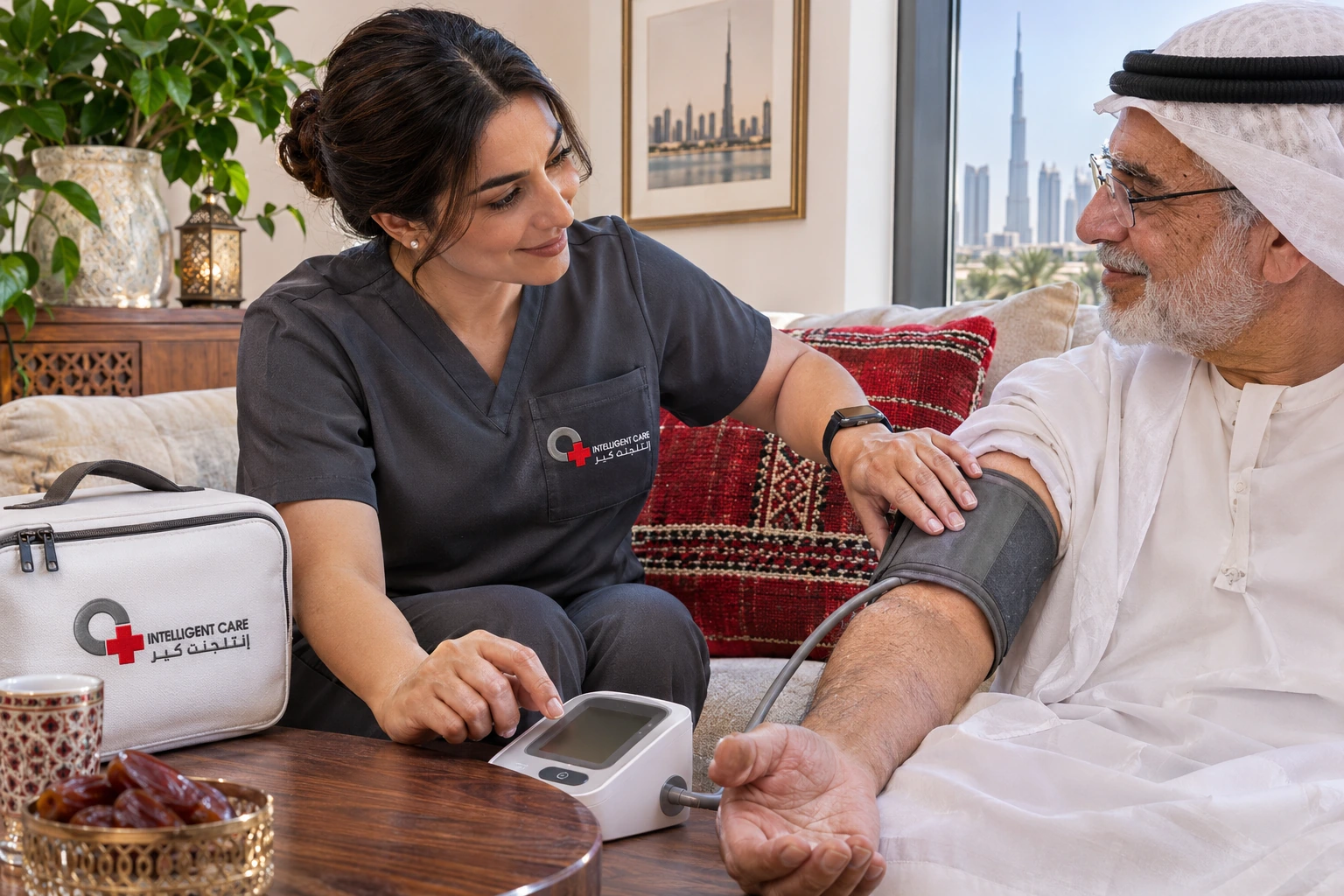
Explore nursing care at home in Dubai, from clinical visits to ongoing support. Choose care for your needs and speak with our patient care team.
CARE THAT COMES TO YOU
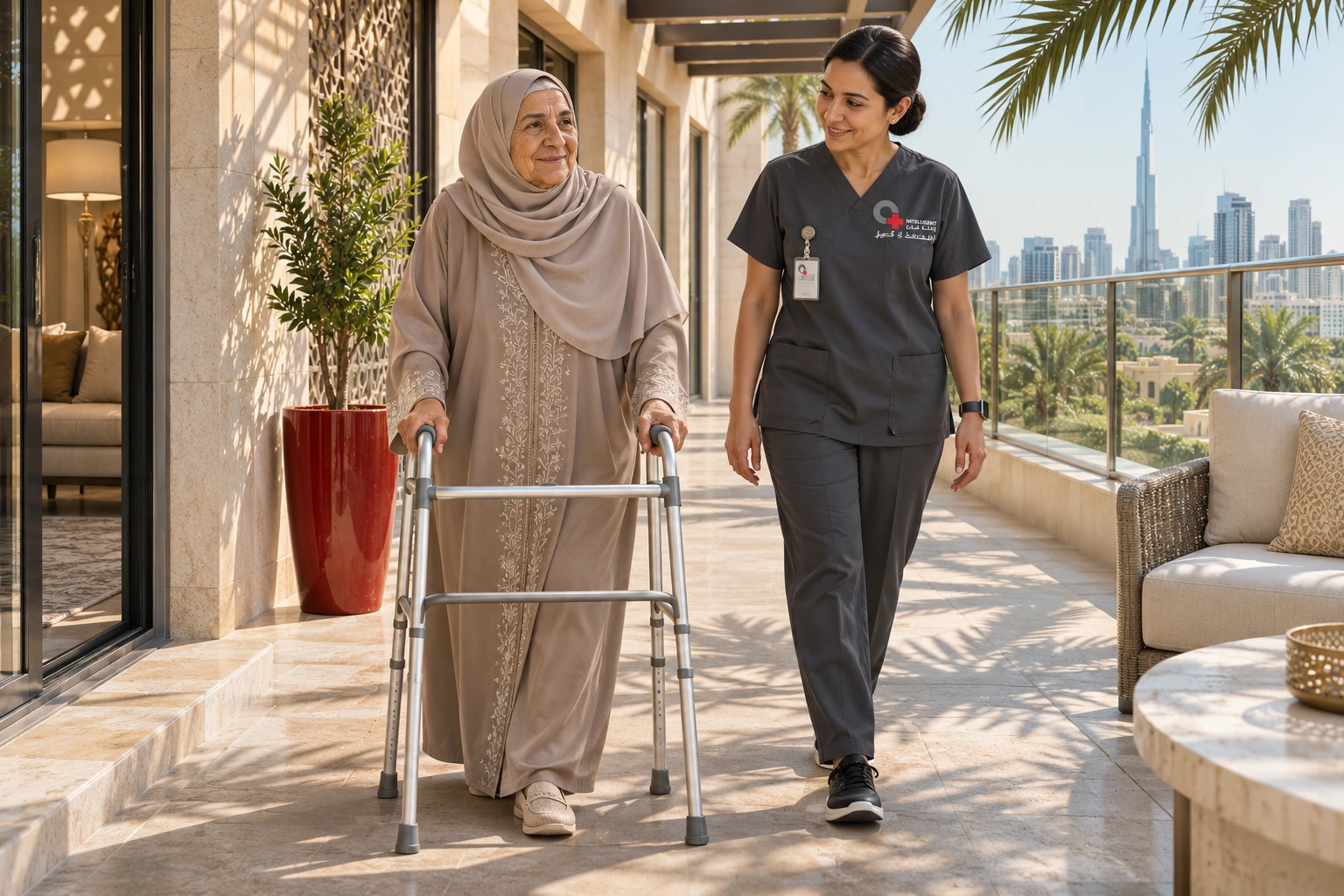
Explore care for older adults at home in Dubai. Arrange personal support, nursing and coordinated care around your loved one’s daily needs.

CARE THAT COMES TO YOU
Explore support for mothers and newborns at home in Dubai. Plan postnatal care, feeding support and practical guidance around your family.

CARE THAT COMES TO YOU
Explore Intel Lab health packages and individual tests. Compare options and choose home collection across Dubai or a visit to the Deira laboratory.
CARE THAT COMES TO YOU
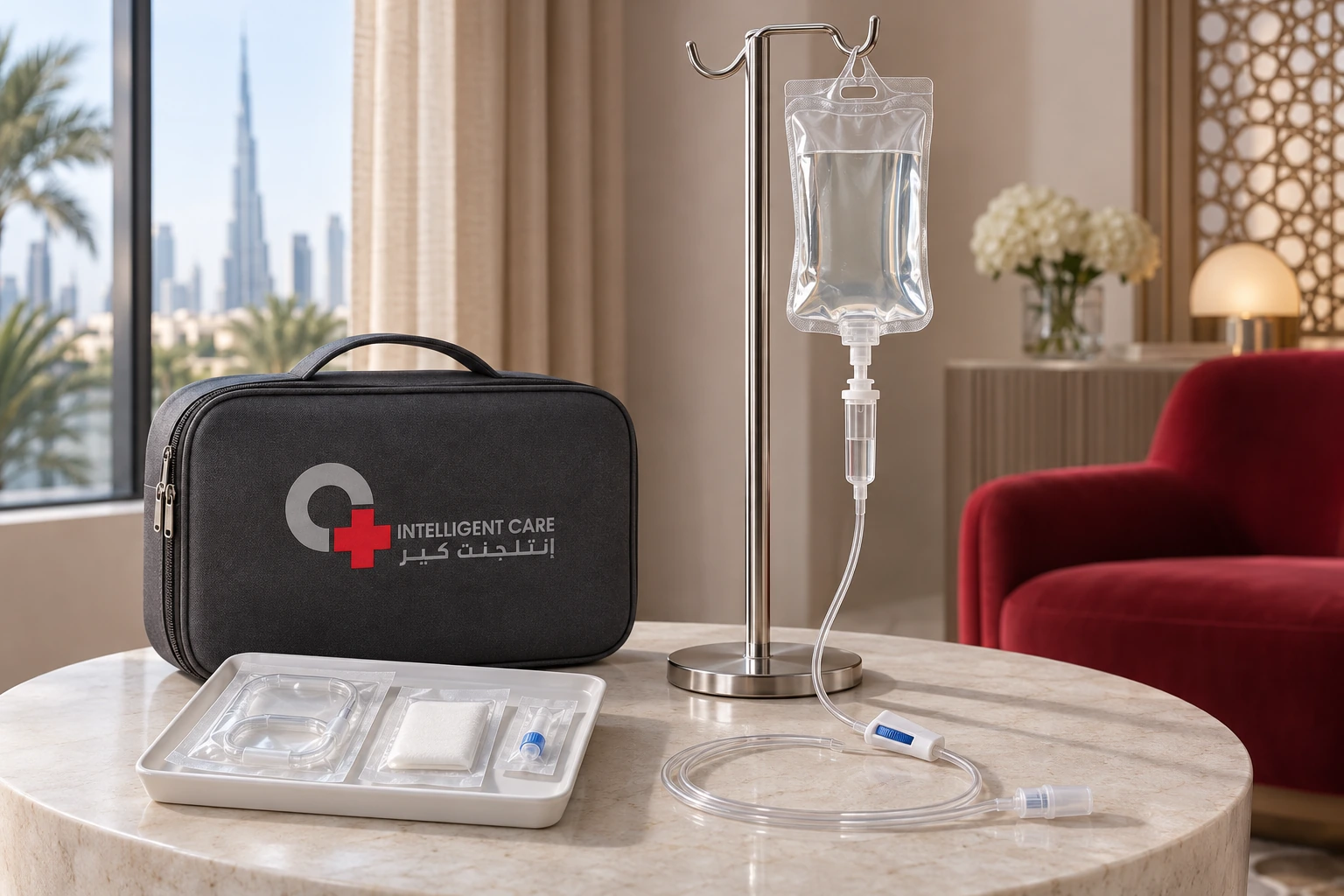
Explore IV therapy options at home in Dubai, with clear service details and clinical assessment. Choose an option or speak to our care team.
CARE THAT COMES TO YOU
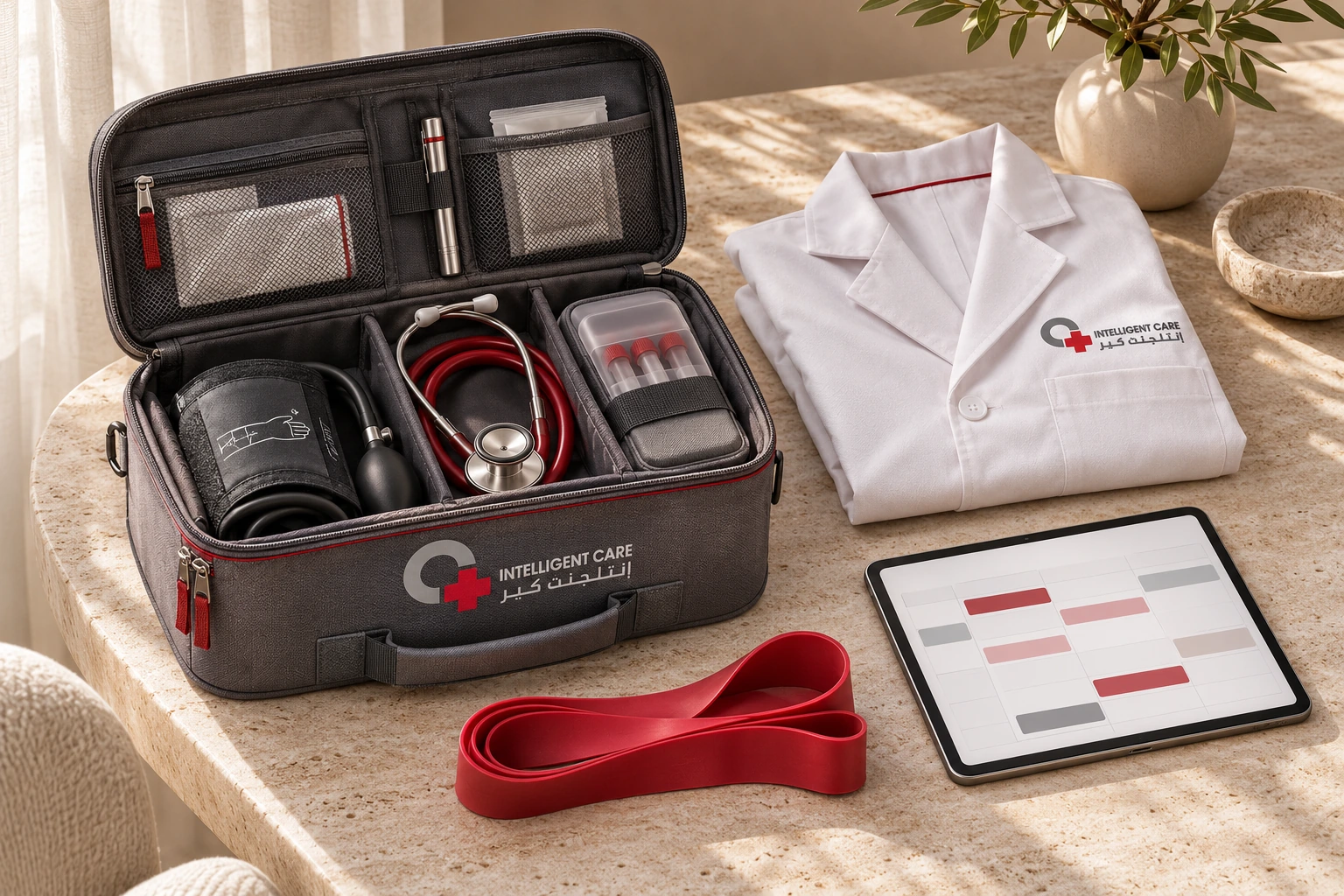
Bring doctors, nursing, rehabilitation and diagnostics into one personalized home care plan. Tell us your needs and plan care around your life.
Begin with you
Tell us what you want to get back to. We will help you find the right starting point.