01Transitions
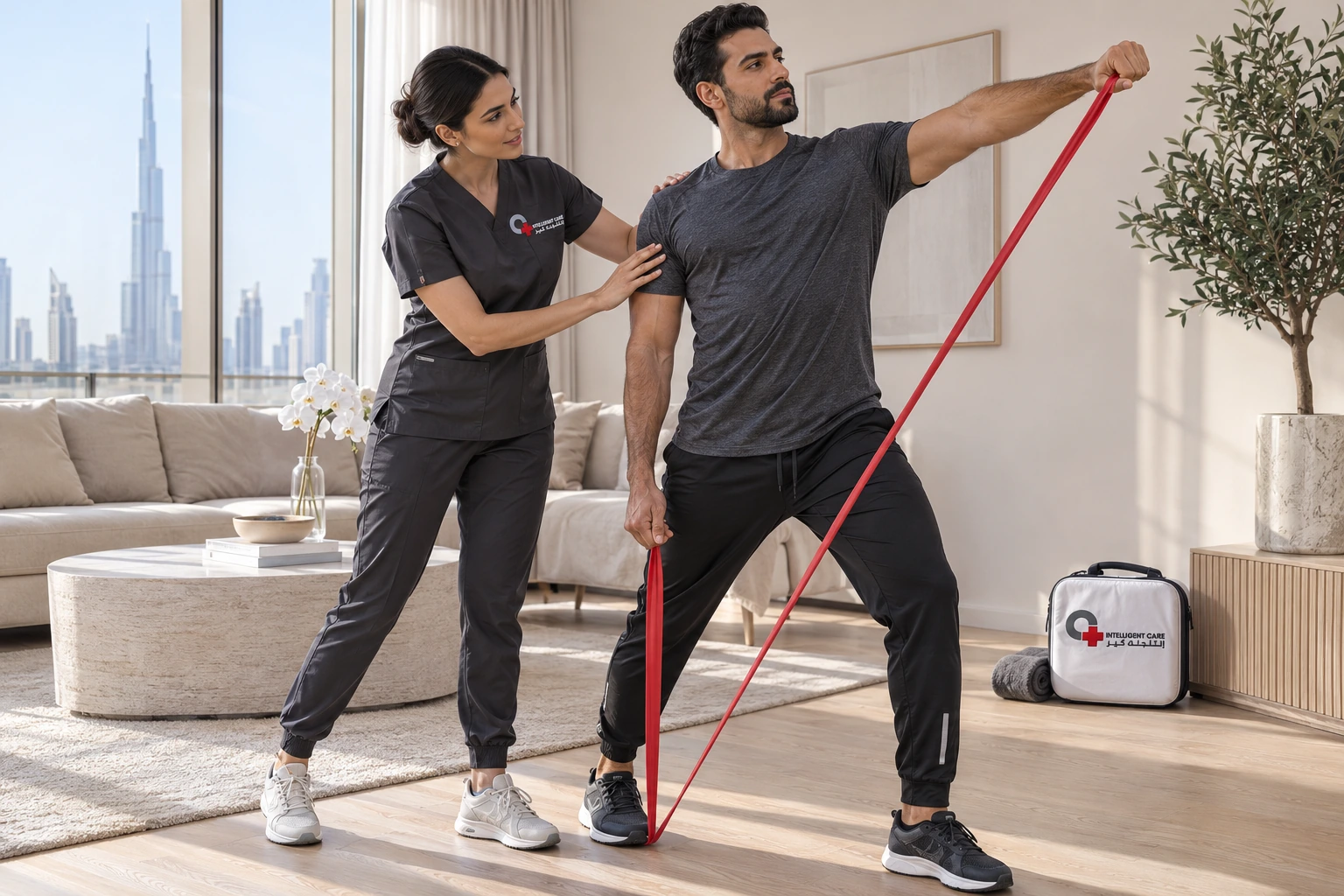
Getting up and moving
Describe starting a movement, changing position or getting out of the usual chair. Explain any assistance or established guidance already used.

Neurological conditions · Dubai
When a neurological condition affects everyday movement, the right starting point is your own pattern, priorities and clinical plan. Home physiotherapy can explore practical goals in a familiar setting, with attention to how your needs vary and what support makes the plan usable.

 Clinical author assignmentDr Toqa IbrahimTwo clinical perspectivesProfiles & DHA directory links Guidance with sourcesExplore the references
Neurological movement & function
Start with the initial assessment, choose one session or explore a ten-session plan. The right treatment and number of sessions depend on your assessed needs; selecting a bundle is not a clinical prescription.
Your discussion priorities
Choose priorities for discussion. These prompts do not identify a neurological diagnosis or choose exercises automatically.
Describe starting a movement, changing position or getting out of the usual chair. Explain any assistance or established guidance already used.
Share the routes, turns, thresholds and aids involved. The clinician considers the relevant task and whether the current environment supports it.
Mention falls, near-falls and situations that feel uncertain. Do not demonstrate an unsafe task alone to show what is difficult.
Explain when participation is easier or harder and what your clinical team has advised. A programme needs to fit current capacity rather than ignore it.
Identify a meaningful activity and the difficulty involved. Some goals need coordination with occupational therapy or other professionals beyond the booked service.
Discuss support, communication preferences and what can realistically be practised between visits. The patient’s own priorities guide the conversation.
Your discussion list
Choose the points you would like to discuss.
Understand the care
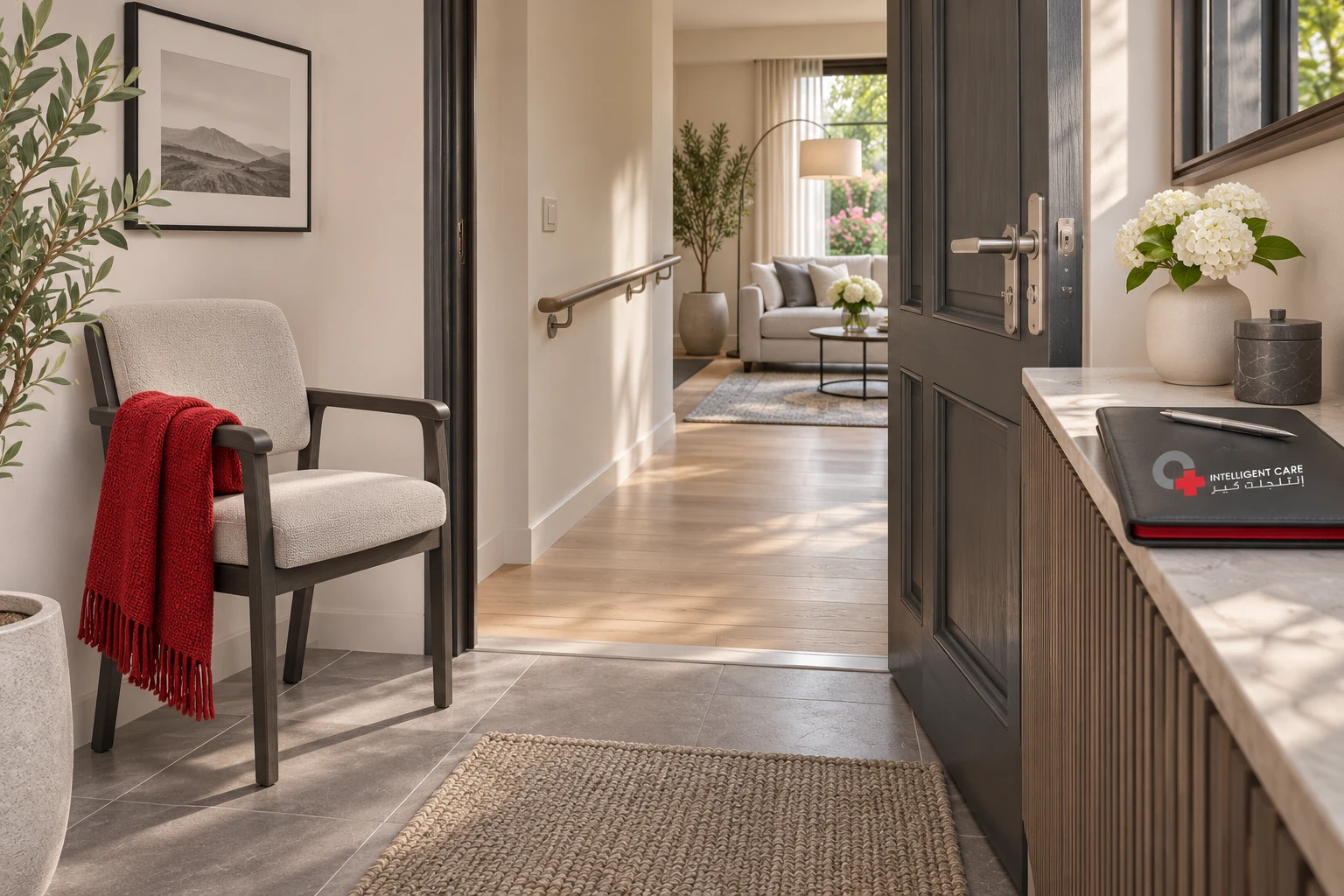
Neurological rehabilitation is not one exercise routine. Parkinson’s disease, multiple sclerosis and other established neurological conditions can affect people differently, and the same diagnosis can involve different priorities over time. Share the confirmed diagnosis, usual pattern and the medical team already involved.
The physiotherapy conversation focuses on relevant movement and function: perhaps getting out of a chair, walking through the home or managing an activity with the assistance available. The clinician considers current ability, fatigue, communication and the medical guidance that needs to shape the visit.
Physiotherapy can support management; it does not cure Parkinson’s disease or multiple sclerosis, replace neurological review or establish a diagnosis from this page. New or unexplained symptoms may need medical assessment before a rehabilitation programme is appropriate.
Read the clinical sourcesThe first assessment
The distinction between a usual pattern and a new concern matters. Share relevant medical information before the home visit.
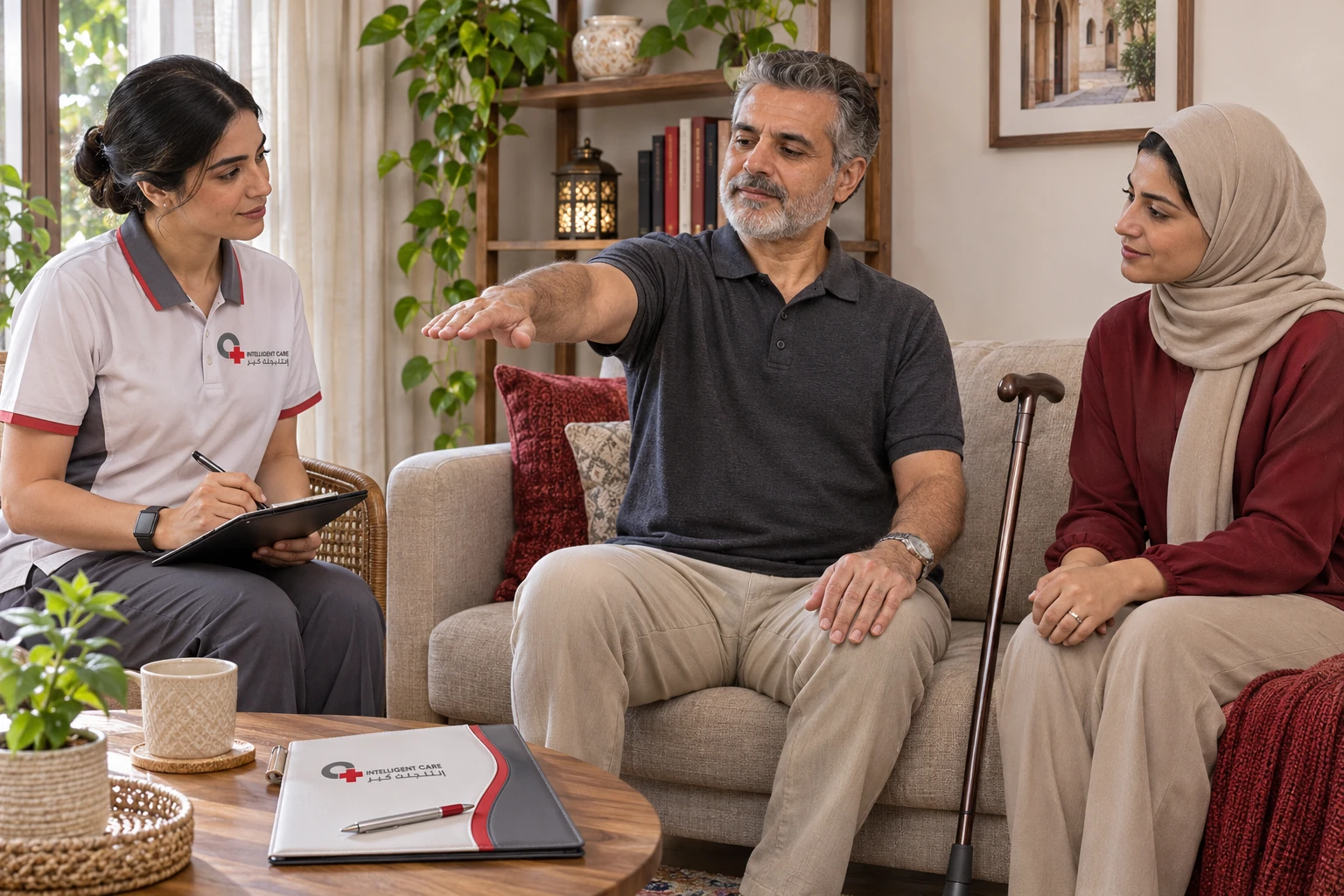
THE CLINICAL CONVERSATION01—04
Review the diagnosis, current medical plan, relevant medicines and existing rehabilitation guidance. Explain recent changes and upcoming specialist review.
Describe movement at different times and choose a practical activity to address. Include communication preferences and the support person the patient wants involved.
Appropriate observation or functional assessment is selected for the person’s capacity and needs. Some findings may require referral or a different setting.
Clarify the guidance, assistance and review points. Identify what remains with the neurologist or other clinicians and how a new change should be reported.
The care pathway
Neurological rehabilitation may need continuing adjustment. These stages organize discussion without promising a recovery timetable.
Combine the medical background, usual pattern and relevant home circumstances.
Agree a practical task and an appropriate starting point.
Discuss how guidance works between sessions and what makes participation easier or harder.
Update the approach or seek another clinical opinion when needs change.
Explore a stage to bring it into focus. Every stage stays visible.
What the care involves
The plan should connect a relevant finding with an activity the person wants to manage. Techniques are chosen individually, not by diagnosis label alone.
| Element | Place in the plan | What to discuss |
|---|---|---|
| 01Individual movement work | Appropriate exercise or task practice can address selected functional priorities. | Why does this activity fit my current assessment? |
| 02Daily activity planning | Discuss how the programme fits periods of better participation, responsibilities and support. | What makes the plan realistic in my usual day? |
| 03Home task and aid review | Consider the environment and the equipment already used for the chosen task. | Is the current setup helping, and who should advise on changes? |
| 04Clinical coordination | Keep rehabilitation aligned with medical guidance and other relevant disciplines. | Which change should go to the physiotherapist, doctor or specialist? |
Before care arrives
Useful observations help the clinician understand the person’s everyday experience. A short account is more useful than an exhaustive diary.
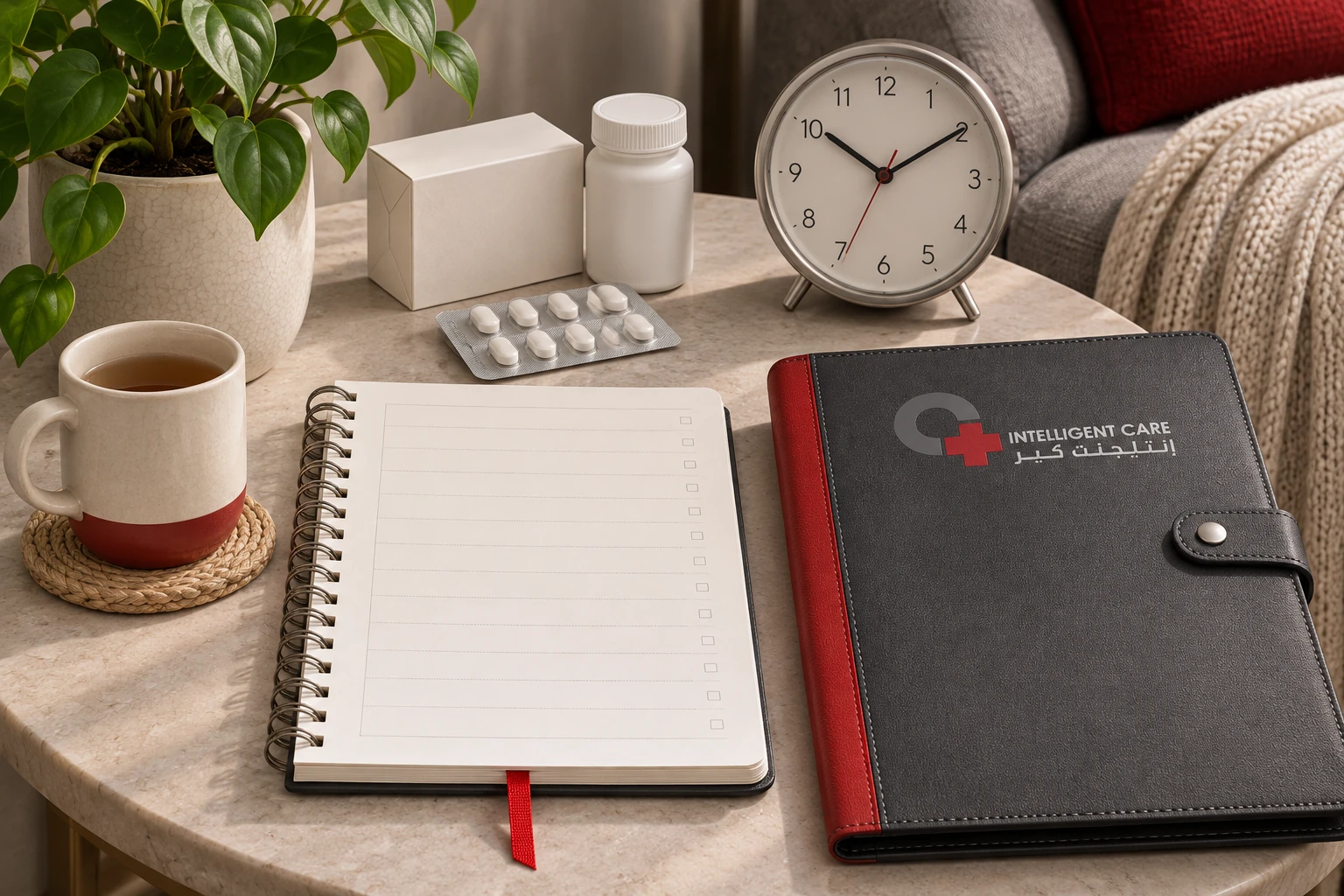
A personal reminder list.
Nothing is sent or saved.
Care around the person
A supporter can contribute useful observations and practical help. The person receiving care should remain involved in choices to the extent they wish and are able.
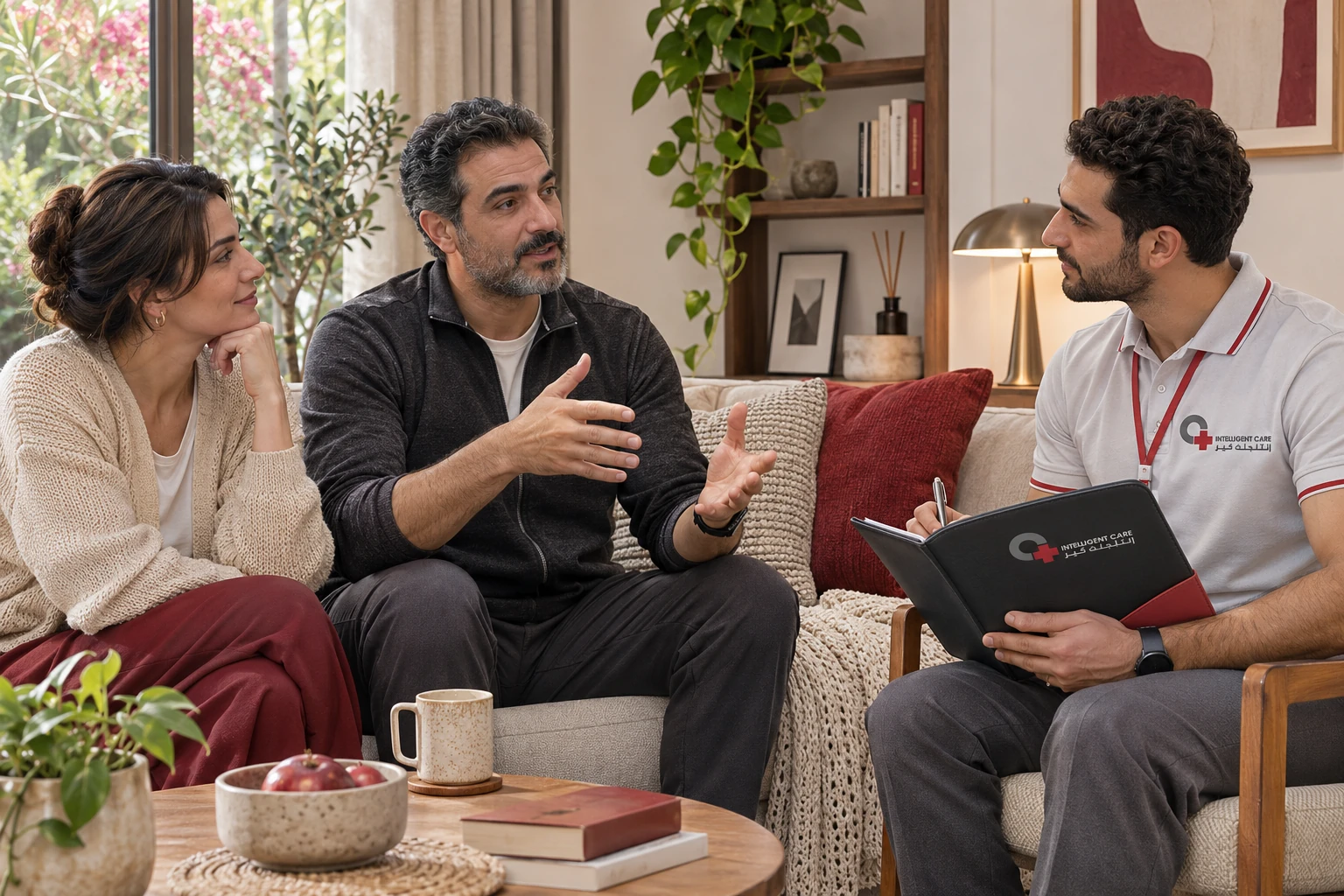
Explain what a typical day looks like and which changes are new. Avoid interpreting every difficulty as progression of the known condition without medical advice.
Ask for instruction for the task you will actually support. Do not add assistance, cues or exercises from another person’s programme without checking suitability.
Tell the team who is available and what help is realistic. A sustainable plan should not depend on untrained handling or unlimited family supervision.
Continuity of care
An effective review considers practical function and the changing context around it. The same task may not feel the same every day.
Discuss the task, assistance and confidence in a recognizable situation. Avoid reducing the whole plan to a single generic score.
Explain when the programme works well and when it is difficult. The clinician can consider whether the plan needs adjusting or another review is required.
Confirm that the person and any helper understand the current instructions and limits. Revisit guidance when the household or support arrangements change.
Report new or concerning symptoms to the appropriate clinician. An existing diagnosis should not prevent a new problem from being assessed on its own merits.
People and responsibilities
Care works best when you know who assesses, who arranges and who follows up. Named editorial profiles do not select the clinician attending your appointment.
Assesses movement and function, agrees practical goals and adapts the rehabilitation plan within the relevant clinical restrictions.
Provides diagnosis, surgical restrictions or other specialist instructions when these are needed to guide rehabilitation.
Helps match the request to the appropriate service, coordinates the first appointment and clarifies any additional requirements.
Choose meaningful goals, explain what happens between sessions and agree what information may be shared.
Read the real team profiles and their professional-directory references. Your assigned professional and the scope of care are confirmed through the care arrangement.
Meet our clinical teamWhen to seek medical help
A sudden or significant change may need medical care rather than routine rehabilitation. These examples are not an exhaustive assessment.
Immediate medical attention
Prompt clinical assessment
Practical arrangements
Choose a free initial assessment, one home session or a ten-session plan. Discuss whether the selected option suits your needs; buying more sessions does not guarantee a particular recovery.
Share the building or hotel, access instructions and any stairs or transfer difficulties. Tell the team about space, equipment and communication needs before the visit.
The ten-session plan books the first appointment now; arrange later sessions with the team. Insurance eligibility and any required documents are checked for the individual policy, not presumed from the service name.
Your questions
No. The established condition, current findings, goals and medical guidance shape the plan. Two people with the same diagnosis may need different approaches or levels of support.
This page does not diagnose either condition. New or unexplained symptoms need appropriate medical assessment; a home rehabilitation request should not replace that process.
No cure is promised. Physiotherapy may support movement and function as part of management, while medical and specialist care continue according to the individual condition.
Explain the usual pattern and any medical advice already given. Discuss appointment timing and programme demands with the team rather than changing medicine or activity rules yourself.
Share relevant information and existing instructions if available. The team may need clarification from the treating clinician before considering particular rehabilitation needs.
Discuss the specific assistance needed and the carer’s capacity. Any instruction should match the assessment, equipment and patient’s preferences; support should not rely on improvised handling.
The clinician should explain the concern and the appropriate next route. Some goals or medical needs require another setting, specialist review or additional disciplines.
Agree meaningful goals and review points. Continuing should have a clear purpose related to the person’s needs, not an automatic assumption that more sessions will produce a particular outcome.
Expertise with a name
Explore the named clinical profiles, their professional roles and their Dubai Health Authority directory records.
Author assignment
General Practitioner
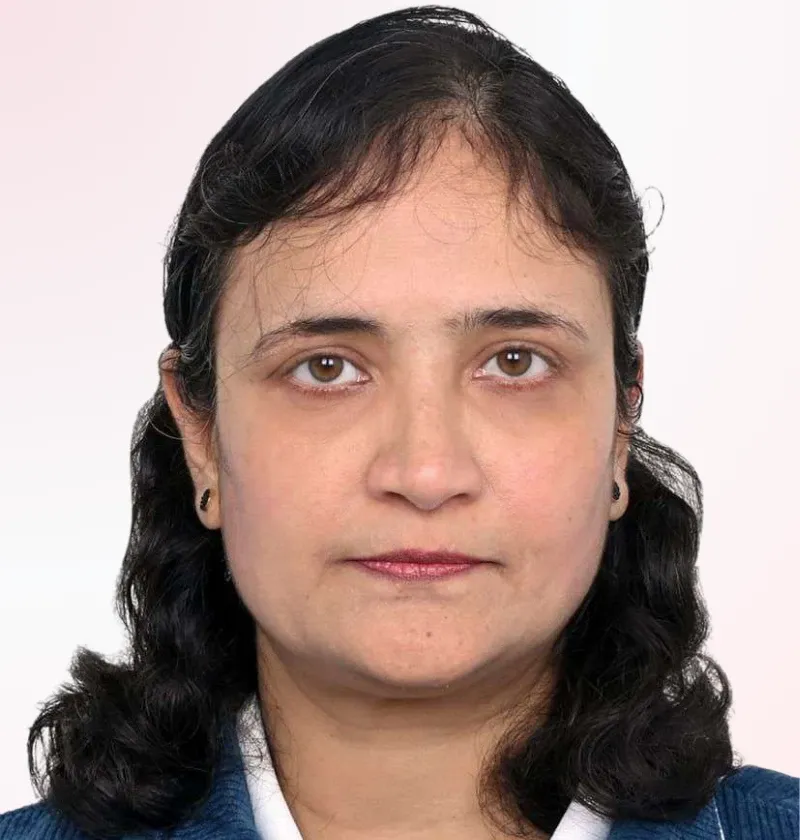
Dr Toqa Ibrahim is a DHA-licensed General Practitioner with Alpha Intelligent Care Home Healthcare Center. Her clinical profile brings the general-practice perspective into our approach to care at home.
Review assignment
Specialist Clinical Pathology
Dr Nirupama Sabhapathy is a DHA-licensed Specialist in Clinical Pathology at Intel Lab. Her published Intel Lab profile describes more than 25 years in medicine and her role as Laboratory Director.
Professional registration describes each clinician’s role. The clinical assessment and the person responsible for your care are confirmed separately.
More care guides
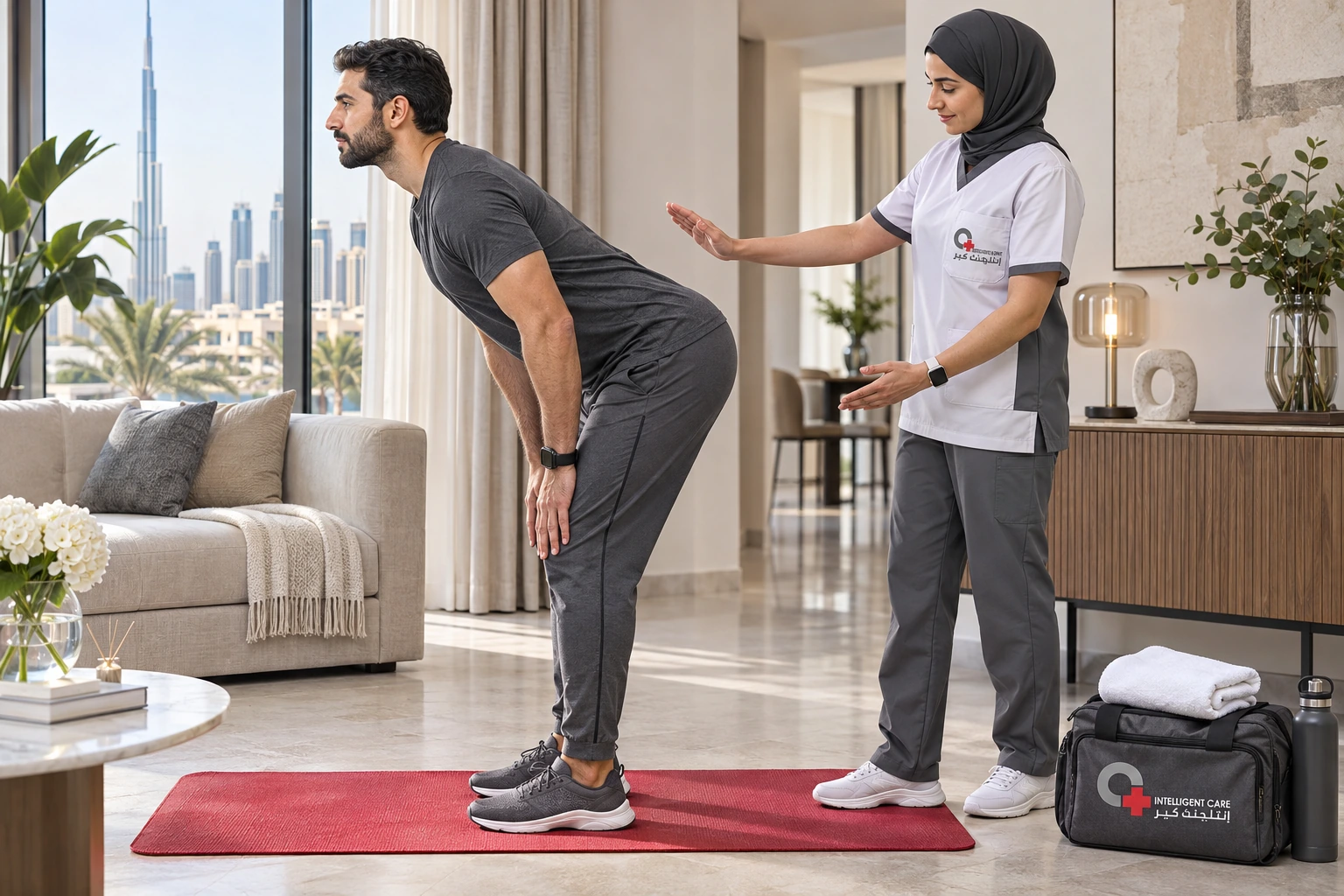


The wider picture
Explore related support, or speak to us about combining services into one plan.
About this guide
General information supports the care conversation; your own assessment determines the plan. Company service information and independent clinical guidance are listed separately below.
Care that comes to you
Across Dubai.
Abu Dhabi — coming soon.