01
Employees
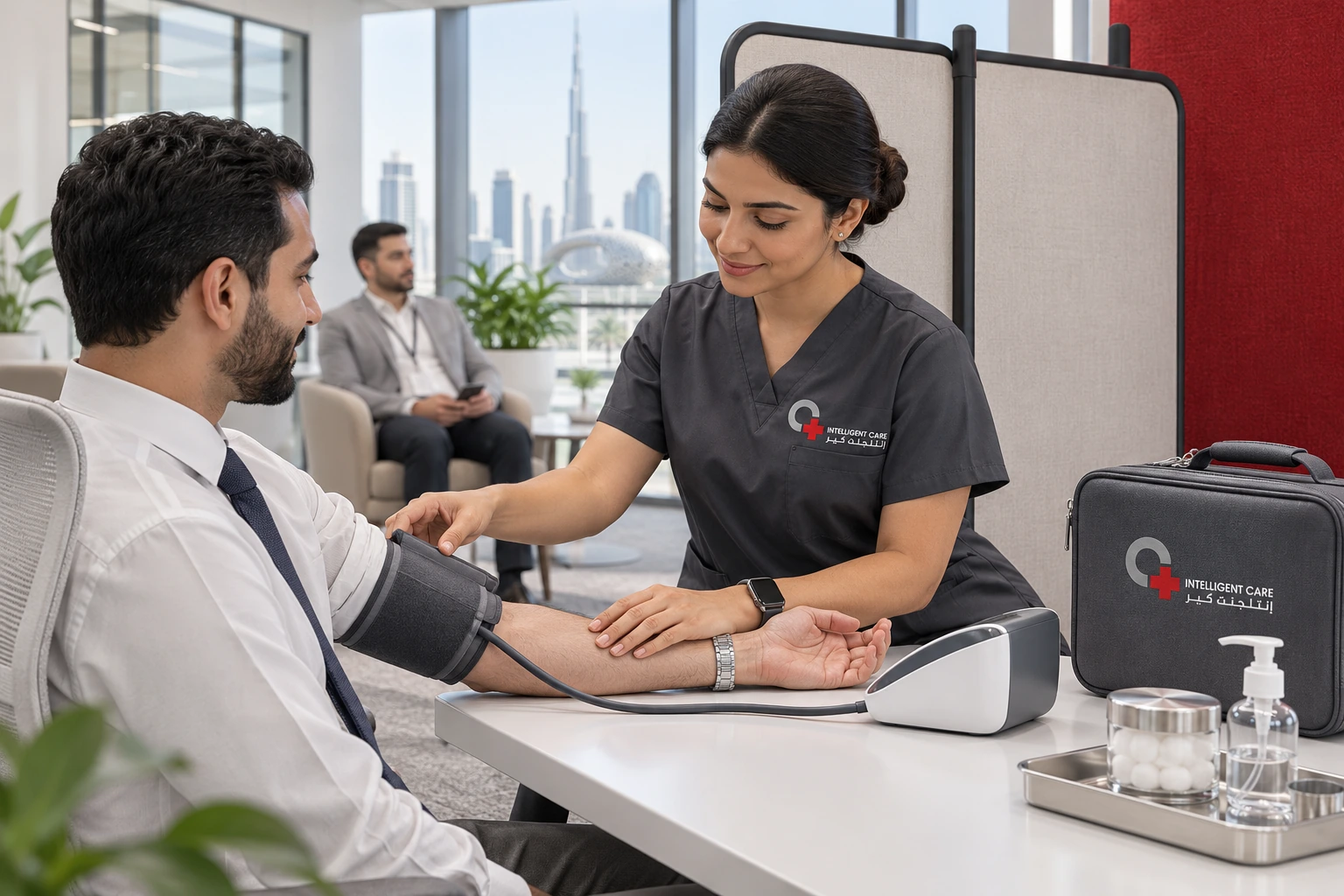
Connect the health topic with everyday life and the work environment, without turning a group session into an individual assessment.

Health awareness · Your organization
Clinician-led talks, workshops and health initiatives for organizations and academic institutions. Shape the topic, audience and follow-through around what your people need to understand.

Your next step
Build a campaign brief with a clear audience, purpose and format. Select educational themes to discuss; clinical screening and individual care are scoped separately.
Start with the audience
Useful education begins with the people in the room. Their age, working environment, language and prior understanding shape the examples, questions and format. The brief should explain what you want the audience to take away.
Connect the health topic with everyday life and the work environment, without turning a group session into an individual assessment.
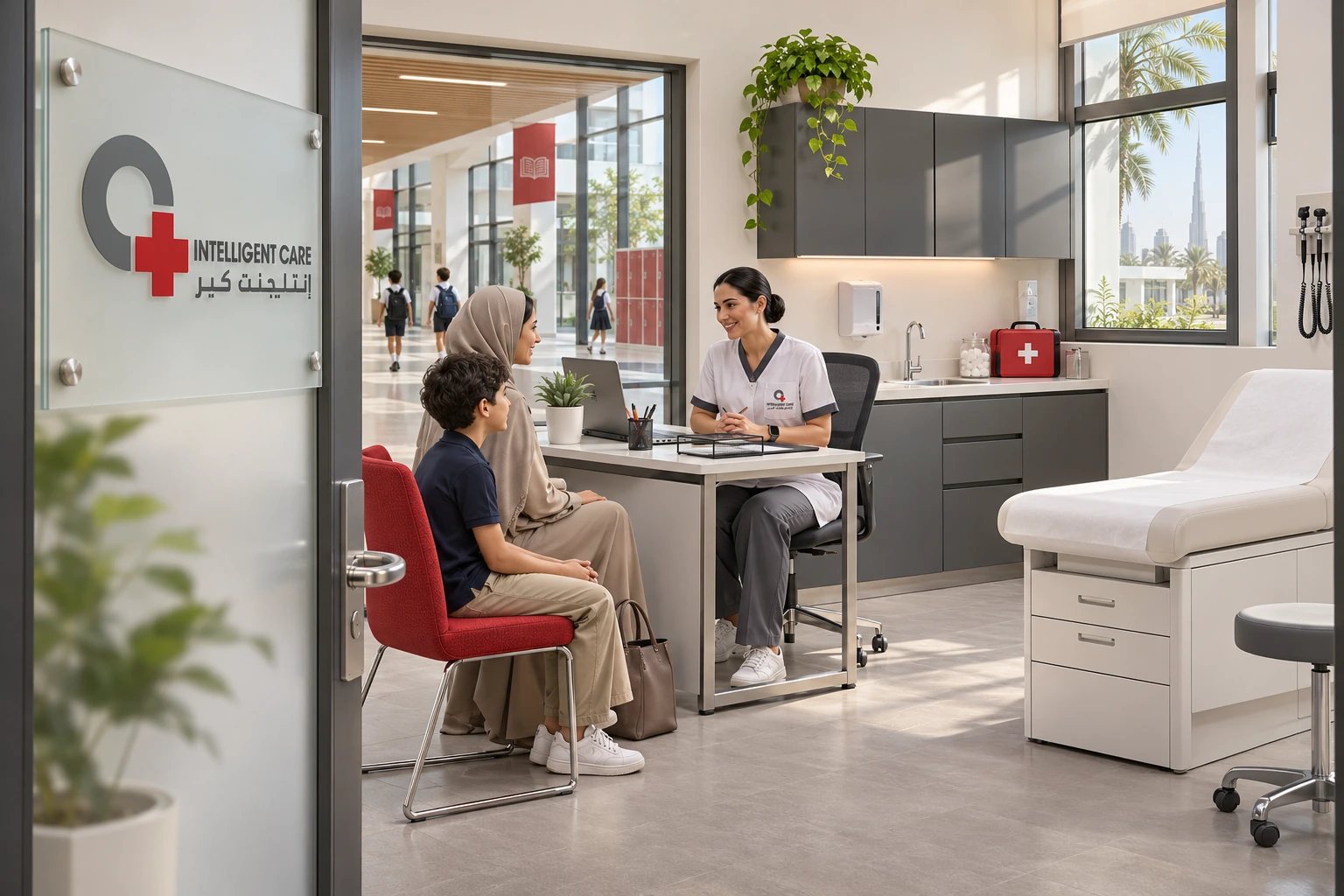
Develop age-appropriate content and coordinate with the institution’s education, consent and safeguarding arrangements.
Shape practical learning around their own wellbeing and the questions relevant to campus life.
Consider language, accessibility, cultural context and how participants can find appropriate further support.
Choose a meaningful focus
These are educational themes to discuss when planning an initiative. Content and clinical participation are selected for the audience and objective; a campaign does not diagnose a condition, establish a screening need or replace personal medical advice.
Explore risk-factor awareness, questions people can raise with a clinician and the role of appropriate assessment.
Create space for informed questions, awareness of changes and discussion of appropriate clinical pathways.
Make general health information understandable and connect the session with useful, realistic daily questions.
Discuss movement, work demands and when a concern may benefit from professional assessment.
Plan a relevant educational conversation for the institution or workforce, with content reviewed for the specific topic.
Help people understand why personal history, age and clinical context matter when discussing health checks.
Build the right experience
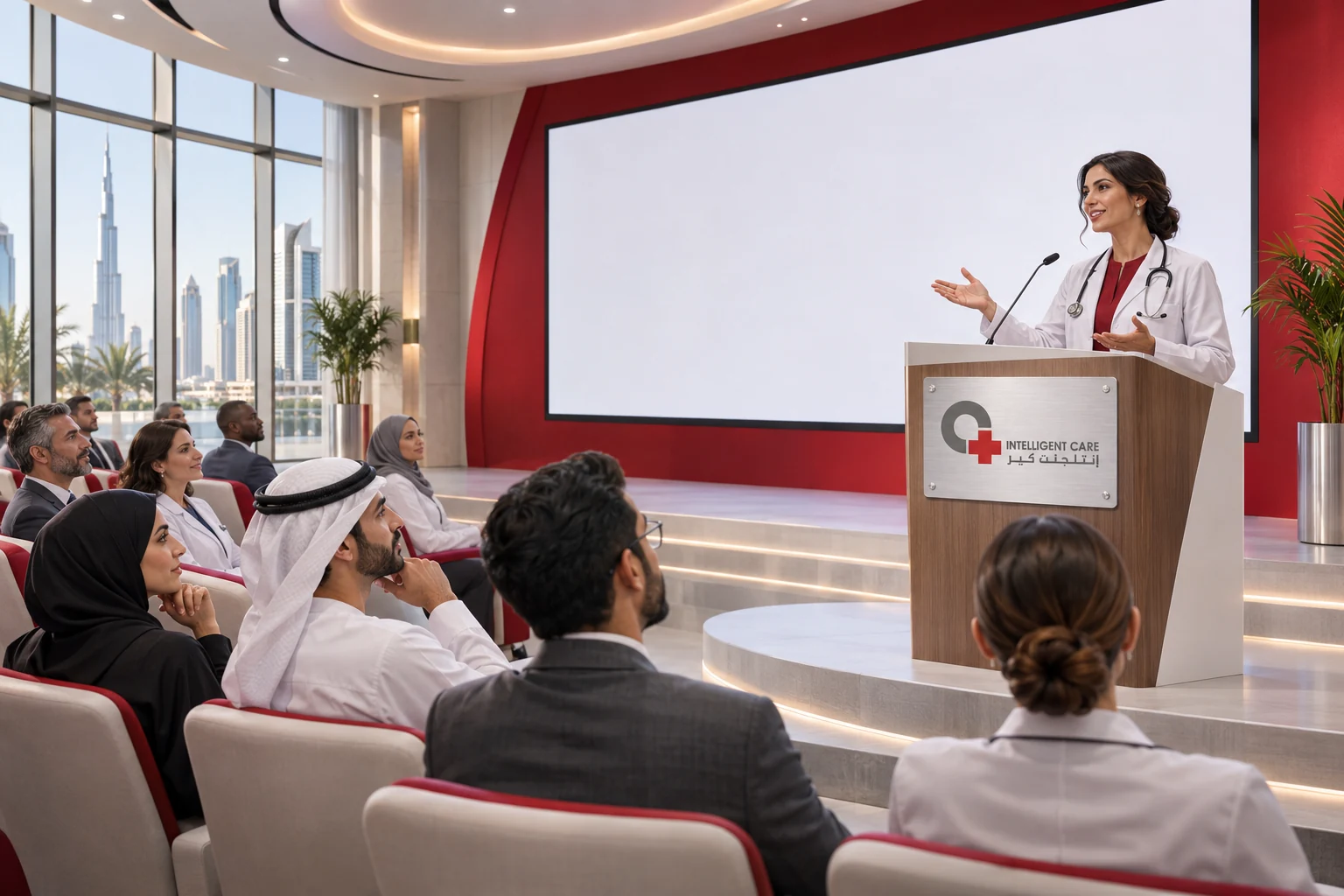
The format should help the audience participate. A short presentation can introduce a topic; a workshop creates room for questions and practice; a series gives the organization opportunities to revisit the conversation.
Build the right experience
A focused explanation followed by moderated questions, with a clear route for private clinical concerns.
Smaller-group discussion and appropriate activities that support the learning objective.
A coordinated event with education, information and any separately agreed clinical activities.
Several sessions that build around a program objective and feedback from the audience.
From idea to delivery
An effective initiative has more than a speaker and a date. It needs a defined objective, appropriate clinical input, audience communication and practical arrangements that make participation straightforward.
Agree who the initiative serves, what it should explain and the format that fits.
Develop the content, clinical participation, materials and event responsibilities.
Confirm the venue, audience communication, accessibility, timing and any consent requirements.
Run the agreed session or event, with appropriate moderation and handling of individual questions.
Provide the agreed takeaway and next-step information, then review useful feedback.
Useful content is carefully considered
Health education should be understandable without losing its meaning. The preparation process considers the audience’s knowledge, the evidence behind the topic and the difference between general guidance and a personal clinical recommendation.
Explain terms, use concrete examples and make the main point easy to follow.
Adapt the framing, language and participation format to the organization or institution.
Keep individual assessment, diagnosis and treatment decisions in the appropriate clinical setting.
A program over time
A series can follow your organizational priorities rather than an arbitrary list of awareness dates. Plan around the academic year, onboarding periods, work patterns or an existing wellbeing program. The dates and themes are agreed for your initiative.
Begin with the topic and questions most relevant to the audience.
Create opportunities for discussion, practical learning or an appropriate linked activity.
Make the next steps and routes to individual care understandable.
Use participation and feedback to decide what the next session should address.
Awareness can open a door
A person may leave a session with a question about their own health. The program should make it clear how to seek individual advice. Where screening is proposed, its purpose, suitability, consent and reporting are planned as a separate clinical activity.
Understand the topic and the limits of general educational information.
Give participants an appropriate way to raise questions, including private concerns.
Route individual clinical needs to a professional consultation or appropriate service.
Explain how the person receives advice or findings and what further care may be discussed.
The day itself
An event layout should make the learning area easy to find and clinical activities clearly separate. Access, scheduling and private conversations deserve as much attention as the presentation.
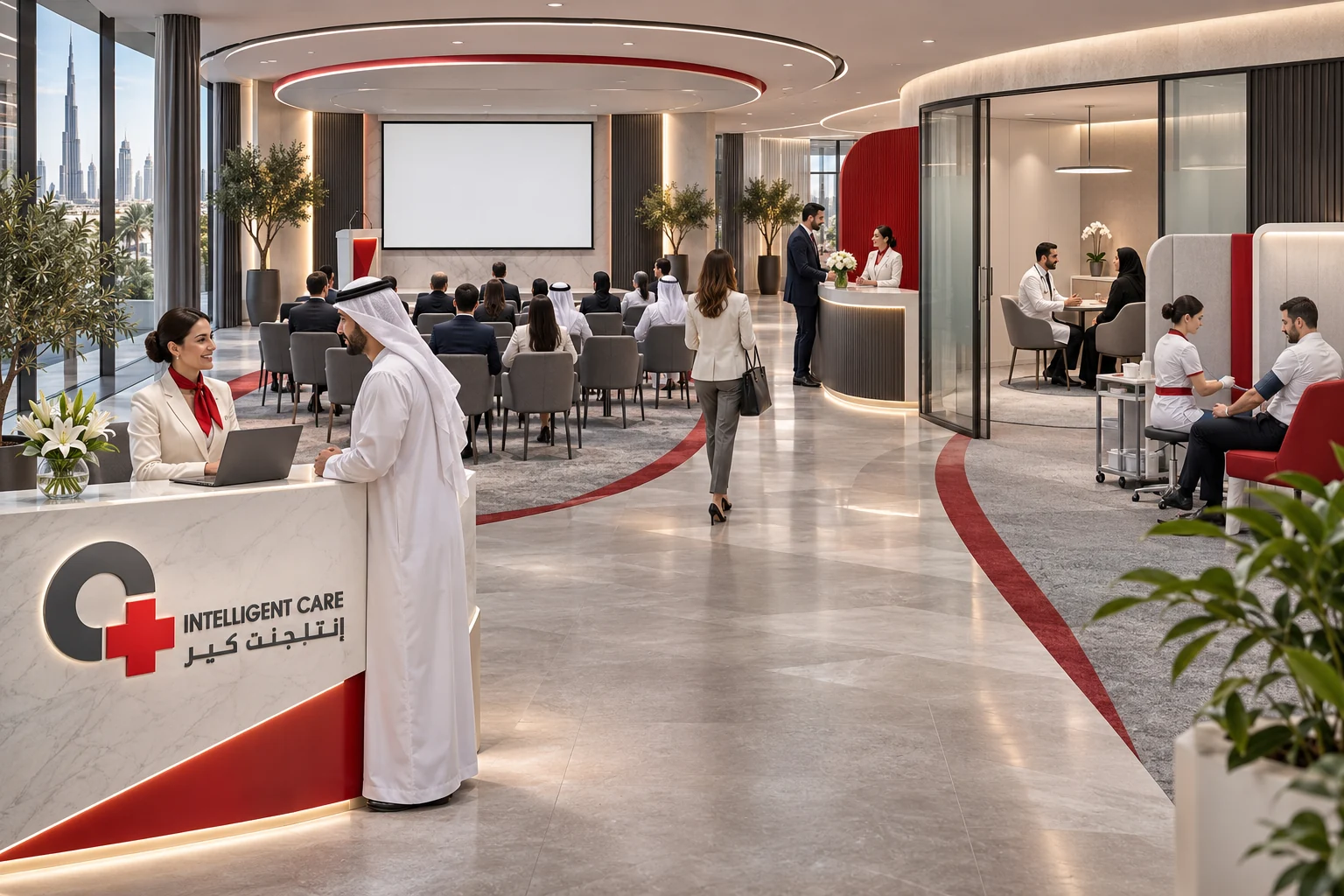
A clear arrival point, program information and a contact for practical questions.
Sight lines, sound, accessible seating and a format suitable for the audience.
A suitable area for personal questions when individual clinical participation is part of the agreed scope.
Separate consent, preparation and delivery arrangements for any screening or consultation included.
The right expertise
The clinical contribution should fit the topic and the audience. The planning conversation establishes the relevant expertise, session scope and boundaries for questions, especially when the program connects to assessment or screening.
Provides the agreed educational input within professional scope and helps clarify the route for individual concerns.
Coordinates the audience, venue, communication and the internal contacts relevant to the initiative.
Brings the content, materials, schedule and follow-through together within the agreed brief.
Before, during and after
Materials should help people understand the topic and remember where to go next. The content toolkit is scoped to the initiative: clear invitations, accessible session materials and an appropriate takeaway can support the same central message.
Before, during and after
An invitation that explains the subject, who it is for and what participation involves.
Readable presentation material, suitable discussion prompts and clear handling of questions.
A concise takeaway, relevant further reading and the agreed routes to personal advice or care.
Make room for a conversation
Interactive formats need an intentional structure. Small-group questions, discussion prompts or suitable demonstrations should help the audience understand the topic rather than turn participation into entertainment or a diagnosis exercise.
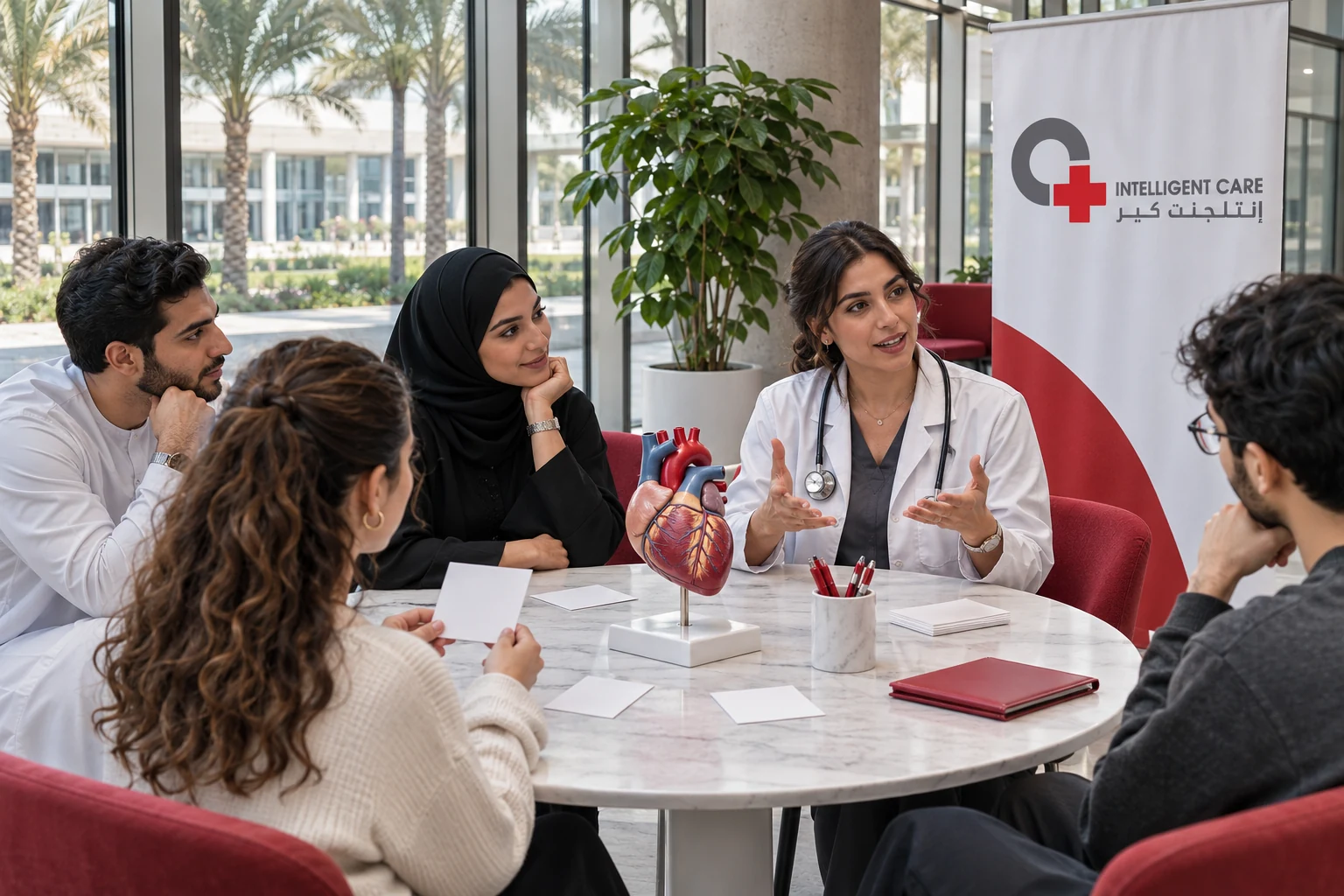
Make room for a conversation
Use a format that helps people ask without pressure to share personal medical information publicly.
Choose activities that support the learning objective and the audience’s context.
Summarize the relevant message and how participants can seek further information or individual support.
Review the right outcomes
The review should reflect what an awareness initiative can establish. Attendance and feedback can help improve the next program; they do not prove that disease was prevented or that productivity improved. Agree the useful measures in advance.
DEFINE YOUR REPORTINGWho was invited, who attended and which groups the initiative reached.
Questions, discussion and engagement with the agreed activities.
Appropriate feedback about clarity, relevance and what participants found useful.
Requests for further information, agreed follow-through and ideas for the next initiative.
Agree what the initiative should achieve and how useful feedback will be collected.
Your questions
The wider picture
Explore related support, or speak to us about combining services into one plan.
Built around your organization
Across Dubai.
Abu Dhabi — coming soon.