 Personal care & companionship
Everyday independence
Their home. Their life.
A little help where it matters. Familiar routines, thoughtful personal support and more room for the things they enjoy.
Personal routinesMeals & mobilityCompanionship

ELDERLY CARE AT HOME · DUBAI
Professional caregiving and licensed nursing for older adults in Dubai. Support that respects their independence, comforts their family and fits the life they know.
Explore care & pricingPersonal care & companionshipA little help where it matters. Familiar routines, thoughtful personal support and more room for the things they enjoy.
 A person-centred approach
Calm communication, meaningful activities and a consistent routine, shaped around the person and their clinical advice.
 A supported return home
Bring the discharge instructions, practical help and appropriate nursing or rehabilitation together around recovery.
 A sustainable family rhythm
Daytime, overnight or longer support. Share the responsibilities while keeping your loved one’s choices at the centre.

LET’S ARRANGE YOUR CARE
Leave your details. Our patient care team will help you find the right support.
We’ll discuss the right care and availability with you.INTELLIGENT CARE · ELDERLY CARE IN DUBAI
We provide elderly care at home through professional caregiving, licensed nursing and coordinated clinical support. From personal care and daily mobility to dementia support and recovery after hospital, the starting point is the person — and the life they want to keep.
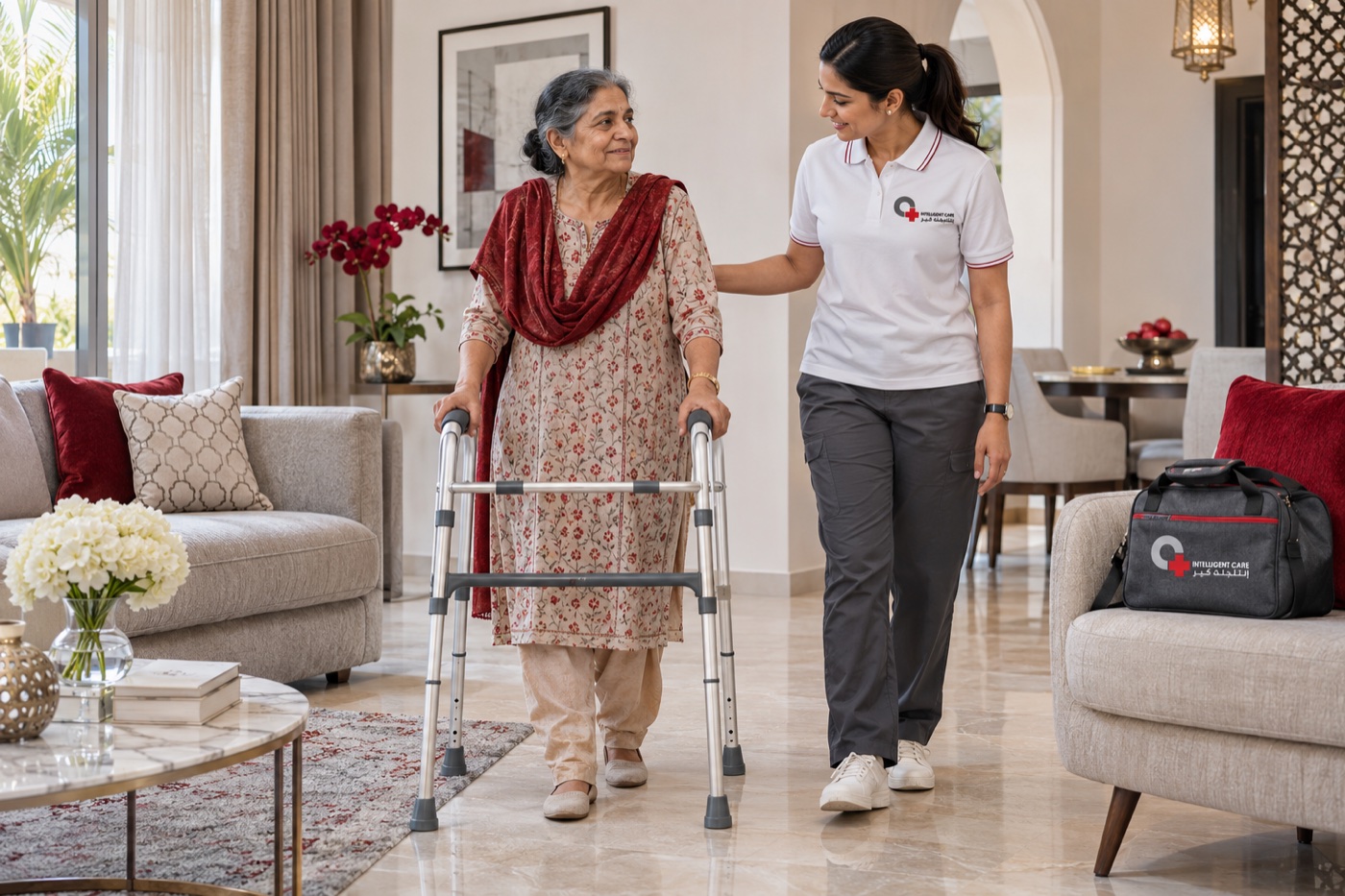
Thoughtful support for the person. A clearer plan for the family.
Start with what they enjoy, what they still manage independently and where support would be welcome. We listen to the older person and the family before proposing a care arrangement.
A professional caregiver assists with agreed daily activities and companionship. A licensed nurse manages assessed clinical duties. Where medical review or rehabilitation is needed, we coordinate the appropriate service.
Agree the responsibilities, frequency, points of contact and how changes will be shared. The plan can evolve with health, mobility, family availability and the person’s wishes.
CARE OPTIONS & STARTING PRICES
Choose everyday caregiving or licensed nursing, then a short- or long-term arrangement. We confirm the duties, schedule and final quotation before care starts. All plans begin with a conversation.
Licensed clinical care, matched to your assessed needs.
Minimum 3 hours per booking
From AED 447 · minimum 3 hours
Minimum 3 hours per booking
From AED 300 · minimum 3 hours
8 hours of duty
An 8-hour shift. Add hours at AED 100 per hour, up to 12 hours a day.
AED 599 · up to 12 hours
8 hours of duty
An 8-hour shift. Add hours at AED 100 per hour, up to 12 hours a day. Everyday assistance only; clinical procedures require an appropriately licensed professional.
AED 400 · up to 12 hours
7 days · continuity of care
A week of continuous care, with consistent professional support for recovery at home.
Clinical suitability & duties assessed7 days · continuity of care
A week of continuous care, with consistent professional support for recovery at home. Everyday assistance only; clinical procedures require an appropriately licensed professional.
Everyday assistance · clinical tasks require a nurse15 days · daily hours agreed
A sustained care arrangement for recovery or the transition home. Daily duties and hours are agreed.
Clinical suitability & duties assessed15 days · daily hours agreed
A sustained care arrangement for recovery or the transition home. Daily duties and hours are agreed. Everyday assistance only; clinical procedures require an appropriately licensed professional.
Everyday assistance · clinical tasks require a nurse24-hour coverage · coordinated team rota
Round-the-clock coverage, planned through a coordinated rota and regular handovers.
Clinical suitability & duties assessed24-hour coverage · coordinated team rota
Round-the-clock coverage, planned through a coordinated rota and regular handovers. Everyday assistance only; clinical procedures require an appropriately licensed professional.
Everyday assistance · clinical tasks require a nurseA tailored annual arrangement
A consistent care team and a personal annual plan. Monthly or prepaid arrangements are agreed with you.
Clinical suitability & duties assessedA tailored annual arrangement
A consistent care team and a personal annual plan. Monthly or prepaid arrangements are agreed with you. Everyday assistance only; clinical procedures require an appropriately licensed professional.
Everyday assistance · clinical tasks require a nurseCare for real life
Explore the care situations below. We match the professional, responsibilities and schedule to the person — with clinical suitability assessed before care begins.
Familiar routines and coordinated support for the person and family.
Share familiar routines, communication preferences and the current diagnosis. Sudden confusion needs immediate medical help.
Support safe everyday movement around the home.
Describe walking, transfers, falls, equipment and which activities the person wants to do independently.

Assistance that respects preferences, privacy and independence.
Discuss dressing, washing and other personal routines with the person’s privacy and choices at the centre.

Help follow the agreed medication routine.
Clarify reminders, practical help and clinical administration; these involve different responsibilities.

Support meals and nutrition around individual needs.
Share preferences, current dietary advice and any difficulty with eating, drinking or swallowing.
Coordinate nursing, rehabilitation and daily support after discharge.
Use the discharge plan to identify temporary support, restrictions and the next clinical review.
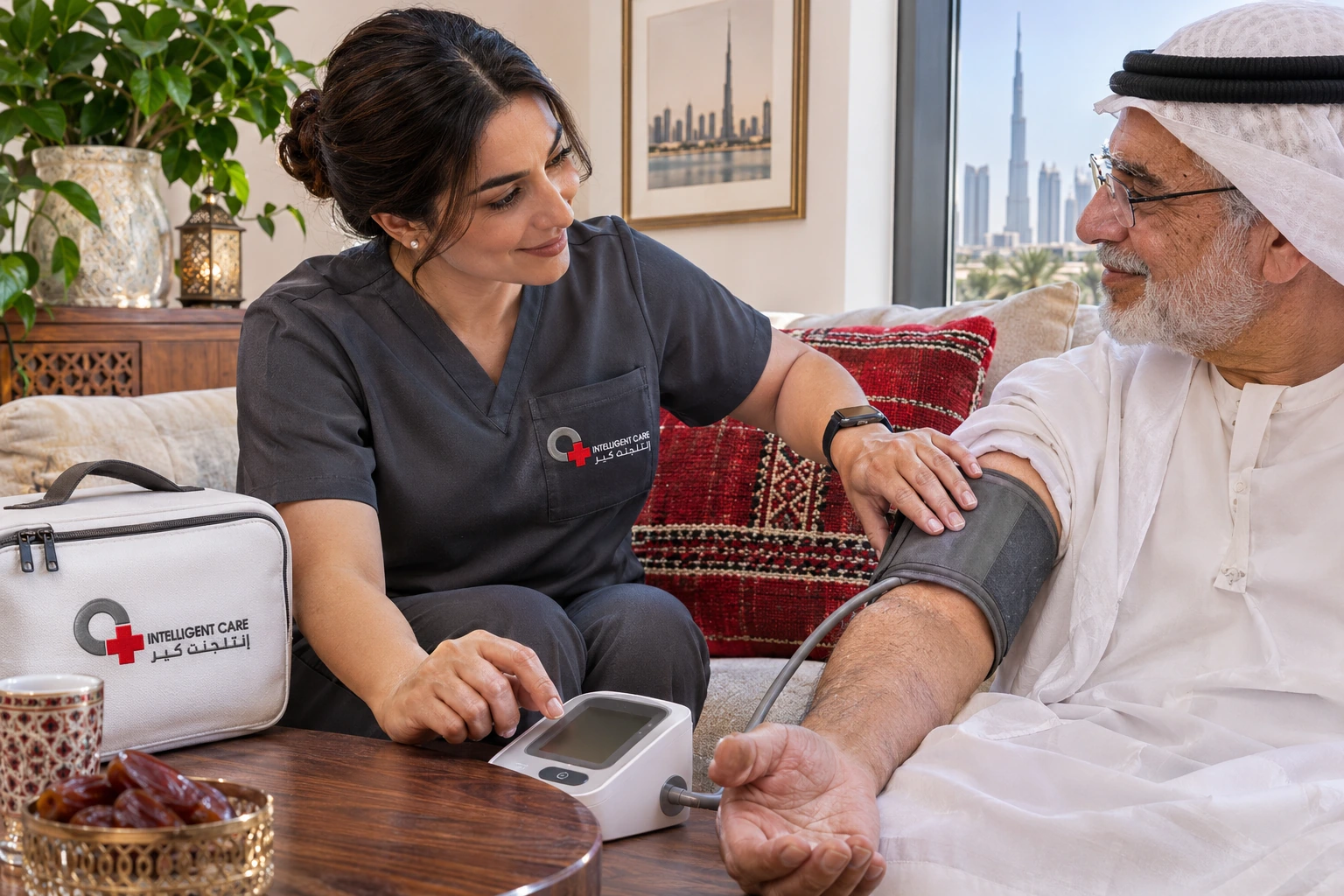
Coordinate ongoing observations and clinician involvement.
Keep existing diagnoses, monitoring instructions, medicines and specialist contacts together.
Help the person stay connected to everyday life.
Start with meaningful conversation, activities and relationships the person values.
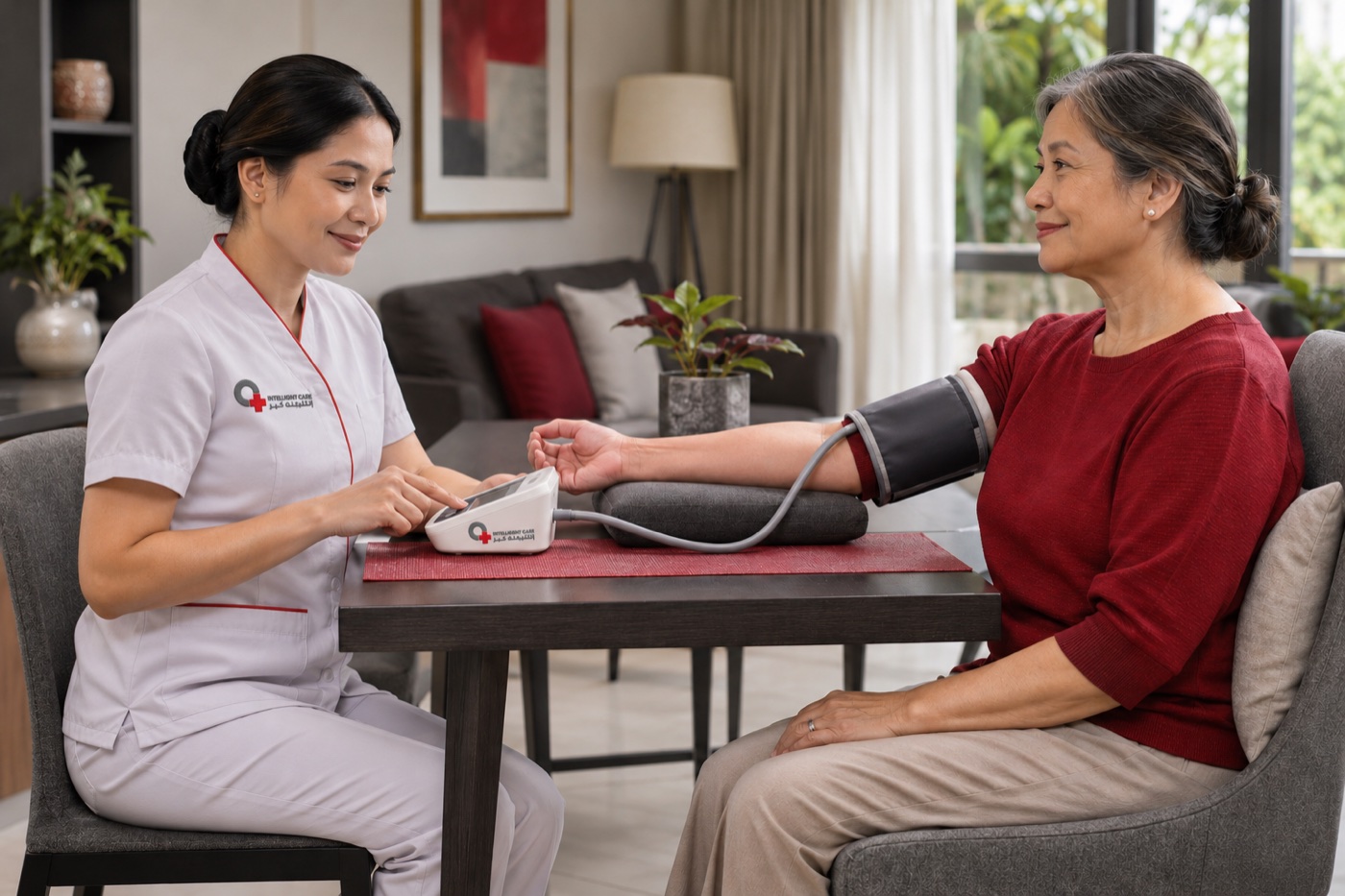
Observations matched to the clinical care plan.
Discuss changes from the person’s usual health or function and who should receive updates.

Keep the family and involved clinicians connected around one plan.
Agree family contacts, consent for communication and how medical, nursing and rehabilitation input will connect.
Sudden confusion needs immediate medical help; do not assume it is part of dementia. New or rapidly worsening illness, severe breathing difficulty or collapse should not wait for a routine care discussion. Home support is arranged for an appropriate setting. Sudden facial or arm weakness, or new speech difficulty, also needs emergency help. Call 998.
Recognising the need
Support needs may develop gradually or become clear after an illness, injury or hospital stay. A conversation with the person and family can identify what is changing without taking over the parts of life they still manage well.
Listen first.Personal hygiene, dressing, meals or household routines may need more time or assistance. Ask which tasks are difficult and what kind of help the person would welcome.
Missed or uncertain doses, several prescriptions or a recent change in treatment are reasons to review the routine with the clinical team. Practical help and clinical medication responsibilities should be distinguished.
Difficulty getting up, walking or transferring can affect independence. Share recent falls, injuries, mobility equipment and the treating clinician’s advice when planning support.
Caregiver fatigue and limited availability matter too. An agreed support arrangement can make responsibilities clearer while keeping the person’s preferences central.
The right professional
The role follows the need. Explore the distinction before choosing a care plan — and ask us if you are unsure which level fits.
Clearly defined duties.A licensed nurse provides assessed clinical duties, with prescribed care and appropriate reporting. Nursing is chosen for the clinical task — not simply for a longer shift.
Nursing medication responsibilities, vital signs and changes in health follow the assessed clinical plan. A caregiver’s reminders and practical help are different from administering prescribed clinical treatment.
A nurse can assess agreed nursing needs and carry out prescribed dressings and skin-care duties. Pressure-related concerns, new wounds or worsening skin need appropriate clinical review.
The discharge instructions, existing diagnoses and treating team’s advice guide nursing duties. Medical decisions and rehabilitation plans remain with the appropriate clinicians.
Professional caregivers support the practical rhythm of daily life, with dignity, choice and independence at the centre.
Assistance with washing, grooming, dressing and toileting should protect privacy, explain each step and involve the person as much as possible.
Practical mealtime support can sit alongside prescribed nutrition advice. Tell the team about swallowing concerns, dietary requirements and any established feeding plan.
Support with transfers and daily movement follows the person’s ability and any clinical guidance. Physiotherapy can be coordinated where an individual assessment indicates a rehabilitation need.
Conversation, hobbies, visits and familiar activities can be part of daily support. The person’s interests and energy guide the day rather than a generic activity schedule.
Limited mobility, disturbed sleep or skin changes deserve attention in the care discussion. Share prescribed positioning or skin-care instructions and any pressure-related concern. The team can clarify where practical assistance ends and a nursing or medical assessment is needed.
Ask what the person wants to keep doing and how they would like support to be offered. Explain the care, respect privacy and make their preferences part of the plan. Tell us about hearing or vision difficulties and the communication approach they prefer.
Agree who handles each task, the professional level required and what is included in the arrangement. Clinical procedures must not be assigned to a caregiver as a lower-cost substitute.
Doctors, physiotherapy, laboratory services and other clinical input can be coordinated when appropriate. Each additional service and its arrangements are clarified with you.
Familiarity and connection
Memory changes, several long-term conditions or recovery after hospital can make care more complex. A useful plan connects the practical routine with the clinical advice and the people involved, so responsibilities remain understandable.
Familiar routines.Familiar routines, calm communication and the person’s history can help shape support for someone living with dementia. The approach is individual and remains connected to the treating team.
Nursing, medical review, wound care, observations or medication support may be appropriate. Each clinical task needs a defined scope and the right professional.
Agree who receives updates, what information is useful and how concerns will be raised, respecting the person’s consent and preferences. Family involvement can be close even when relatives live elsewhere.
An illness, a change in mobility or different family circumstances can alter the plan. Review the level of assistance and clinical input instead of assuming yesterday’s arrangement still fits.
Before care begins
A useful first assessment includes the person’s health, their environment and the support already available. Bring their preferences into the discussion.
Your checklist stays on this page. Share medical documents directly with your care team.
SMART HEALTH. WITH YOU.
Daily priorities, care notes and family conversations belong together. Explore how the older person, family and care team can stay connected on either screen.
Keep the selected service, person, location and agreed appointment in view. A visit and an ongoing care plan have different arrangements; the care team helps coordinate the details.
Doctors, nurses, physiotherapists and laboratory services can contribute different parts of your care. The important connection is what each person is doing, why, and when the plan should be reviewed.
Laboratory findings, changing symptoms and progress at home can all affect the next step. Keep your questions and relevant records together for the conversation with your clinical team.

 Smart Health
One place for the next step.
Appointment request
Service and contact details are ready for the care team.
Clinical review
The team reviews your needs and confirms the appropriate care.
Agree with your team
Agree the care duties, schedule and home setting with your team.
Care tasks, responsibilities and review are agreed with your team.
Keep questions and changes in how you feel ready for your clinical conversation.
Speak with your care teamKeep relevant reports and previous treatment information together for the next clinician.
Relevant records & care notesONE CONNECTED EXPERIENCEExplore the visit, plan and follow-up on either screen.
Explore the everyday
Select a place in the room. See how a thoughtful support plan connects independence, familiar routines and everyday wellbeing.

Walking, transfers and access around the home should reflect the person’s abilities and any rehabilitation advice. Discuss equipment, recent falls and where help is needed.
A favourite photograph, a familiar activity or a conversation in a preferred language can shape a more personal routine. Memory support starts with knowing the person.
Discuss food preferences, assistance with meals, prescribed diets and any concerns about swallowing or drinking. Clinical advice guides special nutrition and fluid requirements.
A day in their life
Care can be planned around meaningful parts of the day while keeping clinical instructions in view. This is a conversation about the person’s life, not a preset timetable.
Personal care, dressing, breakfast and the start of the day: identify where assistance is welcome and where independence should be preserved.
Ask what they want to manage themselves and where help is welcome.
Personal care, dressing, breakfast and the agreed medication routine fit around their usual rhythm.
Share a change in comfort, alertness or ability with the appropriate care team.
Meals, activities, mobility, appointments and rest can be coordinated with family preferences and the care plan.
Conversation, hobbies and visits can keep the day meaningful.
Transfers, walking and planned activity follow individual ability and clinical advice.
Respect preferences, hydration or dietary guidance and any swallowing concerns.
Discuss comfort, access to help and any assessed overnight needs. The required level of support is agreed individually.
Respect evening rituals, privacy, comfort and the person’s preferred bedtime.
Clarify the help needed, the professional role and how someone can call for assistance.
Share relevant care notes and concerns for the family or next professional.
Your care journey
Select a step to see how your request becomes coordinated care at home.
Your needs, your home and the people already involved.
We listen to preferences, routines, concerns and the support already in place.
Professional skills, clear responsibilities and an agreed schedule.
The team considers daily-living help, clinical needs, mobility and the home environment. Define the professional roles, schedule and priorities together.
The appropriate care, in familiar surroundings.
The appropriate care and clinical resources work to the agreed plan.
A useful handover and a clear next conversation.
Review changes, share concerns and adapt support as the person’s needs evolve.
Arranging your care
The care needs come first. We will help you understand the practical arrangement and who is paying before support starts.
A CLEAR PERSONAL ARRANGEMENT
Choose the appropriate professional and schedule. Our team confirms the care duties, starting quotation and payment arrangements with you before care begins.
Share the care requirements, preferred routine and home setting.
Review the agreed responsibilities, schedule and quotation.
The appropriate professional works to the agreed plan.
Discuss changes before extending or adjusting the arrangement.
COMMUNITY DEVELOPMENT AUTHORITY
Intelligent Care accepts CDA-funded care following CDA approval. Approved care can be provided on credit, with CDA settling the agreed charges later. Our team helps clarify the approved scope before the arrangement starts.
Tell our patient care team about the CDA approval or the care you are seeking.
Confirm which care, duration and charges the approval covers.
Once the authorisation and arrangement are agreed, the care team mobilises.
The agreed approved charges are handled through the CDA credit arrangement.
CDA-funded arrangements depend on approval and its agreed scope. If you wish to use health insurance for a clinical service, discuss eligibility and approval with our team.
The people behind your care
Everyday caregiving, clinical nursing and medical review have distinct responsibilities. We connect the right expertise around the older person and the family.
Our patient care team coordinates practical assistance and the appropriate clinical professionals. Responsibilities, handovers and review points remain clear as the person’s needs change.

General Practitioner
Dr Toqa Ibrahim is a DHA-licensed General Practitioner with Alpha Intelligent Care Home Healthcare Center. Her clinical profile brings the general-practice perspective into our approach to care at home.
A homecare conversation starts with the person: what has changed, what support is needed and how care can fit into everyday life. General practice provides an important point of connection between that conversation and the next clinical step.
Dr Toqa’s current DHA registration lists General Practitioner at Alpha Intelligentcare Home Health Care Center. Her profile anchors the general-practice perspective within Intelligent Care’s clinical expertise.
Your questions
Talk to our care team about the details that are specific to you.
Yes. Tell our team about the temporary address, including a hotel or serviced apartment, the length of the stay and any access requirements. We will discuss whether the proposed setting and requested duties are suitable and confirm the arrangement before care begins.
Yes. Professional caregiving supports agreed daily activities and companionship. Licensed nursing is for assessed clinical duties. The care requirement determines the appropriate professional.
Intelligent Care accepts CDA payment for approved care. The authorised scope is confirmed before the arrangement starts; approved services can be provided on credit with CDA paying later. Ask the team to review the approval with you.
Start by discussing the person’s daily activities, mobility, medicines and current care. The team assesses those circumstances before proposing a plan.
That is the focus of the service. Suitability and the required support are assessed individually, including any needs that may require another care setting.
We can plan familiar routines, practical support and clinical coordination around a person living with dementia. The plan should reflect the person’s abilities, routines, clinical advice and family needs.
Yes. Care can coordinate nursing, rehabilitation and everyday support around discharge instructions and the person’s recovery requirements.
Those services can be coordinated where appropriate. They are distinct services and the agreed plan states what is included.
Yes. The service model includes the person and family in assessment and planning, with ongoing communication about the support arrangement.
The requirements, professional roles and schedule determine the price. Your care plan is quoted around the support required.
Yes. The plan can be reviewed when needs, recovery or family circumstances change.
Discuss the preferred contact person, consent and communication arrangements with the team. The person receiving care remains central to decisions, with appropriate family involvement.
This page is for care and support delivered in the person’s home in Dubai. It is not an offer of accommodation or a place in a residential care community.
Care that comes to you
Explore nursing care at home in Dubai, from clinical visits to ongoing support. Choose care for your needs and speak with our patient care team.

Care that comes to you
Explore physiotherapy and rehabilitation at home in Dubai. Find support for mobility, pain and recovery, with sessions shaped around your needs.

Care that comes to you
Arrange a doctor visit at home in Dubai. Explore consultation options, common concerns and what to expect before and after your visit.
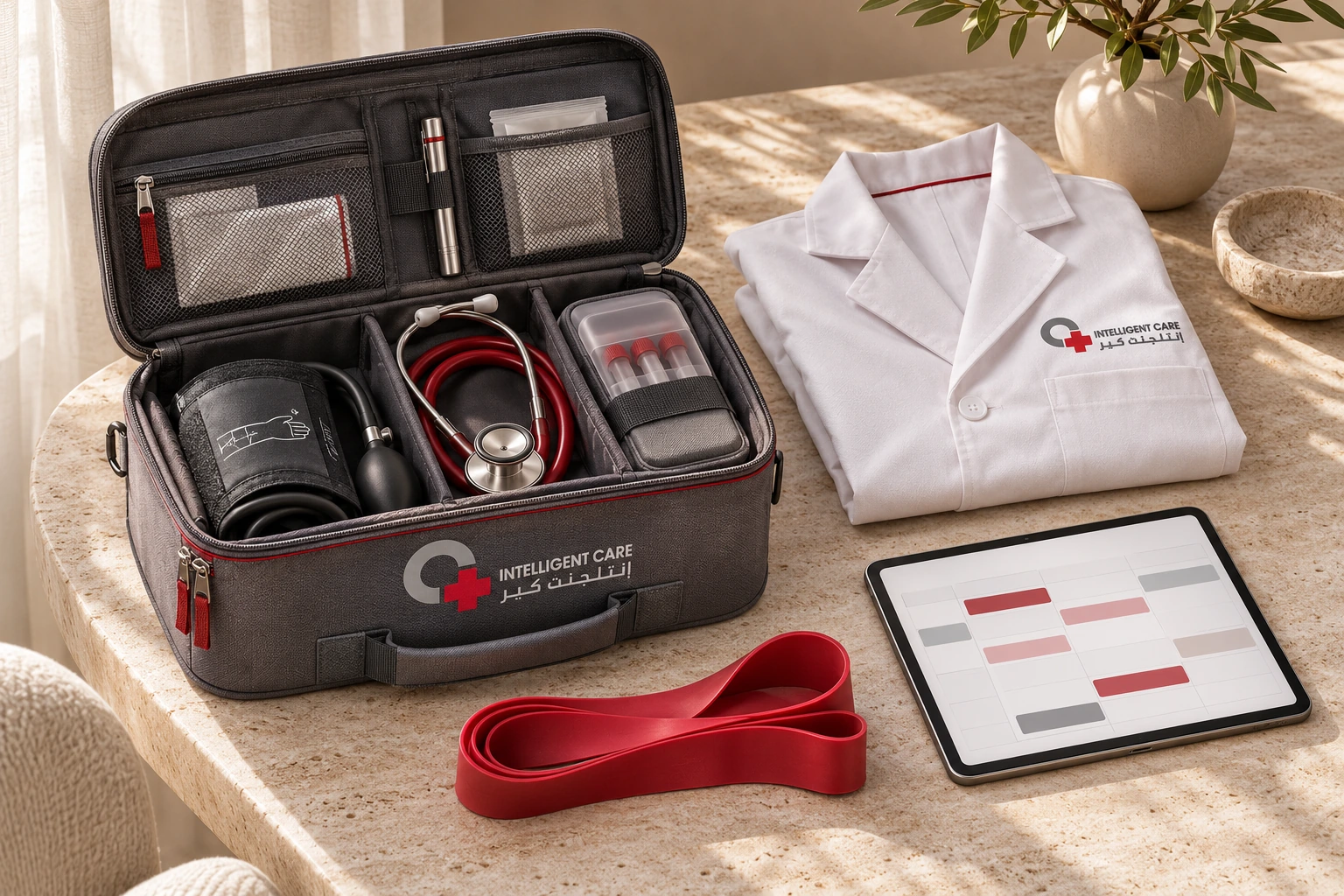
Care that comes to you
Bring doctors, nursing, rehabilitation and diagnostics into one personalized home care plan. Tell us your needs and plan care around your life.

Diagnostics
Explore Intel Lab health packages and individual tests. Compare options and choose home collection across Dubai or a visit to the Deira laboratory.

Care that comes to you
Explore support for mothers and newborns at home in Dubai. Plan postnatal care, feeding support and practical guidance around your family.
Care that comes to you
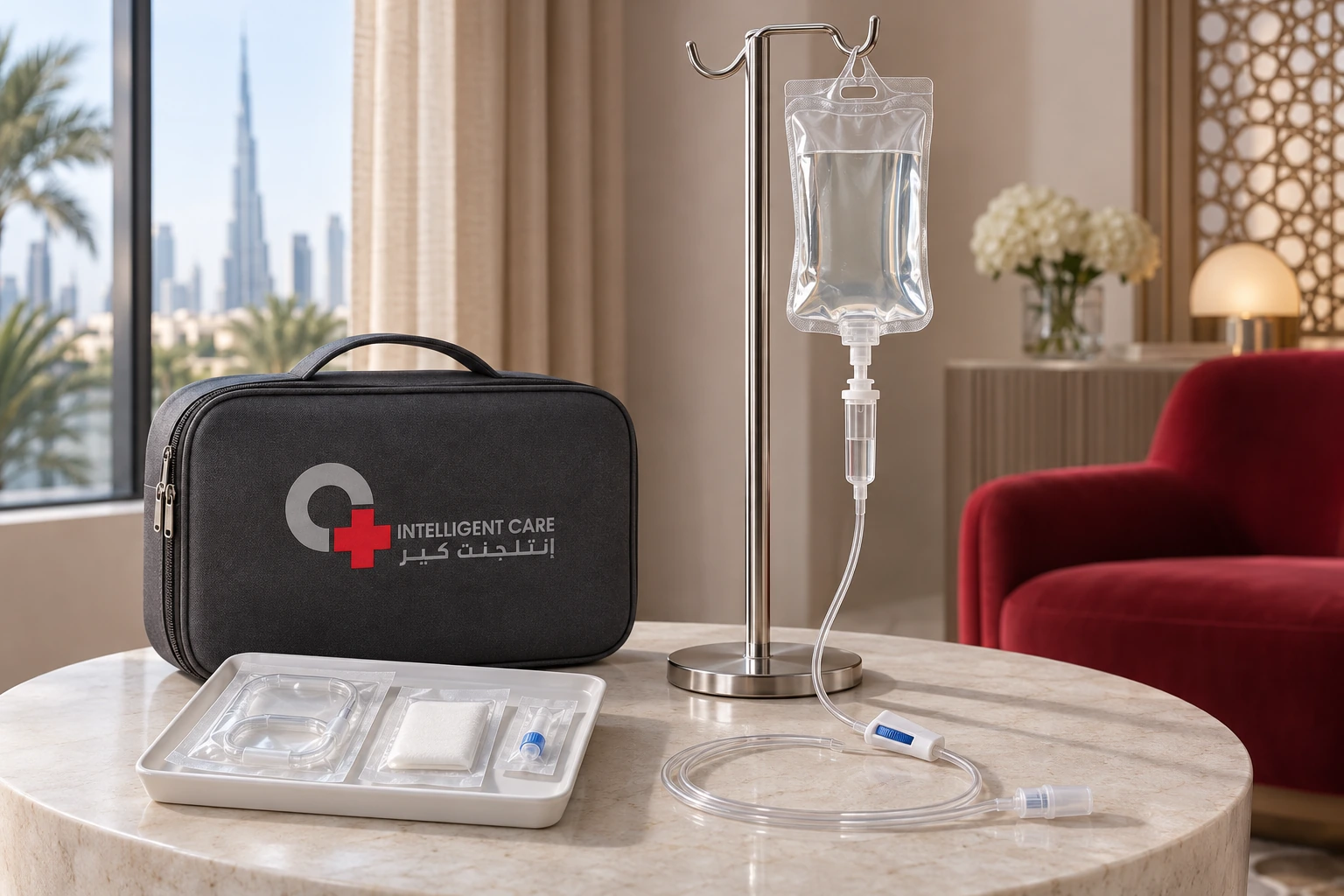
Explore IV therapy options at home in Dubai, with clear service details and clinical assessment. Choose an option or speak to our care team.
Additional services are discussed according to the clinical need and the agreed plan. Diagnostic collection choices and fees are shown when choosing tests.
Care that comes to them
Tell us what would make life at home easier for your loved one. We will help clarify the appropriate care and a practical next step.