 01
Clinical staffing
Clinical roles, credential requirements, schedules and deployment built around the people your service needs.
Explore scope & enquire
Healthcare for organizations
From a clinical team to a complete healthcare operation. We bring the people, clinical services and practical coordination around your organization’s needs.
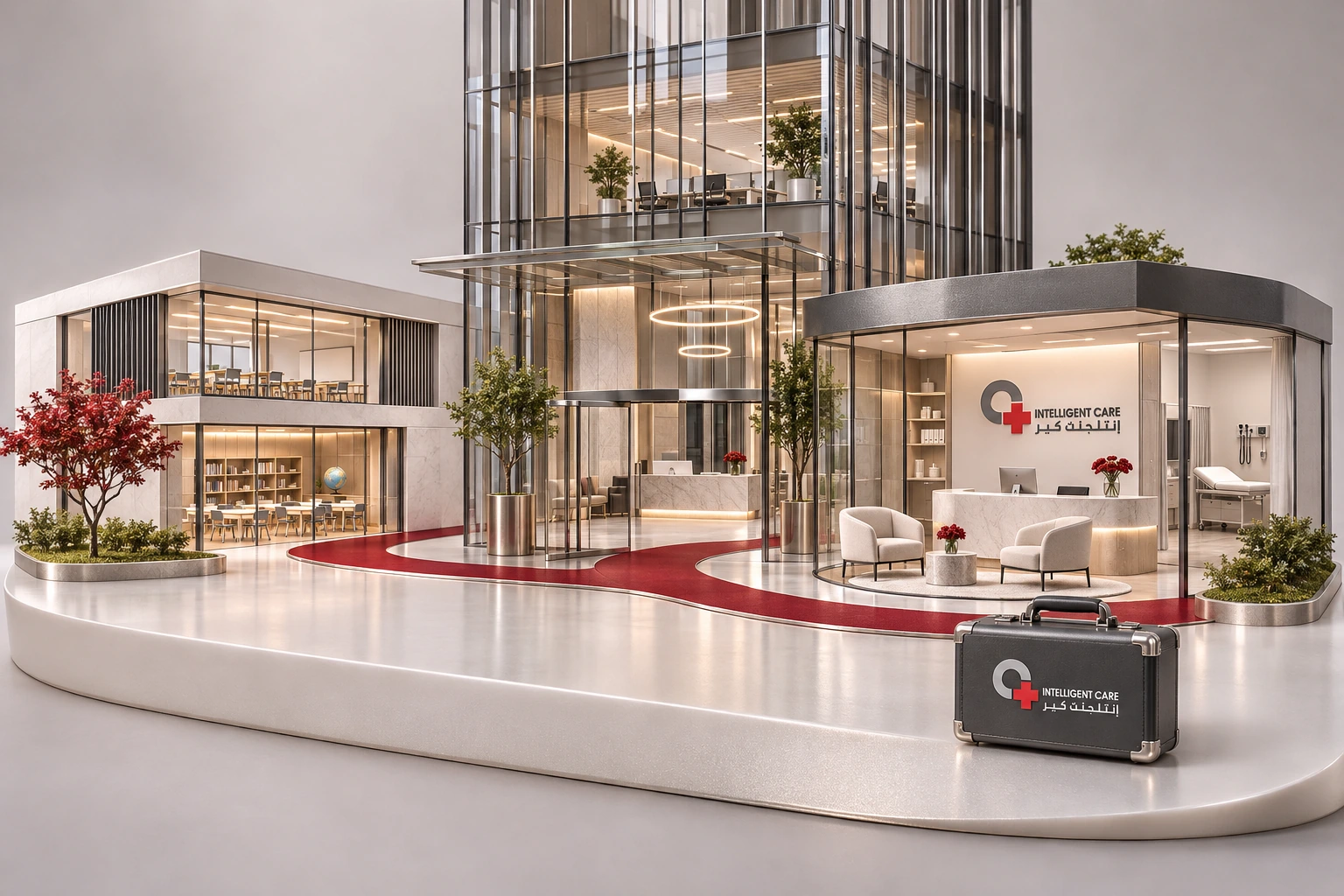
Five connected capabilities
Choose a capability to explore the scope, service model and information our team needs to build your proposal.
01Clinical roles, credential requirements, schedules and deployment built around the people your service needs.
Explore scope & enquire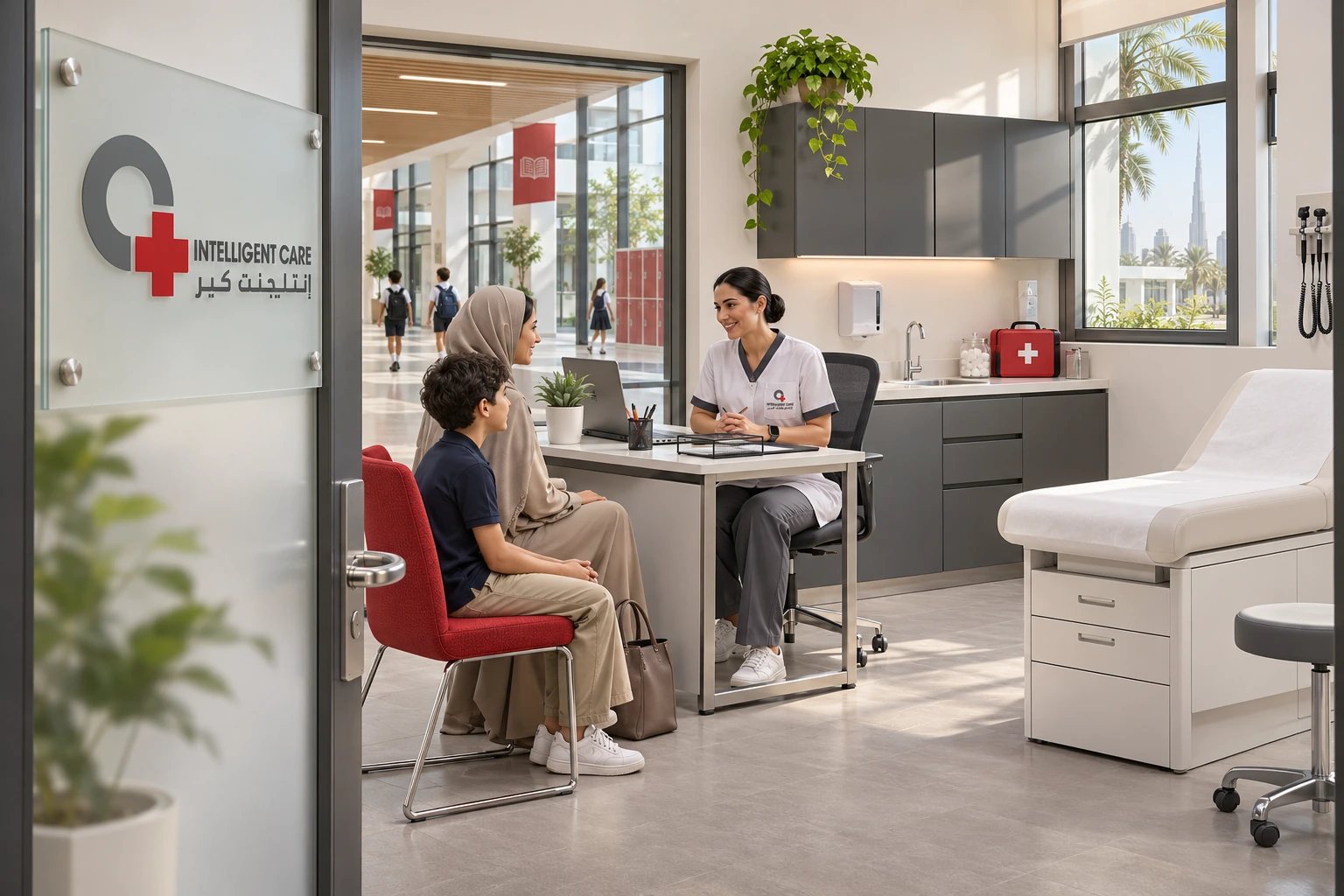 02
Healthcare for schools and universities, connecting the clinic, students, families and institution.
Explore scope & enquire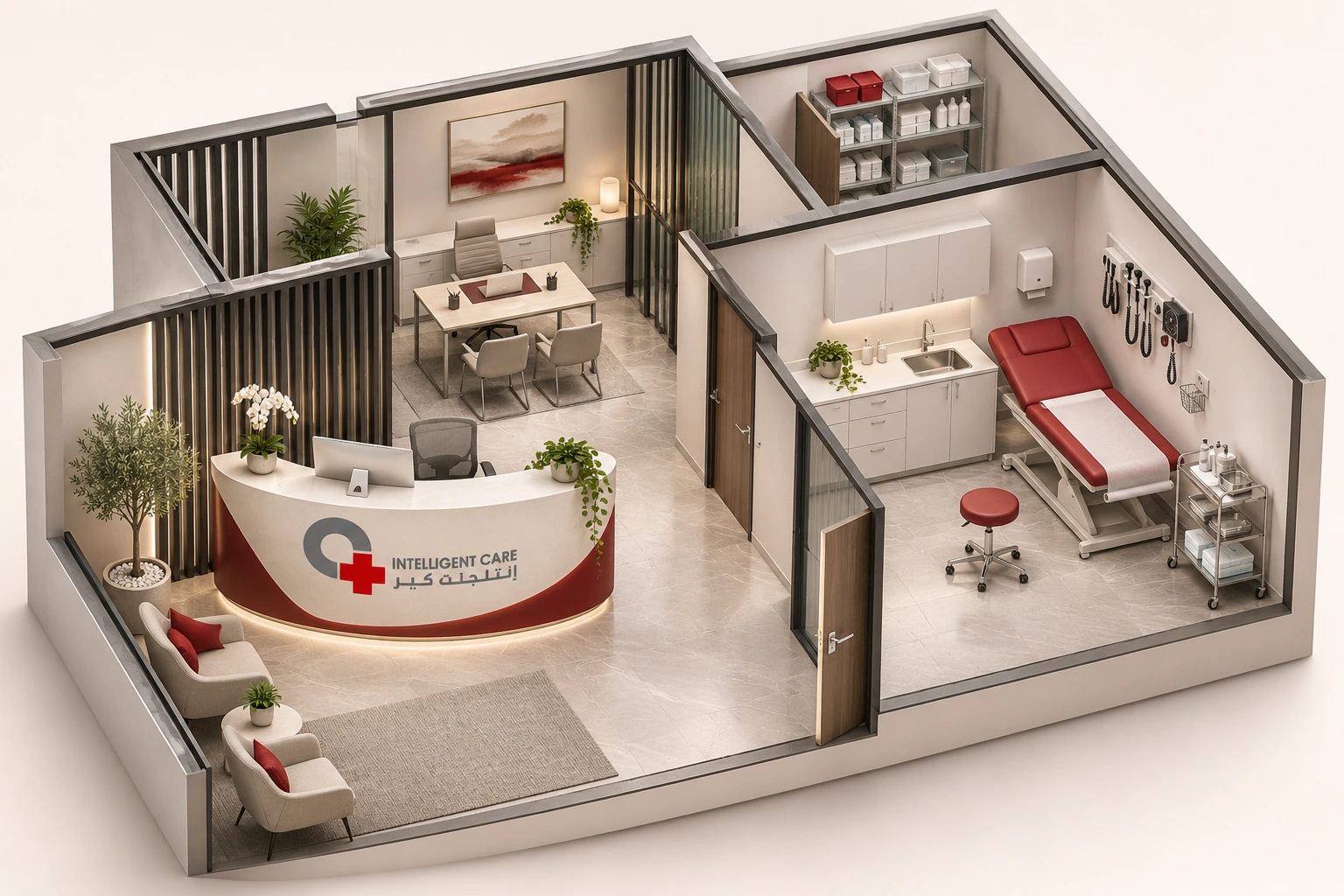 03
Design, setup, licensing support and operations for a new clinic or the improvement of an existing facility.
Explore scope & enquire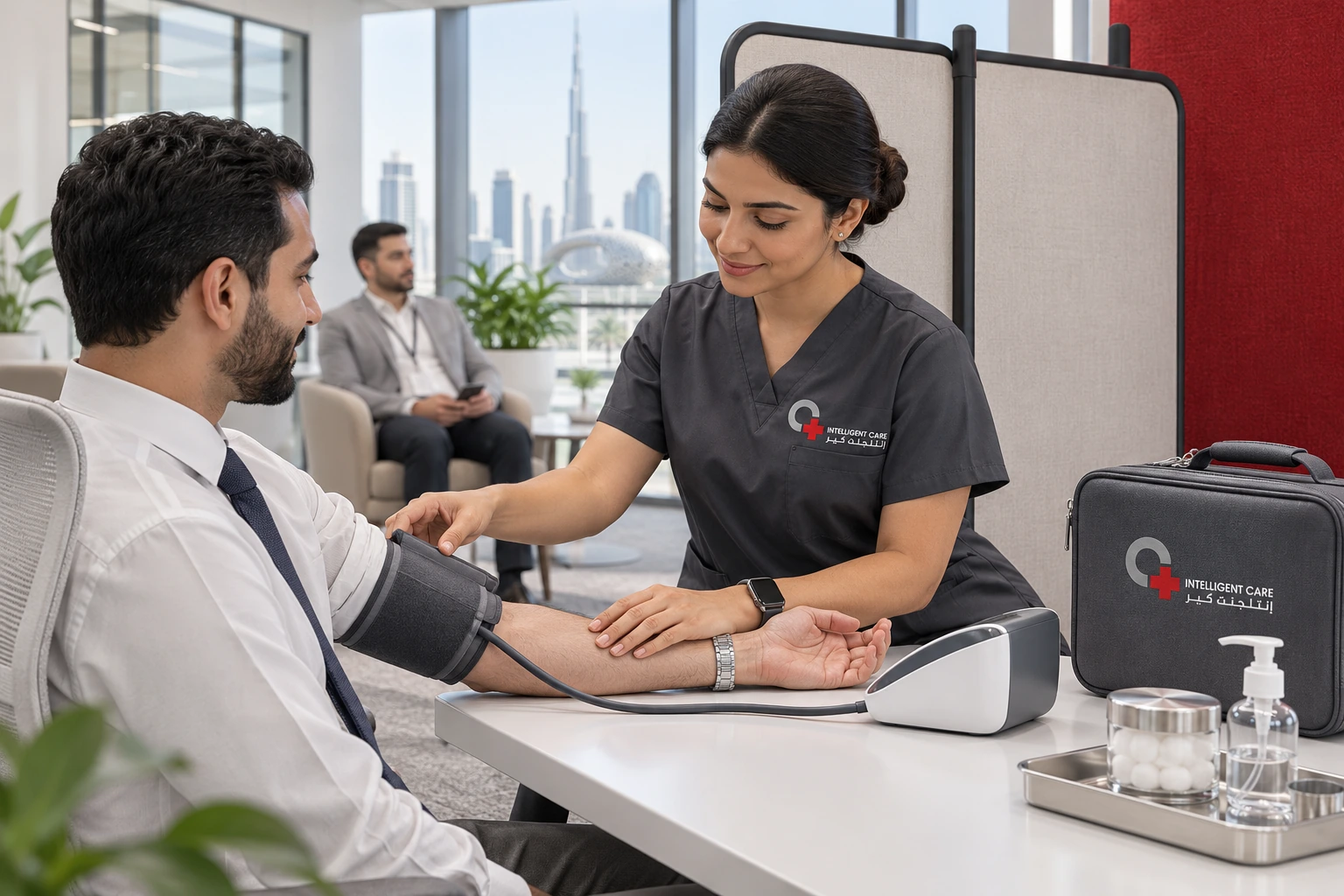 04
Health assessments and programmes relevant to your people, workplace and occupational requirements.
Explore scope & enquire 05
Focused health education, campaigns and events with a clear audience, message and next step.
Explore scope & enquireStart with your requirement
A useful brief connects the people receiving care, the setting and the outcome your organization needs to work towards.

Build the clinical coverage your service needs, with the roles, skills, schedules and deployment requirements made explicit.
A new or existing clinic needs a coherent operating model. Bring the facility, scope, staffing and regulatory requirements into one conversation.
Workforce assessments, health education and campus programmes each have a different purpose and audience. Start with what the programme needs to achieve.
Your project, in a few details
Add what you know, then continue the conversation with our team.
Clinical staffing
Clinical staffing begins with the work to be done. Roles, competencies, licensed scope, schedules and site requirements need to fit together before a deployment is agreed.
A short requirement and a continuing operation have different continuity needs. Share the clinical setting, intended duration and current team so the proposed support can be scoped properly.
Doctors, nurses and other clinical roles have different competencies and licensing requirements. Specify the setting and responsibilities, not only a job title.
Locations, shifts, frequency and expected duration shape the arrangement. Handover and continuity should be considered alongside the initial deployment.
Agree who manages the service, communicates changes and reviews performance. The staffing plan needs to work within the facility’s clinical arrangements.
Academic healthcare
Schools and universities need healthcare that fits their population and daily operations. A campus clinic connects clinical care with safeguarding, appropriate consent and communication.
The scope can include staffing, clinic operations, relevant screenings and health education. The institution’s requirements and the age of the people receiving care determine how these elements should work together.
Understand the campus, student population, existing clinic and referral arrangements before defining the clinical support.
For children, guardian communication and appropriate consent are part of the programme. Institutional access and confidential clinical information are separate matters.
Health awareness can support the school community when it is relevant to the audience and connected to a clear next step.
Clinical services
The clinical space, equipment, people, workflows and operating responsibilities all shape how a clinic functions. We can discuss a new facility or the support an existing clinic needs.
Design, setup, licensing support and management have different deliverables. The appropriate regulatory requirements depend on the proposed facility and scope; approvals remain with the relevant authorities.
Define the intended clinical services, population, location and practical requirements. The brief guides layout, equipment and operational planning.
Staffing, policies, records, patient flow and the clinical environment need to align. A launch is more than fitting out a room.
An existing clinic may need operational management, staffing support or a review of how the service works. Agree the responsibilities and review arrangements.
Workforce health
An employee health programme should reflect the work and its requirements. Pre-employment assessments, occupational considerations and ongoing initiatives need a clear purpose and an appropriate clinical process.
Personal health information and the organization’s management requirements are not the same. Agree what is assessed, what reporting is appropriate and how confidentiality is protected.
Share the roles, exposures, working environment and purpose of the assessment. A generic panel may not answer the relevant occupational question.
The required assessment, investigations and any referral need clinical input. Statutory residency or visa medical testing follows its designated authorized route.
The employer receives information appropriate to the agreed lawful purpose, such as a fitness conclusion or aggregate programme findings. Individual clinical records require a separate confidential pathway.
Health awareness
A campaign is strongest when the topic, audience and format fit together. A workplace talk, a school programme and a focused awareness event need different preparation and clinical framing.
We can discuss lectures, presentations, themed campaigns and related initiatives. Define the objective, audience, timing and any practical follow-up so the event has a clear place in your wider programme.
Select the health theme around the audience’s needs. The message should be understandable, evidence-informed and appropriate to the setting.
A talk, workshop or campaign can involve different resources. Clarify venue, audience size, language needs and any supporting activities.
Agree where participants can ask questions and what the appropriate next step is. Education should not imply an individual diagnosis or guaranteed health outcome.
One accountable conversation
Each project is different. The sequence keeps the requirements, resources and responsibilities clear.
Define the service, people, locations and intended timing.
Existing arrangements, required deliverables and any clinical or regulatory constraints shape the brief.
Identify the appropriate team, resources and operating arrangements.
Credential requirements, site readiness, logistics and communication are considered before implementation.
Work within the agreed scope and clinical responsibilities.
The organization and clinical team need clear points of contact and an understood route for issues or changes.
Assess the programme against its agreed purpose.
Progress, operational feedback and changing requirements can inform the next phase. Do not confuse activity volume with clinical outcomes.
Clear responsibilities
Good coordination includes knowing who needs which information. Clinical decisions and personal health records require their own professional responsibility.
Service objectives, site arrangements, agreed scope and operational reporting. The right information helps you manage the programme without unrestricted access to personal medical records.
Individual assessment, clinical records, treatment decisions and confidential communication. Relevant conclusions are shared only through the appropriate agreed and lawful process.
Connected operations
Connect a site with its agreed services, operating arrangements and responsible colleagues. Individual health information belongs in the clinical pathway; management reporting has a different purpose.
The people, required roles and agreed coverage can be understood as one operational brief. Clinical competency, licensing and deployment requirements are considered before work begins.
Screening, education and clinic operations should have an agreed purpose and review point. Use the service pages to build your brief with the team.
YOUR ORGANIZATION
Intel Lab
Laboratory support can be part of a workforce, campus or clinical programme. The tests, sample logistics, reporting and follow-up need to fit the purpose of the project.
Intelligent Care and Intel Lab are separate companies directly owned by the same owner. Their complementary clinical and diagnostic services support a coordinated conversation around your requirements.

Discuss the clinical question and required investigations. Specialized testing and collection requirements need to be confirmed for the programme.
Site arrangements, sample types, identification, transport and timing should be agreed as part of the project rather than added as an afterthought.
Define who receives the results, what clinical review is needed and the appropriate form of organization-level reporting.
From requirement to proposal
Bring what you know. Our team can help clarify the remaining details.
YOUR PROJECT BRIEFWhat needs to change or be delivered?
Who will receive care, and which roles or skills are required?
Which sites, facilities or communities are involved?
What schedule, start period and duration should be considered?
What is already in place, and where is support needed?
What scope, responsibilities and review points should the proposal address?
Intelligent Care Group
Clinical care and diagnostic science come together through Intelligent Care and Intel Lab. Our group’s experience supports the people, processes and conversations behind the service.
Choose the capability closest to your need, then share your locations, people, current arrangements and intended timing. If the requirement spans staffing, clinics and employee programmes, the corporate enquiry can begin with the overall objective.
Yes. Clinical services includes discussion of an existing facility’s operations as well as a new clinic. The team needs to understand the current facility, licensed scope, staffing, systems and responsibilities before agreeing the support.
A coordinated brief can combine clinical staffing, clinic operations, workforce assessments and health awareness. Each element needs a defined scope, appropriate clinical and regulatory requirements, and an agreed point of responsibility.
Corporate solutions are scoped through an enquiry and proposal. They do not enter the personal care bag or standard checkout. The requirements and commercial arrangements are discussed with your organization.
Share the roles, clinical setting, site locations, expected schedule, duration and any required skills. Licensing, credentialing, competency and practical deployment considerations are part of the discussion.
Individual medical information belongs in the appropriate confidential clinical pathway. The employer’s programme reporting should be limited to the agreed, lawful purpose—for example an appropriate fitness conclusion or aggregate programme information.
Academic healthcare addresses the institution’s clinical and practical requirements, including the clinic, staffing, relevant screening and health education. Student age, safeguarding, consent and parent communication need to be considered in the scope.
Intel Lab brings diagnostic capability to the group’s clinical services. A programme can discuss the required tests, sample arrangements, reporting and clinical follow-up; the exact testing scope and delivery model are agreed for the project.
The current service coverage is Dubai. Abu Dhabi is coming soon. Share all sites in your brief so the team can assess the practical and regulatory arrangements rather than assuming one model applies everywhere.
Explore your next requirement

Intelligent Care
Tell us what you need. We’ll help you find the right next step.