The laboratory pathway
The connection between sample preparation, analysis and a meaningful report.

Intel Lab
Specialist Clinical Pathology
Diagnostic science. A clearer clinical picture.
DHA 65077850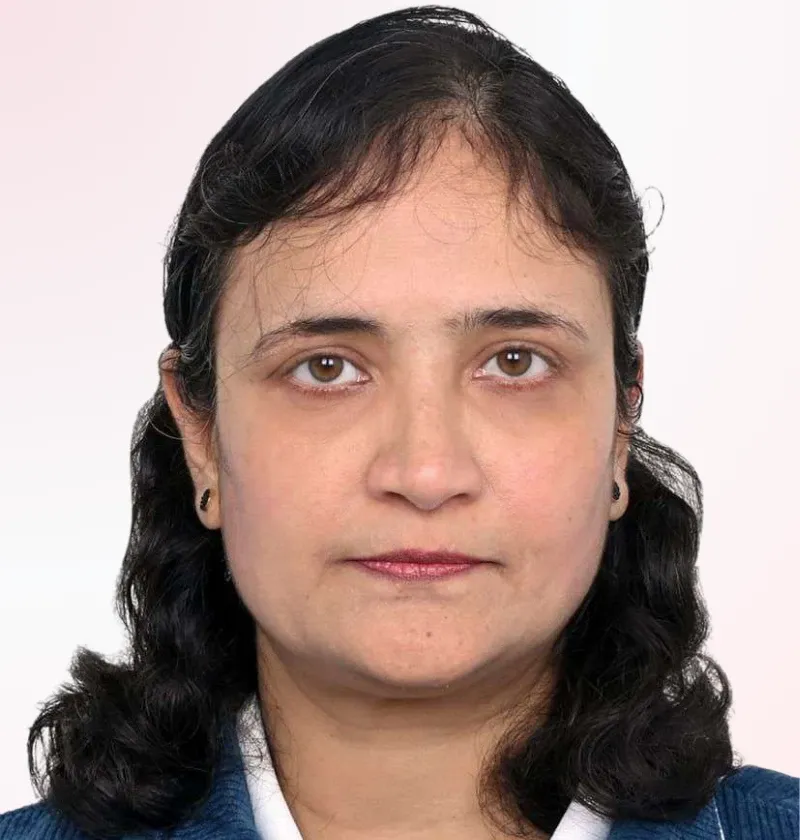
The clinical perspective
Dr Nirupama Sabhapathy is a DHA-licensed Specialist in Clinical Pathology at Intel Lab. Her published Intel Lab profile describes more than 25 years in medicine and her role as Laboratory Director.
Clinical pathology connects the laboratory with the decisions made in patient care. It brings together the quality of a sample, the analytical process and the clinical context in which results are understood.
Intel Lab’s published biography identifies Dr Nirupama as Laboratory Director and describes more than 25 years of medical experience. Her current DHA professional record confirms an active Specialist Clinical Pathology licence at Intel Lab.
A perspective on
The connection between sample preparation, analysis and a meaningful report.
Understanding why the process behind a result matters.
The laboratory perspective within a wider clinical picture.
Professional experience
Intel Lab
DHA licence 65077850-007.Intel Lab
Role published in Intel Lab’s clinical biography.MBBS, as listed in Intel Lab’s published biography; graduation year and institution also appear in the DHA record.
Diploma in Clinical Pathology, as listed in Intel Lab’s published biography; diploma and year also appear in the DHA record.
DNB Pathology, as listed in Intel Lab’s published biography; institution and year also appear in the DHA record.
Sources & further reading
Explore this area of care

Care at home3 min read
A clear account of what you need, the right information at hand and a space to talk. Here is how to make your first doctor-at-home conversation easier.
Read the story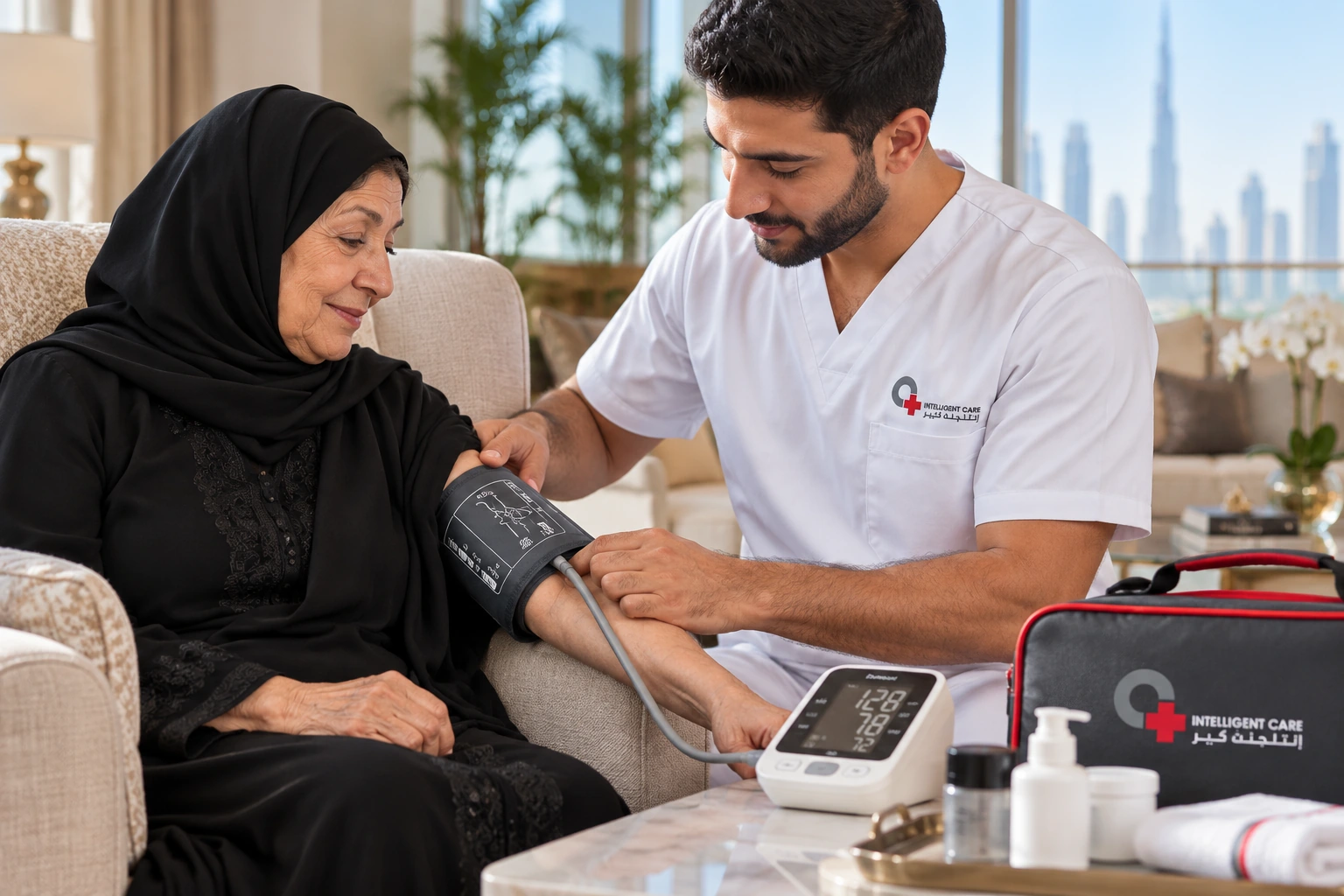
Care at home3 min read
The most useful first question is not “How many hours?” It is “What support is needed?” Build the conversation around the person, the clinical requirement and their routine.
Read the story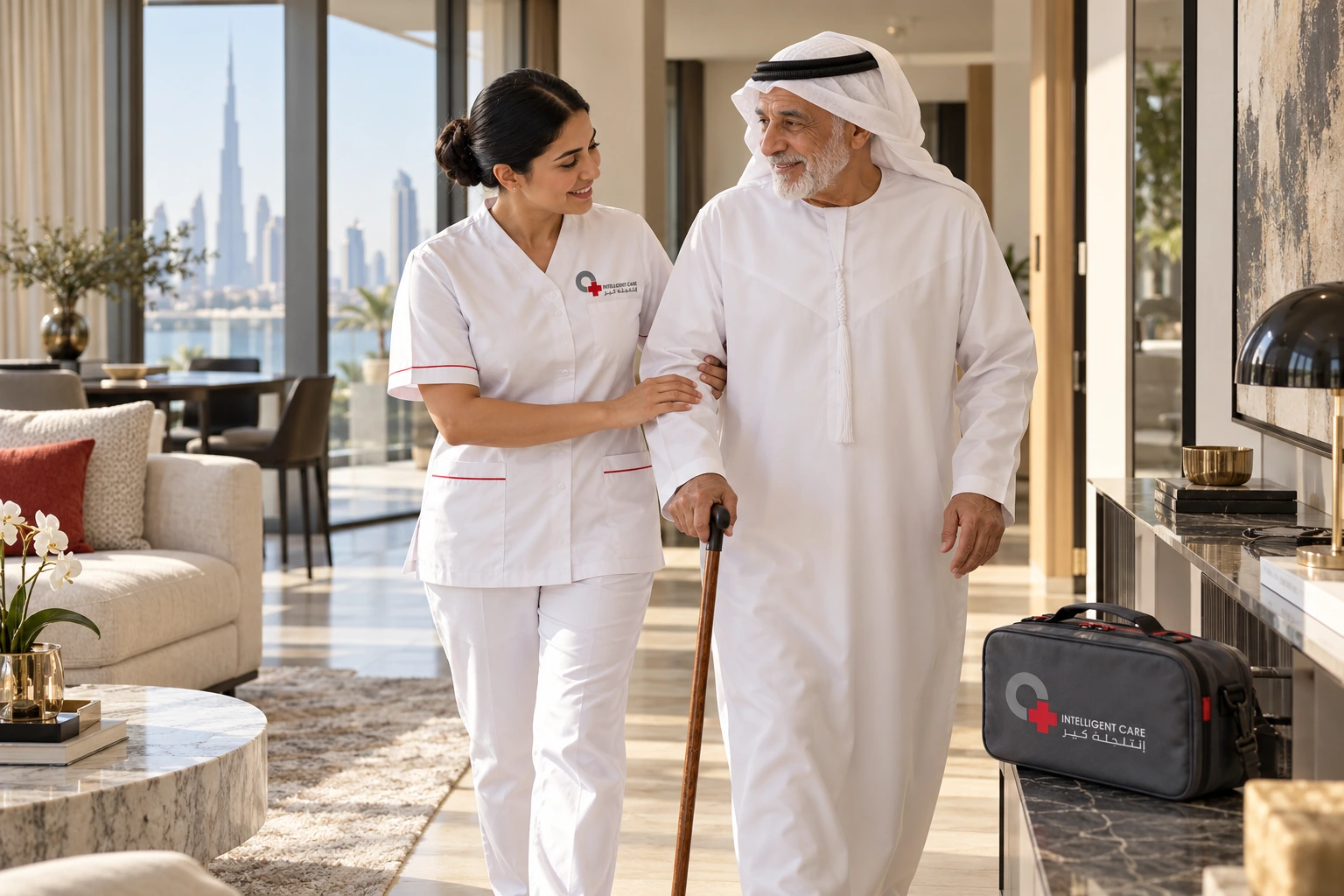
Family care3 min read
When families arrange support, the person receiving care should still lead the conversation. Start with their priorities, then build the practical arrangements around them.
Read the storyAlways within reach
Tell us what you need. We will help you find the right next step.