01Appetite
Low appetite during recovery
Explain when intake changed, the recent illness or operation and any advice already given. Persistent difficulty should be reviewed rather than dismissed as inevitable.

Recovery nutrition support · Dubai
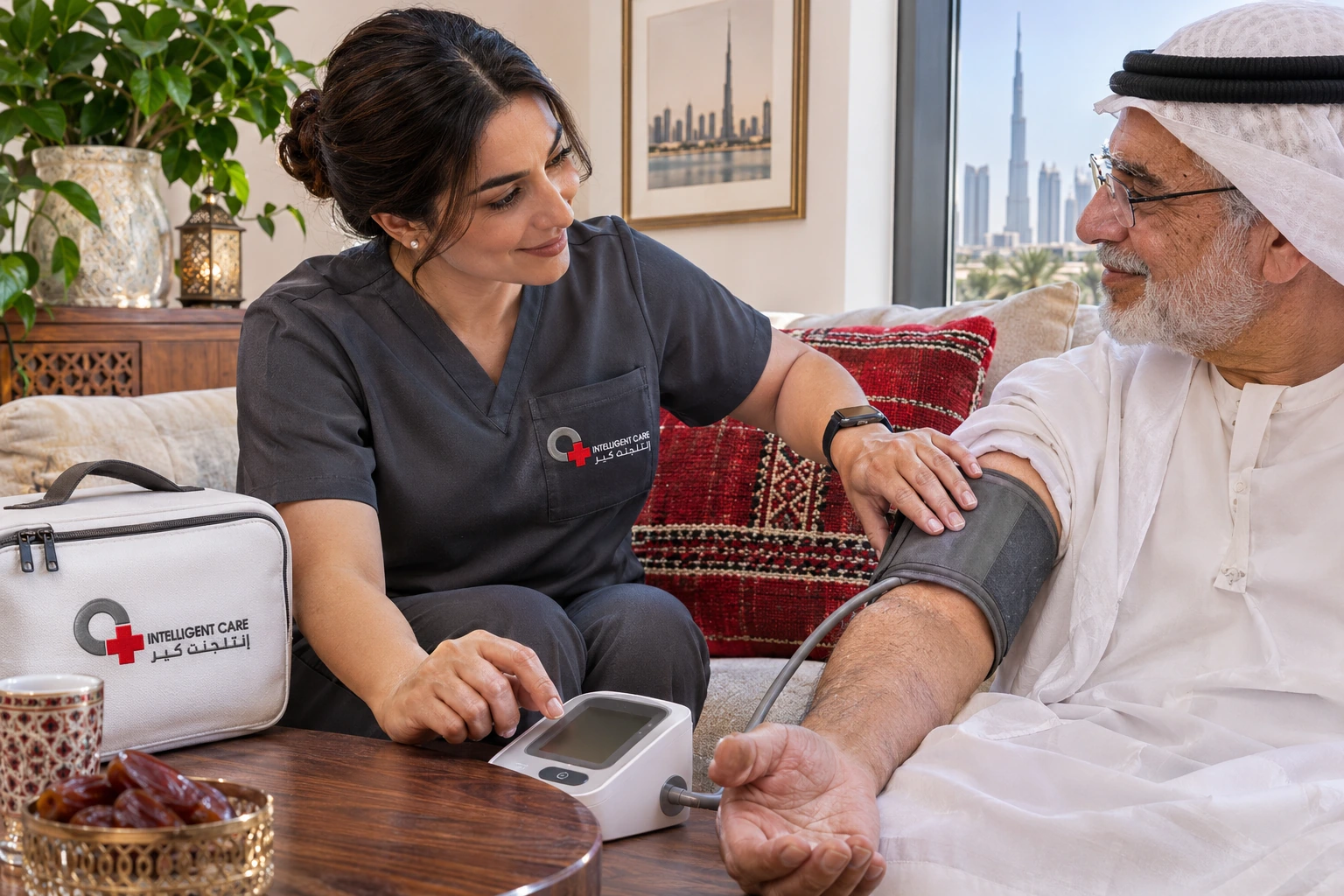
After illness or surgery, eating and drinking may become harder to manage. Intelligent Care provides nursing support at home in Dubai around the nutrition instructions already agreed with your clinical team, helping record relevant concerns and connect the person with the right review when the plan is not working.

 Clinical author assignmentDr Toqa IbrahimTwo clinical perspectivesProfiles & DHA directory links Guidance with sourcesExplore the references
Support for an agreed nutrition plan
Tell us whether the challenge is low appetite, a prescribed diet, help following a recovery plan or a clinical concern about swallowing or intake. The team clarifies the appropriate nursing, practical or specialist role before arranging care.
Understand the care

Recovery nutrition needs vary with the illness, operation, appetite, existing conditions and the treatment plan. The relevant question is not simply whether someone ate a full plate. Pain, nausea, swallowing concerns, practical access to meals and dietary restrictions may need different responses.
Unintentional weight loss, reduced intake or a change in strength deserves discussion with a healthcare professional. A person can have a nutrition problem without looking underweight. Assessment helps identify the cause and whether a dietitian, doctor or another specialist should be involved.
Nursing support follows the agreed plan and communicates relevant observations. A caregiver may help with practical meal routines, while a dietitian designs or adjusts specialist nutrition advice and a swallowing professional assesses relevant difficulties. Keeping those roles clear prevents a general homecare booking from becoming an improvised treatment plan.
Read the clinical sourcesYour discussion priorities
Select the issues to discuss. These prompts do not diagnose malnutrition or recommend a particular supplement.
Explain when intake changed, the recent illness or operation and any advice already given. Persistent difficulty should be reviewed rather than dismissed as inevitable.
Share the actual instructions, including restrictions linked to other conditions. Different plans should be reconciled by the appropriate clinician.
Tell the team about changes noticed in weight, clothing fit, strength or usual intake. A clinical assessment may be needed even if the person is not visibly thin.
Coughing, choking, pain or difficulty swallowing needs the appropriate assessment. Do not change food texture or thicken drinks without individualized advice.
Explain difficulties shopping, preparing food, sitting comfortably or managing utensils. Some needs are practical caregiving rather than nursing.
Provide the product and clinical instructions. An established tube-feeding requirement is assessed through the separate PEG pathway.
Your discussion list
Choose the points you would like to discuss.
The first assessment
The plan should be based on why nutrition is difficult and which professional can address that need.

THE CLINICAL CONVERSATION01—04
Share the illness or procedure, discharge advice, relevant conditions and recent change in eating or drinking.
Gather diet, fluid, supplement or swallowing advice already provided. Do not combine conflicting instructions without clinical clarification.
Separate nursing observations and clinical care from practical meal assistance and specialist nutrition assessment.
Clarify what should be recorded, who reviews it and what concern requires earlier contact.
What the care involves
The appropriate combination of support depends on assessment and the current clinical instructions.
| Care area | Useful support | Boundary |
|---|---|---|
| 01Intake observations | Record the information requested by the clinical plan and report significant difficulties. | A log does not establish a diagnosis or replace review. |
| 02Prescribed nutrition plan | Help follow agreed instructions and identify practical barriers. | A dietitian or relevant clinician changes specialist requirements. |
| 03Practical meal routine | Coordinate appropriate assistance with meals and everyday access. | Caregiving and nursing tasks should be identified separately. |
| 04Swallowing concerns | Notice and escalate difficulties that need assessment. | Do not prescribe texture changes, thickener or exercises from a generic page. |
| 05Specialist nutrition | Connect tube feeding or more complex requirements to the responsible team. | These require explicit instructions, professional scope and equipment. |
Before care arrives
You do not need to calculate nutrition requirements yourself. Bring the information the clinical team can interpret.

A personal reminder list.
Nothing is sent or saved.
Care around the person
A household can support a calm routine while keeping clinical decisions with the appropriate professionals.

Explain foods the person enjoys, cultural preferences and practical difficulties. The agreed plan should be understandable in the context of ordinary home life.
Keep dietary, fluid and swallowing advice accessible to everyone helping. Do not add supplements or change textures because another person’s plan appeared helpful.
Tell the clinical team about persistent poor intake, weight change or distress around eating. Families should not have to solve a clinical nutrition problem through encouragement alone.
The care pathway
Nutrition support is adjusted to clinical need; there is no fixed recovery diet or guaranteed timetable.
Identify the difficulty and instructions already in place.
Arrange the appropriate nursing or practical help.
Record relevant intake or symptoms as requested.
Reassess persistent difficulty with the appropriate professional.
Explore a stage to bring it into focus. Every stage stays visible.
People and responsibilities
A coordinated service does not mean every professional role is included in a nursing duty.
Assesses medical causes of poor intake and the need for further investigation or treatment.
Provides individualized nutrition assessment and advice where specialist support is needed.
Supports agreed clinical care, observes relevant changes and communicates concerns.
Swallowing assessment and practical meal assistance are distinct roles, arranged according to the requirement.
Read the real team profiles and their professional-directory references. Your assigned professional and the scope of care are confirmed through the care arrangement.
Meet our clinical teamContinuity of care
The review should connect clinical concerns with what is actually happening at home.
Is the agreed approach manageable, or are symptoms and practical barriers still preventing it?
Have weight, strength, comfort or other clinician-requested observations changed?
Do different conditions or new prescriptions create a question that the team needs to resolve?
Is dietetic, medical or swallowing input needed, and who is responsible for arranging it?
When to seek medical help
Use the person’s individual advice. A routine care request is not a substitute for urgent help.
Immediate medical attention
Prompt clinical assessment
Practical arrangements
Arrange the professional task that is actually needed rather than adding services by default.
Standard nursing plans are available to book. Discuss the clinical duties and observation requirements before confirmation.
Meal assistance, dietetic assessment and swallowing review are different services. Confirm availability, scope and costs separately where required.
Prescribed supplements, feed or equipment are not automatically supplied with a nursing duty. Keep product choice and regimen changes with the clinical team.
Your questions
Specialist nutrition advice requires the appropriate assessment, often from a dietitian. This page describes nursing support for an agreed plan and coordination when further review is needed.
Recovery experiences vary. Persistent poor intake, weight change or other concerns should be discussed with the treating team rather than assumed to be harmless.
Practical meal support may suit a caregiver, while clinical observations or prescribed nursing tasks require the appropriate professional. The care plan should distinguish the roles.
Ask the responsible clinician or dietitian whether a supplement is appropriate. Existing conditions, prescriptions and the reason for poor intake may affect the advice.
Seek appropriate clinical assessment. Do not choose food textures, thickeners or swallowing exercises from this page; follow individualized advice.
Yes, that requirement should be discussed through the PEG feeding and tube-care pathway with the actual device, prescribed regimen and responsible clinical team identified.
No such inclusion is implied. Specialist nutrition routes require their own medical assessment, prescription, equipment and explicit service confirmation.
Agree what the clinical team wants reviewed and when. The useful outcome is an individualized plan that is manageable and clinically reviewed, not a universal weight or intake target from a website.
Expertise with a name
Explore the named clinical profiles, their professional roles and their Dubai Health Authority directory records.
Author assignment
General Practitioner
Dr Toqa Ibrahim is a DHA-licensed General Practitioner with Alpha Intelligent Care Home Healthcare Center. Her clinical profile brings the general-practice perspective into our approach to care at home.
Review assignment
Specialist Clinical Pathology
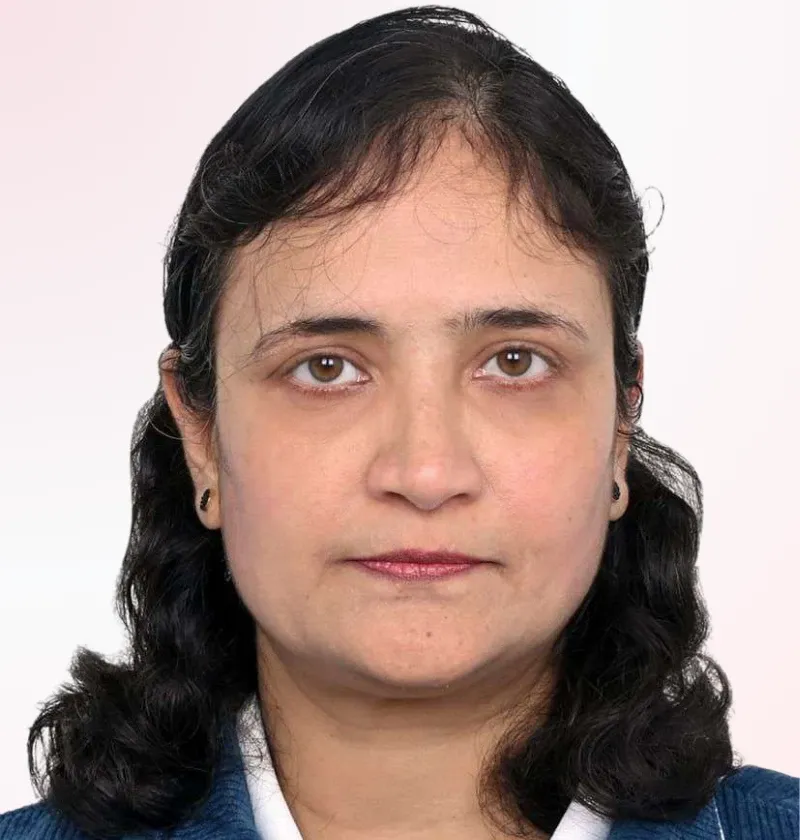
Dr Nirupama Sabhapathy is a DHA-licensed Specialist in Clinical Pathology at Intel Lab. Her published Intel Lab profile describes more than 25 years in medicine and her role as Laboratory Director.
Professional registration describes each clinician’s role. The clinical assessment and the person responsible for your care are confirmed separately.
More care guides


The wider picture
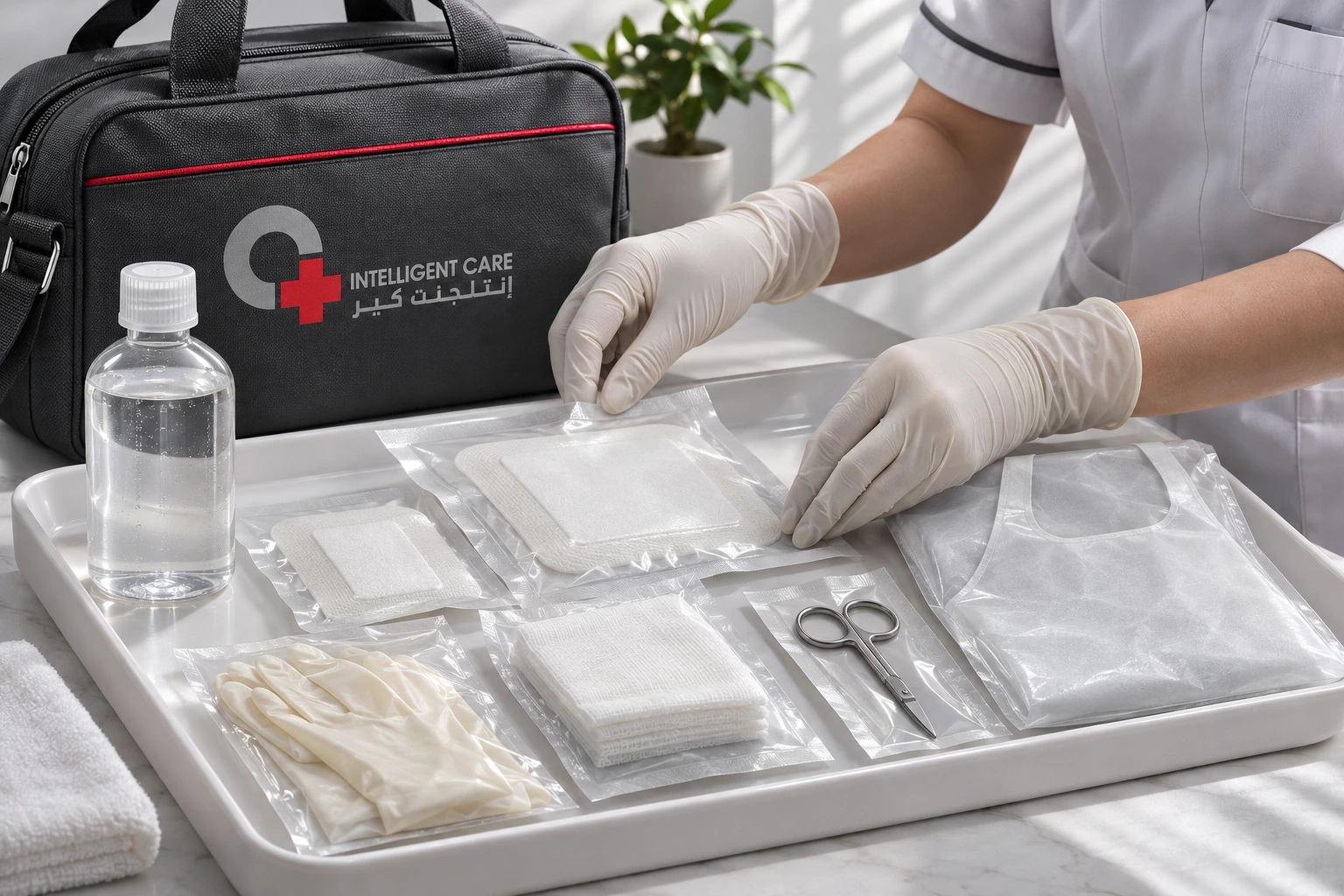
Explore related support, or speak to us about combining services into one plan.
About this guide
General information supports the care conversation; your own assessment determines the plan. Company service information and independent clinical guidance are listed separately below.
Care that comes to you
Across Dubai.
Abu Dhabi — coming soon.