01Recovery
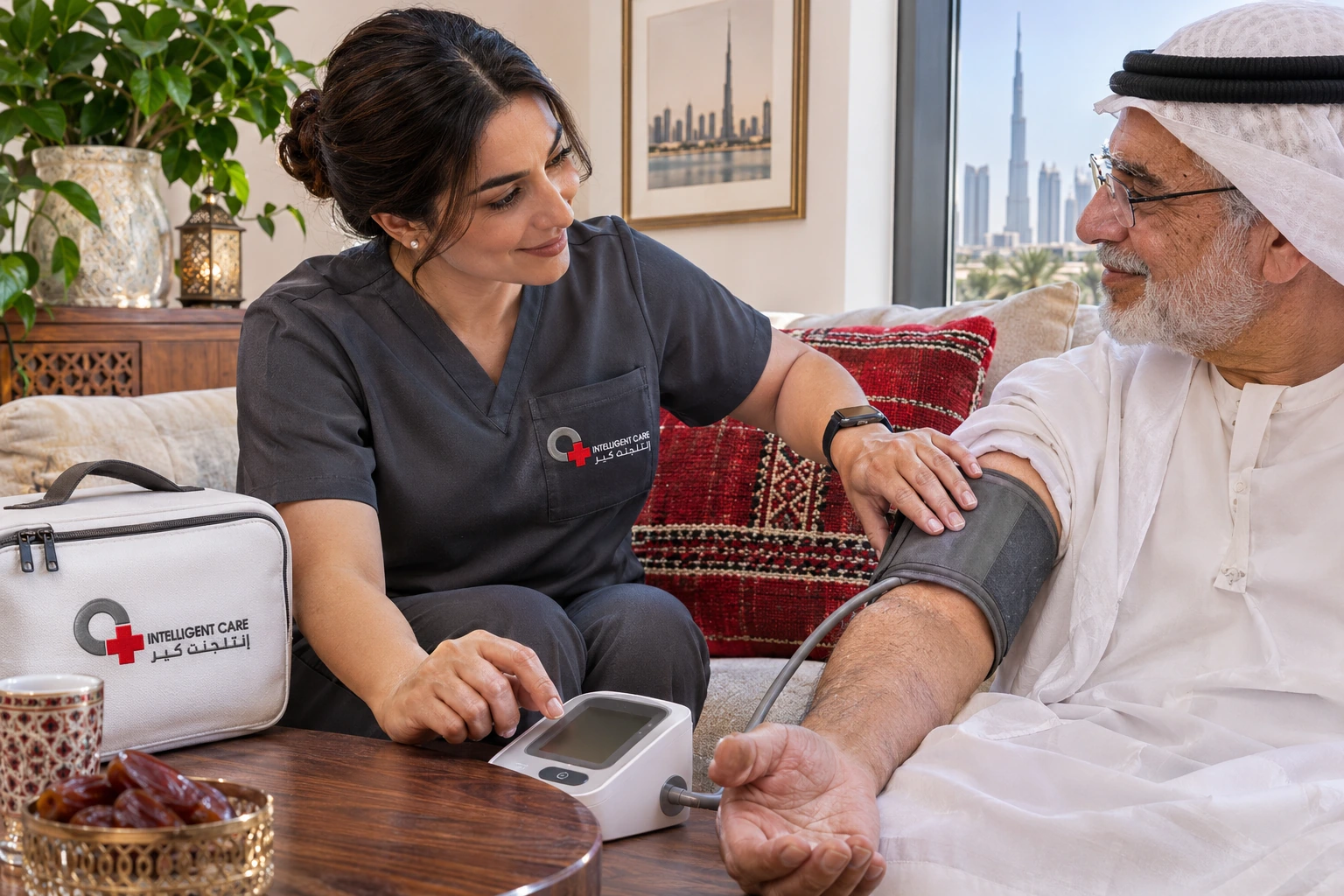
Returning from hospital
Share discharge instructions, the current prescription and any wound, device or observation requirements. Identify what is already arranged and what is missing.

Nursing for older adults · Dubai
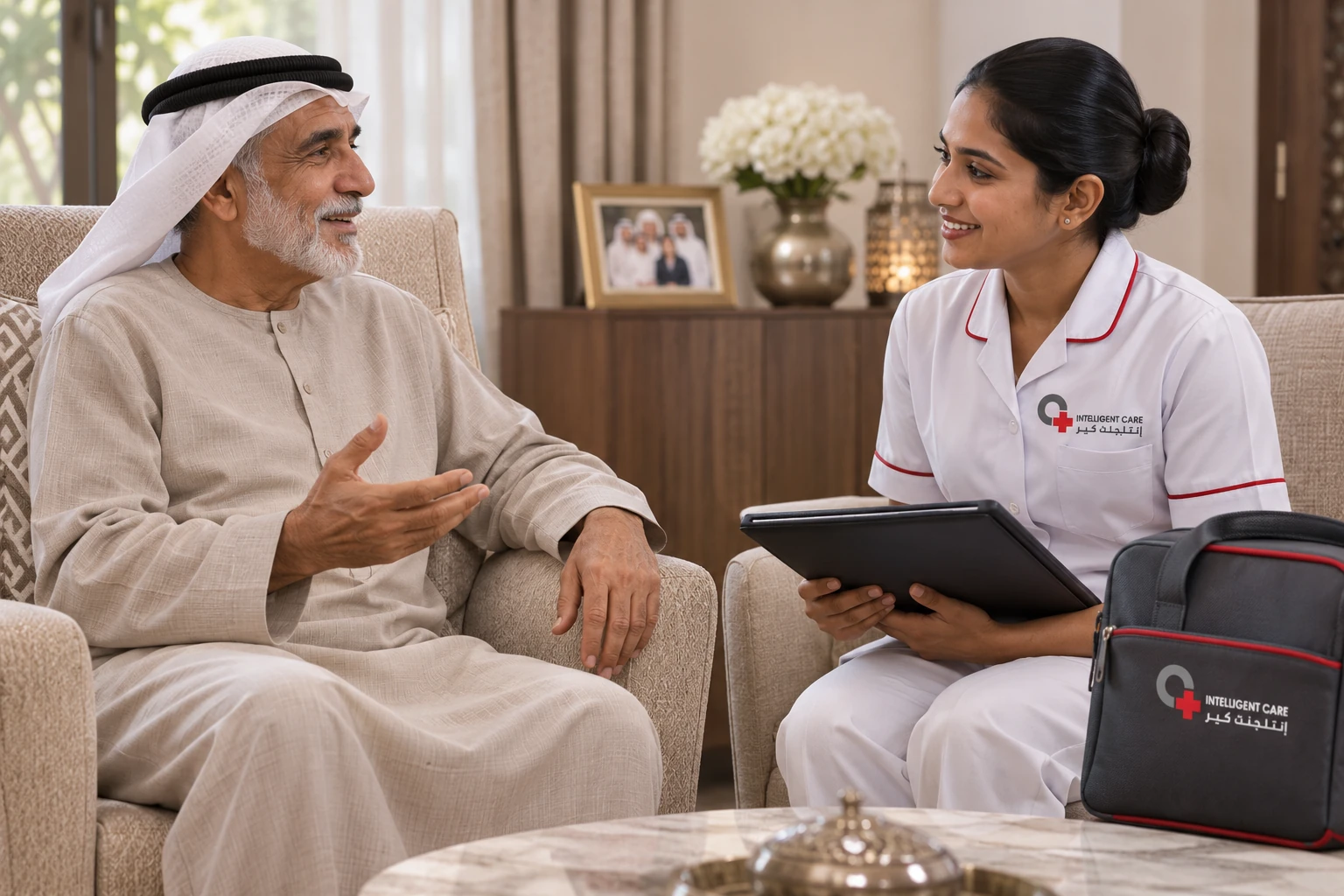
An older person may need clinical nursing without wanting home to feel like a hospital. Intelligent Care brings agreed nursing support into familiar surroundings in Dubai, with attention to current health needs, independence and the family’s practical concerns. The plan starts with the person, not age alone.
 Clinical author assignmentDr Toqa IbrahimTwo clinical perspectivesProfiles & DHA directory links Guidance with sourcesExplore the references
Clinical support for older adults
Tell us which clinical tasks are needed, what the person can manage and what support is already available. Nursing periods can support prescribed care and observations; practical help with daily activities may be delivered by a caregiver as a separate, clearly defined role.
Understand the care

Older adults differ widely in health, mobility and the support they want. Some need a short period of nursing after hospital care; others need ongoing help with an established clinical plan. A useful assessment considers current tasks, usual function, communication and preferences rather than making assumptions from age.
Clinical nursing and practical caregiving can complement one another, but they are not interchangeable. A wound, prescribed procedure or clinical observation needs the appropriate professional. Help with personal routines, meals or companionship may require a different arrangement. The care plan should show who does what.
Several health conditions or medicines can make coordination more important. The person may already see different clinicians, and each new service should connect with that existing care. Clear records and an agreed contact route help avoid conflicting instructions and make a change from the person’s usual condition visible.
Read the clinical sourcesYour discussion priorities
Select the areas you want to discuss. The team will distinguish clinical care from practical daily support.
Share discharge instructions, the current prescription and any wound, device or observation requirements. Identify what is already arranged and what is missing.
Explain the exact nursing work requested, including relevant instructions and supplies. A general request for elderly care does not define a procedure.
Tell us what the clinician has asked to monitor and who reviews the results. New symptoms may need assessment beyond the usual recording routine.
Describe difficulty following the active plan or keeping instructions consistent. Clinical medication changes remain with the appropriate prescriber.
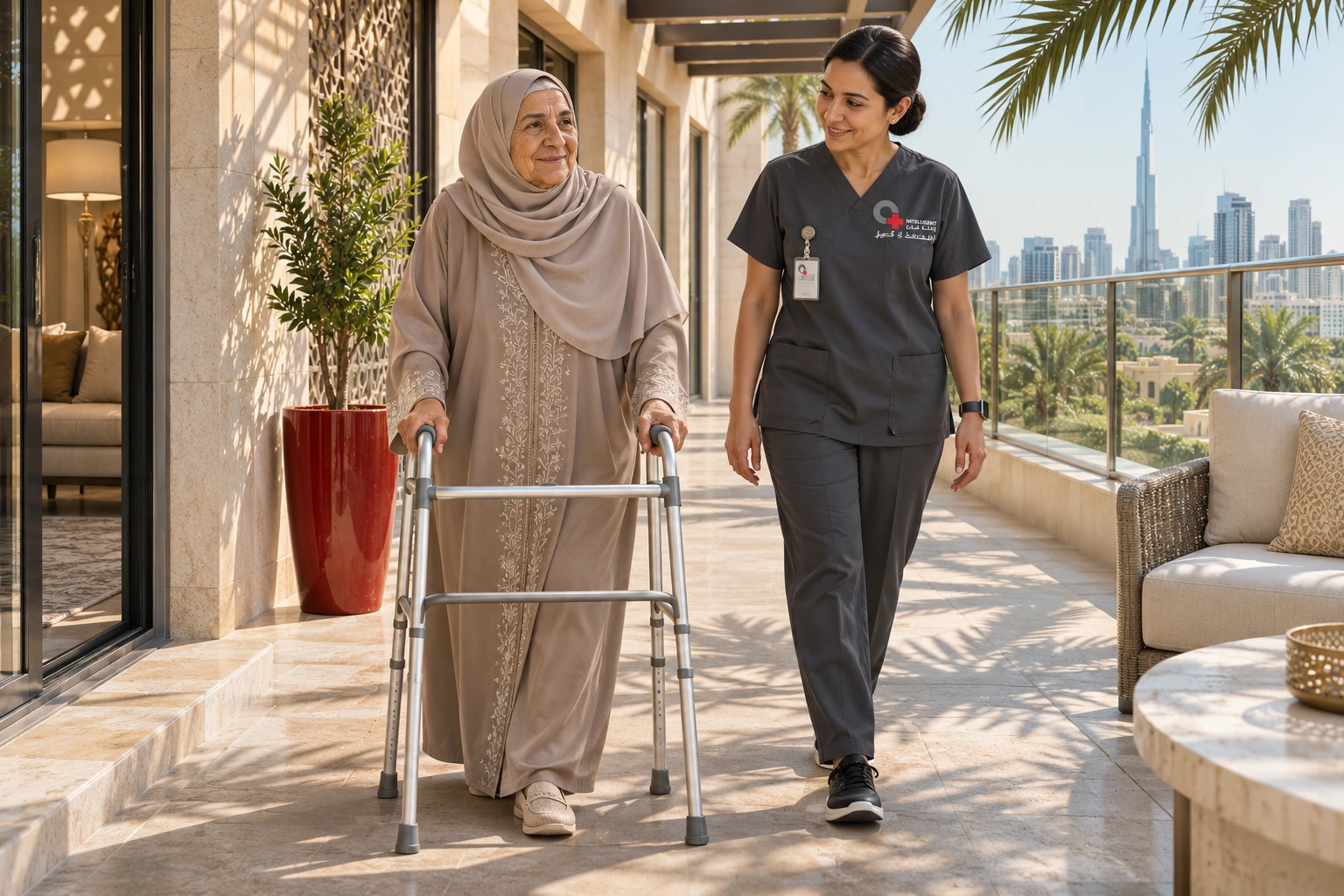
Mention falls, transfer needs, reduced movement or skin changes. The right assessment and equipment should guide support rather than improvised lifting or positioning.
Explain who is involved, how updates should be shared and when support is needed. The person’s wishes and consent remain central.
Your discussion list
Choose the points you would like to discuss.
The first assessment
The assessment combines current clinical needs with the person’s normal daily abilities and preferences.

THE CLINICAL CONVERSATION01—04
Ask about priorities, comfort, independence and preferred communication. Involve relatives as agreed rather than speaking only through them.
Gather diagnoses, prescriptions, discharge information and the clinicians already responsible for review.
Separate professional clinical work from personal care, meals, mobility help or companionship. Confirm any equipment and safe handling needs.
Set nursing duties, hours, documentation and escalation. Identify who reviews a change and how family updates are shared.
What the care involves
The plan should match the actual requirement rather than replace everything the person can still do.
| Care area | Nursing role | Related support |
|---|---|---|
| 01Clinical observations | Carry out and record the observations requested by the treating plan. | A doctor reviews significant changes or a new illness. |
| 02Wounds and skin concerns | Assess and deliver the specifically agreed nursing care. | Pressure, mobility or equipment concerns may need a wider prevention plan. |
| 03Prescribed medicines | Support clinical medication tasks within professional scope. | A pharmacist or prescriber resolves changes or discrepancies. |
| 04Recovery support | Connect nursing duties with discharge instructions and review needs. | Physiotherapy and practical caregiving are separate services when required. |
| 05Continuity and communication | Document care and communicate meaningful changes. | The person and agreed family contact help keep information current. |
Care around the person
A family can support continuity while professionals provide the duties that need their skills.

Ask the person how information should be shared. A named practical contact can reduce repeated or conflicting messages.
Explain normal mobility, communication, appetite and routines. A change from that baseline may be more useful than a broad label such as frail.
Discuss work, travel and overnight availability. Care periods should reflect actual gaps rather than assume that relatives can provide unlimited cover.
The care pathway
The right level of care may change after illness, recovery or a shift in family circumstances.
Gather the person’s priorities and active clinical requirements.
Assign nursing and practical tasks to the appropriate roles.
Deliver care with records and communication around the person.
Reconsider duties and hours when health or daily function changes.
Explore a stage to bring it into focus. Every stage stays visible.
Before care arrives
Bring the information that helps the nurse understand both the current plan and ordinary life.
A personal reminder list.
Nothing is sent or saved.
People and responsibilities
The wider arrangement may involve several services, but each should have an explicit purpose.
Delivers the agreed clinical care and observations, documents findings and escalates concerns.
Reviews medical changes, prescriptions and the need for further assessment or another care setting.
Provides a separately agreed practical or therapy role when that support is needed.
Share preferences, usual function and changes, and participate in the plan as appropriate.
Read the real team profiles and their professional-directory references. Your assigned professional and the scope of care are confirmed through the care arrangement.
Meet our clinical teamContinuity of care
A care plan should be judged by whether it meets current needs, not simply by how long it has been running.
Have nursing tasks or observation instructions changed after a medical review?
What can the person manage, what remains difficult and what support do they want adjusted?
Are the person, family and relevant clinicians receiving understandable, consistent information?
Does the current mix of nursing and practical help still fit the actual requirement?
When to seek medical help
Do not assume a new symptom is an inevitable part of getting older. Follow the person’s clinical action plan.
Immediate medical attention
Prompt clinical assessment
Practical arrangements
The nursing period, clinical scope and funding route are separate parts of the same conversation.
Daily, weekly and monthly nursing plans are available to book. Duties and ongoing coverage are agreed with the team.
The Elderly Care service offers both nursing and caregiving. Clinical tasks remain with the appropriate professional even when practical support is also arranged.
Most arrangements begin with the required service and its cost. CDA-supported care follows the applicable approval and agreed credit/settlement pathway; insurance or CDA cover is not automatic.
Your questions
No. The required tasks determine the professional role. Practical daily support may suit a caregiver, while clinical procedures and nursing observations need the appropriate clinician.
Yes, when the home arrangement is suitable and duties are agreed against the discharge plan. Share the actual instructions and keep specialist follow-up in place.
Longer nursing arrangements are available. The team confirms duty requirements, coverage and staffing rather than assuming one person works continuously.
No. A sudden change in mental state needs immediate medical assessment. Do not wait for a routine nursing appointment or assume it is the person’s usual condition.
A relative can help organize the request, while consent, the person receiving care, the local contact and practical access still need to be clear.
Yes, where separately scoped and agreed. The plan should distinguish clinical tasks from personal care, meals or companionship so the roles are not confused.
Intelligent Care accepts CDA payment following approval, agreed care on credit and later settlement. The team must review the specific approval; this is not a promise that every request is funded.
Request a review of the care plan. A change may require different hours, another professional or another care setting rather than simply continuing the same arrangement.
Expertise with a name
Explore the named clinical profiles, their professional roles and their Dubai Health Authority directory records.
Author assignment
General Practitioner
Dr Toqa Ibrahim is a DHA-licensed General Practitioner with Alpha Intelligent Care Home Healthcare Center. Her clinical profile brings the general-practice perspective into our approach to care at home.
Review assignment
Specialist Clinical Pathology
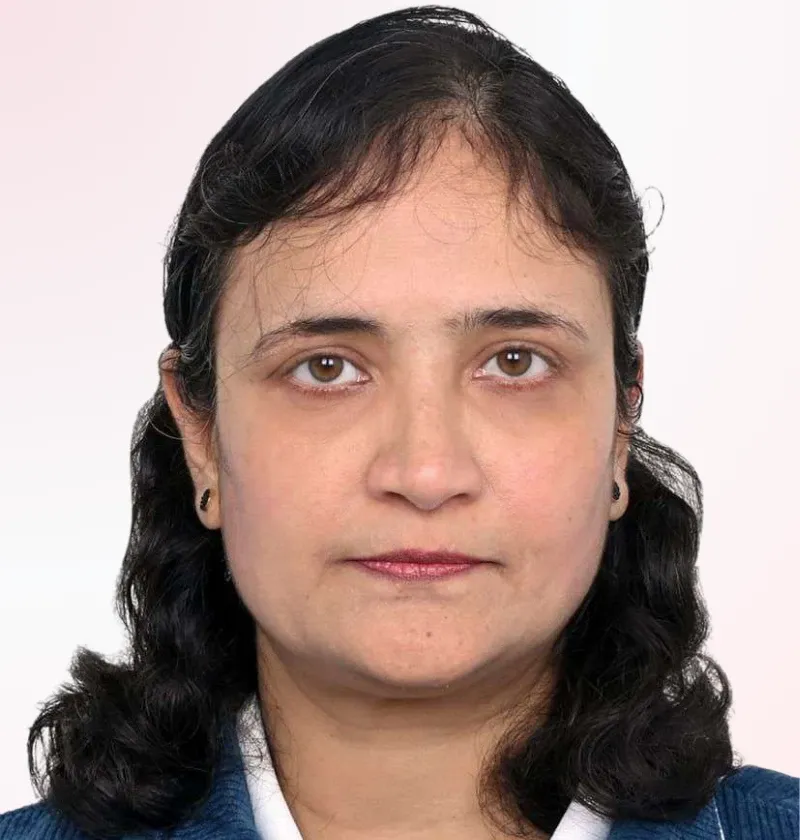
Dr Nirupama Sabhapathy is a DHA-licensed Specialist in Clinical Pathology at Intel Lab. Her published Intel Lab profile describes more than 25 years in medicine and her role as Laboratory Director.
Professional registration describes each clinician’s role. The clinical assessment and the person responsible for your care are confirmed separately.
More care guides


The wider picture
Explore related support, or speak to us about combining services into one plan.
About this guide
General information supports the care conversation; your own assessment determines the plan. Company service information and independent clinical guidance are listed separately below.
Care that comes to you
Across Dubai.
Abu Dhabi — coming soon.