01Onset
A new headache
Describe exactly how it started and what you were doing. A sudden, exceptionally severe onset needs emergency care rather than a routine booking.

Headache, migraine & dizziness · Dubai
A headache can interrupt work, sleep and family life. Dizziness can make even getting to a clinic difficult. Intelligent Care brings a medical conversation and, when suitable, an examination to your Dubai home. Tell us what feels different, how it began and what you need help doing today.

 Clinical author assignmentDr Toqa IbrahimTwo clinical perspectivesProfiles & DHA directory links Guidance with sourcesExplore the references
Headache & balance concerns
Start with a free remote consultation or choose a doctor home visit. Share the concern and important health context so the team can check whether the selected route is appropriate. A telephone conversation cannot replace an examination when one is needed.
Understand the care

Headache is a symptom; migraine is one possible condition. Migraine may involve throbbing pain, nausea and sensitivity to light or sound. Dizziness can mean spinning, unsteadiness or feeling faint. Describing the sensation is more useful at the first conversation than choosing a diagnosis yourself.
A familiar pattern and a new pattern are different clinical conversations. Tell the doctor whether you have had a similar episode before, whether a clinician has diagnosed migraine, and whether this episode differs in onset, intensity or associated symptoms. A previous label should not hide an important change.
The home setting gives space to discuss the practical effect: a darkened room, difficulty looking at a screen, interrupted sleep or concern about walking safely. It does not remove the need for examination, urgent assessment or a specialist opinion when the history indicates one.
Read the clinical sourcesYour discussion priorities
Select the details that matter to your visit. These prompts prepare the conversation; they do not calculate a diagnosis or a risk score.
Describe exactly how it started and what you were doing. A sudden, exceptionally severe onset needs emergency care rather than a routine booking.
Explain the frequency, length and effect of episodes. Bring any previous migraine diagnosis and the plan you have already been advised to follow.
Mention symptoms that accompany the pain and whether they happen before, during or after it. Include any vision or speech change rather than assuming it is an aura.
Use your own words for dizziness. Say whether it happens with a position change, at rest or with another symptom, and whether you can walk safely.
Have the names and frequency of prescription and non-prescription treatments ready. Repeated use of pain medicine is relevant to the assessment.
Explain missed activities, work demands and disrupted sleep. The priority may be relief today, understanding a recurring problem, or deciding who should investigate it further.
Your discussion list
Choose the points you would like to discuss.
The first assessment
The doctor connects your account with the relevant examination. A headache assessment is not just a blood-pressure reading or a prescription request.

THE CLINICAL CONVERSATION01—04
The conversation covers how the episode began, previous episodes, health conditions, pregnancy or recent birth where relevant, and medicines. A change from your usual pattern matters.
The clinician decides which observations and examination are appropriate. This may include relevant neurological, visual, balance or other findings rather than a fixed checklist of tests.
Ask what the visit has established, what remains uncertain and whether imaging, specialist evaluation or urgent care is needed elsewhere.
Discuss the individual management plan, medicine questions and follow-up. Confirm which changes should prompt earlier help and whom to contact.
What the care involves
Not every headache needs a scan, blood test or new medicine. The purpose of each step should be clear.
| Decision | How it helps | What to ask |
|---|---|---|
| 01Symptom history | A diary can make frequency, duration and impact easier to discuss. | Which details should I record without monitoring myself constantly? |
| 02Medicine review | The doctor considers existing prescriptions and how often symptom-relief medicines are used. | Is my current approach still suitable, and who should change it? |
| 03Further assessment | Some patterns or examination findings need another setting or specialty. | What investigation is indicated and how urgently? |
| 04Ongoing management | Recurring migraine or dizziness may need a planned review rather than repeated isolated visits. | What is the goal of the plan and when should we reassess? |
Care around the person
A supporter can help with practical details while leaving room for your own account. You decide who joins the discussion.

Choose a comfortable place for the conversation and tell the team if light, sound or screen use is difficult. The clinician still needs enough light and space for examination.
A family member may remember the onset or an unusual episode. Keep their observations separate from assumptions about what caused it.
Tell the team if dizziness makes standing or walking difficult. Do not drive yourself while dizzy or take a risky journey just to attend a routine appointment.
The care pathway
The next step follows the findings. This is a care sequence, not a promised time to symptom relief.
Share the onset, pattern and associated symptoms.
Combine the history with an appropriate examination.
Discuss management or onward assessment.
Review response, recurrence or a changing pattern.
Explore a stage to bring it into focus. Every stage stays visible.
Before care arrives
Gather what is already available; do not delay urgent care to complete this list.

A personal reminder list.
Nothing is sent or saved.
People and responsibilities
Care works best when you know who assesses, who arranges and who follows up. Named editorial profiles do not select the clinician attending your appointment.
Reviews your symptoms and history, performs an appropriate examination and explains what can be concluded and what needs further investigation.
Provides useful background and continues any established specialist follow-up. A new visit should fit with, rather than silently replace, that plan.
Coordinates the request and practical arrangements. Booking staff do not replace the clinician making diagnostic or prescribing decisions.
Explain your priorities and practical needs. Decide who should be present and what information you are comfortable sharing.
Read the real team profiles and their professional-directory references. Your assigned professional and the scope of care are confirmed through the care arrangement.
Explore a clinical profileDr Toqa IbrahimGeneral PractitionerContinuity of care
The usefulness of a consultation includes knowing what to do if the picture changes.
Ask how to follow your own advice and what to do if it is not helping. Do not borrow someone else’s migraine prescription.
Ask what is worth recording and what follow-up would make recurrent symptoms easier to manage.
Confirm the reason for further assessment and who will receive or discuss the findings.
Ask which new features would require prompt or emergency assessment rather than another routine booking.
When to seek medical help
This is not an exhaustive triage list. A new, severe or changing presentation should be assessed at the appropriate level.
Immediate medical attention
Prompt clinical assessment
Practical arrangements
Choose a free remote consultation or a paid home visit. Check what is included before adding your preferred option; the team will help confirm the appropriate care setting.
Share the full Dubai address, building or hotel and practical access details. If no offered time works, request earliest availability without paying; the team must agree the appointment with you.
A test, medicine, procedure or specialist review is not automatically part of the consultation price. Confirm the clinical reason, arrangements and any separate cost. Insurance depends on your policy and authorization requirements.
Your questions
The doctor assesses the symptom pattern and examination. Migraine is a clinical diagnosis, but another condition or a concerning change may require further assessment. A home consultation does not guarantee a diagnosis in one visit.
Yes, a free remote consultation is available as a separate choice. Explain any concerning symptoms first. The team may advise a physical examination or urgent care instead of continuing remotely.
If you already have one, bring it. A concise record of timing, length, associated symptoms and medicines can help. Do not postpone assessment while trying to create a complete diary.
No. Dizziness describes several sensations and can have different causes. Explain what you feel and any accompanying symptoms rather than selecting a treatment manoeuvre yourself.
Not automatically. The clinician decides whether an investigation is indicated from the history and examination. Imaging, when needed, takes place through an appropriate service.
Any prescription decision follows assessment of your circumstances, existing medicines and prior treatment. Bring the current plan; do not stop or change prescribed treatment because of this page.
They can help describe observed changes with your agreement, but the clinician should hear from you where possible. Tell the team about communication or accessibility needs before the visit.
Seek appropriate medical advice rather than relying on the previous diagnosis. Emergency features such as sudden extreme pain, new weakness, speech difficulty or confusion need immediate assessment.
Expertise with a name
Explore the named clinical profiles, their professional roles and their Dubai Health Authority directory records.
Author assignment
General Practitioner
Dr Toqa Ibrahim is a DHA-licensed General Practitioner with Alpha Intelligent Care Home Healthcare Center. Her clinical profile brings the general-practice perspective into our approach to care at home.
Review assignment
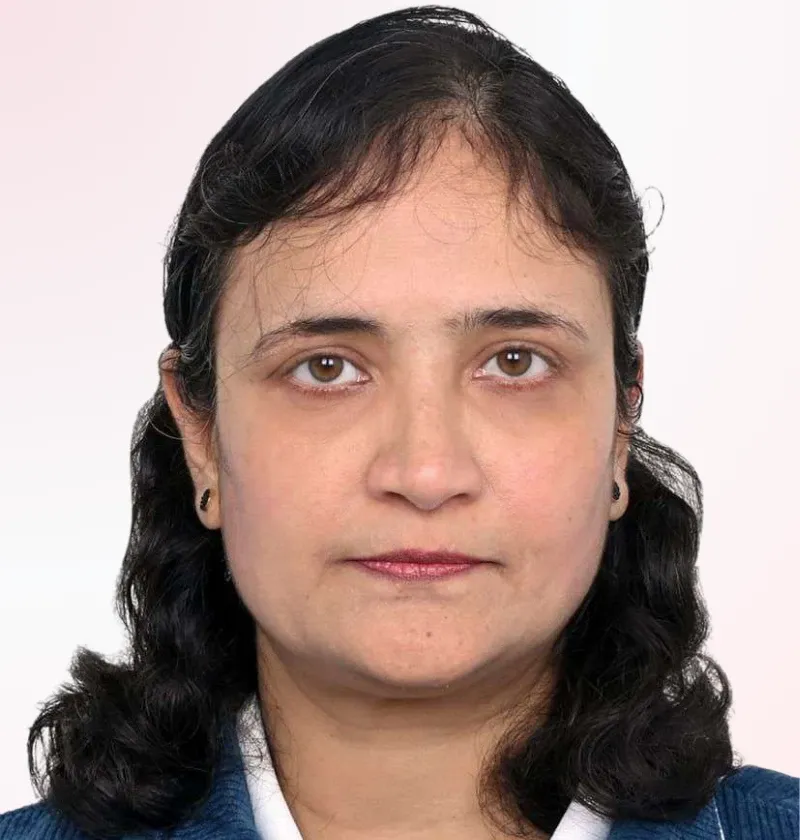
Specialist Clinical Pathology
Dr Nirupama Sabhapathy is a DHA-licensed Specialist in Clinical Pathology at Intel Lab. Her published Intel Lab profile describes more than 25 years in medicine and her role as Laboratory Director.
Professional registration describes each clinician’s role. The clinical assessment and the person responsible for your care are confirmed separately.
More care guides



The wider picture
Explore related support, or speak to us about combining services into one plan.
About this guide
General information supports the care conversation; your own assessment determines the plan. Company service information and independent clinical guidance are listed separately below.
Care that comes to you
Across Dubai.
Abu Dhabi — coming soon.