01Symptoms
A persistent cough
Explain duration, progression, any fever, chest pain or blood, and the effect on sleep and activity.

Respiratory condition review · Dubai
A changing cough, wheeze or concern about an existing asthma plan deserves a clear clinical conversation. A doctor can assess suitable non-emergency respiratory concerns at home and explain the next step. Severe or rapidly worsening breathlessness requires emergency help, not a routine home booking.

 Clinical author assignmentDr Toqa IbrahimTwo clinical perspectivesProfiles & DHA directory links Guidance with sourcesExplore the references
Respiratory symptoms & existing plans
Start with a free remote consultation or choose a doctor home visit. Share the concern and important health context so the team can check whether the selected route is appropriate. A telephone conversation cannot replace an examination when one is needed.
Understand the care
Cough, wheeze, chest tightness and breathlessness can occur with different conditions. An existing asthma diagnosis is relevant, but it does not mean every new symptom has the same cause. Explain what is usual for you and what has changed.
The doctor considers onset, severity, activity tolerance, night-time symptoms, medicines and relevant previous illness. A home consultation may help review an existing plan or assess a suitable new concern, but some presentations need imaging, breathing tests or hospital facilities.
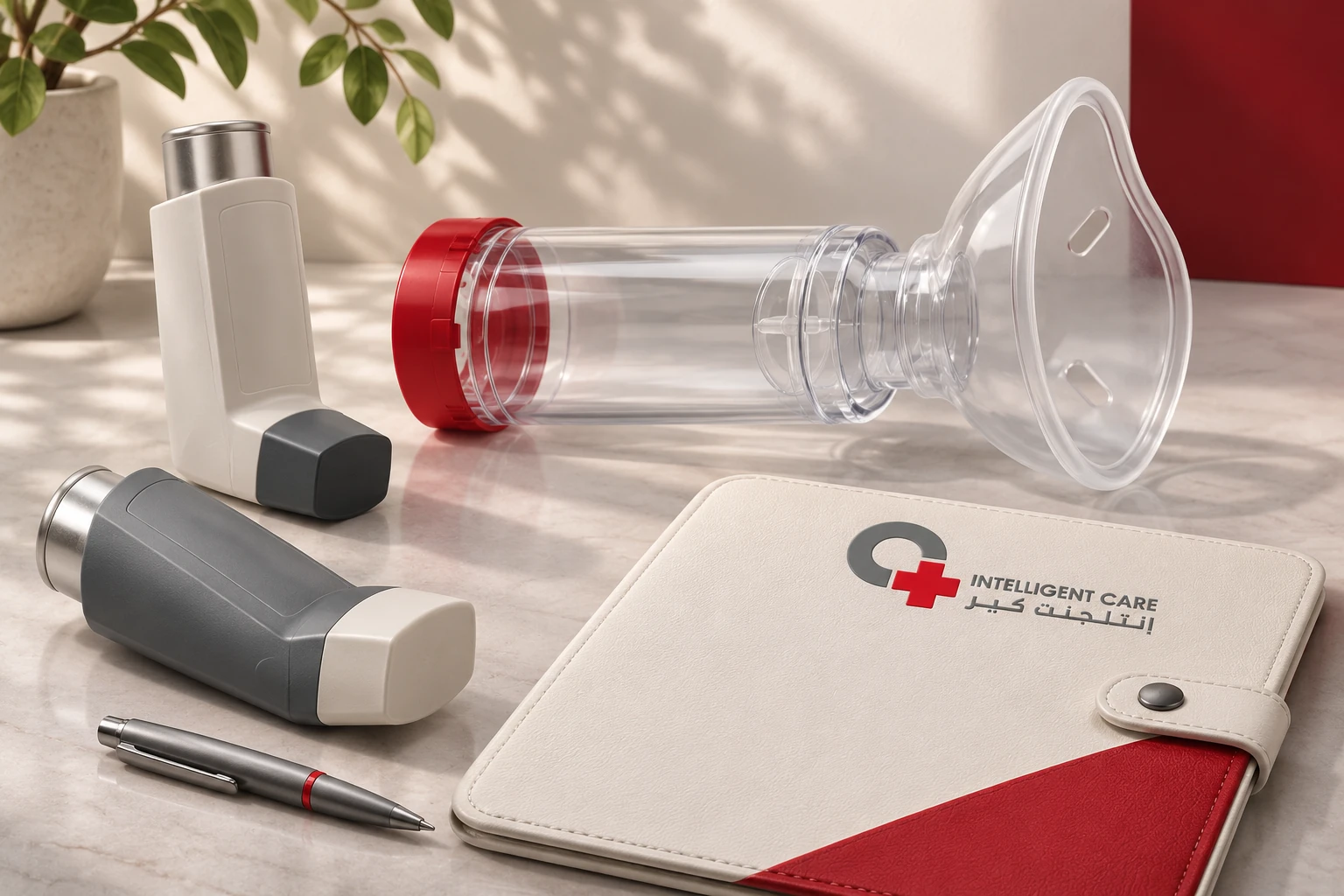
Bring the inhalers and any personal action plan you already use. The review can address technique, treatment questions and follow-up responsibilities. It should not become a generic recommendation for nebulization, antibiotics or oxygen without a clinical reason and appropriate setting.
Start with the change you have noticed: a new cough, symptoms returning after treatment or a question about an established respiratory plan. Explain what is normal for you and what is different today, including the effect on ordinary activity. Bring prescribed devices and the existing plan so the doctor can consider the same information you use at home. The visit should make clear which findings can be assessed in that setting, whether further investigation is needed and who will review any requested results. Serious breathing symptoms need emergency care, not a wait for the next available appointment.
Read the clinical sourcesYour discussion priorities
These prompts organize a non-emergency discussion. Do not use them to decide whether severe breathlessness can wait.
Explain duration, progression, any fever, chest pain or blood, and the effect on sleep and activity.
Describe when it happens and whether existing treatment helps. Mention increasing reliance on your prescribed reliever.
Bring the current action plan and inhalers. Explain recent symptoms, attacks or difficulty using the device.
Share the diagnosis, treatment, investigations and any follow-up instructions. Explain what is improving and what is not.
Describe practical changes such as difficulty with usual walking or waking at night. These help the clinician understand impact.
Mention heart or lung conditions, pregnancy, immune suppression, smoking exposure and current medicines where relevant.
Your discussion list
Choose the points you would like to discuss.
The first assessment
Respiratory assessment begins by considering whether the current setting is appropriate.

THE CLINICAL CONVERSATION01—04
Explain the current breathing difficulty and any rapid change before a routine visit is arranged. Serious symptoms require emergency facilities.
Discuss cough, wheeze, pain, fever, activity, sleep, previous diagnoses and recent treatment.
The clinician chooses relevant observations and chest examination and reviews existing inhalers or other treatment.
Decide whether home management, a selected test, imaging, specialist review or urgent assessment is appropriate, with a clear follow-up plan.
What the care involves
The most visible equipment is not always the most useful next step.
| Element | Purpose | Question to ask |
|---|---|---|
| 01Clinical review | Compare symptoms and examination with the person’s usual state. | What has changed and what does it mean for care? |
| 02Inhaler discussion | Review how an existing prescribed device is used and whether the plan needs attention. | Am I using this device as intended? |
| 03Selected investigations | Answer a clinical question that the visit alone cannot resolve. | Is a breathing test, image or laboratory test needed? |
| 04Follow-up and action plan | Clarify routine review and what to do for deterioration. | Which symptoms mean I should seek earlier help? |
Care around the person
Family observations are useful when they describe change accurately and respect the person’s own account.

Explain what the person normally manages and how breathing or activity has changed. Avoid assuming that age or a known diagnosis explains deterioration.
Bring prescribed inhalers, spacers and the personal action plan to the discussion. Do not substitute another person’s device or medicine.
Anyone helping should understand the existing emergency instructions and when a routine appointment is no longer appropriate.
The care pathway
The sequence is for suitable non-emergency review, not management of a severe breathing attack.
Share symptoms, usual function and the existing plan.
Review the history, examination and treatment use.
Clarify management or onward investigation.
Reassess response and update the appropriate clinician.
Explore a stage to bring it into focus. Every stage stays visible.
Before care arrives
No extra device needs to be purchased just to prepare for a consultation.
A personal reminder list.
Nothing is sent or saved.
People and responsibilities
Care works best when you know who assesses, who arranges and who follows up. Named editorial profiles do not select the clinician attending your appointment.
Reviews your symptoms and history, performs an appropriate examination and explains what can be concluded and what needs further investigation.
Provides useful background and continues any established specialist follow-up. A new visit should fit with, rather than silently replace, that plan.
Coordinates the request and practical arrangements. Booking staff do not replace the clinician making diagnostic or prescribing decisions.
Explain your priorities and practical needs. Decide who should be present and what information you are comfortable sharing.
Read the real team profiles and their professional-directory references. Your assigned professional and the scope of care are confirmed through the care arrangement.
Explore a clinical profileDr Toqa IbrahimGeneral PractitionerContinuity of care
A respiratory review should make both routine follow-up and earlier escalation understandable.
Discuss whether ordinary activity and sleep are becoming more manageable or more restricted.
Report difficulty using devices, unwanted effects or a changing need for symptom-relief treatment.
Confirm who reviews a new result and what action follows it.
Keep agreed follow-up with the responsible clinician, especially after a significant episode or change in treatment.
When to seek medical help
A home-visit request is not an ambulance or emergency respiratory service.
Immediate medical attention
Prompt clinical assessment
Practical arrangements
Choose a free remote consultation or a paid home visit. Check what is included before adding your preferred option; the team will help confirm the appropriate care setting.
Share the full Dubai address, building or hotel and practical access details. If no offered time works, request earliest availability without paying; the team must agree the appointment with you.
A test, medicine, procedure or specialist review is not automatically part of the consultation price. Confirm the clinical reason, arrangements and any separate cost. Insurance depends on your policy and authorization requirements.
Your questions
The clinician can assess symptoms and examination findings, but further tests or hospital assessment may be needed. The setting and severity determine the route; pneumonia should not be assumed from a cough.
No. A device or treatment is chosen only when clinically appropriate and within the confirmed service scope. A respiratory booking does not prescribe a procedure.
Bring the actual prescribed device and instructions. The clinician can discuss its use and whether the existing plan needs further review.
Follow your own prescribed action plan and seek appropriate advice. This page does not replace that plan or authorize an independent dose change.
They do not by themselves establish the full diagnosis or treatment. The doctor considers the complete clinical picture.
Share the diagnosis, treatment and follow-up instructions, and describe what has changed. Persistent or worsening symptoms may need reassessment rather than simply more time at home.
No automatic inclusion is implied. Those are separate clinical and practical decisions and may require another setting.
No. Seek emergency help for severe breathing difficulty or other emergency features. A pending home appointment must not delay that response.
Have the current medicine list, prescribed inhalers or other existing devices, relevant reports and any written action plan available. Explain how you have been following the instructions and where they are unclear. Do not alter the prescribed treatment simply to prepare for an examination or demonstrate symptoms.
Yes, share the diagnosis given, treatment dates, medicines and the change you are concerned about. A follow-up should relate to the earlier assessment without assuming its findings still explain the current picture. The clinician may recommend further testing or another setting if the symptoms or examination require it.
Before the consultation ends, clarify who will explain any tests, which instructions apply now and what should prompt earlier help. If you already have a respiratory specialist, discuss what information needs to be shared. A booked home consultation does not automatically replace ongoing specialist follow-up or emergency arrangements.
Expertise with a name
Explore the named clinical profiles, their professional roles and their Dubai Health Authority directory records.
Author assignment
General Practitioner
Dr Toqa Ibrahim is a DHA-licensed General Practitioner with Alpha Intelligent Care Home Healthcare Center. Her clinical profile brings the general-practice perspective into our approach to care at home.

Review assignment
Specialist Clinical Pathology
Dr Joyce Jose is a DHA-licensed Specialist in Clinical Pathology at Intel Lab. Her public professional record includes pathology practice in the UAE and earlier experience as a professor at Gulf Medical University.
Professional registration describes each clinician’s role. The clinical assessment and the person responsible for your care are confirmed separately.
More care guides



The wider picture
Explore related support, or speak to us about combining services into one plan.
About this guide
General information supports the care conversation; your own assessment determines the plan. Company service information and independent clinical guidance are listed separately below.
Care that comes to you
Across Dubai.
Abu Dhabi — coming soon.