Agree what is necessary
Choose the information requested by the care plan and the changes that matter to the family. Avoid collecting data simply because an app or device makes it easy.

Wellbeing & vital observations · Dubai
Wellbeing observations are useful when they have a purpose, a suitable method and someone responsible for review. We distinguish everyday caregiver observations from clinical nursing measurements and keep both connected to the older person’s current care plan.

 Clinical author assignmentDr Toqa IbrahimTwo clinical perspectivesProfiles & DHA directory links Guidance with sourcesExplore the references
Wellbeing and agreed clinical observations
Tell us what is to be observed, why it has been requested and who will review it. A caregiver may report relevant everyday changes; clinical measurements or nursing assessment require the appropriate role and instructions. A device reading should not become an unsupported diagnosis or a reason to delay help for serious symptoms.
Understand the care
Families may notice a change in appetite, comfort, alertness or everyday ability. These observations can be useful when described clearly and shared with the appropriate professional. They do not need to be converted into a score or diagnosis by the person providing practical care.
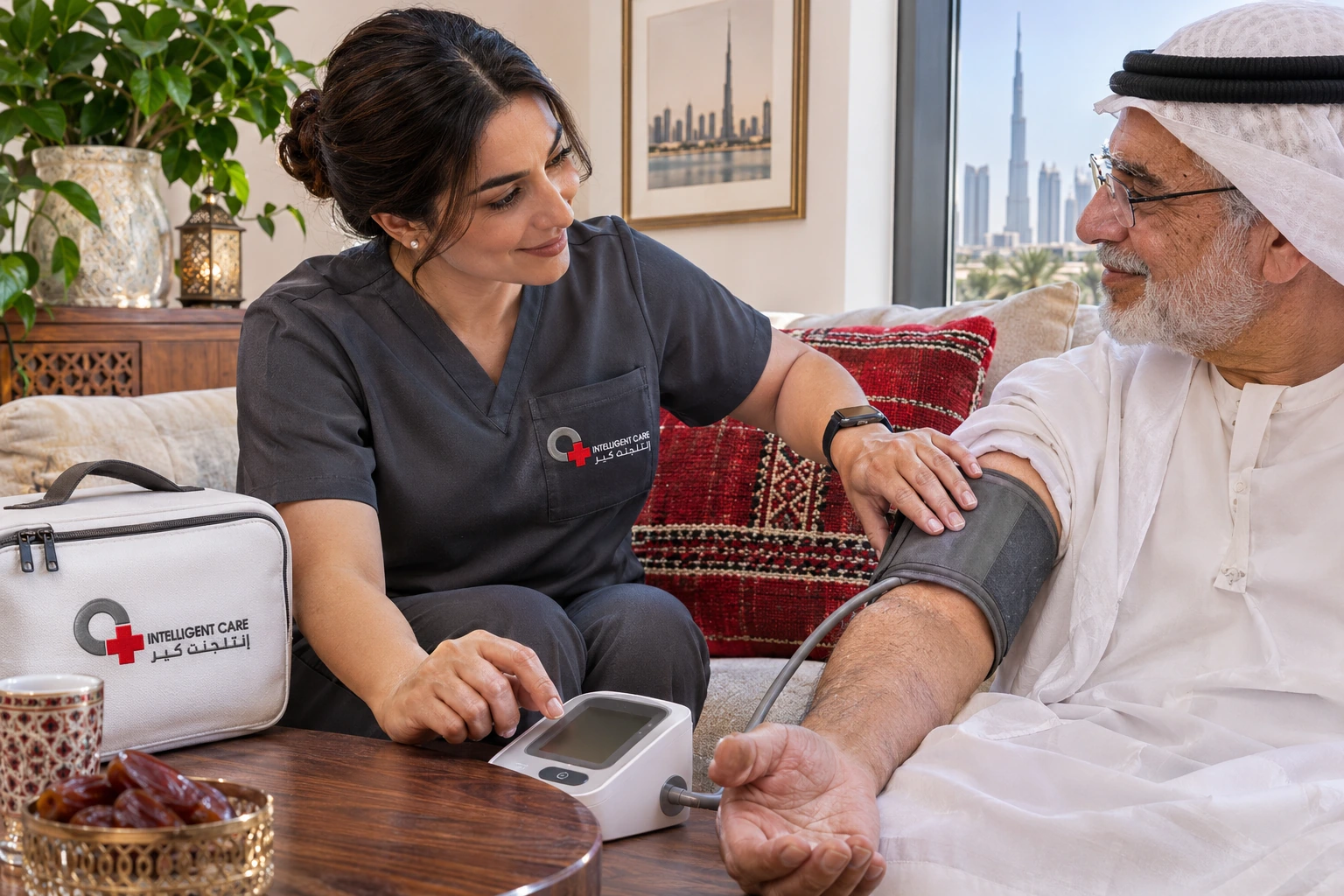
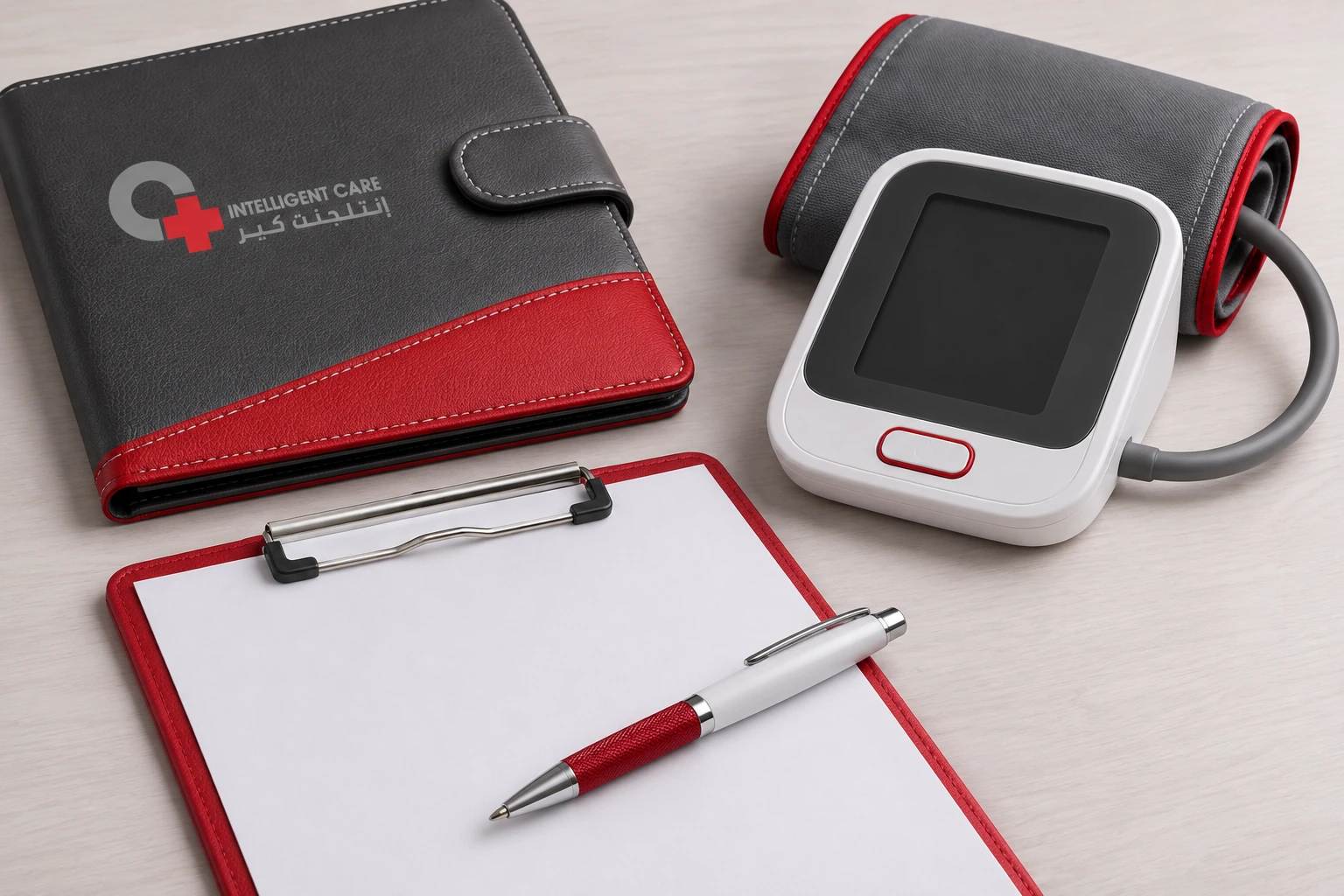
Clinical observations such as blood pressure or other measurements have a different purpose. The method, timing, equipment and response should follow the individual care plan and appropriate professional scope. Repeated measurements without a reviewer can create work and worry without answering the clinical question.
The person’s symptoms and overall condition remain important. A reassuring-looking number does not rule out a serious problem, and an unexpected result does not authorize a caregiver to change treatment. The plan should make it clear who to contact and what requires urgent help.
Read the clinical sourcesSupport for the caregiver
The person’s privacy and everyday life matter alongside the need for useful information.
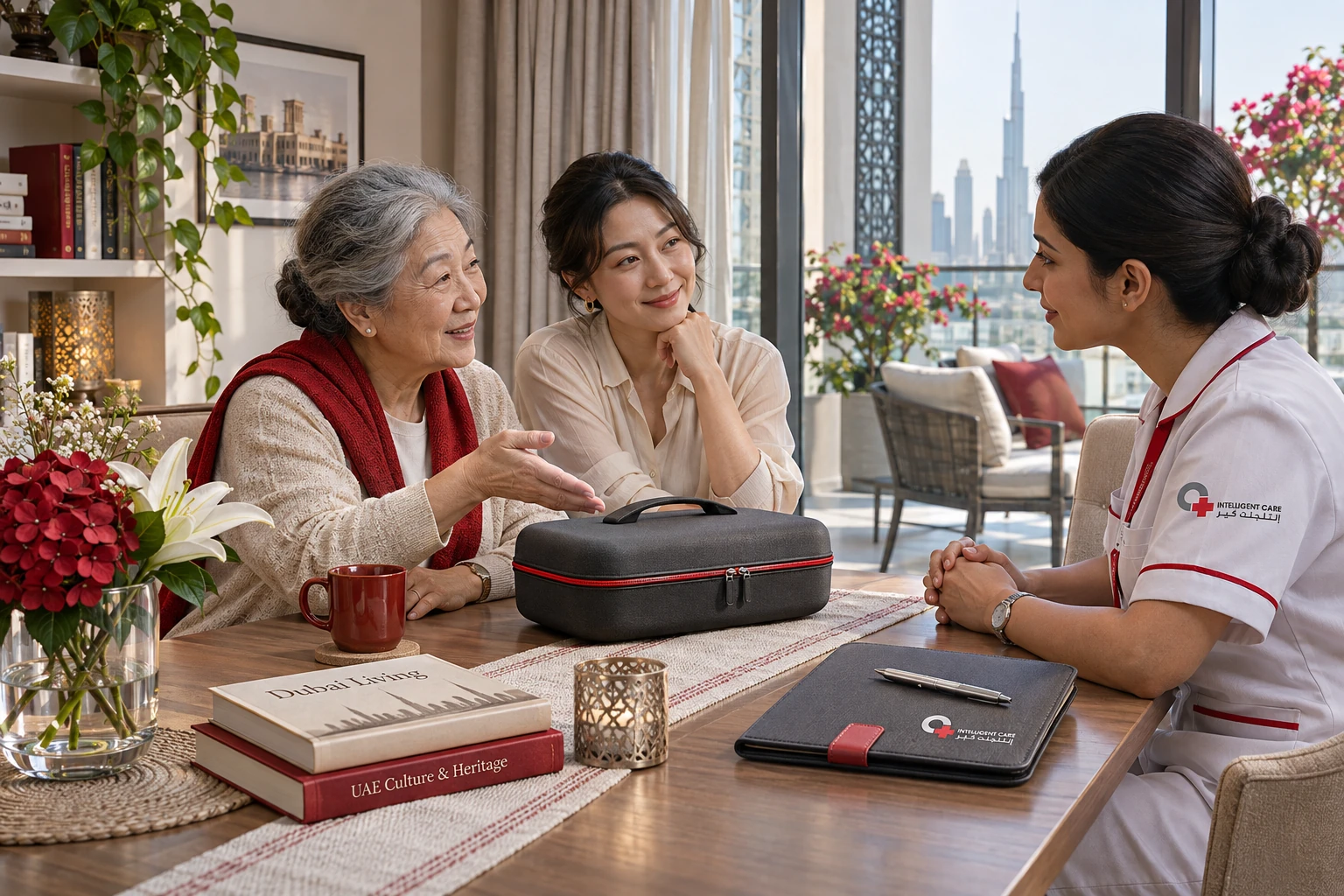
Choose the information requested by the care plan and the changes that matter to the family. Avoid collecting data simply because an app or device makes it easy.
Record relevant timing and circumstances when asked. A number copied without context may be difficult for the responsible clinician to interpret.
Explain what is being observed and why. Information sharing should follow the agreed care arrangement rather than automatically include every relative or payer.
The rhythm of a day
Select the observation or communication priority. This is not a vital-sign calculator, risk score or diagnostic tool.
Describe a difference in comfort, appetite, alertness or usual activities, with timing and context. A factual description is more useful than an unqualified label such as stable or deteriorating.
Share exactly what the clinician has asked to be measured and by whom. The task must fit the professional role and use the appropriate method and equipment.
Identify who receives the information and when. A record without a responsible reviewer should not be treated as an active monitoring service.
Keep individualized advice about when and how to seek help available. Do not substitute a generic website threshold for the person’s clinical instructions.
Explain the device, any training and practical problems. A caregiver should not improvise a clinical measurement method or assume every consumer device is suitable.
Agree what information is useful to share, with whom and through which route. Protect privacy and avoid unnecessary repeated messages or readings.
Your discussion list
Choose the points you would like to discuss.
The first assessment
The first discussion should establish why information is being collected and who acts on it.

THE CARE CONVERSATION01—04
Clarify whether the need is ordinary wellbeing reporting or a clinical observation task. Bring the clinician’s instructions where measurements have been requested.
Match the task to the appropriate professional, equipment and documentation. Do not assume practical caregiving includes every clinical measurement.
Identify the responsible clinician, routine sharing and urgent escalation. The person and family should know what happens after the information is recorded.
Check whether the observation remains necessary and whether the plan changes after clinical review. More frequent recording is not automatically more appropriate care.
Before care arrives
A device and a notebook are not a complete clinical monitoring arrangement.
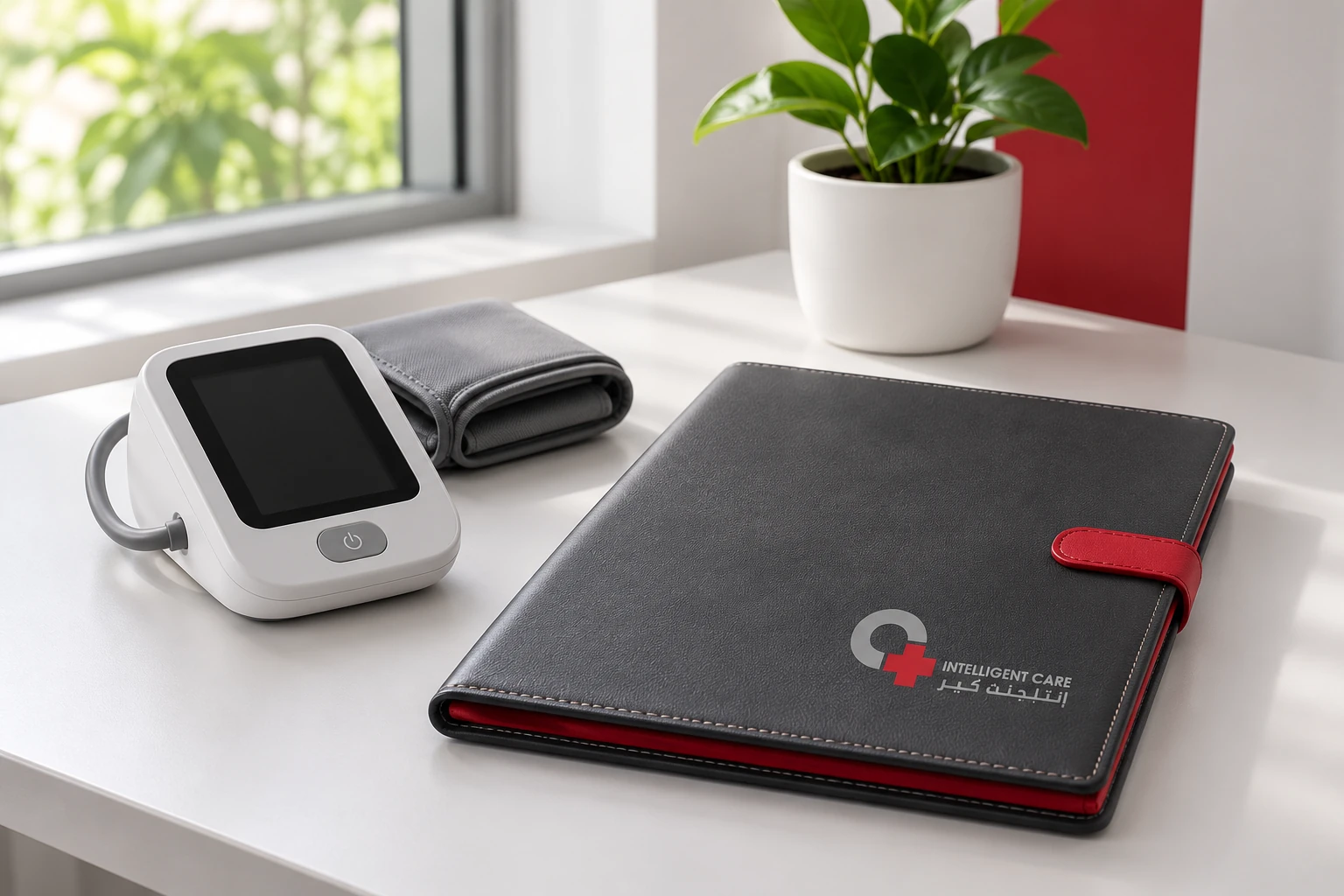
A personal reminder list.
Nothing is sent or saved.
What the care involves
Different kinds of information have different responsibilities.
| Information | Appropriate contribution | Important limit |
|---|---|---|
| 01Everyday wellbeing | A caregiver reports relevant changes noticed during agreed support. | Observation is not diagnosis or a guarantee that the person is well. |
| 02Clinical measurements | A suitable professional follows the requested method and instructions. | A device does not replace clinical assessment or authorize treatment changes. |
| 03Records and handovers | Keep timing, context and the current plan clear. | Do not create several competing logs with no identified reviewer. |
| 04Escalation | Follow the individualized contact and emergency pathway. | Serious symptoms should not wait for another reading or a routine visit. |
The care pathway
The sequence is an information pathway, not a promise of continuous monitoring or immediate clinical response.
Define the purpose, role and method.
Collect the agreed information appropriately.
Send it through the agreed review route.
Follow the clinician’s advice or urgent pathway.
Explore a stage to bring it into focus. Every stage stays visible.
People and responsibilities
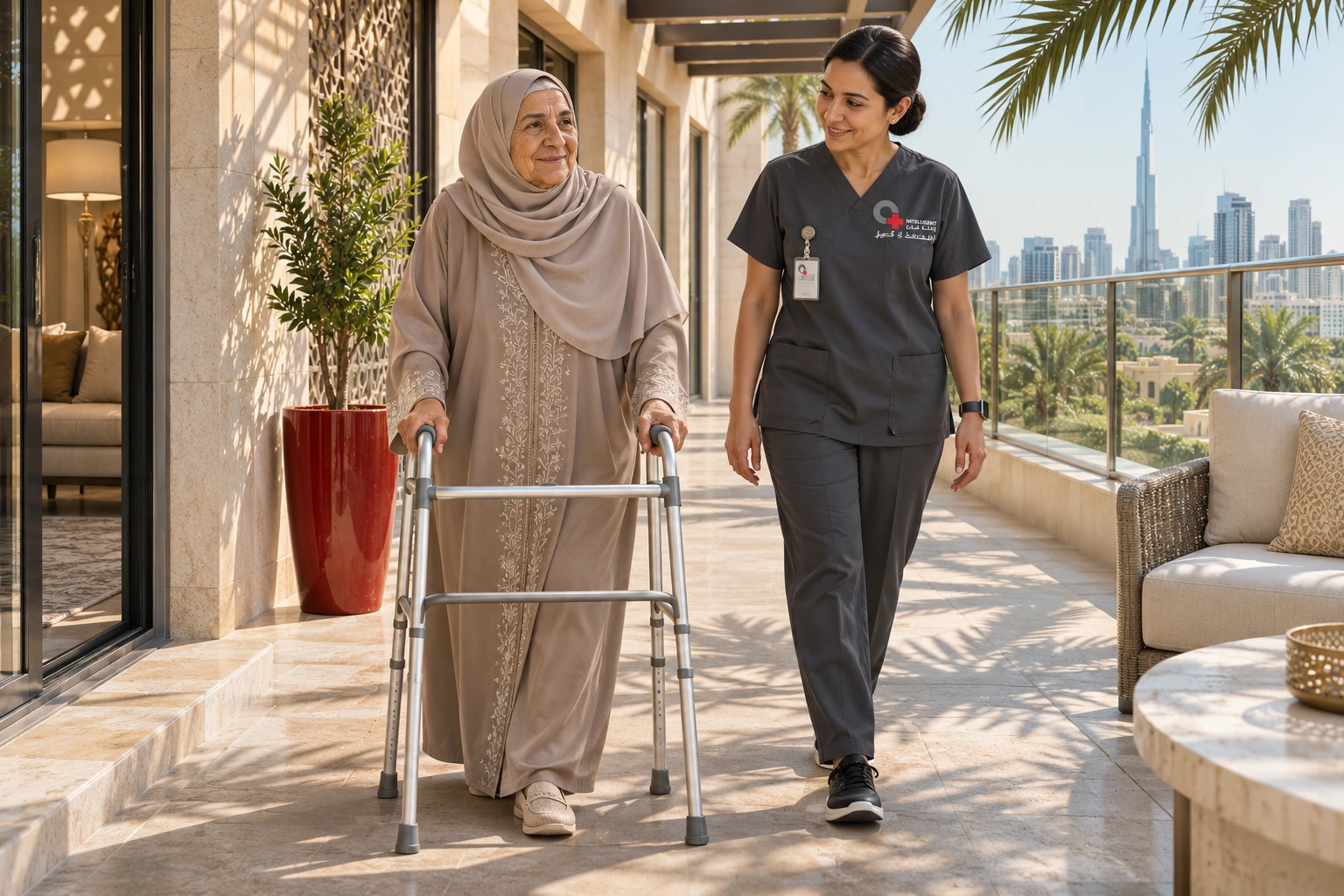
Age alone does not determine the professional you need. Start with the person’s priorities, the practical help required and any clinical task in the existing plan.
Supports agreed everyday activities and reports relevant changes. A caregiver does not diagnose illness, independently alter medicines or replace a nurse for clinical procedures.
Assesses and delivers nursing care within the agreed clinical scope, instructions and professional responsibilities. Explain specialist procedures or equipment before booking so competence and supplies can be confirmed.
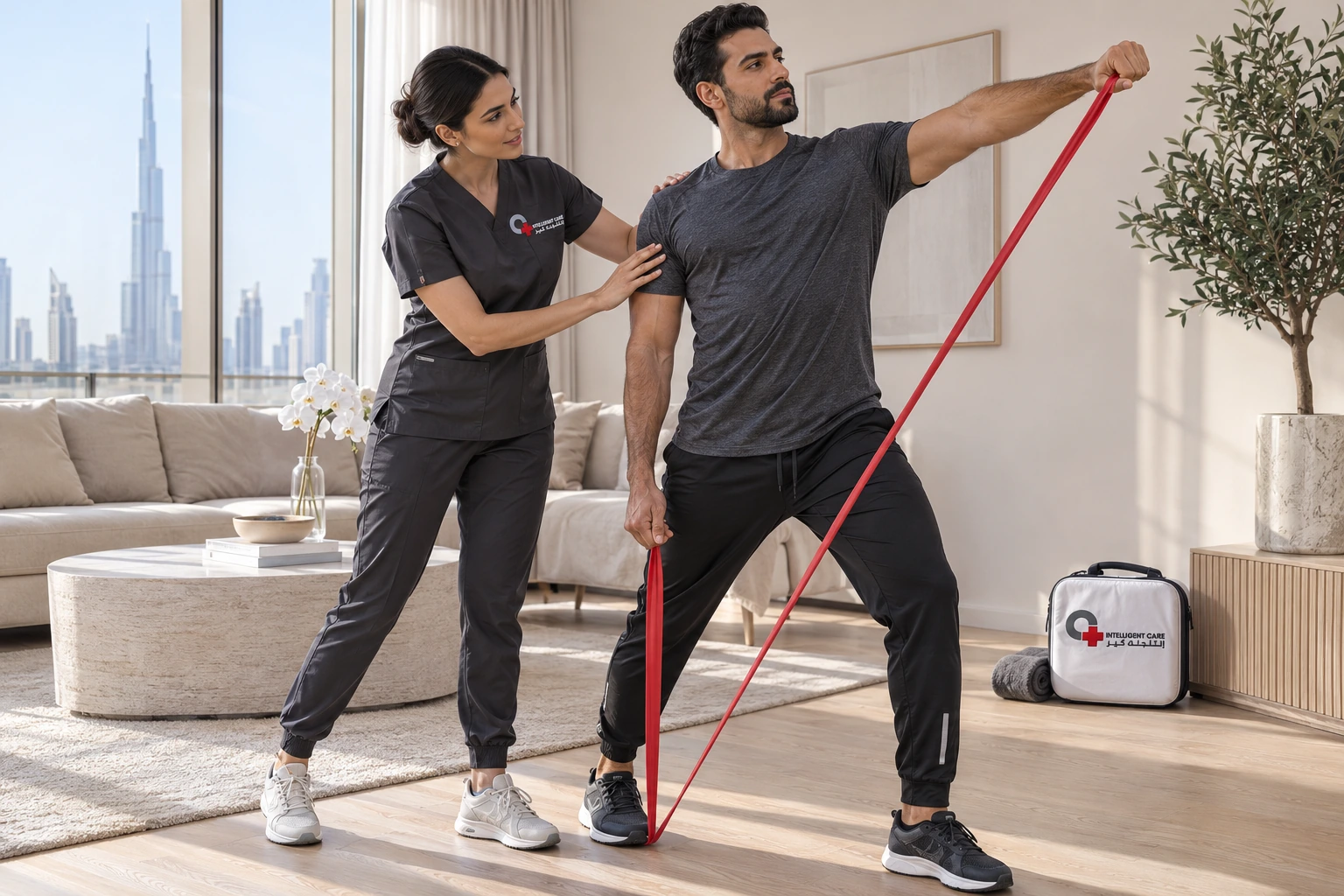
Make the relevant clinical decisions and guide specialist treatment, rehabilitation or nutrition where needed. Home support should connect with that advice rather than replace it by default.
Coordinate practical arrangements and agreed communication. Involve the older person directly, respect their choices and identify who may receive information, rather than assuming every relative has the same authority.
Read the real team profiles and their professional-directory references. Your assigned professional and the scope of care are confirmed through the care arrangement.
Meet our clinical teamContinuity of care
The record should lead to an appropriate review or action when needed.
Confirm that the intended professional received and considered the relevant observations.
Update the plan when instructions change and remove outdated thresholds or routines.
Review whether the measurement or record remains indicated rather than continuing indefinitely by habit.
Seek appropriate assessment for new or serious symptoms even if recent observations seemed reassuring.
When to seek medical help
A normal-looking reading cannot exclude every serious illness. Use the appropriate clinical response when the person appears unwell.
Immediate medical attention
Prompt clinical assessment
Practical arrangements
Choose nursing or caregiving for the agreed duties, then the short- or long-term period that fits. You can compare the published prices for standard plans and add your chosen period to the care bag. Custom and annual arrangements begin with a care enquiry so the team can clarify the duties, schedule and price.
Most families begin by arranging the support they need directly. The plan should make the professional role, coverage period, duties and additional services clear. A monthly 24-hour arrangement is coordinated coverage, not one person working continuously without rest.
Intelligent Care accepts CDA payment for approved arrangements. Share the approval so the team can confirm its scope before care begins; agreed care normally proceeds on credit and CDA settles later. Approval is not automatic, and CDA is the payer in this pathway, not the clinical regulator.
An earliest-available request remains pending agreement and does not collect payment. Use the custom route for a complex schedule or uncertain clinical scope. Insurance, where relevant, is checked separately against the policy and any authorization requirements.
Your questions
No continuous monitoring or immediate clinician response is implied. The service arrangement must state which observations are taken, by whom, how they are shared and who reviews them. Agree how a concerning observation will be communicated, including what to do when the usual professional contact is unavailable.
No automatic scope is implied. Clinical measurements need the appropriate professional role, method and instructions. A caregiver’s ordinary wellbeing observations are different from nursing assessment or a clinically directed monitoring task.
No single measurement rules out every serious problem. Symptoms and the person’s overall condition matter. Serious breathing difficulty, chest pain, sudden confusion or other urgent concerns should not wait for another device reading.
Follow the individualized advice and seek clinical help for the concern. Increasing frequency without a purpose or reviewer can add confusion. A monitoring schedule should be set for the person’s situation, not copied from a generic example.
The appropriate clinician or professional identified in the care plan. A caregiver or coordinator should not diagnose from readings, change medicines or declare a condition controlled without the relevant clinical assessment.
Agree information sharing with the person and team. Keep updates relevant and proportionate, and identify the main contact. A relative arranging payment does not automatically receive every clinical detail.
Follow the individualized instructions and contact the responsible professional. If the person has serious symptoms, seek urgent help. Do not make a treatment change or repeatedly recheck until a preferred number appears.
Describe the purpose and requested observations first. The team can clarify whether practical caregiving, nursing or another service is appropriate. You can choose from our listed care plans; uncertain or complex monitoring requirements should begin with a custom enquiry.
Expertise with a name
Explore the named clinical profiles, their professional roles and their Dubai Health Authority directory records.
Author assignment
General Practitioner
Dr Toqa Ibrahim is a DHA-licensed General Practitioner with Alpha Intelligent Care Home Healthcare Center. Her clinical profile brings the general-practice perspective into our approach to care at home.
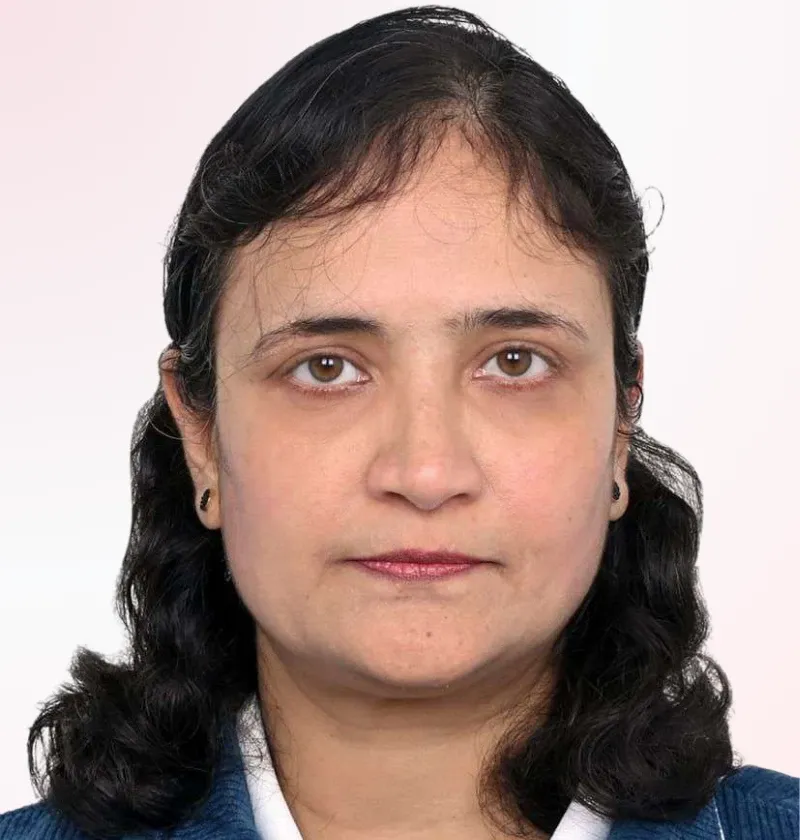
Review assignment
Specialist Clinical Pathology
Dr Nirupama Sabhapathy is a DHA-licensed Specialist in Clinical Pathology at Intel Lab. Her published Intel Lab profile describes more than 25 years in medicine and her role as Laboratory Director.
Professional registration describes each clinician’s role. The clinical assessment and the person responsible for your care are confirmed separately.
More care guides


The wider picture
Explore related support, or speak to us about combining services into one plan.
About this guide
General information supports the care conversation; your own assessment determines the plan. Company service information and independent clinical guidance are listed separately below.
Care that comes to you
Across Dubai.
Abu Dhabi — coming soon.