01Everyday pattern
Feeding observations
Record the specific facts requested by your clinician or useful to your handover. Explain what changed and when, rather than giving the baby a pass or fail based on one feed.

Growth & wellbeing checks · Dubai
Parents notice small changes long before they have a name for them. Practical support can help keep useful observations and appointments organized, while your baby’s healthcare professional assesses growth, development and wellbeing. We keep those responsibilities distinct.

 Clinical author assignmentDr Toqa IbrahimTwo clinical perspectivesProfiles & DHA directory links Guidance with sourcesExplore the references
Practical support around baby wellbeing
Tell us what you want help keeping track of and whether a clinician has requested a particular record. A caregiver can support everyday routines and share factual changes. We do not present informal weighing, a milestone checklist or a home-care visit as a substitute for the baby’s scheduled health and development reviews.
Understand the care
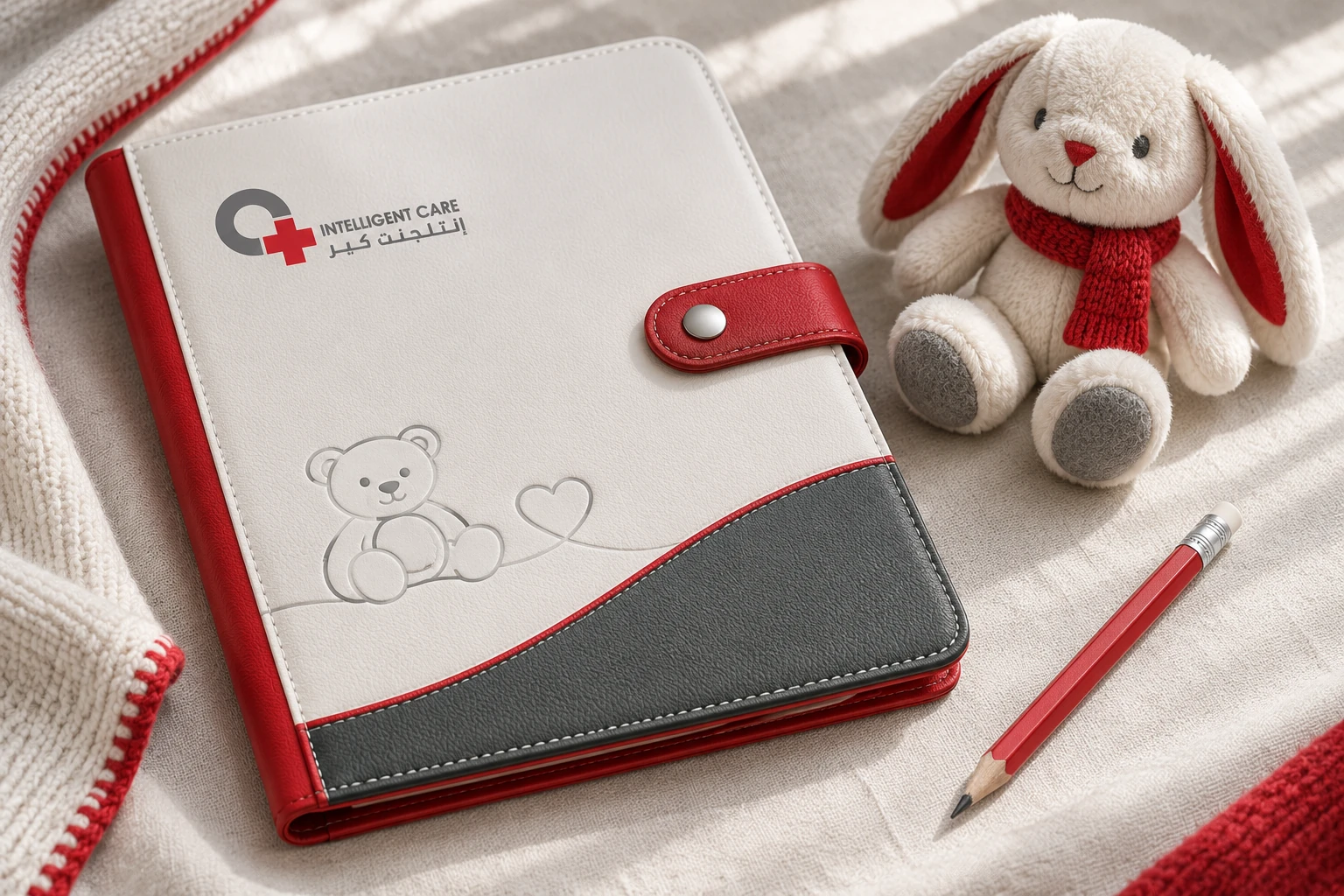
Everyday wellbeing includes how a baby feeds, responds, settles and takes part in age-appropriate experiences. Families may find it useful to keep a few observations together, especially when different adults provide care. The record should help a conversation, not turn each day into a test that the baby must pass.
Growth and developmental assessment need clinical context. Measurements should be taken and interpreted appropriately, alongside the baby’s history and examination where indicated. A single number, a comparison with another child or an online milestone list cannot establish that development is normal or diagnose a problem.
Practical caregiver support can help the family follow existing instructions, prepare questions and keep appointments visible. If a parent is worried, that concern deserves a conversation with the child’s healthcare professional. The purpose of a clear routine is to support the family and make relevant information easier to share.
Read the clinical sourcesTwo care perspectives
Choose information that would help your family or the next clinical conversation. This is not a developmental screening tool.
Record the specific facts requested by your clinician or useful to your handover. Explain what changed and when, rather than giving the baby a pass or fail based on one feed.
A simple factual handover can help different adults understand the day. If a change concerns you, seek advice rather than waiting for the record to become more complete.
Keep the next measurement or review appointment visible and bring the child’s existing record. Do not replace a clinical growth review with frequent informal weighing.
Write down the activity or response you are wondering about. Describe what you see in your own words instead of assigning a diagnosis or comparing the baby with another child.
Share any specific observation plan from the baby’s clinician, including who reviews it and what should prompt earlier contact. A caregiver follows the agreed practical role within that plan.
Agree which updates are helpful, who receives them and how they are shared. Protect the baby’s information and avoid unnecessary photographs or messages to a large group.
Your discussion list
Choose the points you would like to discuss.
The first assessment
A clear distinction between observation and assessment prevents false reassurance and unnecessary alarm.

THE CARE CONVERSATION01—04
Explain whether you want practical record-keeping help or are worried about a clinical change. The latter needs the appropriate healthcare professional, even if practical support is also useful.
Bring the child’s health record, current advice and planned reviews. A request for observations should state the purpose and who will interpret the information.
Choose the few facts that matter and how they will be handed over. Avoid collecting measurements simply because a device or an app makes it possible.
Know when to contact the baby’s clinician and what requires urgent help. A record does not need to be complete before you seek advice about an unwell baby.
What the care involves
Each part has a different purpose. Caregiver support should not quietly take on a clinical responsibility.
| Information | Practical support | Clinical responsibility |
|---|---|---|
| 01Everyday changes | Share factual observations agreed with the parents, including timing and context. | Assess whether a change suggests illness or needs investigation. |
| 02Growth information | Keep existing measurements and appointments organized. | Take and interpret appropriate measurements in the child’s clinical context. |
| 03Development questions | Help parents prepare clear examples and questions. | Perform the appropriate assessment or arrange referral when indicated. |
| 04Follow-up instructions | Keep the current plan available to the adults helping at home. | Set the clinical review schedule and change it when necessary. |
Care around the person
Useful information is easier to understand when everyone uses the same current plan and respects the family’s boundaries.

Choose a small set of useful observations instead of asking each adult to collect something different. A clear purpose makes the record easier to maintain and easier for a clinician to interpret.
A note is more useful when it says when the observation happened and what the parent noticed. Avoid labels such as normal or abnormal when the observer is not making a clinical assessment.
Do not let the record take over the time spent responding to the baby. Agree who sees the information and avoid sharing images or details beyond those involved in the care arrangement.
Before care arrives
Bring the information you have. Do not delay advice because a record is missing.
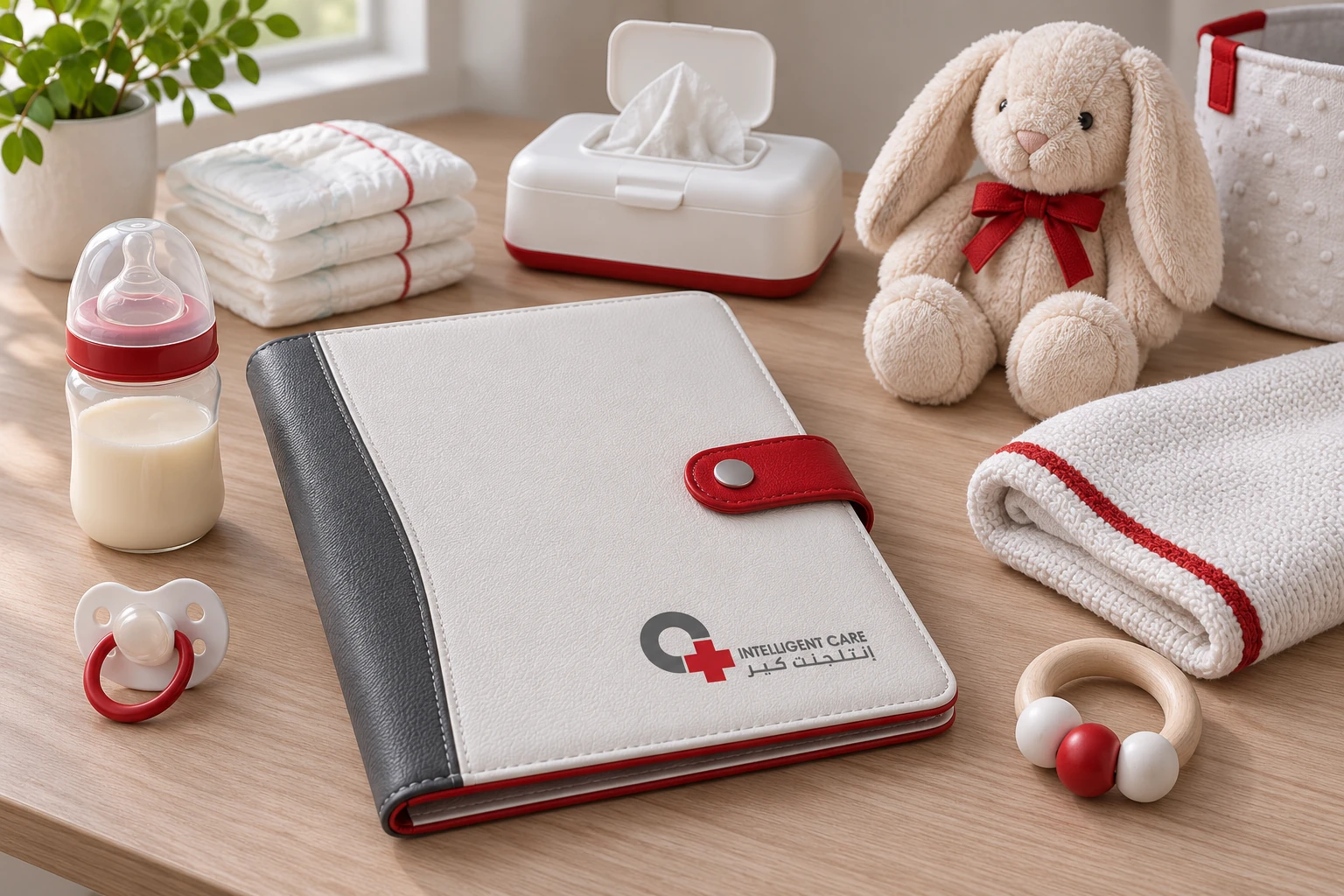
A personal reminder list.
Nothing is sent or saved.
The care pathway
A useful observation supports the next decision; it does not make that decision by itself.
Recognize a change or a question in ordinary care.
Keep relevant timing and context together.
Take the concern to the appropriate clinician.
Follow the updated advice and practical plan.
Explore a stage to bring it into focus. Every stage stays visible.
People and responsibilities
Your family chooses the support it needs. The professional responsible for a clinical decision must be distinct from the person helping with everyday care.
Provides the agreed practical support, follows the family’s care instructions and shares relevant changes. The caregiver role does not include diagnosis, prescribing, newborn medical examination or specialist nursing procedures.
Clarifies duties, location, hours and service arrangements. Tell the team about medical needs early so a practical-care booking is not mistaken for a clinical appointment.
Retains responsibility for clinical assessment, treatment and follow-up. Keep these appointments and share the relevant advice with those helping at home.
Explain preferences, consent to information sharing and tell the team when the arrangement needs to change. A useful care plan respects how your household actually works.
Read the real team profiles and their professional-directory references. Your assigned professional and the scope of care are confirmed through the care arrangement.
Meet our clinical teamContinuity of care
A record is most useful when the family knows what happened after it was shared.
Clarify who has assessed the question and whether any further review or referral was recommended.
Keep the latest instructions together and remove outdated versions from the daily handover.
Only continue a specific record when it remains useful or has been requested. More data is not automatically better care.
Know which symptoms or concerns require earlier contact rather than waiting for the next scheduled review.
When to seek medical help
Scheduled checks do not mean you should wait when your baby seems unwell or a change worries you.
Immediate medical attention
Prompt clinical assessment
Practical arrangements
Standard caregiver plans use the same published prices and booking process throughout Intelligent Care. Hourly support has a three-hour minimum; day and longer arrangements use the stated length of care. Select the appropriate period rather than treating one booking as unlimited care.
Discuss who needs support, the baby’s age, the duties and any existing clinical instructions. A caregiver booking is not an obstetric, paediatric, lactation-specialist or nursing consultation. Separate clinical care can be discussed when required.
Choose a schedule or request the earliest available arrangement. An earliest-available request remains pending agreement with the care team and takes no payment. It must not be used for an urgent medical problem.
Use the custom-care enquiry for a schedule or combination that does not fit a standard plan. Explain the intended coverage and family priorities; the team confirms an appropriate arrangement before care starts.
Your questions
No. This is practical support around routines and information. A paediatric or other clinical examination is a separate professional service. If that is what you need, describe the concern so the team can discuss the correct route.
No. Growth needs appropriate measurement and interpretation in context. The caregiver may help keep existing information organized, but a clinician should review concerns rather than relying on an informal conclusion from a single measurement.
Do not begin repeated weighing simply because a scale is available. Follow the schedule advised by the baby’s healthcare professional. If you are worried about feeding or growth, seek advice about the concern rather than collecting more measurements without a plan.
Only information that is useful for the parents, handover or a requested clinical review. Agree the purpose, the specific facts and who will look at them. A short clear record is often more useful than pages of observations with no identified reviewer.
No. Milestones can help frame questions, but they do not diagnose a child through a checklist. Describe the specific concern to the child’s healthcare professional, particularly if an ability has been lost or the change is worrying.
Agree information sharing with the family and the service team. The arrangement should identify the main contact and who may receive updates, rather than automatically distributing a child’s information to everyone who asks.
The caregiver should report the change and follow the agreed clinical contact pathway. Serious symptoms need appropriate urgent care. Do not wait for the end of a shift or the next review to raise a concern about an unwell baby.
Practical support can be booked through our caregiver plans once the duties are clear. Clinical reviews remain separate. Use a custom enquiry when the request involves specialist monitoring or responsibilities that do not fit ordinary caregiving.
Expertise with a name
Explore the named clinical profiles, their professional roles and their Dubai Health Authority directory records.
Author assignment
General Practitioner
Dr Toqa Ibrahim is a DHA-licensed General Practitioner with Alpha Intelligent Care Home Healthcare Center. Her clinical profile brings the general-practice perspective into our approach to care at home.

Review assignment
Specialist Clinical Pathology
Dr Nirupama Sabhapathy is a DHA-licensed Specialist in Clinical Pathology at Intel Lab. Her published Intel Lab profile describes more than 25 years in medicine and her role as Laboratory Director.
Professional registration describes each clinician’s role. The clinical assessment and the person responsible for your care are confirmed separately.
More care guides
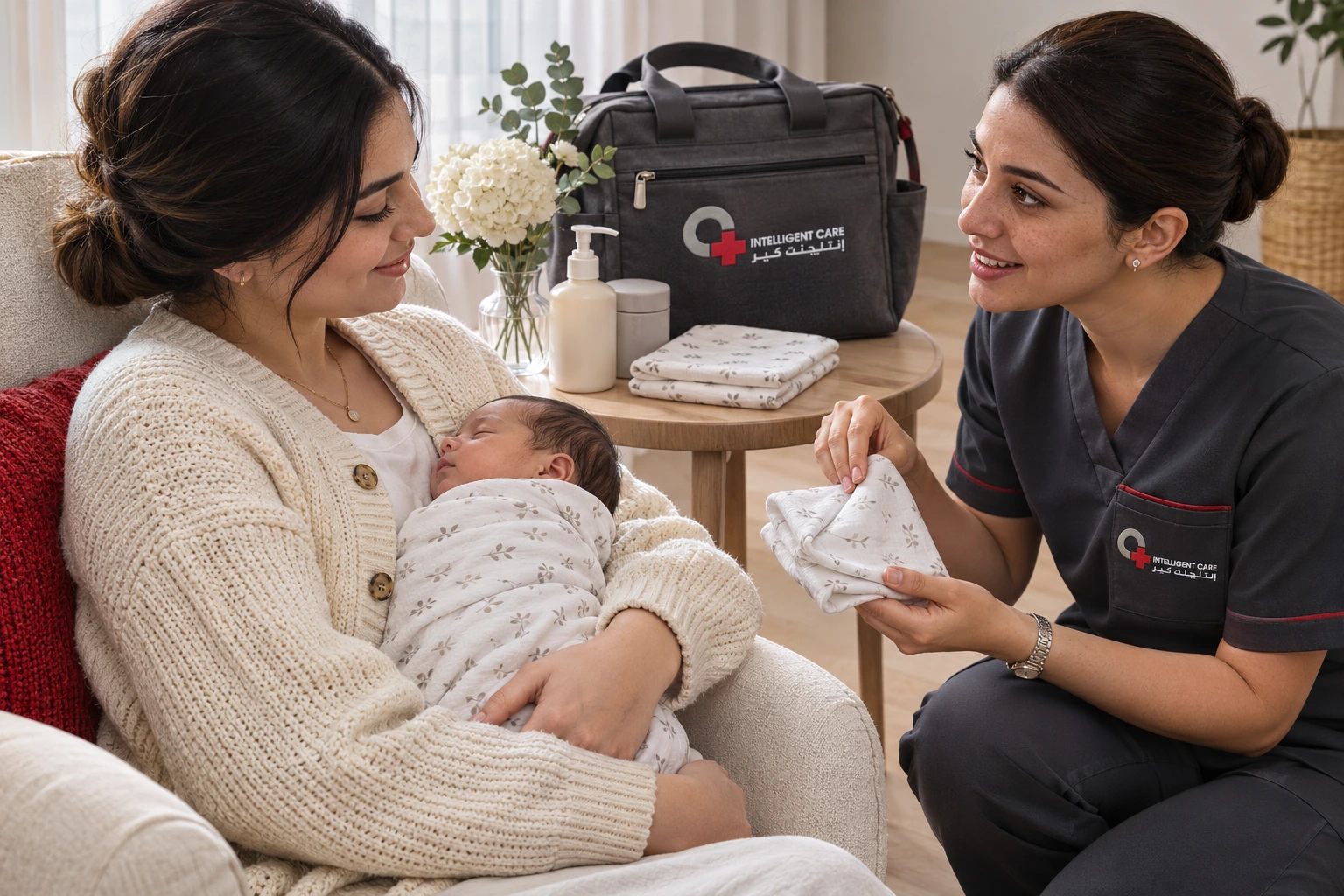


The wider picture
Explore related support, or speak to us about combining services into one plan.
About this guide
General information supports the care conversation; your own assessment determines the plan. Company service information and independent clinical guidance are listed separately below.
Care that comes to you
Across Dubai.
Abu Dhabi — coming soon.