01Comfort
A comfortable setup
Explain where you feed and what would make the space more usable. Practical help can keep essentials nearby and reduce interruptions without prescribing a specific feeding position or technique.

Breastfeeding & feeding support · Dubai
Feeding is both a daily routine and a relationship. Practical caregiver help can make the surroundings and handovers easier while qualified feeding professionals assess pain, milk transfer or growth concerns. We start with your current feeding plan and the support you want at home.

 Clinical author assignmentDr Toqa IbrahimTwo clinical perspectivesProfiles & DHA directory links Guidance with sourcesExplore the references
Practical support around infant feeding
Tell us whether you breastfeed, bottle-feed or use a combination, what advice you have received and what feels difficult. A caregiver can help organize the practical routine and follow agreed instructions. Persistent pain, poor intake, concerns about milk transfer or a baby who seems unwell need the right clinical or feeding-specialist assessment.
Understand the care
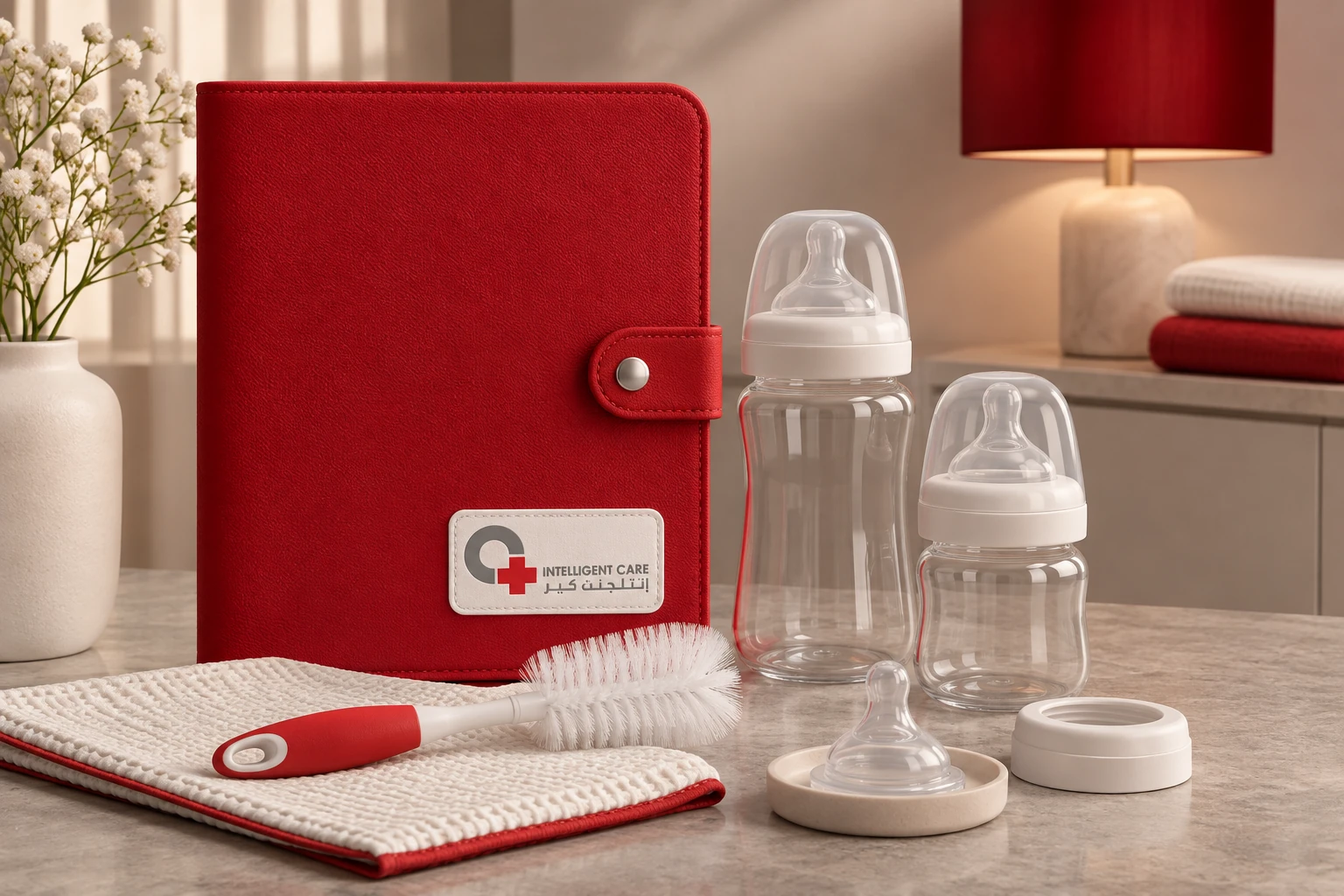
Families may use breast milk, formula or a combination for different reasons. Practical support should respect the chosen approach and current professional advice without introducing pressure, shame or a universal timetable. Start by explaining what is working and which part of the routine is difficult.
The caregiver’s role is to support the agreed everyday process: help keep the feeding area ready, organize the handover and assist with routine tasks within the confirmed scope. A clinical feeding assessment is different. Problems such as persistent pain, ineffective feeding or poor growth need a qualified professional rather than a new routine suggested by an unqualified helper.
Useful observations can support that conversation, but a record should not become a diagnosis. Describe what happened and when, keep any existing plan accessible and ask who will review concerns. The goal is for parents to feel supported and for clinical uncertainty to reach someone able to assess it.
Read the clinical sourcesTwo care perspectives
Select the practical or clinical question you want to raise. The choices help the team understand your request; they do not diagnose a feeding problem.
Explain where you feed and what would make the space more usable. Practical help can keep essentials nearby and reduce interruptions without prescribing a specific feeding position or technique.
Describe pain, difficulty attaching or worries about intake. These are reasons to seek a qualified feeding assessment; a caregiver should not promise to diagnose the cause or fix milk supply.
Share the method and instructions you follow. Agree responsibilities for safe preparation, storage and cleaning according to current guidance and the product instructions, without improvising concentrations or recipes.
Keep the current plan clear between adults. Changes may affect the wider feeding pattern, so discuss questions with the professional supporting your family rather than changing the plan during a handover.
Agree which facts are helpful to record, such as feeding concerns or nappy changes. The baby’s age and clinical context matter when a professional interprets those observations.
Identify which practical tasks another adult can take on so the parent has room to eat, rest or attend to other needs without feeling the feeding relationship has been taken away.
Your discussion list
Choose the points you would like to discuss.
The first assessment
A practical request and a clinical feeding problem may need different responses. Make both clear at the first contact.

THE CARE CONVERSATION01—04
Tell the team the baby’s age, feeding method and any advice already received. Include prematurity, medical conditions or a prescribed feeding plan that affects the arrangement.
Explain the practical help you want and any pain, poor intake or growth concern. A clinical concern should not be hidden inside a request for more caregiver hours.
Clarify who prepares, feeds, records and reviews, within the chosen plan. Ensure everyone follows the same current instructions rather than a mixture of old messages and personal suggestions.
Check whether practical support is helping and whether a qualified assessment is still needed. New or worsening concerns should be directed promptly to the appropriate clinician.
What the care involves
The right role depends on the question, not on whether the help happens at home.
| Need | Practical caregiver contribution | Qualified review |
|---|---|---|
| 01Organizing feeds | Help keep the feeding area and agreed supplies ready; share a clear handover. | A feeding professional assesses technique or persistent difficulty where needed. |
| 02Bottle routine | Follow the agreed preparation and cleaning instructions within confirmed duties. | Ask a clinician about specialized feeds, allergies, growth concerns or changes to a prescribed plan. |
| 03Observations | Record relevant facts requested by the parent or clinician without interpreting them as a diagnosis. | The baby’s clinician considers feeding alongside growth, hydration and overall health. |
| 04Maternal comfort | Support rest, privacy and practical tasks around feeding. | Persistent breast or nipple pain, fever or other maternal symptoms require appropriate assessment. |
Care around the person
Feeding can involve several adults. Agreement about the current plan prevents well-meant advice from becoming a source of confusion.

Ask how support should be offered and what the parent prefers to do themselves. Avoid pressure to change a feeding method simply to make the support schedule more convenient.
When professional advice changes, update everyone involved. Remove superseded instructions from the handover so different adults do not follow different quantities, products or routines.
Keep a short list for the feeding professional or paediatric clinician. A caregiver can help organize that list without presenting personal experience as a clinical assessment.
Before care arrives
The most useful preparation is the information your own clinician or feeding professional needs.

A personal reminder list.
Nothing is sent or saved.
The care pathway
The purpose is a clear and supported routine, not a promised feeding outcome.
Share the current method and professional advice.
Provide the practical help the family has chosen.
Record only the useful facts agreed in the plan.
Take clinical concerns to the appropriate professional.
Explore a stage to bring it into focus. Every stage stays visible.
People and responsibilities
Your family chooses the support it needs. The professional responsible for a clinical decision must be distinct from the person helping with everyday care.
Provides the agreed practical support, follows the family’s care instructions and shares relevant changes. The caregiver role does not include diagnosis, prescribing, newborn medical examination or specialist nursing procedures.
Clarifies duties, location, hours and service arrangements. Tell the team about medical needs early so a practical-care booking is not mistaken for a clinical appointment.
Retains responsibility for clinical assessment, treatment and follow-up. Keep these appointments and share the relevant advice with those helping at home.
Explain preferences, consent to information sharing and tell the team when the arrangement needs to change. A useful care plan respects how your household actually works.
Read the real team profiles and their professional-directory references. Your assigned professional and the scope of care are confirmed through the care arrangement.
Meet our clinical teamContinuity of care
A useful review connects the parent’s experience with any clinical questions that remain.
Is practical help reducing the difficult parts of the routine, or does the arrangement need to change?
Raise poor feeding, unusual sleepiness or other concerning changes promptly rather than waiting to complete a log.
Check that any new feeding guidance has reached everyone helping and that old instructions are no longer being used.
Decide whether the family needs ongoing practical support, a different schedule or a separate clinical feeding appointment.
When to seek medical help
A feeding log or a caregiver’s reassurance cannot establish that a baby is well. Seek advice when the pattern or the baby’s condition concerns you.
Immediate medical attention
Prompt clinical assessment
Practical arrangements
Standard caregiver plans use the same published prices and booking process throughout Intelligent Care. Hourly support has a three-hour minimum; day and longer arrangements use the stated length of care. Select the appropriate period rather than treating one booking as unlimited care.
Discuss who needs support, the baby’s age, the duties and any existing clinical instructions. A caregiver booking is not an obstetric, paediatric, lactation-specialist or nursing consultation. Separate clinical care can be discussed when required.
Choose a schedule or request the earliest available arrangement. An earliest-available request remains pending agreement with the care team and takes no payment. It must not be used for an urgent medical problem.
Use the custom-care enquiry for a schedule or combination that does not fit a standard plan. Explain the intended coverage and family priorities; the team confirms an appropriate arrangement before care starts.
Your questions
No. The standard Mother & Baby plans are practical caregiver support. If you need a lactation specialist or a clinical feeding assessment, say so when contacting the team. That professional role and scope must be confirmed separately rather than assumed from the word feeding.
Practical support can be discussed around the family’s chosen approach and current professional advice. The agreed duties and instructions should be clear. Specialized feeding, a prescribed formula or medical concerns require the appropriate clinical input.
A caregiver can share factual observations but should not diagnose intake or growth problems. A qualified professional considers feeding, the baby’s age, nappies, weight and overall health together. Seek advice if you are worried rather than relying on one sign alone.
Do not improvise a different concentration, substitute a product prescribed for a medical reason or use an unverified recipe. Follow the product instructions and current professional advice. Ask the baby’s clinician or the appropriate feeding professional about a proposed change.
Persistent pain deserves qualified assessment. Explain when it happens and any other symptoms. Practical caregiver help may create space for an appointment or rest, but it is not a substitute for examining the cause or providing specialist treatment.
Use a proportionate record when it is useful or requested by a clinician. Agree what information matters and who will review it. Repeated logging without a clinical purpose can add work without resolving the concern you actually have.
Discuss the hours, duties and responsibilities with the team. An overnight arrangement should state what the caregiver does and what remains with the parent. No promise is made that a baby will sleep for a particular length of time.
Choose a suitable standard caregiver period after the duties are clear, or use the custom enquiry for a more individual schedule. Any clinical feeding requirement should be described explicitly so it is not booked as practical care alone.
Expertise with a name
Explore the named clinical profiles, their professional roles and their Dubai Health Authority directory records.
Author assignment
General Practitioner
Dr Toqa Ibrahim is a DHA-licensed General Practitioner with Alpha Intelligent Care Home Healthcare Center. Her clinical profile brings the general-practice perspective into our approach to care at home.

Review assignment
Specialist Clinical Pathology
Dr Joyce Jose is a DHA-licensed Specialist in Clinical Pathology at Intel Lab. Her public professional record includes pathology practice in the UAE and earlier experience as a professor at Gulf Medical University.
Professional registration describes each clinician’s role. The clinical assessment and the person responsible for your care are confirmed separately.
More care guides


The wider picture
Explore related support, or speak to us about combining services into one plan.
About this guide
General information supports the care conversation; your own assessment determines the plan. Company service information and independent clinical guidance are listed separately below.
Care that comes to you
Across Dubai.
Abu Dhabi — coming soon.