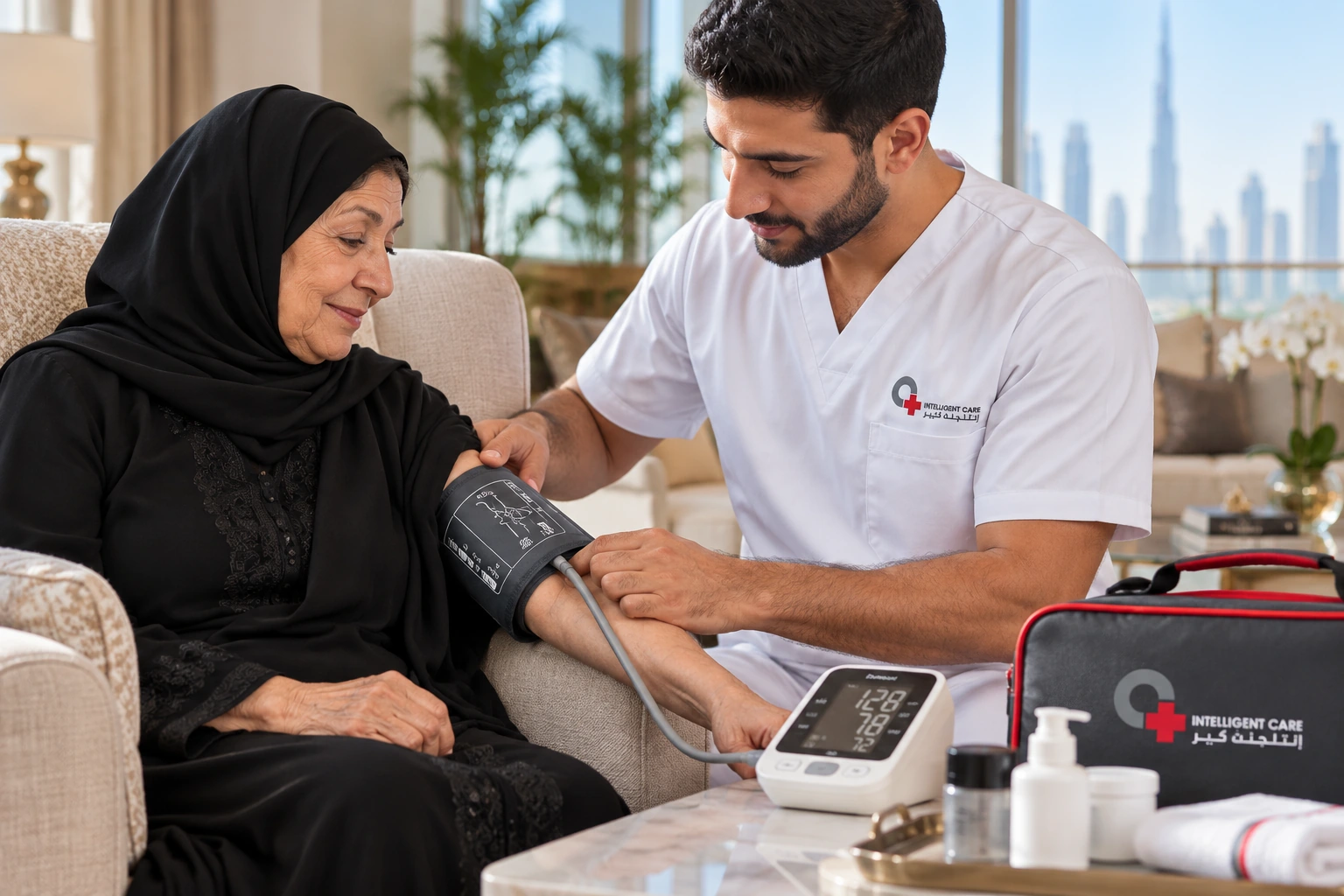
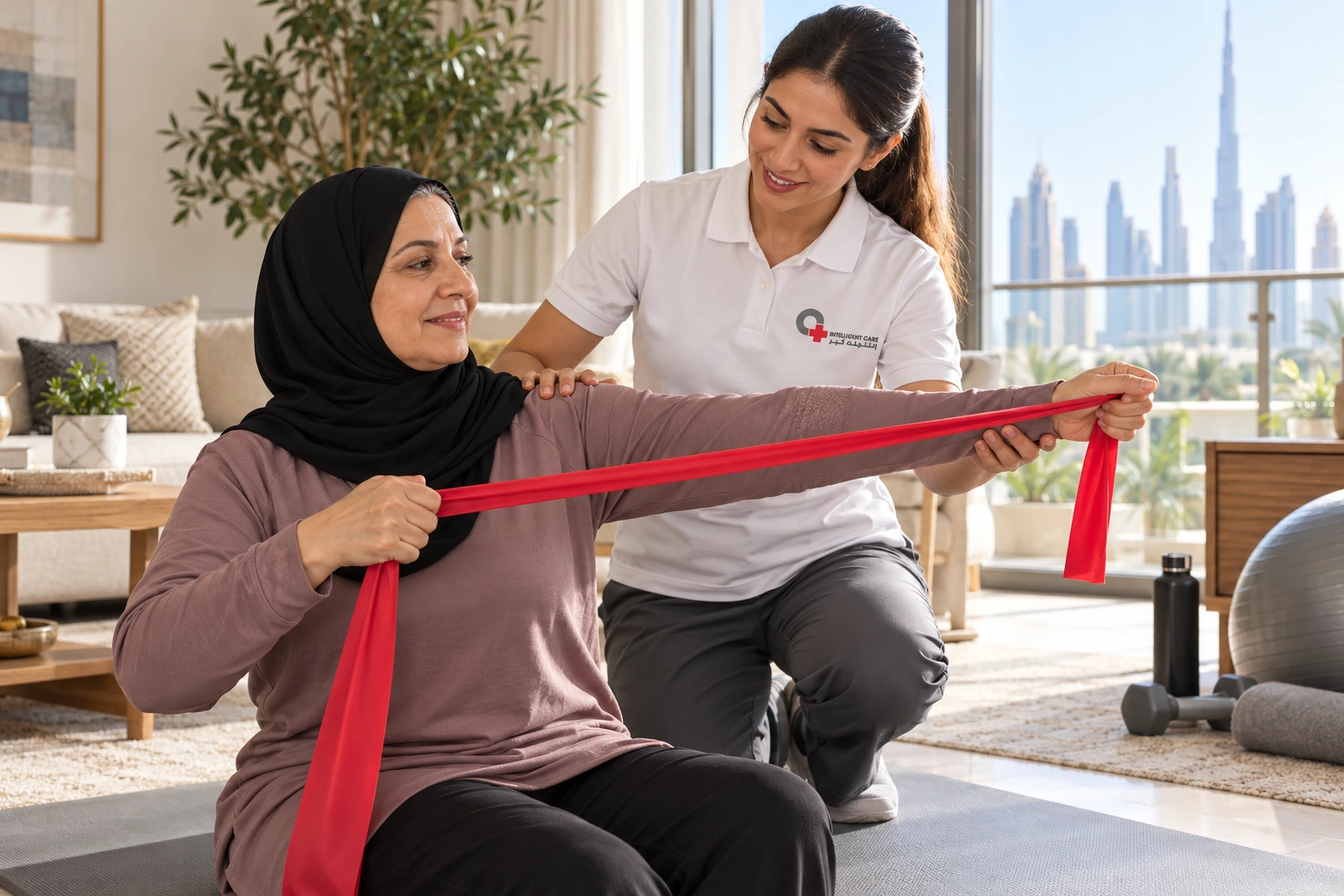
A clear account of what you need, the right information at hand and a space to talk. Here is how to make your first doctor-at-home conversation easier.
A clear account of what you need, the right information at hand and a space to talk. Here is how to make your first doctor-at-home conversation easier.
The most useful first question is not “How many hours?” It is “What support is needed?” Build the conversation around the person, the clinical requirement and their routine.
A return home brings several arrangements together. Use the discharge conversation to connect the hospital’s instructions, your home environment and the support that follows.
Good preparation helps your physiotherapist understand your goals and your surroundings. Here is what to bring to the conversation before the first session at home.
When families arrange support, the person receiving care should still lead the conversation. Start with their priorities, then build the practical arrangements around them.
Arranging mother and baby care starts with your household’s needs and the care already recommended to you. A thoughtful conversation can make the practical side feel more manageable.
A plan becomes useful when everyone knows their part. Bring the people, appointments and next steps together in a way the person receiving care can understand.
The right starting point is your care requirement and your policy. A few clear questions can help you understand what needs to happen before an arrangement is confirmed.
A wellness event, employee screening or ongoing clinical support: begin with the outcome you need, then shape the people, place and programme around it.
Preparing for blood collection is about following the instructions for your actual tests. Confirm the details early so the visit can fit smoothly into your day.
A clear account of what you need, the right information at hand and a space to talk. Here is how to make your first doctor-at-home conversation easier.
The most useful first question is not “How many hours?” It is “What support is needed?” Build the conversation around the person, the clinical requirement and their routine.
A return home brings several arrangements together. Use the discharge conversation to connect the hospital’s instructions, your home environment and the support that follows.
Good preparation helps your physiotherapist understand your goals and your surroundings. Here is what to bring to the conversation before the first session at home.
When families arrange support, the person receiving care should still lead the conversation. Start with their priorities, then build the practical arrangements around them.
Arranging mother and baby care starts with your household’s needs and the care already recommended to you. A thoughtful conversation can make the practical side feel more manageable.
A plan becomes useful when everyone knows their part. Bring the people, appointments and next steps together in a way the person receiving care can understand.
The right starting point is your care requirement and your policy. A few clear questions can help you understand what needs to happen before an arrangement is confirmed.
A wellness event, employee screening or ongoing clinical support: begin with the outcome you need, then shape the people, place and programme around it.
Preparing for blood collection is about following the instructions for your actual tests. Confirm the details early so the visit can fit smoothly into your day.