27 biomarkers7 named tests and panels · 27 biomarkers
Samples
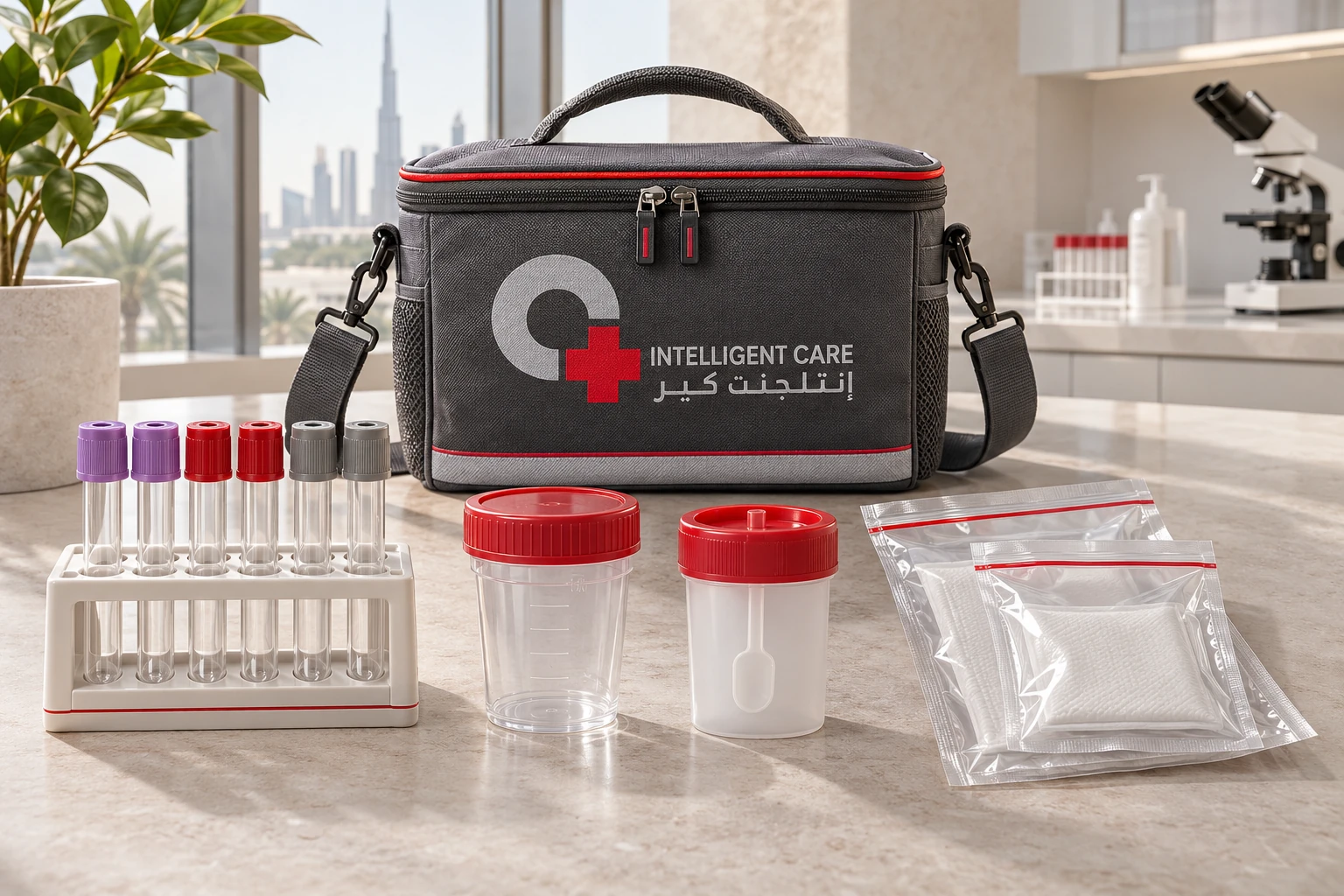
Blood + StoolPreparation tailored to the sample
Results
48 hoursListed laboratory turnaround
Collection
IncludedArrange with the care team
THE PURPOSE BEHIND THE PANEL.
Selected markers. Carefully interpreted.
These markers are used for particular diagnostic or monitoring questions, often alongside imaging, examination or other tests. Non-cancer conditions can affect them, while some cancers do not produce a raised result. The purpose of testing should be clear before the sample is collected.
1test or panel
1 included test or panel
Cells, counts and patterns.
A complete blood count describes red cells, white cells and platelets. The pattern can contribute to an assessment of anaemia, infection-related concerns or other clinical questions.
What this means in context
A count does not explain every abnormality. The full component list stays visible so a headline number does not hide the measurements.
1test or panel
1 included test or panel
The specimen matters.
The listed stool investigation adds information that a blood sample cannot provide. Routine microscopy and occult-blood testing use different methods and answer different questions.
What this means in context
Neither test is a substitute for every gastrointestinal investigation. Follow the supplied collection and handling instructions.
5tests & panels
5 included tests and panels
A clinical question, not a verdict.
The included tumour markers may help with selected diagnostic or monitoring questions. Their usefulness depends on the reason for testing and other clinical investigations.
What this means in context
They are not a comprehensive cancer screen: benign conditions may raise them and some cancers do not raise them. They cannot diagnose or rule out cancer alone.
KNOW EXACTLY WHAT YOU ARE CHOOSING.
27 biomarkers. The scope, made clear.
The headline measurement count includes multi-component panels where present. The included test records and their published nested measurements are displayed separately so the count is transparent.
27biomarkers
7named tests and panels
Blood + StoolListed specimen types
7 named tests and panels · 27 biomarkers
Blood count
1 entry
Complete Blood Count (CBC)Explore the named components
Reports 21 blood-cell measurements, including red cells, white cells and platelets. Explore the full component list below.
Try a test or target name, or choose another health focus.
Checking a prescription? Let’s make sure it matches.
THE RIGHT START DEPENDS ON YOU.
A useful package. A personal decision.
Choose the investigation around the question you want to discuss. This is not a comprehensive cancer screen, a substitute for recommended screening programmes or a way to rule out cancer.
01
A defined question
These markers are used for particular diagnostic or monitoring questions, often alongside imaging, examination or other tests. Non-cancer conditions can affect them, while some cancers do not produce a raised result. The purpose of testing should be clear before the sample is collected.
02
Matching a prescription
Compare the full included list with your clinician’s request. This is not a comprehensive cancer screen, a substitute for recommended screening programmes or a way to rule out cancer.
03
Following a previous finding
Bring earlier results and the relevant symptom or treatment history. The clinician can decide whether this scope, a smaller test selection or a different investigation is the most useful next step.
MAKE THE SAMPLE COUNT.
A little preparation. A more useful result.
Preparation follows the actual specimen and tests in Cancer Markers (Male). Confirm your personal instructions before collection.
02
Blood + Stool.One coordinated pathway.
YOUR PREPARATION0 of 4 ready
A personal checklist. Your care team confirms the instructions.
YOUR COLLECTION. YOUR CHOICE.
Care comes to you. Or visit your laboratory.
Both routes lead to the same defined package. Choose the location during checkout; this package waives the collection fee for its visit.
YOUR PLACE. THE SAME LABORATORY PATHWAY.
A familiar setting. A professional collection.
Discuss collection at your home, hotel or workplace in Dubai. The care team confirms the appropriate specimen, preparation and collection arrangements for this package.
Collection fee included for this package’s visit
Choose the person and location in the shared checkout
Need another time? Request the earliest available appointment
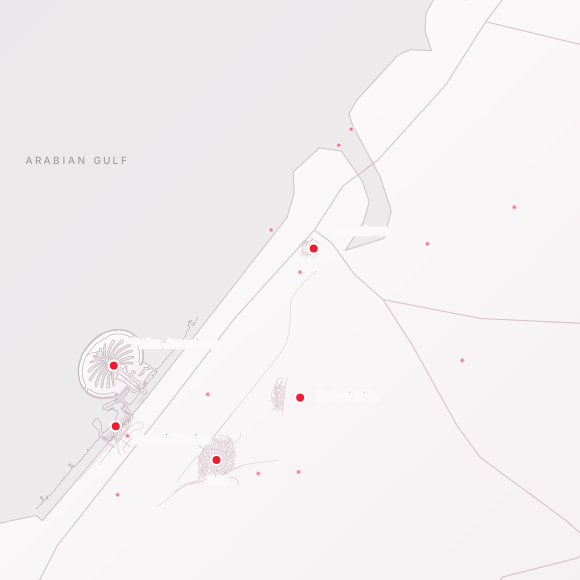
Across Dubai
THE LABORATORY. READY TO WELCOME YOU.
Your visit. In Deira.
Intel Lab · Deira 101–102, Al Hawai Building, Al Rigga Road, Al Muraqqabat, Deira, Dubai
Follow Cancer Markers (Male) from your care bag to an informed conversation.
The right package. The right person.
Choose & assign
Add Cancer Markers (Male) to your care bag. Book for yourself or assign the package to someone else. The care team can help match the selection to a request or prescription.
Preparation follows the test.
Prepare & collect
Confirm the instructions for blood + stool and the appropriate collection arrangements. Correct identification, specimen choice and timing support a useful result.
Laboratory work, behind the finding.
Analyse & report
Intel Lab processes the sample and checks the report. The package lists 48 hours; collection timing and any additional laboratory checks may affect release.
A finding, placed in your context.
Understand & follow up
Read the report with the reason for testing. A clinician can explain unexpected findings, relevant limitations and whether any further assessment is appropriate.
MORE THAN A LIST OF NUMBERS.
Read the result. Understand the context.
Your report brings the measurements together. Explore the findings below to see which questions make the report more meaningful.
The result describes the sample that was tested. Preparation, timing and the measurement method help explain its context.
Laboratory informationClinical interpretation
RESULT + CONTEXT
Cells, counts and patterns.
A complete blood count describes red cells, white cells and platelets. The pattern can contribute to an assessment of anaemia, infection-related concerns or other clinical questions. A count does not explain every abnormality. The full component list stays visible so a headline number does not hide the measurements.
Questions to take to your clinician
What does this part of my result add to the clinical question?
Does the sample timing or a medicine affect this finding?
What follow-up is appropriate for this specific result?
UNDERSTANDING YOUR REPORT
Stool
Stool investigations
The result describes the sample that was tested. Preparation, timing and the measurement method help explain its context.
Laboratory informationClinical interpretation
RESULT + CONTEXT
The specimen matters.
The listed stool investigation adds information that a blood sample cannot provide. Routine microscopy and occult-blood testing use different methods and answer different questions. Neither test is a substitute for every gastrointestinal investigation. Follow the supplied collection and handling instructions.
Questions to take to your clinician
What does this part of my result add to the clinical question?
Does the sample timing or a medicine affect this finding?
What follow-up is appropriate for this specific result?
UNDERSTANDING YOUR REPORT
Blood
Tumour-marker context
The result describes the sample that was tested. Preparation, timing and the measurement method help explain its context.
Laboratory informationClinical interpretation
RESULT + CONTEXT
A clinical question, not a verdict.
The included tumour markers may help with selected diagnostic or monitoring questions. Their usefulness depends on the reason for testing and other clinical investigations. They are not a comprehensive cancer screen: benign conditions may raise them and some cancers do not raise them. They cannot diagnose or rule out cancer alone.
Questions to take to your clinician
What does this part of my result add to the clinical question?
Does the sample timing or a medicine affect this finding?
What follow-up is appropriate for this specific result?
THE NEXT STEP IS PERSONAL.
Bring the findings back to you.
Connect the laboratory findings with the reason for this specific test. A report supports the next clinical conversation; it does not decide it for you.
01
Review the marker for its intended purpose
Discuss each relevant marker with the clinician who requested it. A raised value needs context and a normal value does not exclude cancer; further tests depend on the specific clinical question.
02
Agree the next step
Discuss this result with a clinician who knows the reason for testing. Further investigations or follow-up depend on the actual findings and your circumstances.
Intelligent Care brings the collection to you. Intel Lab brings the laboratory pathway, from sample handling to reporting.
1M+biomarkers reported annually
25+years in medicine · Dr Nirupama
Identify and protect the sample
Accurate patient details, the correct specimen and clear collection instructions are the first part of a reliable laboratory pathway. Follow the collection team’s instructions for the specimens required by this panel.
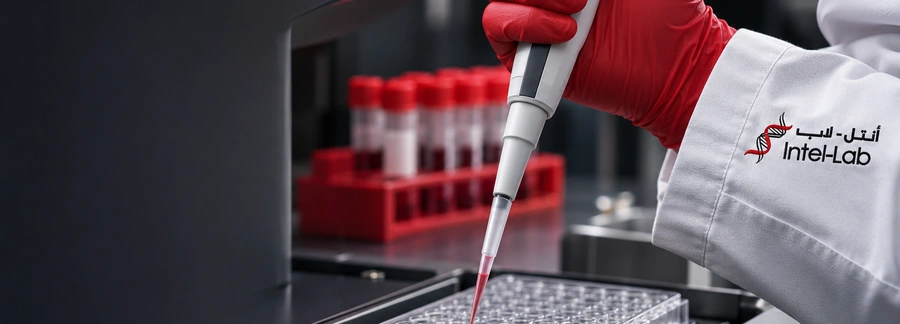
Analyse with quality controls
The laboratory’s analytical work and quality processes support the measurements in the report. Explore the laboratory’s published quality standards and accreditation scope for the detail behind its services.
Review before the report is released
Reporting connects the laboratory findings with their clinical use. Unexpected or significant results may need additional checks or communication with the referring clinician.
Laboratory content belongs with laboratory expertise. Explore the clinical profiles and their Dubai Health Authority directory records.
Clinical author
Dr Nirupama Sabhapathy
Laboratory Director · Intel Lab
Dr Nirupama Sabhapathy is a DHA-licensed Specialist in Clinical Pathology at Intel Lab. Her published Intel Lab profile describes more than 25 years in medicine and her role as Laboratory Director.
Dr Joyce Jose is a DHA-licensed Specialist in Clinical Pathology at Intel Lab. Her public professional record includes pathology practice in the UAE and earlier experience as a professor at Gulf Medical University.
Related packages may ask different questions. Compare their actual scope and discuss which, if any, is appropriate for you.
You are viewing
Cancer Markers (Male)
A defined tumour-marker selection including PSA, with a blood count and stool occult blood, for clinician-directed assessment. Results cannot confirm or rule out cancer alone.
biomarkers
27
Samples
Blood + Stool
Listed turnaround
48 hours
AED499
Basic Health Checkup
Blood count, liver, kidney, cholesterol, blood sugar and urine tests: the essentials in one visit.
Choosing for a particular need? We can help you read the options.
BEFORE YOU BOOK.
A little more clarity.
Preparation, sample types, timing and what the package does—and does not—include.
What is included in Cancer Markers (Male)?
Blood count, stool occult blood and a defined male tumour-marker selection for a clinician-directed assessment. The full named inventory on this page is the scope of the package.
Can normal tumour-marker results exclude cancer?
No. Some cancers do not raise these markers. Likewise, an elevated marker does not establish cancer; the clinical context and further investigations determine its significance.
Can a raised marker have a non-cancer cause?
Yes. Benign conditions, inflammation and other factors may raise some tumour markers. The marker and the clinical context matter.
Does this replace recommended cancer screening?
No. This package does not replace an individual discussion about appropriate prostate or colorectal screening and any other risk-based investigations. Screening choices depend on age, history and the clinical guidance relevant to you.
Why might a clinician track a marker over time?
In selected established conditions, trends may support monitoring. A one-off value and a follow-up trend answer different questions.
How should I prepare?
This package does not require fasting for this testing. Confirm whether any additional tests in your booking change that instruction; do not alter prescribed medicines without advice.
Can I arrange collection in Dubai?
Yes. Choose home collection across Dubai or a visit to Intel Lab in Deira. Any health package waives the collection fee for its own visit; separate appointments are assessed separately.
What is the price and expected turnaround?
The package price is AED 499; the listed turnaround is 48 hours. Confirm collection and processing arrangements with the team. Turnaround is not a guarantee that every result will be released at one exact time.
What happens after I receive the result?
Review relevant findings with a qualified clinician alongside the reason for testing, symptoms, medicines and prior results. The report may lead to reassurance about the tested question, confirmation, a targeted investigation or follow-up—not an automatic treatment decision.
YOUR NEXT STEP. AROUND YOU.
A clearer question. A more informed next step.
Cancer Markers (Male) · 27 biomarkers · Blood + Stool
AED499collection included for this package’s visit