A defined set of laboratory measurements can make the next conversation more useful. Explore what each group contributes—and why context still matters.
21of 63 biomarkers
One panel · 21 reported measurements
The cells that carry, protect and repair.
The complete blood count (CBC) looks at red cells, white cells, haemoglobin and platelets. Together, these measurements can help your clinician assess concerns such as anaemia and understand findings that may need further investigation.
What this means in context
A blood count is interpreted alongside your symptoms, history and other results. It does not identify the cause of every change.
10of 63 biomarkers
Enzymes · bilirubin · proteins
Different markers. A connected picture.
Liver enzymes, bilirubin and blood proteins provide different kinds of information. Reading ALT, AST, ALP and GGT with bilirubin, albumin, globulin and total protein helps put a single result into a wider context.
What this means in context
A raised enzyme does not establish a diagnosis on its own. Medicines, alcohol, symptoms and previous results are part of the clinical conversation.
5of 63 biomarkers
Creatinine · eGFR · BUN · uric acid · calcium
A closer look at filtration and balance.
Creatinine and the estimated glomerular filtration rate (eGFR) help assess kidney filtration. Blood urea nitrogen, uric acid and calcium add complementary information about blood chemistry.
What this means in context
eGFR is an estimate. Your clinician considers trends, hydration, medicines and urine findings before deciding whether a result needs follow-up.
5of 63 biomarkers
Five lipid measurements
Understand the pattern, not one number.
Total cholesterol, HDL, directly measured LDL, VLDL and triglycerides describe different parts of your lipid profile. These results support a cardiovascular risk discussion rather than a conclusion based on total cholesterol alone.
What this means in context
Risk also depends on factors such as blood pressure, diabetes, smoking, age and family history. A laboratory result is one part of that assessment.
1of 63 biomarkers
Fasting glucose · one measurement
Blood sugar, at a defined moment.
Fasting blood glucose measures the glucose in your blood after the instructed period without food. It can help assess blood sugar regulation when interpreted with your health history and the circumstances of the sample.
What this means in context
This package includes fasting glucose, not HbA1c or insulin. An unexpected result may need repeat or additional testing; your clinician decides the next step.
21of 63 biomarkers
One panel · 21 reported measurements
A second sample. Another perspective.
Routine urine analysis examines the physical, chemical and microscopic characteristics of urine. It adds information that a blood sample alone cannot provide, including findings involving protein, glucose, blood and cells.
What this means in context
Collection quality matters. A routine urinalysis is not the same as a urine culture, and the result alone does not confirm every urinary infection.
KNOW EXACTLY WHAT YOU ARE CHOOSING.
63 biomarkers. Every included test, here.
A panel can report several measurements. The CBC contributes 21 and urine analysis 21; the other 21 entries are individual measurements. The list below reflects the actual package membership.
21Complete blood count
+
21Urine analysis
+
21Individual measurements
=
63Reported biomarkers
23 named tests & panels · 63 reported biomarkers
Blood count
21 measurements
Complete Blood Count (CBC)21 measurements in this panel
Reports 21 blood-cell measurements, including red cells, white cells and platelets. Explore the full component list below.
Checking a prescription? Let’s make sure it matches.
THE RIGHT START DEPENDS ON YOU.
A useful package. A personal decision.
This checkup brings a defined set of core tests together. It is most useful when the choice of tests and the interpretation fit your circumstances.
01
Starting a health conversation
You want to understand what this defined set of core tests covers before speaking with a clinician about your health. A package can organise the tests; it cannot replace an individual assessment.
02
Following an agreed plan
Your clinician has recommended several of these tests. Compare the prescription with the full included list so that a required investigation is not missed.
03
Looking at a previous result
You have earlier results to discuss. Consistent preparation and clinical context help your clinician decide which changes matter and whether the same tests should be repeated.
MAKE THE SAMPLE COUNT.
A little preparation. A more useful result.
For this package, plan the blood and urine samples together. Confirm the instructions that apply to you before the appointment.
02
Blood + urine.One coordinated visit.
YOUR PREPARATION0 of 4 ready
A personal checklist. Your care team confirms the instructions.
YOUR COLLECTION. YOUR CHOICE.
Care comes to you. Or visit your laboratory.
Both routes lead to the same defined package. Choose the location during checkout; this package waives the collection fee for its visit.
YOUR PLACE. THE SAME LABORATORY PATHWAY.
A familiar setting. A professional collection.
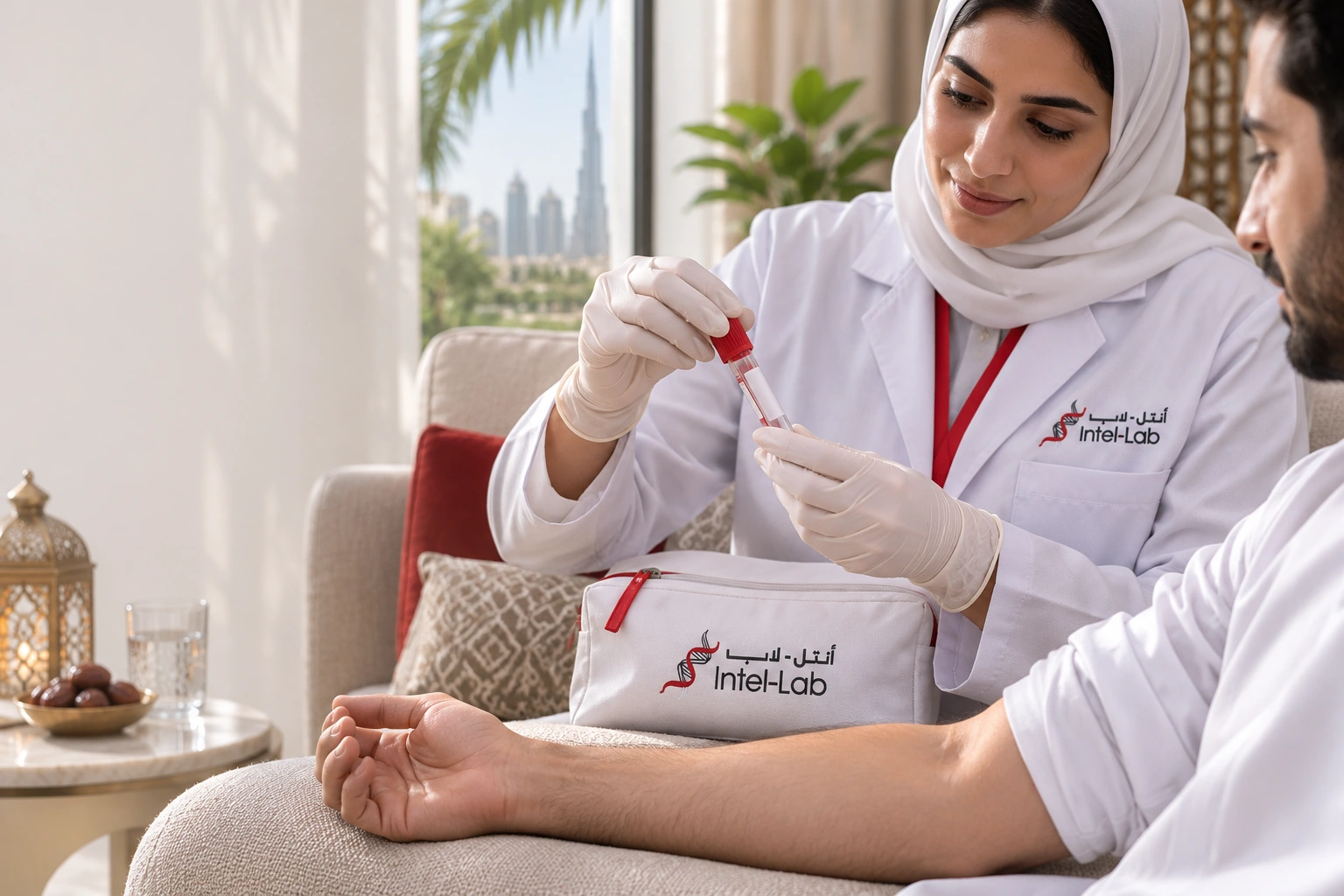
Arrange a blood and urine collection at your home, hotel or workplace in Dubai. The care team confirms preparation, your address and an appropriate appointment.
Collection fee included for this package’s visit
Choose the person and location in the shared checkout
Need another time? Request the earliest available appointment
Across Dubai
THE LABORATORY. READY TO WELCOME YOU.
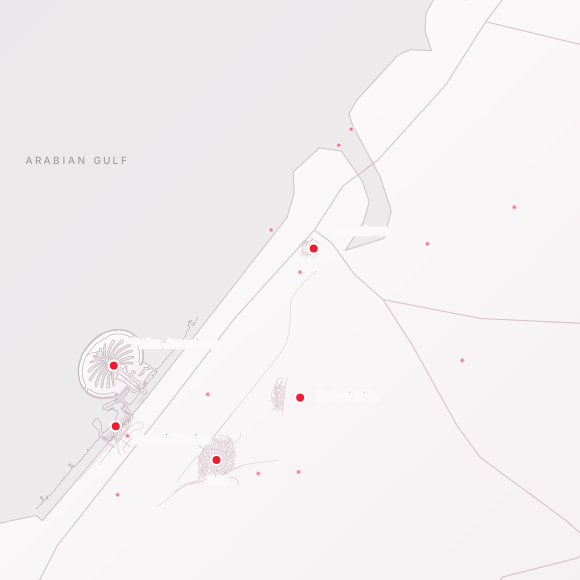
Your visit. In Deira.
Intel Lab · Deira 101–102, Al Hawai Building, Al Rigga Road, Al Muraqqabat, Deira, Dubai
The result describes the sample that was tested. Preparation, timing and the measurement method help explain its context.
Laboratory informationClinical interpretation
PREPARATION + RESULT
First, understand the conditions of the test.
The fasting duration and the timing of the sample matter. Tell your clinician if you could not follow the preparation instructions, were unwell or take medicines that may affect the result.
Questions to take to your clinician
Was the sample taken after the instructed fast?
Does this fit my previous results and symptoms?
Would a repeat or a different test add useful information?
UNDERSTANDING YOUR REPORT
Blood sample
LDL cholesterol · direct
The result describes the sample that was tested. Preparation, timing and the measurement method help explain its context.
Laboratory informationClinical interpretation
PATTERN + PERSONAL RISK
Read the different parts together.
Total cholesterol, HDL, LDL, VLDL and triglycerides contribute different information. Clinical decisions consider the overall pattern and your cardiovascular risk factors.
Questions to take to your clinician
Which part of my lipid profile needs attention?
How do my other risk factors change the interpretation?
What follow-up is appropriate for me?
UNDERSTANDING YOUR REPORT
Whole blood
Complete blood count
The result describes the sample that was tested. Preparation, timing and the measurement method help explain its context.
Laboratory informationClinical interpretation
MEASUREMENTS + CONTEXT
Connect the number with the person.
Haemoglobin, red-cell measurements, white cells and platelets are read together. Your clinician may recommend a more specific investigation when a pattern needs explanation.
Questions to take to your clinician
Which blood-count measurements are relevant to me?
Could recent illness or a medicine affect this finding?
Is a targeted follow-up test needed?
THE NEXT STEP IS PERSONAL.
Bring the findings back to you.
A laboratory report becomes more useful when it is read alongside the reason for testing, your history and what has changed.
01
Look at the full picture.
Share your symptoms, medicines, supplements and previous reports. Results that are slightly outside a range may mean different things for different people.
02
Ask what needs follow-up.
Your clinician can explain whether a finding needs a repeat sample, another test, an examination or a change in the agreed care plan.
03
Keep your results connected.
Save the report and the clinical advice together. When comparing results over time, consider differences in preparation, laboratory methods and reference intervals.
Precision in the process. People behind the result.
Intelligent Care brings the collection to you. Intel Lab brings the laboratory pathway, from sample handling to reporting.
1M+biomarkers reported annually
25+years in medicine · Dr Nirupama
Identify and protect the sample
Accurate patient details, the correct specimen and clear collection instructions are the first part of a reliable laboratory pathway. Follow the collection team’s instructions for both blood and urine.
Analyse with quality controls
The laboratory’s analytical work and quality processes support the measurements in the report. Explore the laboratory’s published quality standards and accreditation scope for the detail behind its services.
Review before the report is released
Reporting connects the laboratory findings with their clinical use. Unexpected or significant results may need additional checks or communication with the referring clinician.
Laboratory content belongs with laboratory expertise. Explore the clinical profiles and their Dubai Health Authority directory records.
Clinical author
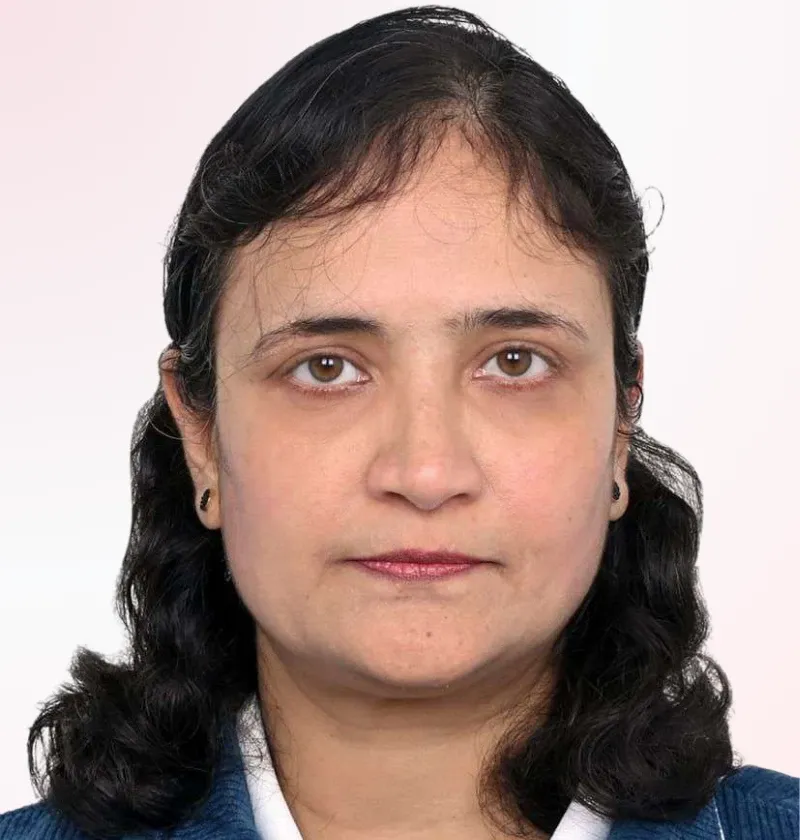
Dr Nirupama Sabhapathy
Laboratory Director · Intel Lab
Dr Nirupama Sabhapathy is a DHA-licensed Specialist in Clinical Pathology at Intel Lab. Her published Intel Lab profile describes more than 25 years in medicine and her role as Laboratory Director.
Dr Joyce Jose is a DHA-licensed Specialist in Clinical Pathology at Intel Lab. Her public professional record includes pathology practice in the UAE and earlier experience as a professor at Gulf Medical University.
Compare the defined samples and test scope. If you have a prescription or a particular concern, the appropriate tests matter more than the largest count.
Basic Wellness
A blood-only starting point, with 31 reported biomarkers.
Choosing for a particular need? We can help you read the options.
BEFORE YOU BOOK.
A little more clarity.
Preparation, sample types, timing and what the package does—and does not—include.
What is included in the Basic Health Checkup?
The package includes 23 named tests and panels covering 63 reported biomarkers: a complete blood count, liver enzymes and proteins, kidney markers and blood chemistry, five lipid measurements, fasting glucose and urine analysis. The full list is searchable on this page.
Why are there 23 entries but 63 biomarkers?
Some entries are panels containing several reported measurements. The complete blood count contributes 21 and urine analysis contributes 21; the remaining 21 entries are individual measurements. Together these make the published total of 63.
How much is the Basic Health Checkup in Dubai?
The current package price is AED 199. Its collection visit is included whether you choose home collection in Dubai or a visit to Intel Lab in Deira. Any additional investigations are priced separately.
Do I need to fast?
The package instructions specify an 8–12-hour fast, with plain water allowed. Ask the team to confirm what applies to you, especially if you have diabetes, are pregnant, take regular medicines or have difficulty fasting. Do not change prescribed medicines without clinical advice.
Which samples are needed?
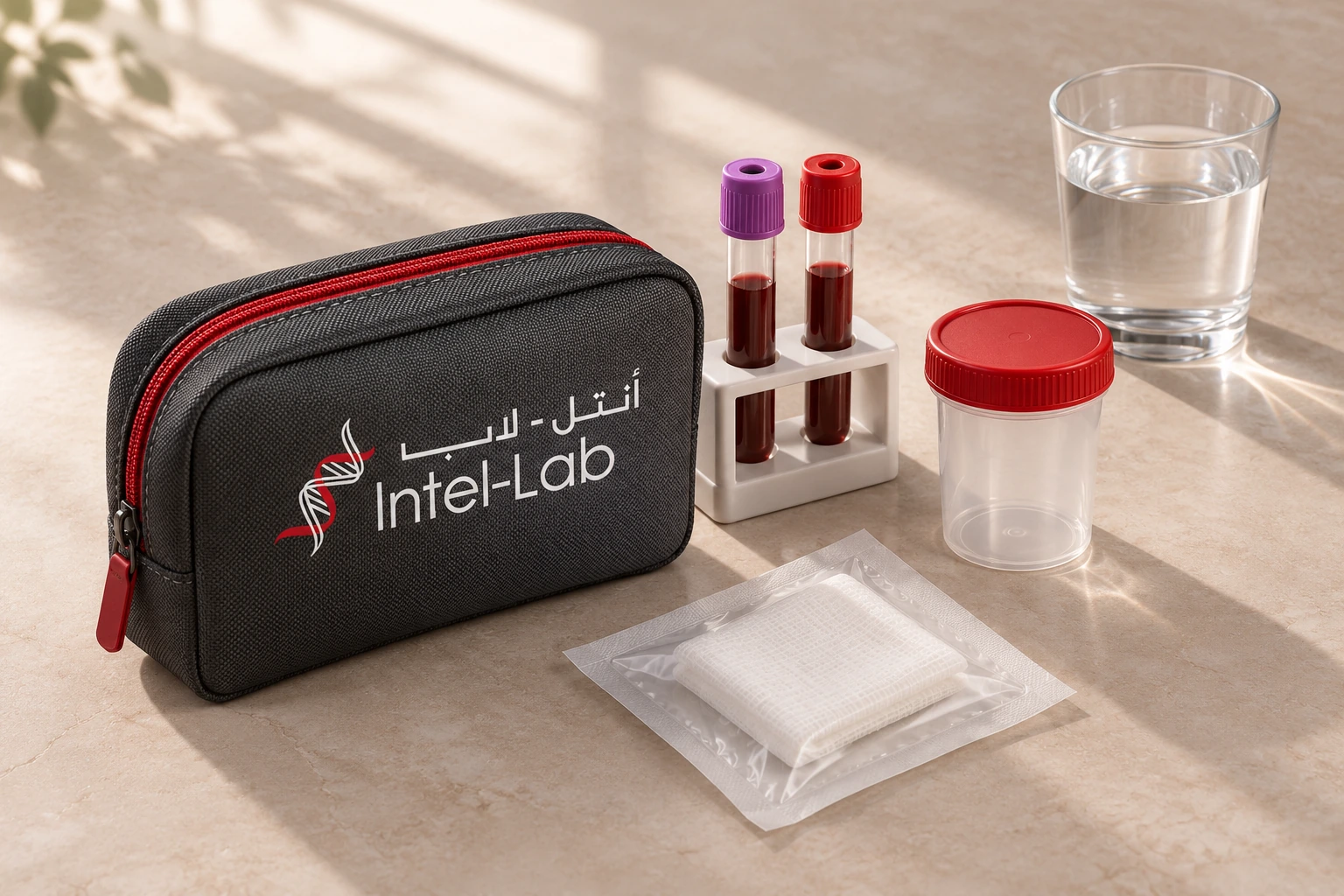
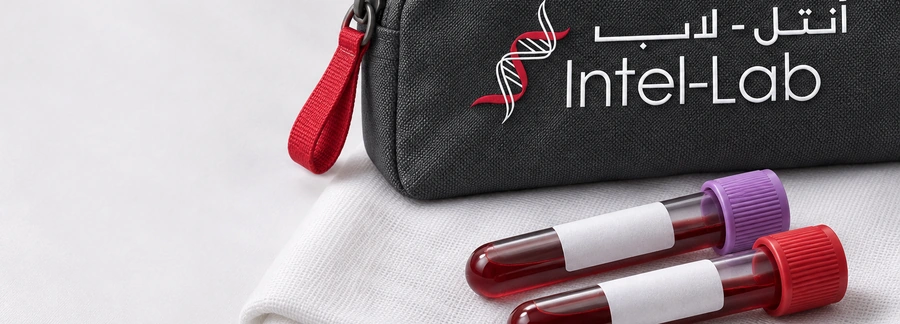
Blood and urine are required. The team explains the blood collection and supplies instructions for the urine sample. Follow the specified container, timing and collection method.
Can you collect the samples at my home?
Yes. Choose home collection in Dubai during checkout, or select a visit to Intel Lab in Deira. The care team confirms the appointment and preparation arrangements. This package waives the collection fee for its visit.
When will I receive the results?
The package lists a turnaround of 24 hours, typically after the samples reach the laboratory. Confirm the expected timing with the team; sample quality, repeat analysis or further checks can affect reporting.
Are thyroid, vitamins or HbA1c included?
No. Thyroid tests, vitamin D, vitamin B12, HbA1c and insulin are not in this Basic package. It includes fasting glucose. Check the included list against your prescription or discuss a suitable alternative.
Does urine analysis include a urine culture?
No. Routine urine analysis and urine culture are different investigations. The Basic package includes urine analysis; a culture is a separate test when clinically appropriate.
Can the package diagnose a condition on its own?
No. Laboratory findings contribute to assessment, but they must be interpreted with symptoms, history, examination and sometimes other investigations. An abnormal result is not a diagnosis by itself, and a normal result does not exclude every condition.
Should I repeat this checkup every year?
There is no single interval suitable for everyone. Your clinician can advise when to repeat particular tests or a checkup based on your health, risk factors, medicines and previous results.
Can I book for someone else?
Yes. Add the package to the shared care bag and assign it to the appropriate person during checkout. For a child, retain the guardian details and confirm age-appropriate suitability and preparation with the clinical team.
THE ESSENTIALS. AROUND YOU.
Start with a clearer health picture.
Basic Health Checkup · 63 biomarkers · Blood + urine
AED199collection included for this package’s visit