16 biomarkers16 named tests and panels · 16 biomarkers
Samples
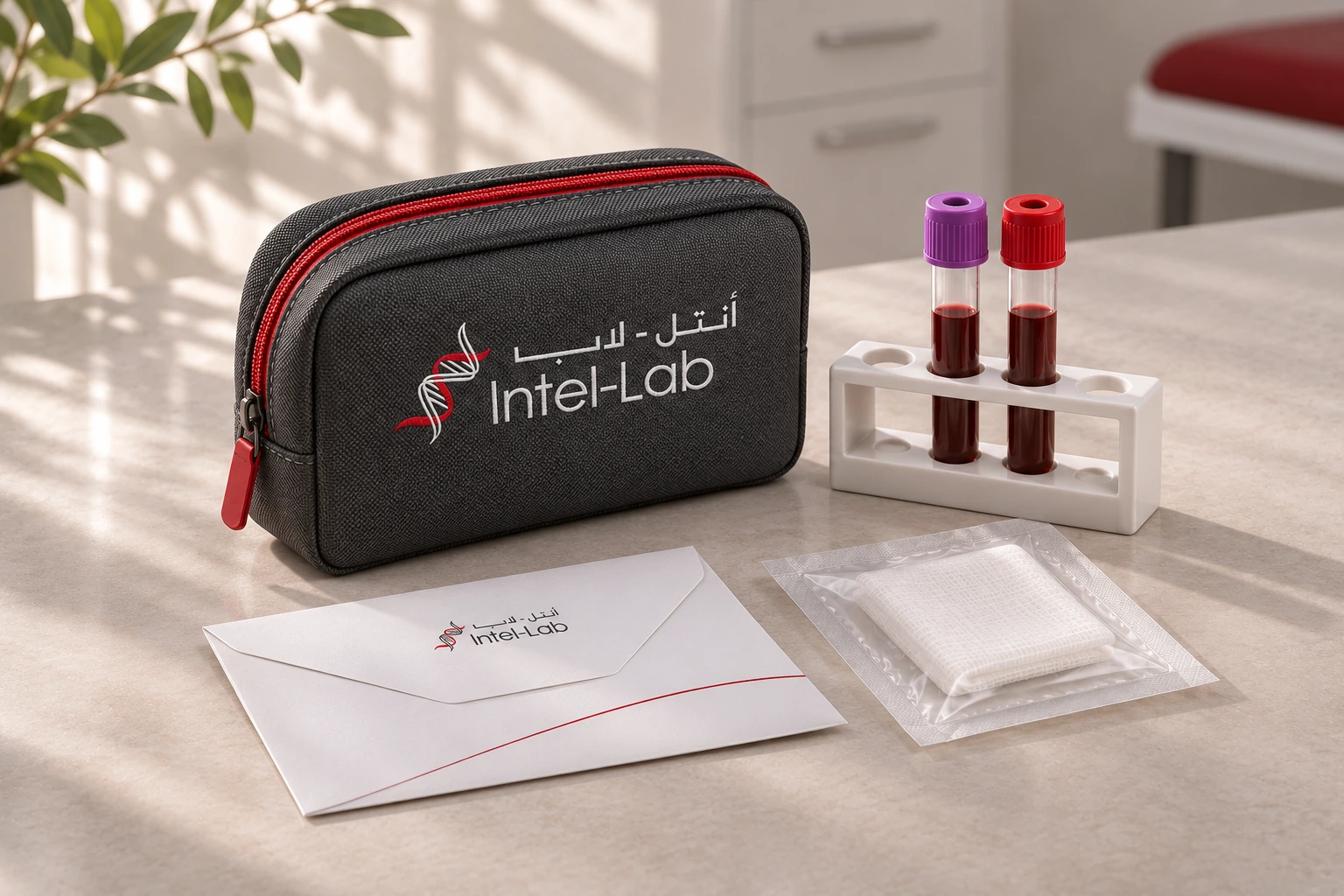
BloodPreparation tailored to the sample
Results
72 hoursListed laboratory turnaround
Collection
IncludedArrange with the care team
THE PURPOSE BEHIND THE PANEL.
A wider view of a hormone question.
PCOS is assessed using a combination of history, symptoms and appropriate investigations while considering alternative causes. This panel adds selected reproductive and metabolic measurements. It does not replace the assessment or make every included test necessary for every person.
5tests & panels
5 included tests and panels
A pattern for a risk conversation.
Different lipid measurements describe different particles and fats in the blood. The clinician combines them with personal and family history, blood pressure and other cardiovascular risk factors.
What this means in context
These are risk-related measurements, not a scan of your arteries and not a test that rules out a heart attack.
2tests & panels
2 included tests and panels
The sample now. The longer view.
Glucose reports the concentration at collection. Where included, HbA1c adds a longer-term view; insulin or C-peptide adds information about insulin production and the sampling context.
What this means in context
Only the tests listed below are included. Fasting and non-fasting measurements answer different questions; HbA1c can be affected by some blood-cell conditions.
3tests & panels
3 included tests and panels
The signal and the hormones.
TSH describes the pituitary signal, while free T4 and free T3 measure circulating thyroid hormones. Looking at the relationship helps put a single result in context.
What this means in context
The panel does not include thyroid antibodies or ultrasound. Medicines, supplements and other illness may influence the pattern.
6tests & panels
6 included tests and panels
Timing is part of the result.
These hormones answer different reproductive or endocrine questions. The sampling time, menstrual-cycle stage where relevant, medicines and the reason for testing guide interpretation.
What this means in context
A hormone panel does not on its own establish fertility, diagnose every endocrine condition or replace an examination and individual assessment.
KNOW EXACTLY WHAT YOU ARE CHOOSING.
16 biomarkers. The scope, made clear.
The headline measurement count includes multi-component panels where present. The included test records and their published nested measurements are displayed separately so the count is transparent.
16biomarkers
16named tests and panels
BloodListed specimen type
16 named tests and panels · 16 biomarkers
Cholesterol & fats
5 entries
Cholesterol, HDL
Measures cholesterol carried by HDL particles, as one part of the lipid profile and cardiovascular risk assessment.
Measures glycated haemoglobin, reflecting blood glucose over approximately the previous three months. Some blood-cell conditions can affect its reliability.
Try a test or target name, or choose another health focus.
Checking a prescription? Let’s make sure it matches.
THE RIGHT START DEPENDS ON YOU.
A useful package. A personal decision.
Choose the investigation around the question you want to discuss. It does not include ultrasound or all possible androgen tests; normal blood results do not by themselves rule out PCOS.
01
A defined question
PCOS is assessed using a combination of history, symptoms and appropriate investigations while considering alternative causes. This panel adds selected reproductive and metabolic measurements. It does not replace the assessment or make every included test necessary for every person.
02
Matching a prescription
Compare the full included list with your clinician’s request. It does not include ultrasound or all possible androgen tests; normal blood results do not by themselves rule out PCOS.
03
Following a previous finding
Bring earlier results and the relevant symptom or treatment history. The clinician can decide whether this scope, a smaller test selection or a different investigation is the most useful next step.
MAKE THE SAMPLE COUNT.
A little preparation. A more useful result.
Preparation follows the actual specimen and tests in Polycystic Ovary Syndrome (PCOS). Confirm your personal instructions before collection.
01
Blood.One coordinated pathway.
YOUR PREPARATION0 of 4 ready
A personal checklist. Your care team confirms the instructions.
YOUR COLLECTION. YOUR CHOICE.
Care comes to you. Or visit your laboratory.
Both routes lead to the same defined package. Choose the location during checkout; this package waives the collection fee for its visit.
YOUR PLACE. THE SAME LABORATORY PATHWAY.
A familiar setting. A professional collection.
Discuss collection at your home, hotel or workplace in Dubai. The care team confirms the appropriate specimen, preparation and collection arrangements for this package.
Collection fee included for this package’s visit
Choose the person and location in the shared checkout
Need another time? Request the earliest available appointment
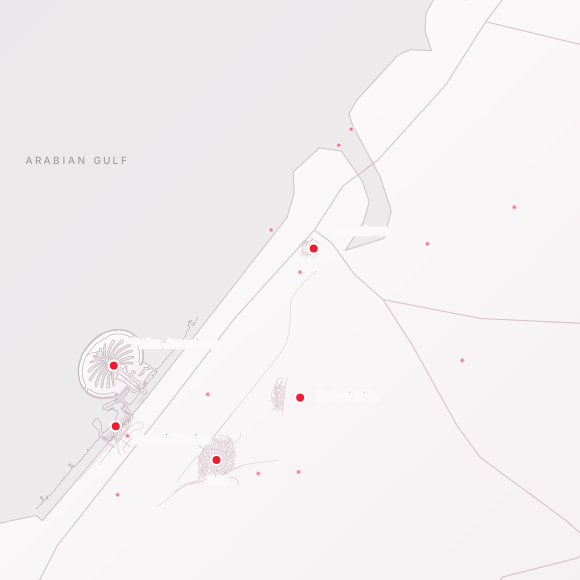
Across Dubai
THE LABORATORY. READY TO WELCOME YOU.
Your visit. In Deira.
Intel Lab · Deira 101–102, Al Hawai Building, Al Rigga Road, Al Muraqqabat, Deira, Dubai
Follow Polycystic Ovary Syndrome (PCOS) from your care bag to an informed conversation.
The right package. The right person.
Choose & assign
Add Polycystic Ovary Syndrome (PCOS) to your care bag. Book for yourself or assign the package to someone else. The care team can help match the selection to a request or prescription.
Preparation follows the test.
Prepare & collect
Confirm the instructions for blood and the appropriate collection arrangements. Correct identification, specimen choice and timing support a useful result.
Laboratory work, behind the finding.
Analyse & report
Intel Lab processes the sample and checks the report. The package lists 72 hours; collection timing and any additional laboratory checks may affect release.
A finding, placed in your context.
Understand & follow up
Read the report with the reason for testing. A clinician can explain unexpected findings, relevant limitations and whether any further assessment is appropriate.
MORE THAN A LIST OF NUMBERS.
Read the result. Understand the context.
Your report brings the measurements together. Explore the findings below to see which questions make the report more meaningful.
The result describes the sample that was tested. Preparation, timing and the measurement method help explain its context.
Laboratory informationClinical interpretation
RESULT + CONTEXT
A pattern for a risk conversation.
Different lipid measurements describe different particles and fats in the blood. The clinician combines them with personal and family history, blood pressure and other cardiovascular risk factors. These are risk-related measurements, not a scan of your arteries and not a test that rules out a heart attack.
Questions to take to your clinician
What does this part of my result add to the clinical question?
Does the sample timing or a medicine affect this finding?
What follow-up is appropriate for this specific result?
UNDERSTANDING YOUR REPORT
Blood
Glucose & insulin
The result describes the sample that was tested. Preparation, timing and the measurement method help explain its context.
Laboratory informationClinical interpretation
RESULT + CONTEXT
The sample now. The longer view.
Glucose reports the concentration at collection. Where included, HbA1c adds a longer-term view; insulin or C-peptide adds information about insulin production and the sampling context. Only the tests listed below are included. Fasting and non-fasting measurements answer different questions; HbA1c can be affected by some blood-cell conditions.
Questions to take to your clinician
What does this part of my result add to the clinical question?
Does the sample timing or a medicine affect this finding?
What follow-up is appropriate for this specific result?
UNDERSTANDING YOUR REPORT
Blood
Thyroid function
The result describes the sample that was tested. Preparation, timing and the measurement method help explain its context.
Laboratory informationClinical interpretation
RESULT + CONTEXT
The signal and the hormones.
TSH describes the pituitary signal, while free T4 and free T3 measure circulating thyroid hormones. Looking at the relationship helps put a single result in context. The panel does not include thyroid antibodies or ultrasound. Medicines, supplements and other illness may influence the pattern.
Questions to take to your clinician
What does this part of my result add to the clinical question?
Does the sample timing or a medicine affect this finding?
What follow-up is appropriate for this specific result?
UNDERSTANDING YOUR REPORT
Blood
Hormone context
The result describes the sample that was tested. Preparation, timing and the measurement method help explain its context.
Laboratory informationClinical interpretation
RESULT + CONTEXT
Timing is part of the result.
These hormones answer different reproductive or endocrine questions. The sampling time, menstrual-cycle stage where relevant, medicines and the reason for testing guide interpretation. A hormone panel does not on its own establish fertility, diagnose every endocrine condition or replace an examination and individual assessment.
Questions to take to your clinician
What does this part of my result add to the clinical question?
Does the sample timing or a medicine affect this finding?
What follow-up is appropriate for this specific result?
THE NEXT STEP IS PERSONAL.
Bring the findings back to you.
Connect the laboratory findings with the reason for this specific test. A report supports the next clinical conversation; it does not decide it for you.
01
Connect reproductive and metabolic findings
Review the hormone and metabolic results with symptoms, cycle history and any relevant examination or imaging. The diagnosis and next steps depend on the combined assessment, rather than a single laboratory pattern.
02
Agree the next step
Discuss this result with a clinician who knows the reason for testing. Further investigations or follow-up depend on the actual findings and your circumstances.
Intelligent Care brings the collection to you. Intel Lab brings the laboratory pathway, from sample handling to reporting.
1M+biomarkers reported annually
25+years in medicine · Dr Nirupama
Identify and protect the sample
Accurate patient details, the correct specimen and clear collection instructions are the first part of a reliable laboratory pathway. Follow the collection team’s instructions for the specimens required by this panel.
Analyse with quality controls
The laboratory’s analytical work and quality processes support the measurements in the report. Explore the laboratory’s published quality standards and accreditation scope for the detail behind its services.
Review before the report is released
Reporting connects the laboratory findings with their clinical use. Unexpected or significant results may need additional checks or communication with the referring clinician.
Laboratory content belongs with laboratory expertise. Explore the clinical profiles and their Dubai Health Authority directory records.
Clinical author
Dr Nirupama Sabhapathy
Laboratory Director · Intel Lab
Dr Nirupama Sabhapathy is a DHA-licensed Specialist in Clinical Pathology at Intel Lab. Her published Intel Lab profile describes more than 25 years in medicine and her role as Laboratory Director.
Dr Joyce Jose is a DHA-licensed Specialist in Clinical Pathology at Intel Lab. Her public professional record includes pathology practice in the UAE and earlier experience as a professor at Gulf Medical University.
Choosing for a particular need? We can help you read the options.
BEFORE YOU BOOK.
A little more clarity.
Preparation, sample types, timing and what the package does—and does not—include.
What is included in Polycystic Ovary Syndrome (PCOS)?
Reproductive hormones, thyroid tests, lipids, fasting glucose and HbA1c in a defined PCOS-related profile. The full named inventory on this page is the scope of the package.
Can this panel diagnose PCOS on its own?
No. Diagnosis combines clinical features and selected investigations while excluding other causes. A clinician decides how the included tests fit that process.
Is an LH-to-FSH pattern sufficient to diagnose PCOS?
No. A hormone pattern alone is not a diagnosis. Clinical features and the appropriate investigations are considered together.
Why are glucose and lipids relevant?
They provide metabolic information that can be relevant to an individual with PCOS or a related clinical concern.
Do I need ultrasound as well?
That depends on the assessment. The package does not include ultrasound, and a clinician decides whether it is useful or necessary.
How should I prepare?
Different hormones may need different cycle timing. Agree the collection day with the care team rather than choosing a universal cycle day from a website.
Can I arrange collection in Dubai?
Yes. Choose home collection across Dubai or a visit to Intel Lab in Deira. Any health package waives the collection fee for its own visit; separate appointments are assessed separately.
What is the price and expected turnaround?
The package price is AED 499; the listed turnaround is 72 hours. Confirm collection and processing arrangements with the team. Turnaround is not a guarantee that every result will be released at one exact time.
What happens after I receive the result?
Review relevant findings with a qualified clinician alongside the reason for testing, symptoms, medicines and prior results. The report may lead to reassurance about the tested question, confirmation, a targeted investigation or follow-up—not an automatic treatment decision.