Discuss alternatives
Depending on the reason for care, an oral preparation, nutrition support, a different treatment or no replacement treatment may be appropriate. Ask what makes the proposed route useful in your circumstances.


RECOVERY STARTS WITH ASSESSMENT.
A multi-ingredient option for people asking about recovery after alcohol. The first priority is understanding symptoms and whether medical assessment is needed.
 CLINICAL AUTHORDr Toqa Ibrahim
Formulation and administration must be clarified with the clinical team before treatment can be arranged.
RECOVERY STARTS WITH ASSESSMENT.
A hangover can involve more than fluid loss. Sleep disruption, stomach irritation and alcohol’s effects on the body are part of the picture; an infusion cannot be assumed to reverse them.

A CLOSER LOOK · 01
Tell the clinician about vomiting, pain, injuries, medicines or other substances, and whether symptoms are improving. Do not assume that every symptom after alcohol is a hangover.
Bring the reason you are seeking care into the conversation, including any diagnosis, recent investigation or change that concerns you.
A CLOSER LOOK · 02
If you can drink and retain fluids, an IV may not be necessary. Persistent vomiting or significant symptoms may require a different care setting.
Ask which preparation is proposed, how it fits your health needs and which observations will be used.
A CLOSER LOOK · 03
The listed ingredients include vitamin D3 and DMSO. Their preparation, component routes and suitability must be clarified before arranging treatment.
Your clinician can explain the alternatives, expected purpose, relevant risks and what would lead to a different recommendation.
THE LISTED FORMULATION. MADE CLEAR.
Explore all 12 listed entries for Hangover Recovery Max. These descriptions explain the names; the treating clinician confirms the exact preparation and prescription.

12 listed entries
Vitamin C contributes to collagen formation and normal immune function and acts as an antioxidant. Dietary intake and clinical need help put its role in perspective.
A folate-related component. Its normal role in cell division and blood formation is separate from a demonstrated need for this formulation.
Dexpanthenol is related to pantothenic acid, vitamin B5. The clinician can explain its role within the proposed formulation.
This named component needs formulation-specific preparation and route confirmation. It must not be assumed to be interchangeable with other sulphur-containing compounds.
Vitamin B12 contributes to normal blood-cell formation and neurological function. The cause of a deficiency and the appropriate replacement route need individual assessment.
Magnesium participates in normal muscle, nerve and metabolic functions. Kidney function, medicines and the clinical situation matter when considering replacement.
N-acetylcysteine supplies cysteine used in glutathione synthesis. NAC and glutathione remain different substances, so the proposed medicine should be identified by its exact name.
Vitamin B6 participates in normal metabolism and other body processes. Include your regular supplements in the discussion so the clinician can consider the total exposure.
Thiamine is involved in normal energy metabolism. Its role is considered alongside your nutritional history and the clinical reason for treatment.
Also called betaine, trimethylglycine participates in methyl-group metabolism. Its inclusion is considered as part of the complete formulation and your clinical circumstances.
Vitamin D contributes to calcium handling and bone health. Your clinical plan connects any replacement with your medical history, existing supplements and appropriate follow-up.
Zinc contributes to normal immune function, cell processes and wound healing. Nutrition and any demonstrated need help guide the clinical discussion.
No listed ingredients match. Try another name or clear your search.
This is the Max catalogue option. Compare its exact listed ingredients, price and session length; the label does not establish a larger verified dose or a better clinical outcome.
Any amount shown describes the reference ingredient entry. Your clinician confirms the individual preparation, amount, route and monitoring before treatment.
PURPOSE. EVIDENCE. EXPECTATIONS.
Explore the reason for treatment, what the formulation can tell you and the questions that remain individual.
Hangover Recovery Max has 12 named formulation entries and a listed 45-minute session. Its ingredients and practical details are a starting point for discussion, rather than a complete prescription.
Your symptoms, existing conditions, medicines, previous reactions and relevant results help the clinician decide whether treatment has a useful role. The plan also establishes the appropriate route, preparation, monitoring and follow-up.
This is not a proven hangover cure, a way to sober up or protection against alcohol-related harm. It does not make driving or other activities safe.
CHOOSING AN APPROPRIATE ROUTE.
The route, preparation and setting should fit the clinical need. Intravenous administration is not automatically a better choice.
Depending on the reason for care, an oral preparation, nutrition support, a different treatment or no replacement treatment may be appropriate. Ask what makes the proposed route useful in your circumstances.
The actual preparation, amount, administration route and monitoring are agreed by the clinician. An ingredient name, package title or session length does not provide a complete treatment protocol.
The team considers whether care can be provided at home. Symptoms or monitoring needs may mean that a clinic or hospital is the appropriate place instead.
BEFORE WE ARRANGE THIS OPTION
This is the Max catalogue option. Compare its exact listed ingredients, price and session length; the label does not establish a larger verified dose or a better clinical outcome.
Your enquiry lets the team clarify these details with you. No item is added to the care bag and no payment is collected through this route.
FROM THE FIRST QUESTION TO FOLLOW-UP.
Explore the care around the treatment, from the first conversation to the next clinical step.

Share the reason you are seeking care and any relevant history. The patient care team coordinates the appropriate clinical assessment; selecting an option does not establish suitability.
Give an accurate history of alcohol, medicines and other substances.
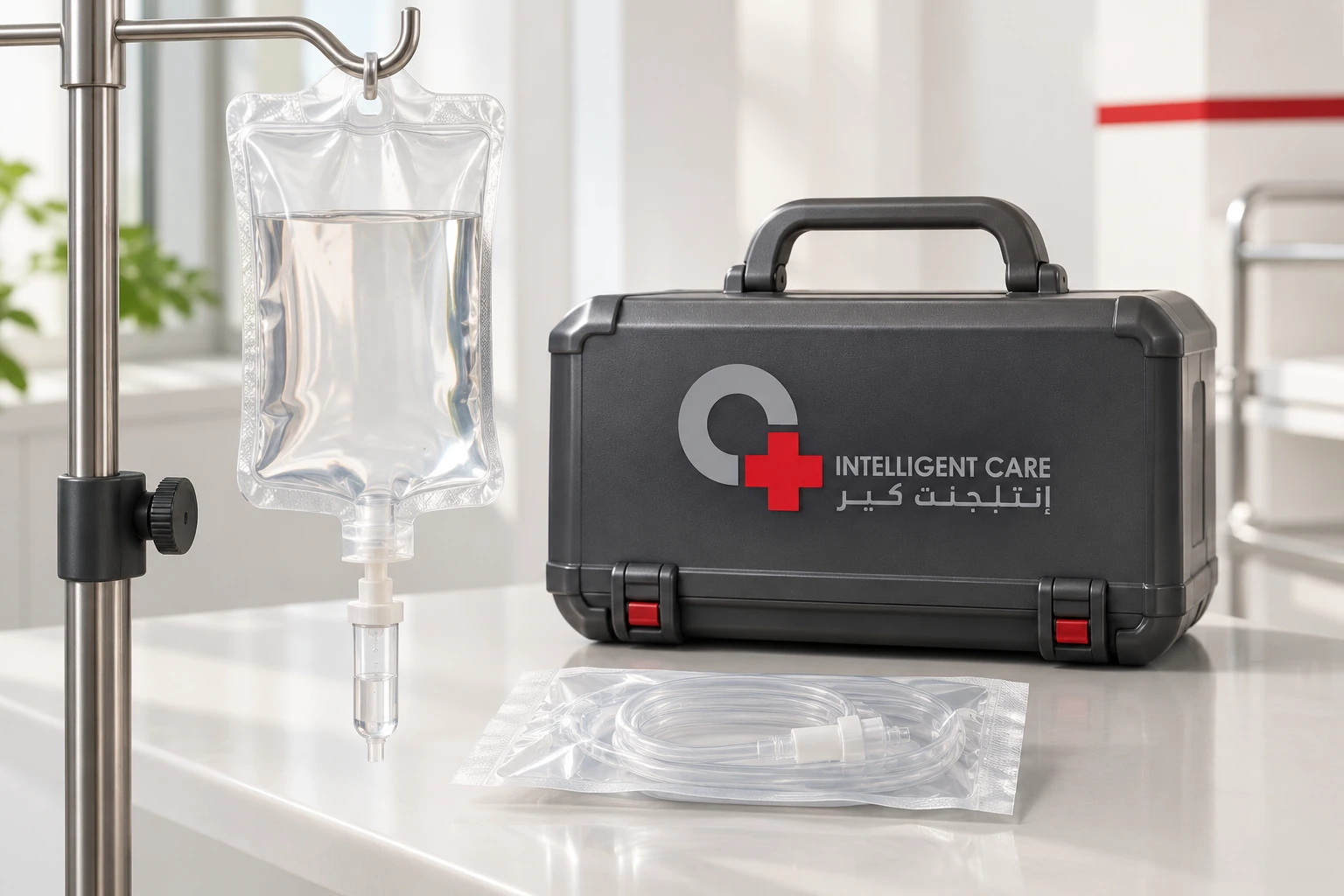
The clinician discusses the proposed purpose, risks, alternatives and appropriate setting. Confirm the preparation, route and instructions, and raise anything you do not understand.
Ask about the agreed purpose, instructions, alternatives and follow-up before giving consent.
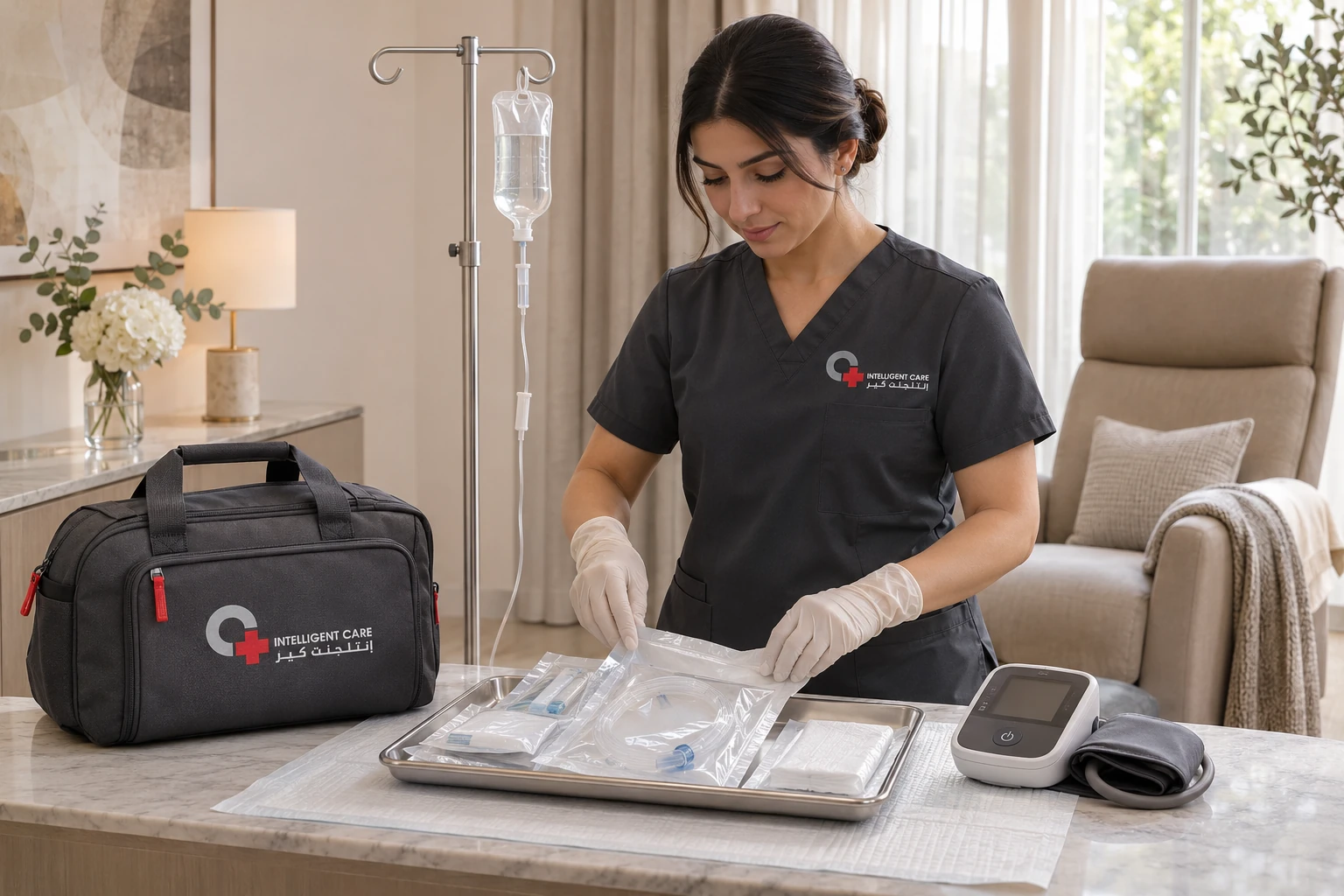
For an agreed home visit, the professional checks your identity and the prescribed treatment, prepares the equipment and explains what will happen. Observation and your feedback remain part of care.
The catalogue lists 45 minutes. Allow additional time for assessment, preparation and observation; an individual prescription determines the actual administration.

Discuss aftercare, who to contact about a concern and whether follow-up is needed. The original reason for treatment remains part of the plan after the appointment.
Follow the clinical advice on rest, fluids and further assessment.
YOUR COMFORT. YOUR VOICE.
Clinical monitoring and your own feedback work together. Ask the professional to explain the plan before treatment starts.

Discuss your medicines, allergies and previous reactions. The professional confirms the prescribed preparation and the observations needed for you.
Tell the professional promptly about pain, swelling, burning or leakage at the access site, a rash, nausea, dizziness or any unexpected change in how you feel.
The clinician may adjust, stop or advise a different care setting according to the situation. A planned session length is not a reason to continue through a concerning symptom.
Risks can include access-site irritation, infection, a reaction, fluid overload or electrolyte disturbance. The preparation and your health circumstances affect the risks.
PREPARE FOR A BETTER CONVERSATION.
Use this personal checklist to prepare. It does not assess your suitability or store a medical history.
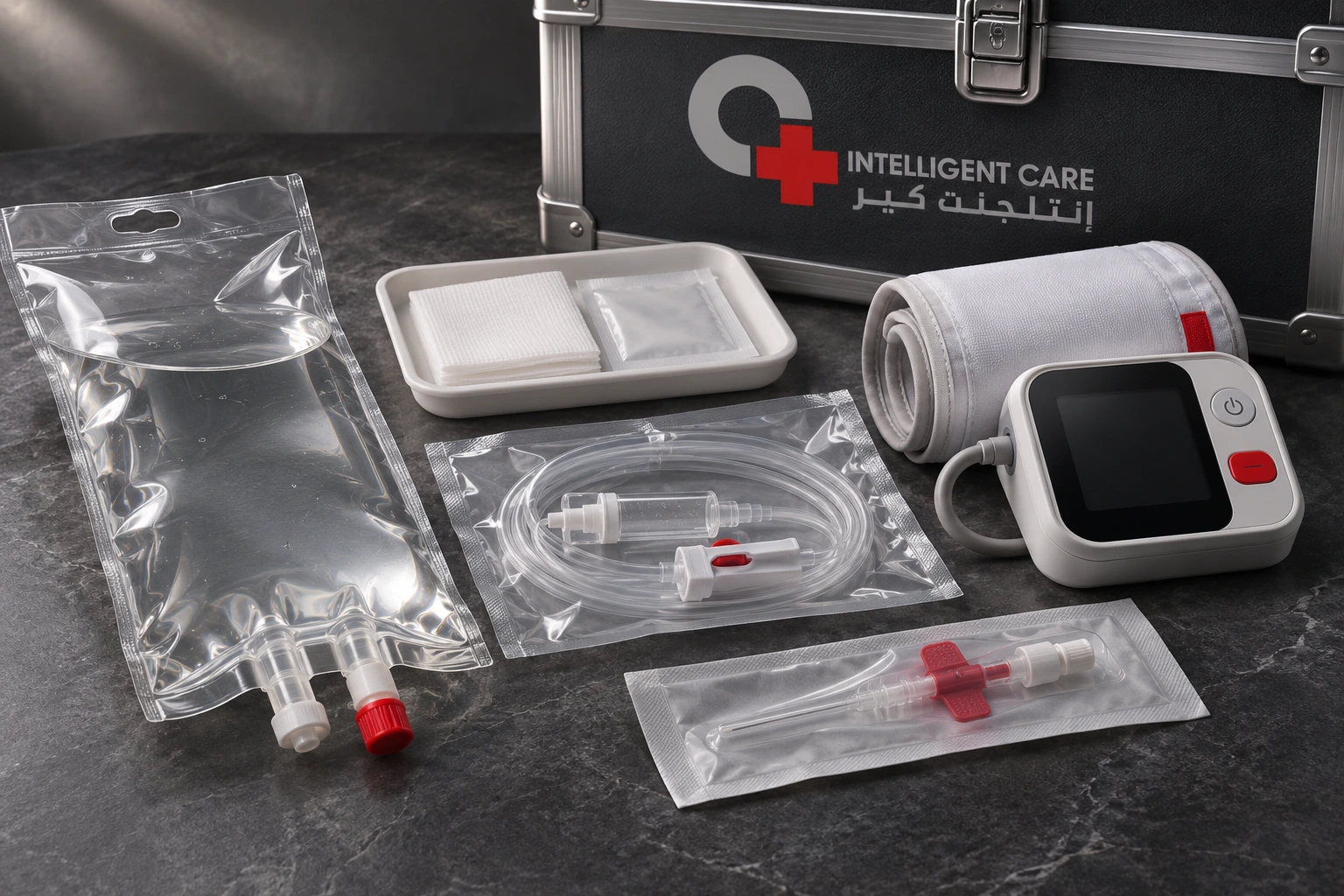
Choose the points you have considered.
TECHNOLOGY-ENABLED CARE.
Explore how the appointment, clinical plan and follow-up fit together. The treatment remains a clinical decision.
YOUR CARE · 01
Keep the selected service, recipient, home address and agreed appointment in view. If an earliest-available request is needed, the care team agrees timing with you before an appointment is confirmed.
YOUR CARE, TOGETHERYOUR CARE · 02
The assessment connects the reason for care with the prescribed preparation and any instructions. Use the clinical conversation to understand what has been agreed and what still needs clarification.
YOUR CARE, TOGETHERYOUR CARE · 03
Keep the aftercare instructions and contact route together. Changes in symptoms, relevant results and the need for a follow-up conversation belong with the clinical team.
YOUR CARE, TOGETHERTHE VISIT IS ONE PART OF CARE.
Aftercare should address both the treatment and the reason you sought help. Ask for instructions that fit the preparation and your circumstances.
Follow the clinical advice on rest, fluids and further assessment.
Do not use an infusion as a reason to drink more alcohol.
If drinking is affecting your health, ask about appropriate support.
Contact the treating team about new or persistent symptoms, the access site or an instruction you are unsure about. If you are seriously unwell, seek urgent medical care rather than waiting for a routine message.
Explore doctor at homeYOUR NEXT STEP. WITHOUT THE GUESSWORK.
For this option, speak with the team before arranging treatment. The preparation and route need clarification.
Tell the team which option interests you and what you want help understanding.
The formulation, component routes and appropriate clinical purpose need to be clarified.
The team discusses an appropriate assessment or alternative. No cart item or online payment is created by this enquiry.
COMPARE THE DETAILS.
Compare the listed formulation and practical details, then discuss what fits your clinical needs. A name, price or ingredient count does not determine suitability.
A multi-ingredient option for people asking about recovery after alcohol. The first priority is understanding symptoms and whether medical assessment is needed.
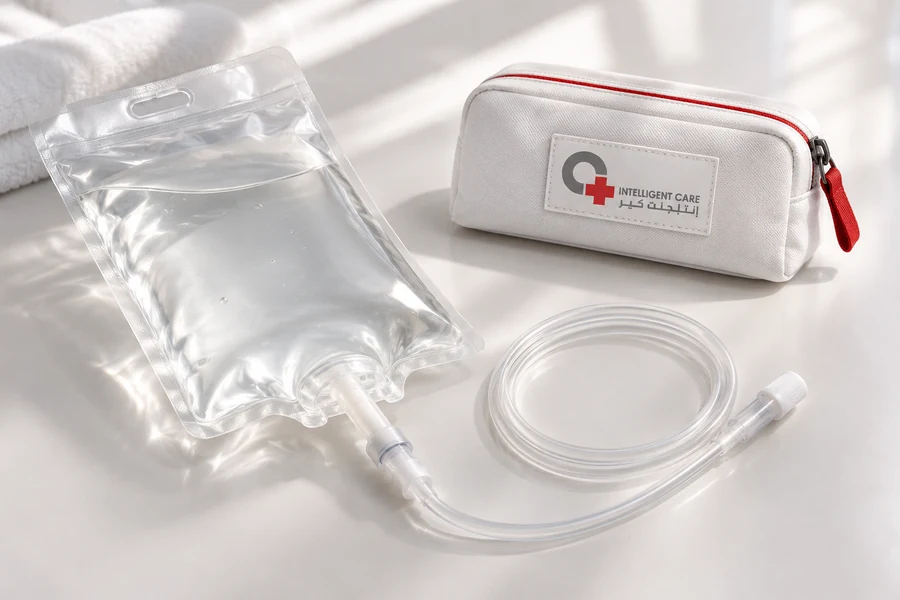
An assessed hydration option with five listed components. Understand the fluid, the reason for treatment and the care around your home visit.

A thirteen-component option, explored through your health history and clinical needs. See the ingredients and discuss whether any treatment is appropriate for you.
REAL PEOPLE. VERIFIABLE PROFILES.
Explore the named clinical profiles and their Dubai Health Authority directory records. Their registered specialties are shown accurately below.
Clinical author
General Practitioner · Intelligent Care
Dr Toqa Ibrahim is a DHA-licensed General Practitioner with Alpha Intelligent Care Home Healthcare Center. Her clinical profile brings the general-practice perspective into our approach to care at home.

Clinical reviewer
Specialist Clinical Pathology · Intel Lab
Dr Nirupama Sabhapathy is a DHA-licensed Specialist in Clinical Pathology at Intel Lab. Her published Intel Lab profile describes more than 25 years in medicine and her role as Laboratory Director.
PRACTICAL ANSWERS.
Find the answer you need or speak with our team about your own circumstances.
A multi-ingredient option for people asking about recovery after alcohol. The first priority is understanding symptoms and whether medical assessment is needed.
Ascorbic Acid (Vit C); Calcium L-5-MethylTetraHydroFolate (Vit B9); Dexpanthenol (Vit B5); Dimethylsulfoxide (DMSO); Hydroxocobalamin (Vit B12); Magnesium Chloride; N-Acetylcysteine; Pyridoxine (Vit B6); Thiamine HCl (Vit B1); Trimethylglycine; Vitamin D3; Zinc Chloride. These are catalogue entries, not a personalised prescription or instructions for preparing or administering a treatment.
The listed price is AED 750 per session. There is no additional home-visit fee for this service. The next step is a clinical enquiry; the formulation and route must be clarified before treatment is arranged.
The catalogue lists 45 minutes for the session. Assessment, preparation and observation can require additional time. The actual prescription and clinical situation determine administration; the listing is not an infusion-rate instruction.
No. Medical history, current symptoms, medicines, allergies, pregnancy or breastfeeding and relevant results can affect suitability. The treating clinician assesses the actual preparation and whether home treatment is appropriate.
Agree a specific clinical purpose with the treating clinician and ask how it will be reviewed. The purpose and expectations section above explains the relevant limits for this option.
The listed formulation is not a menu for self-prescribing individual ingredients. The exact preparation, amount, administration route, rate and monitoring belong in the clinical prescription. Discuss any requested changes with the clinician.
Ask for the instructions appropriate to you. Do not fast, stop a medicine, take extra supplements or deliberately increase fluid intake on the basis of this page. Tell the team about medicines and supplements you already use.
You can identify another recipient in the shared care workflow. The clinical assessment concerns the person receiving treatment, and any necessary guardian or other arrangements must be confirmed with the care team.
Mention your timing needs in the enquiry. The team first clarifies the formulation and appropriate care route, then discusses arrangements.
There is no automatic course implied by this listing. The clinical purpose, response, relevant results and the exact treatment determine whether follow-up or another session is appropriate.
Do not wait for an infusion appointment if someone is seriously unwell, has severe breathing difficulty, chest pain, confusion, collapse or a rapidly worsening condition. In a medical emergency in the UAE, call 998.
CARE THAT COMES TO YOU.