Arrange your collection
Choose your location, add the test to your care bag and select a time. If you are booking for someone else, assign the test to them in checkout.
Choose collection location
Biochemistry · Individual laboratory test
Uric acid forms when the body breaks down purines. Clinicians may measure it in the evaluation of gout, certain kidney stones or treatment response.
 Clinical authorDr Nirupama SabhapathySpecialist Clinical Pathology

Understanding the test
Also called Gout & Kidney Marker
Uric acid can support the assessment of suspected gout or certain stones. Clinicians also use it to follow an agreed urate-lowering treatment plan.
A clinician may use serial urate to monitor a prescribed plan.
Urate can be relevant when investigating certain patterns of recurrent kidney stones.
Before your sample
An overnight fast is not usually required for uric acid. Before a planned draw, avoid unusually large alcohol or purine-rich meals and tell the team whether testing coincides with a joint flare.
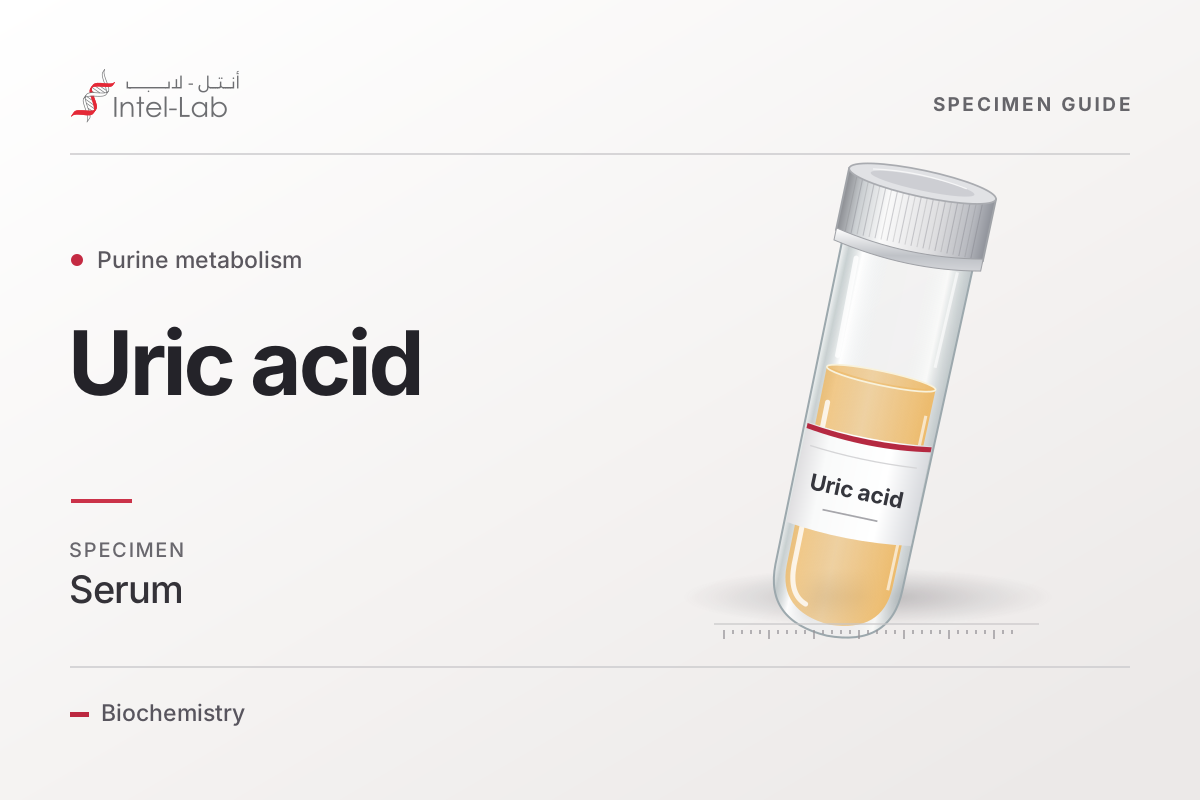
A clinician takes a small sample of blood from a vein. The laboratory uses serum, the liquid separated from the blood after it clots.
Smart Report
24 hoursLaboratory turnaround
 Result guide
A raised urate increases the possibility of crystal formation but does not establish why a joint is painful. The level can also vary during an acute attack.
From sample to follow-up
Choose your location, add the test to your care bag and select a time. If you are booking for someone else, assign the test to them in checkout.
Choose collection locationLook for Uric Acid in your report. Use the sample type and collection time when comparing it with an earlier report.
Explore Smart Report
Record whether a joint flare was active at collection and any urate-lowering treatment when discussing an unexpected result.
Health packages
Compare the other tests in each package before choosing.
 Basic Health CheckupKidney / Renal Profile
 Basic Health CheckupBasic Wellness
 Basic Health CheckupBasic Health Checkup
 Advanced Health PackagesAdvanced Health Checkup
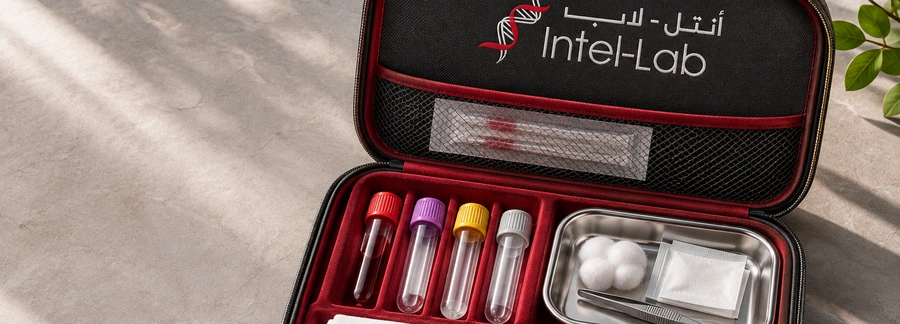 Advanced Health PackagesExecutive Health Checkup
 Advanced Health PackagesObesity Profile
 Advanced Health PackagesElite Health Checkup
 Advanced Health PackagesExtensive Cardiac Function
 Advanced Health PackagesFitness Profile
 Advanced Health PackagesMaster Health Checkup
Clinical expertise

Patient questions
Many people with elevated uric acid never develop gout. The joint symptoms, examination and sometimes joint fluid testing help establish the diagnosis.
Yes. The kidneys remove much of the uric acid made by the body. Your clinician considers kidney function, medicines and previous results when assessing a raised level.
No. Uric acid is one potential contributor to stones. Stone composition, urine characteristics and other clinical findings are needed to identify the likely cause.
Yes. Uric acid can fall during a flare. If your symptoms still suggest gout and the level was below 360 micromol/L (6 mg/dL), your clinician may repeat it at least two weeks after the flare has settled.
KEEP EXPLORING
Open a package to see exactly which tests it includes.
Creatinine, eGFR, urea nitrogen, uric acid and calcium from one blood sample, to check how well your kidneys are functioning.
Blood count, liver, kidney, cholesterol, blood sugar and urine tests: the essentials in one visit.
A complete blood count with liver enzymes, cholesterol, kidney markers and fasting blood sugar from one blood sample.
A broad whole-body screen covering blood, urine and stool with kidney, liver, lipid, iron, diabetes and vitamin markers.
Choosing for a particular need?
We can help you read the options.
Your next step
Written by Dr Nirupama Sabhapathy, Specialist Clinical Pathology. Medically reviewed by Dr Joyce Jose, Specialist Clinical Pathology, on .
Catalogue information and AED price checked on 2 November 2026. Clinical suitability, preparation, collection arrangements and turnaround are confirmed for your selected test.