Arrange your collection
Choose your location, add the test to your care bag and select a time. If you are booking for someone else, assign the test to them in checkout.
Choose collection location
Biochemistry · Individual laboratory test
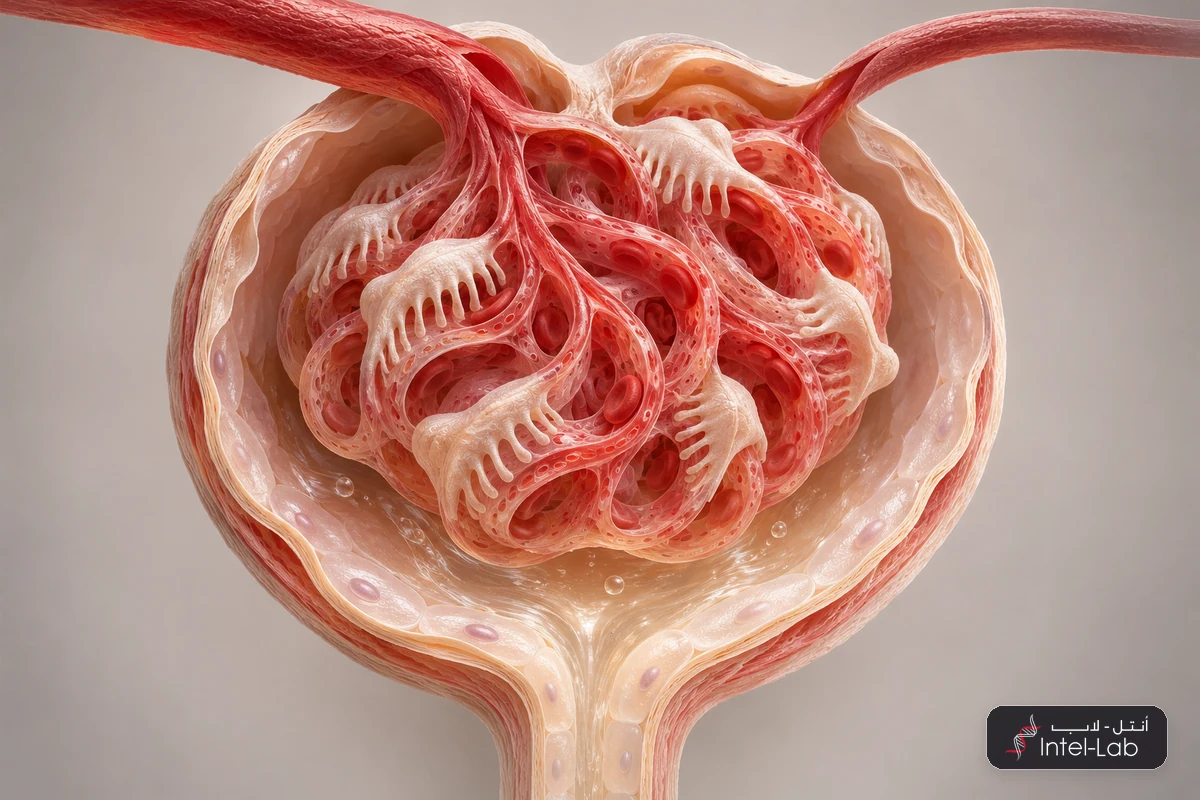
The estimated glomerular filtration rate expresses how well the kidneys are thought to filter blood. The calculation uses a blood creatinine result and patient information.
 Clinical authorDr Nirupama SabhapathySpecialist Clinical Pathology
Understanding the test
Also called Kidney Filtration Rate
eGFR is useful for following kidney filtration over time. When kidney damage is a concern, clinicians often assess urine albumin as well.
Repeating an estimate under stable conditions can help a clinician track filtration over time.
The estimate and urine albumin describe different aspects of kidney health.
Before your sample
The estimate comes from a creatinine blood draw. Before planned testing, avoid unusually intense exercise and a large meat meal and mention any creatine supplements.
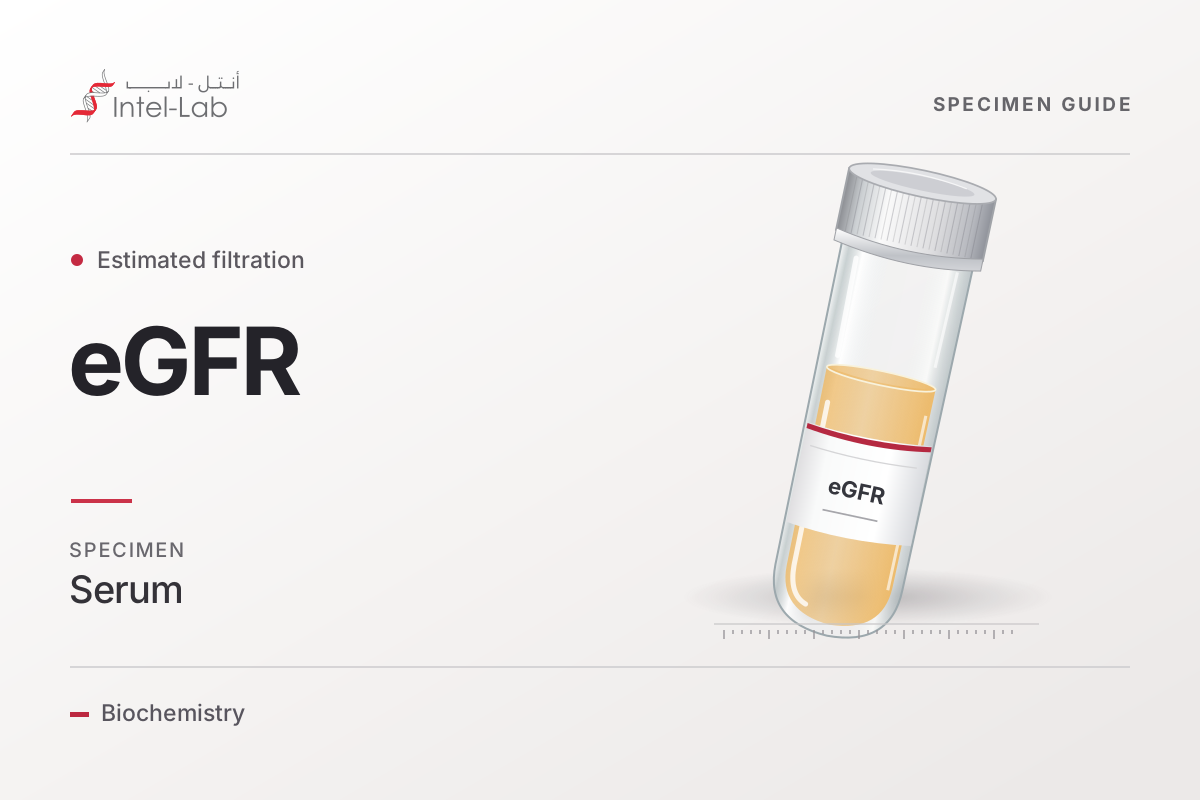
A clinician takes a small sample of blood from a vein. The laboratory uses serum, the liquid separated from the blood after it clots.
Smart Report
24 hoursLaboratory turnaround
 Result guide
An estimate can be less reliable if creatinine is changing rapidly or if muscle mass differs substantially from average. Trends and urine findings help give the estimate meaning.
From sample to follow-up
Choose your location, add the test to your care bag and select a time. If you are booking for someone else, assign the test to them in checkout.
Choose collection locationLook for Estimated Glomerular Filtration Rate (eGFR) in your report. Use the sample type and collection time when comparing it with an earlier report.
Explore Smart Report
Ask whether there is an earlier filtration estimate or urine albumin result to compare with this report.
Health packages
Compare the other tests in each package before choosing.
Clinical expertise

Patient questions
Chronic kidney disease means reduced kidney function or another sign of kidney damage that lasts at least three months. An eGFR below 60 for that long can meet the definition. At a higher eGFR, persistent albumin in the urine can still indicate kidney damage. A sudden drop needs prompt assessment without waiting three months.
Creatinine is the waste product actually measured in your blood, and eGFR is a filtration rate calculated from it together with your age and sex. They move in opposite directions: as creatinine rises, eGFR falls. eGFR is easier to read as a measure of kidney function, but anything that shifts creatinine, such as muscle mass or diet, shifts eGFR too.
Yes, substantially. Muscle produces creatinine, so a very muscular person can have an underestimated eGFR while someone with little muscle can have an overestimated one, even though both have healthy kidneys.
KEEP EXPLORING
Open a package to see exactly which tests it includes.
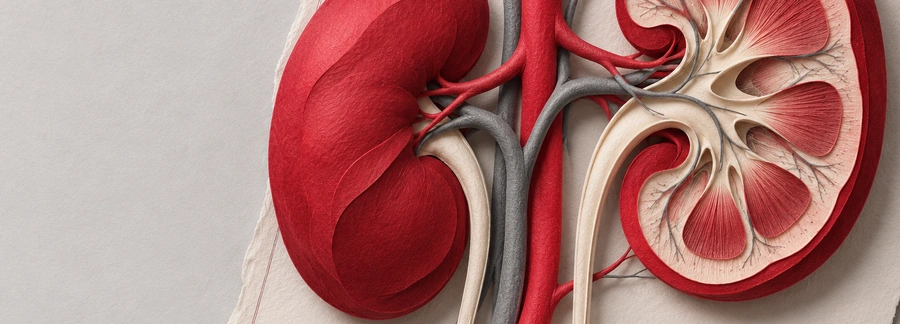
Creatinine, eGFR, urea nitrogen, uric acid and calcium from one blood sample, to check how well your kidneys are functioning.

Blood count, liver, kidney, cholesterol, blood sugar and urine tests: the essentials in one visit.

A broad whole-body screen covering blood, urine and stool with kidney, liver, lipid, iron, diabetes and vitamin markers.

A whole-body screen of blood, urine and stool with kidney, liver, lipid, iron, diabetes and vitamin markers, plus thyroid function and a full…
Choosing for a particular need?
We can help you read the options.
Your next step
Written by Dr Nirupama Sabhapathy, Specialist Clinical Pathology. Medically reviewed by Dr Joyce Jose, Specialist Clinical Pathology, on .
Catalogue information and AED price checked on 2 November 2026. Clinical suitability, preparation, collection arrangements and turnaround are confirmed for your selected test.