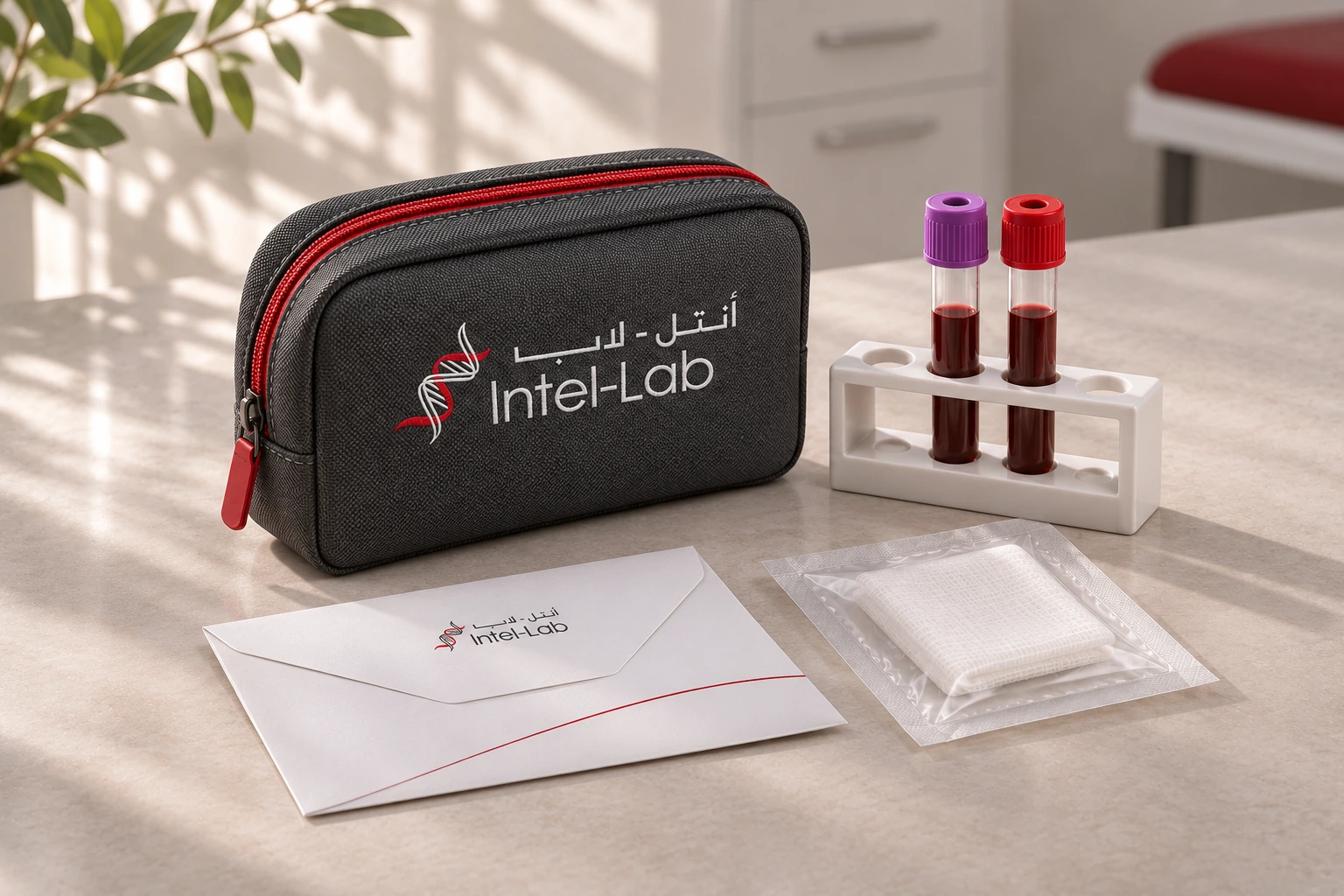
Arrange your collection
Choose your location, add the test to your care bag and select a time. If you are booking for someone else, assign the test to them in checkout.
Choose collection location
Biochemistry · Individual laboratory test
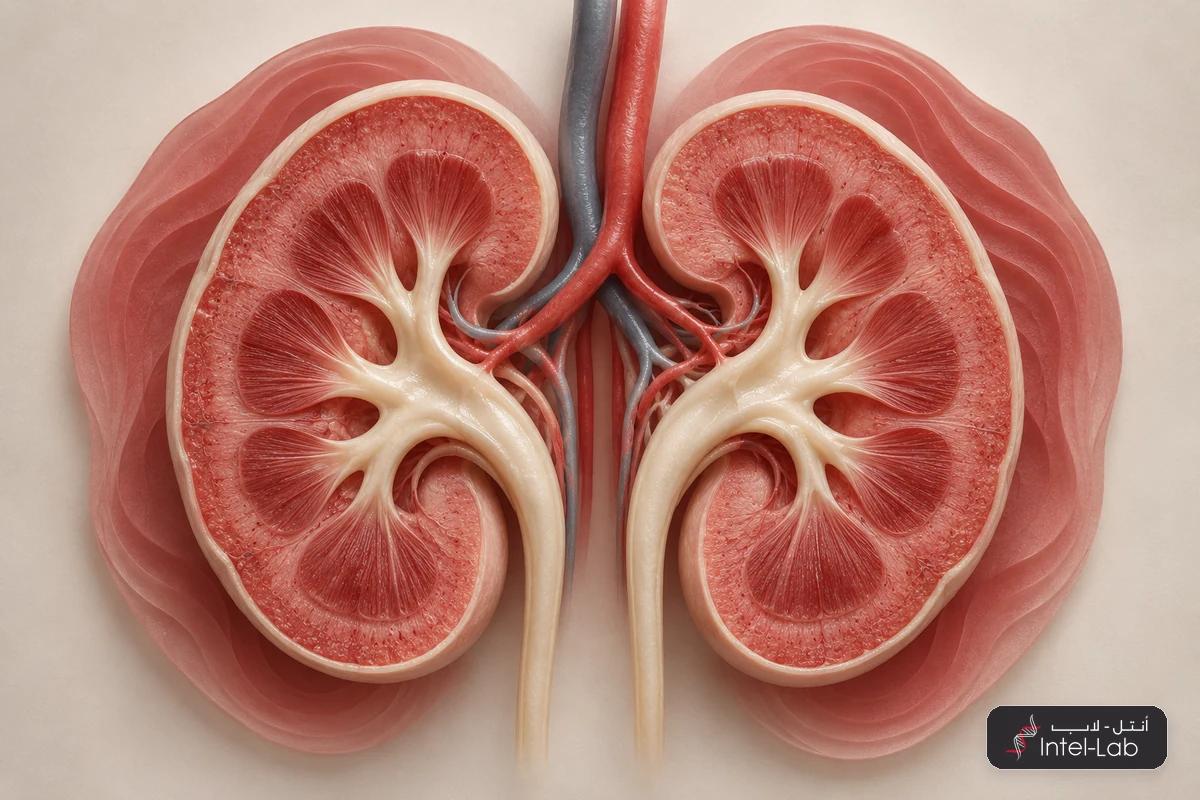
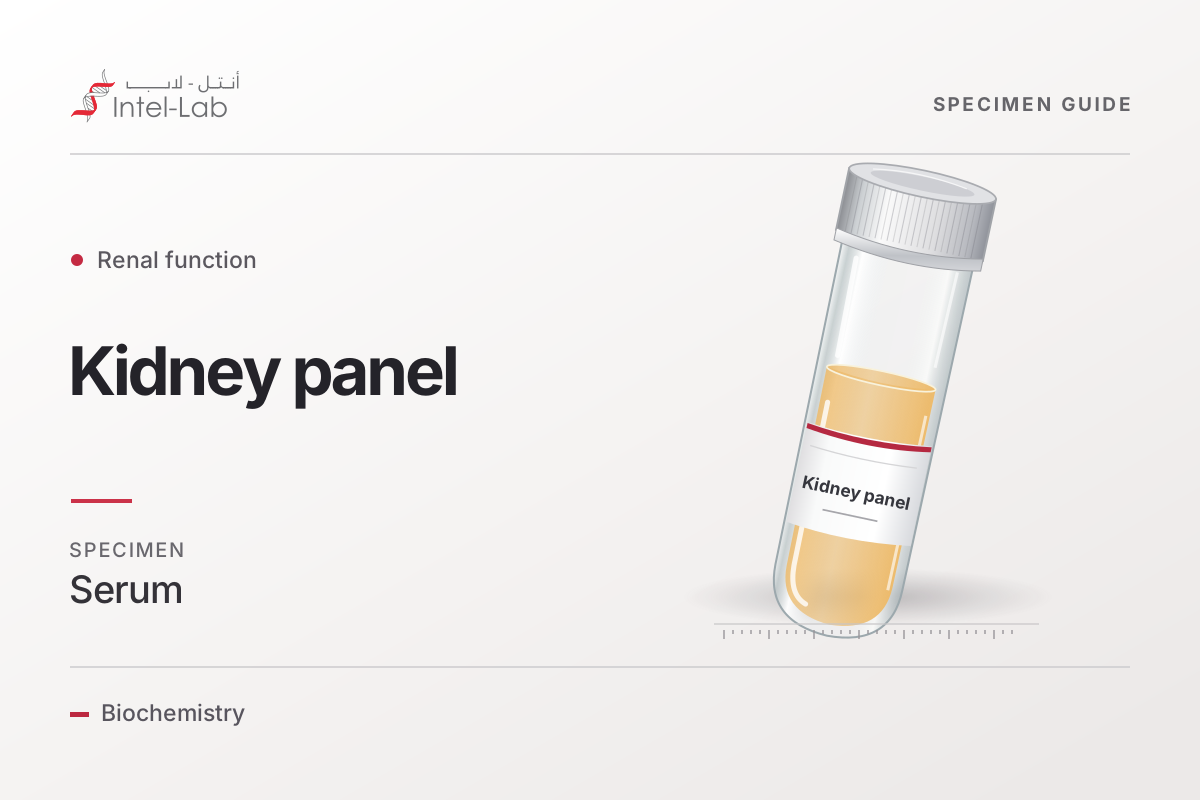
This blood panel reports creatinine, estimated glomerular filtration rate (eGFR), blood urea nitrogen, uric acid and calcium. Together they give your clinician a view of filtration and related changes in blood chemistry.
 Clinical authorDr Nirupama SabhapathySpecialist Clinical Pathology
Understanding the test
Also called Complete Kidney Panel
The profile can support follow-up in kidney disease or evaluation after illness or fluid loss. Earlier creatinine and eGFR results are particularly helpful for judging whether kidney filtration has changed.
The clinician can compare filtration estimates, waste markers and blood calcium over time.
The clinician may compare a current profile with previous results after illness or fluid loss.
Inside this test
Before your sample
The renal panel alone generally requires no fast. Avoid an unusually large meat meal and intense exercise before the draw, and bring a list of medicines and supplements.
A clinician takes a small sample of blood from a vein. The laboratory uses serum, the liquid separated from the blood after it clots.
Smart Report
24 hoursLaboratory turnaround
 Result guide
Compare results with earlier kidney measurements and urine findings if available. Age, muscle mass and the speed of change can affect what a creatinine-based estimate means.
From sample to follow-up
Choose your location, add the test to your care bag and select a time. If you are booking for someone else, assign the test to them in checkout.
Choose collection locationLook for Renal (Kidney) Profile in your report. Use the sample type and collection time when comparing it with an earlier report.
Explore Smart Report
Take prior kidney panels, urine reports and your medicines to the review so the clinician can compare the changes across time.
Clinical expertise

Patient questions
Urine albumin needs a separate urine sample. If your referral specifically requests potassium, check that it appears by name on your order. The five results listed for this blood profile are creatinine, eGFR, blood urea nitrogen, uric acid and calcium.
Hard training, greater muscle mass and creatine supplements can raise creatinine independently of kidney disease. Tell the clinician when you trained and what you took. The result still needs to be read against your previous level and symptoms.
Urea changes with fluid balance and how much protein your body breaks down. Creatinine also depends on muscle mass. Comparing them with earlier results and eGFR provides more information than either alone; the difference between them cannot by itself rule out kidney injury.
KEEP EXPLORING
Open a package to see exactly which tests it includes.
Creatinine, eGFR, urea nitrogen, uric acid and calcium from one blood sample, to check how well your kidneys are functioning.

Blood count, liver, kidney, cholesterol, blood sugar and urine tests: the essentials in one visit.
A complete blood count with liver enzymes, cholesterol, kidney markers and fasting blood sugar from one blood sample.

A broad whole-body screen covering blood, urine and stool with kidney, liver, lipid, iron, diabetes and vitamin markers.
Choosing for a particular need?
We can help you read the options.
Your next step
Written by Dr Nirupama Sabhapathy, Specialist Clinical Pathology. Medically reviewed by Dr Joyce Jose, Specialist Clinical Pathology, on .
Catalogue information and AED price checked on 2 November 2026. Clinical suitability, preparation, collection arrangements and turnaround are confirmed for your selected test.