Arrange your collection
Choose your location, add the test to your care bag and select a time. If you are booking for someone else, assign the test to them in checkout.
Choose collection location
Urine Studies · Individual laboratory test
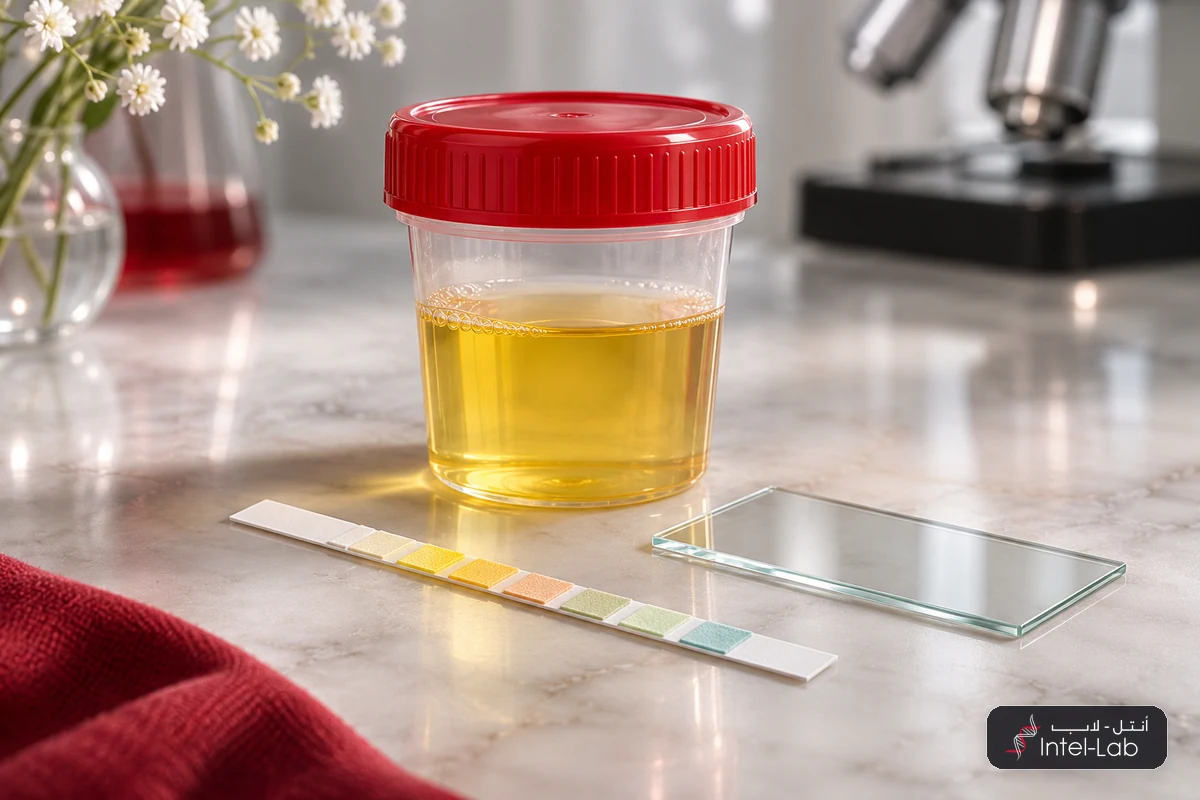
Urinalysis examines physical appearance, chemical findings and microscopic material in one specimen. It can provide clues to kidney or urinary tract problems.
 Clinical authorDr Nirupama SabhapathySpecialist Clinical Pathology
Understanding the test
Also called Urinalysis (Routine)
A clinician may request urinalysis for urinary symptoms, unexpected blood or protein, or a kidney or metabolic concern. The chemical and microscopic parts complement each other.
A urinalysis may reveal patterns involving protein, blood, inflammatory cells or other findings.
Symptoms and collection quality help guide whether a culture or a more specific kidney test is needed.
Inside this test
Before your sample
A first-morning clean midstream specimen is preferred. Confirm how promptly to return it and tell the team about menstruation or recent urinary symptoms.
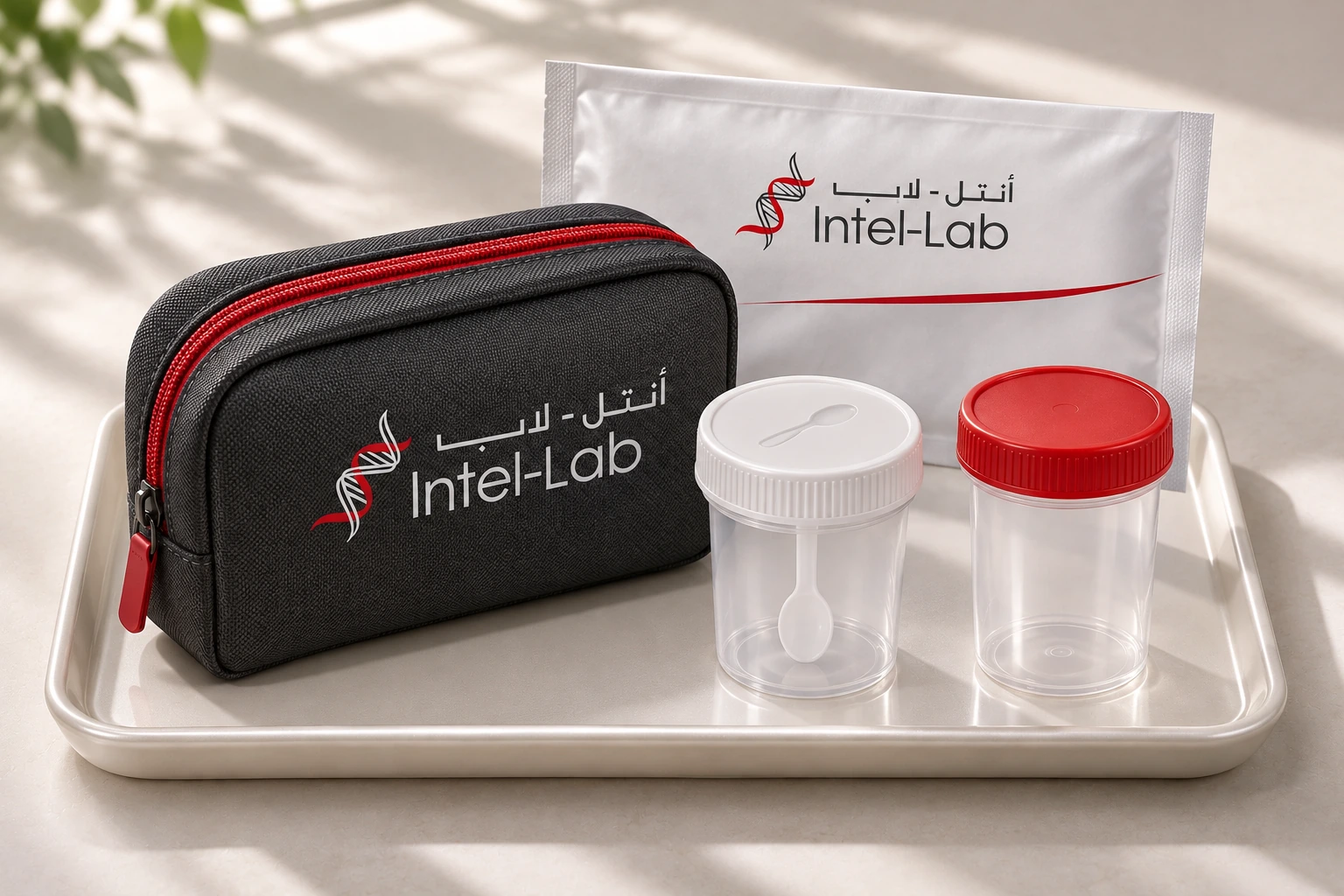
Use the collection container and instructions supplied for this order. The sampling method depends on the test, so confirm the instructions before collecting at home.
Smart Report
24 hoursLaboratory turnaround
 Result guide
An abnormal finding directs further work-up rather than identifying the cause on its own. For example, signs of inflammation may need culture, while protein may need quantification.
From sample to follow-up
Choose your location, add the test to your care bag and select a time. If you are booking for someone else, assign the test to them in checkout.
Choose collection locationLook for Urine Analysis in your report. Use the sample type and collection time when comparing it with an earlier report.
Explore Smart Report
Review the chemical and microscopic findings together with symptoms. Ask which individual finding, if any, needs confirmation.
Health packages
Compare the other tests in each package before choosing.
Clinical expertise

Patient questions
No. A urine culture and susceptibility test may be needed to identify a cause of infection and guide antibiotic selection.
First-morning urine has collected in the bladder overnight, so it is the most concentrated and shows abnormalities most clearly. It should still reach the laboratory promptly, because urine left standing changes chemically and its cells break down. Wash first, pass the first part of the stream into the toilet, then fill the container without touching the inside.
Protein in urine can be a sign that the kidneys are leaking protein, which is one reason urinalysis is used to screen for and monitor kidney disease. A single strip reading can mislead, though: vigorous exercise beforehand, a very concentrated sample and contamination can all affect it. A persistent finding is usually confirmed by measuring the amount of protein rather than acted on from one test.
KEEP EXPLORING
Open a package to see exactly which tests it includes.

Blood count, liver, kidney, cholesterol, blood sugar and urine tests: the essentials in one visit.

A broad whole-body screen covering blood, urine and stool with kidney, liver, lipid, iron, diabetes and vitamin markers.

A whole-body screen of blood, urine and stool with kidney, liver, lipid, iron, diabetes and vitamin markers, plus thyroid function and a full…

A targeted panel assessing hormonal, thyroid, lipid and general health markers relevant during the menopausal transition.
Choosing for a particular need?
We can help you read the options.
Your next step
Written by Dr Nirupama Sabhapathy, Specialist Clinical Pathology. Medically reviewed by Dr Joyce Jose, Specialist Clinical Pathology, on .
Catalogue information and AED price checked on 2 November 2026. Clinical suitability, preparation, collection arrangements and turnaround are confirmed for your selected test.