
Arrange your collection
Choose your location, add the test to your care bag and select a time. If you are booking for someone else, assign the test to them in checkout.
Choose collection location
Biochemistry · Individual laboratory test
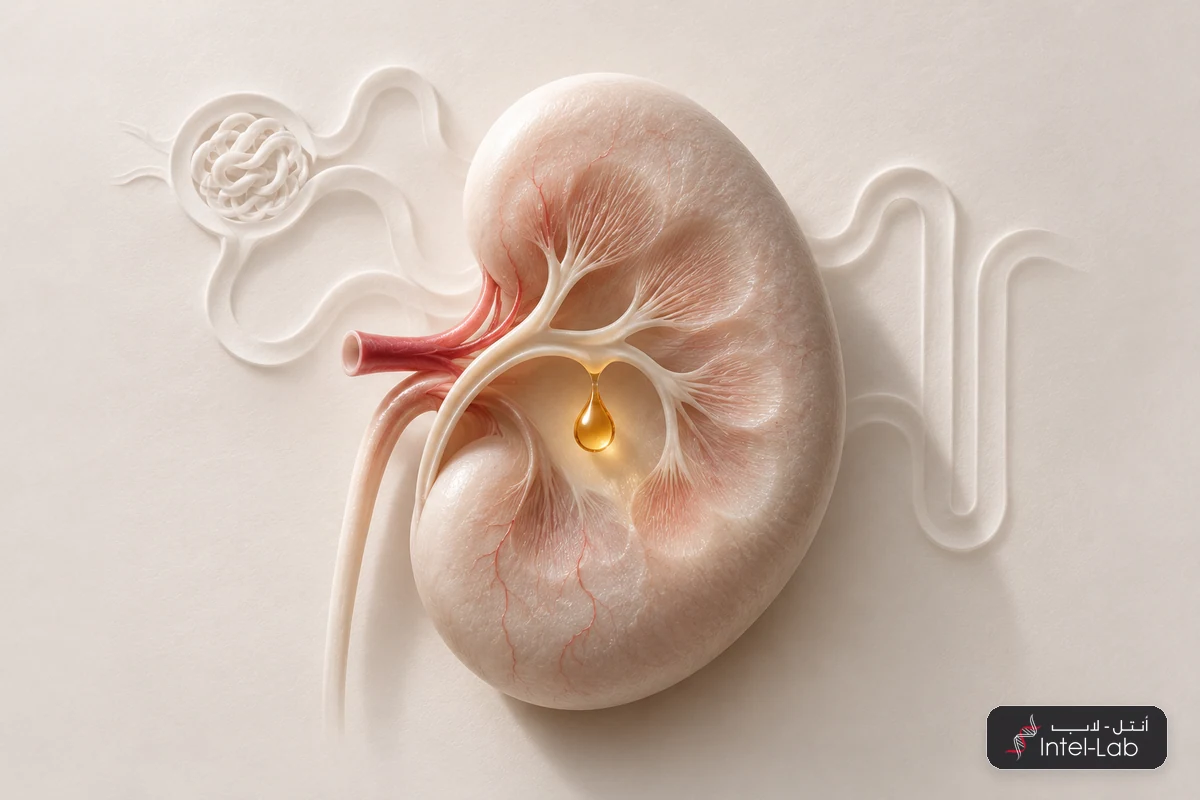
Urea forms as the body processes protein and is removed mainly by the kidneys. A blood result is often viewed alongside creatinine.
 Clinical authorDr Nirupama SabhapathySpecialist Clinical Pathology
Understanding the test
Also called Kidney Waste Marker
A urea result helps assess how kidneys handle a protein waste product. It may be useful in tracking kidney disease or fluid changes.
Urea is one of several waste markers used when reviewing filtration.
A recent change in protein intake or hydration can help explain a change in the result.
Before your sample
Fasting is generally unnecessary for urea. Keep to your usual fluid and protein intake, within any medical restrictions, and report recent fluid loss or a major diet change.
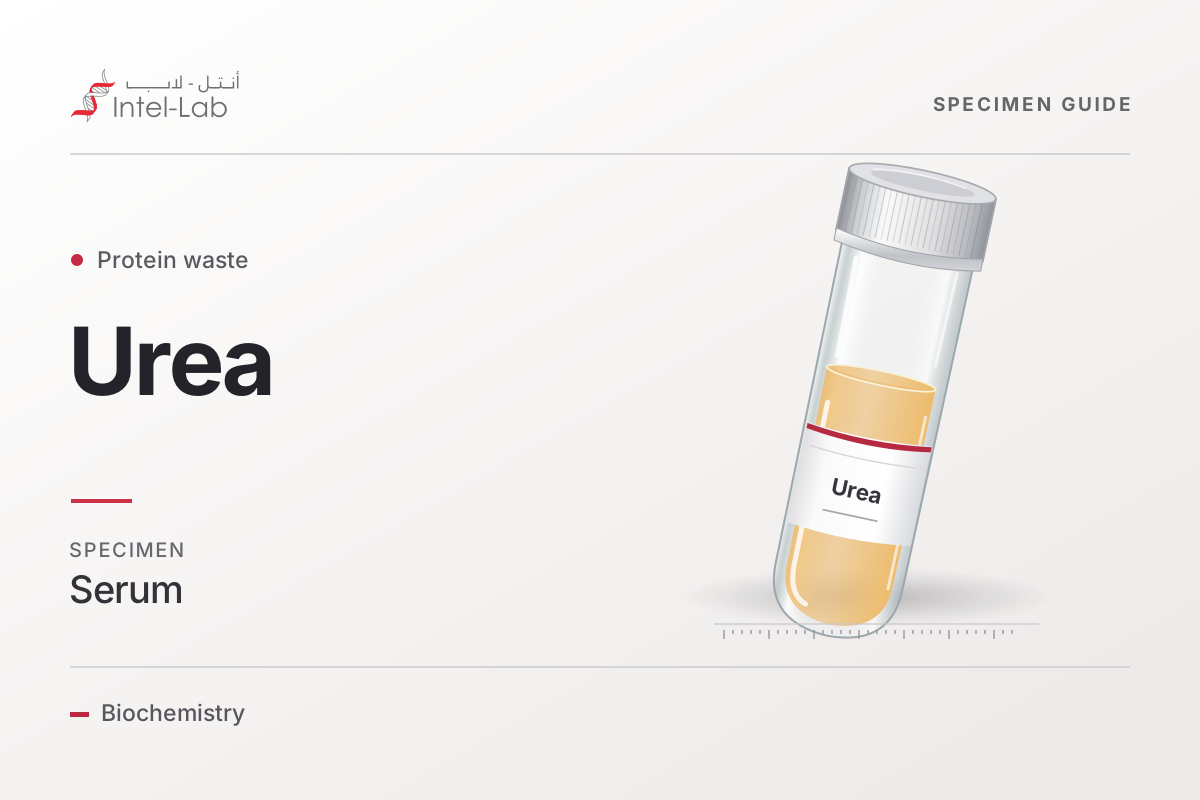
A clinician takes a small sample of blood from a vein. The laboratory uses serum, the liquid separated from the blood after it clots.
Smart Report
24 hoursLaboratory turnaround
 Result guide
Kidney clearance is only part of the picture. A high-protein intake, dehydration and other clinical factors can alter urea, so the result is usually compared with creatinine.
From sample to follow-up
Choose your location, add the test to your care bag and select a time. If you are booking for someone else, assign the test to them in checkout.
Choose collection locationLook for Urea in your report. Use the sample type and collection time when comparing it with an earlier report.
Explore Smart Report
Take both the units and the test name from older reports, particularly if one used BUN, so the clinician can compare like with like.
Health packages
Compare the other tests in each package before choosing.
Clinical expertise

Patient questions
They describe related aspects of the same substance but use different reporting conventions. Use the units and reference interval printed for your own test.
Reduced kidney clearance is the classic explanation, but it is not the only one. Dehydration, reduced blood flow to the kidneys as in heart failure, bleeding into the digestive tract, major injury, burns, severe infection, steroid treatment and obstruction to urine flow from prostate enlargement or stones all raise it. Your doctor uses creatinine and your symptoms to tell these apart.
A low urea is not a sign of especially good health. It reflects less urea being made or more dilution: advanced liver disease, since the liver produces urea, a diet persistently low in protein or malnutrition, overhydration, or pregnancy, when plasma volume expands and kidney filtration increases. On its own it is usually not concerning, and your doctor reads it with your liver tests and diet.
KEEP EXPLORING
Open a package to see exactly which tests it includes.
A complete blood count with liver enzymes, cholesterol, kidney markers and fasting blood sugar from one blood sample.

A broad whole-body screen covering blood, urine and stool with kidney, liver, lipid, iron, diabetes and vitamin markers.

A whole-body screen of blood, urine and stool with kidney, liver, lipid, iron, diabetes and vitamin markers, plus thyroid function and a full…
A comprehensive assessment adding reproductive hormone profiling to our executive panel for complete clarity.
Choosing for a particular need?
We can help you read the options.
Your next step
Written by Dr Nirupama Sabhapathy, Specialist Clinical Pathology. Medically reviewed by Dr Joyce Jose, Specialist Clinical Pathology, on .
Catalogue information and AED price checked on 2 November 2026. Clinical suitability, preparation, collection arrangements and turnaround are confirmed for your selected test.