Arrange your collection
Choose your location, add the test to your care bag and select a time. If you are booking for someone else, assign the test to them in checkout.
Choose collection location
Biochemistry · Individual laboratory test
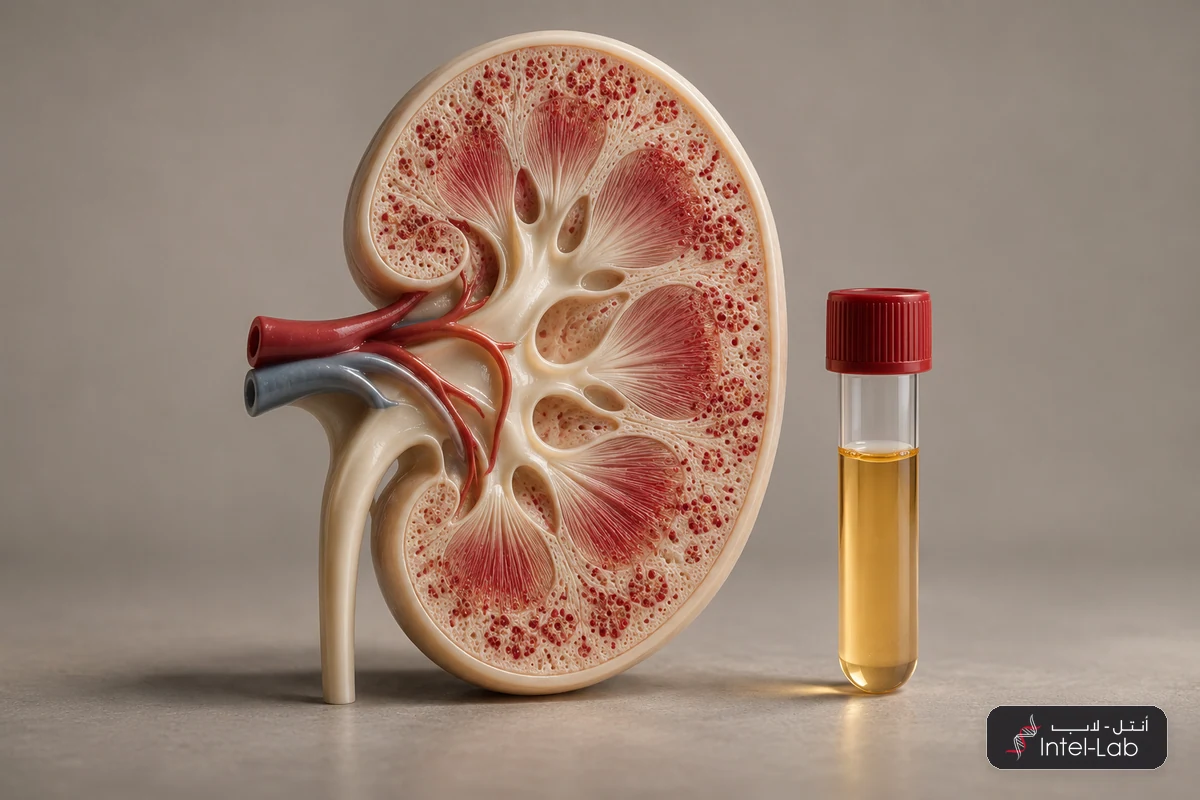
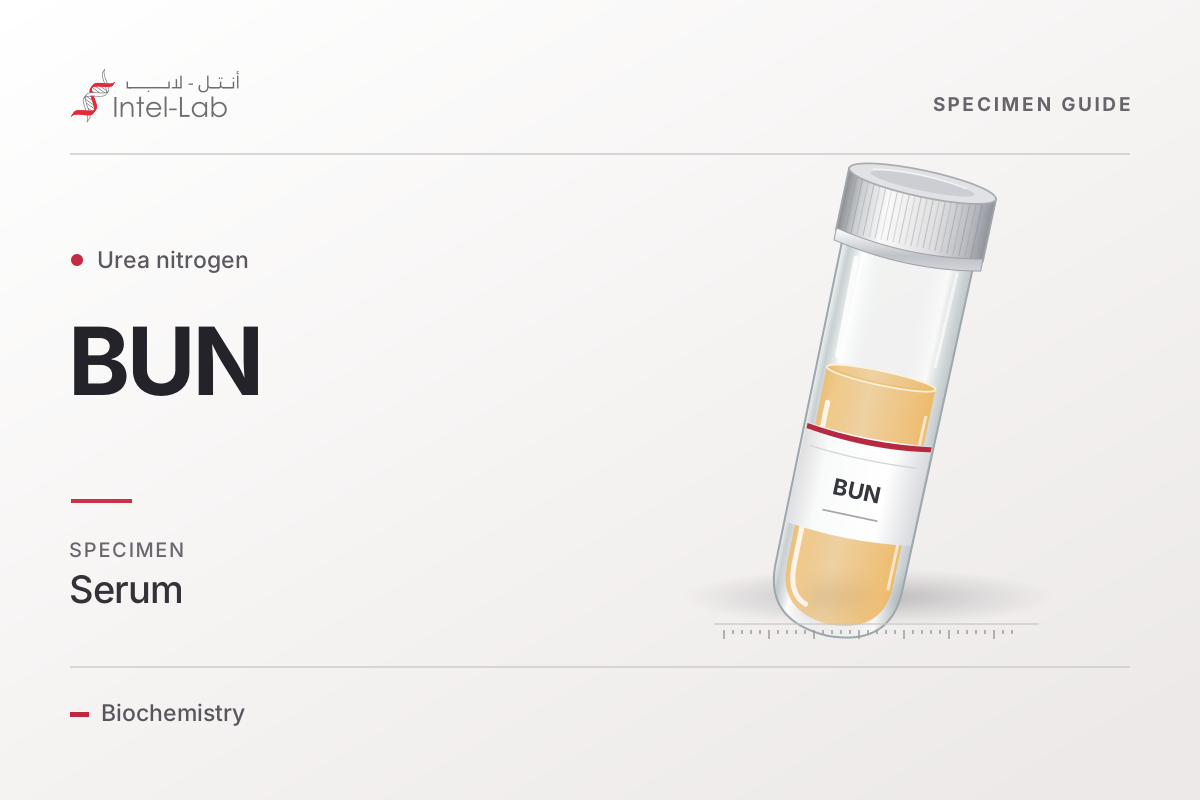
BUN measures the nitrogen portion of urea, a waste product made when the body processes protein. The kidneys normally remove it from the blood.
 Clinical authorDr Nirupama SabhapathySpecialist Clinical Pathology
Understanding the test
Also called Kidney Waste Marker (Urea)
In kidney follow-up, BUN may be ordered together with creatinine. The pair also helps a clinician consider changes after fluid loss or an illness.
BUN can be read with creatinine when investigating how the kidneys handle waste.
The recent fluid history can explain a change that is greater than expected from the creatinine result.
Before your sample
BUN alone normally needs no fast. Avoid an unusually large protein meal before the draw and keep to your regular fluid intake, including any clinician-prescribed fluid restrictions.
A clinician takes a small sample of blood from a vein. The laboratory uses serum, the liquid separated from the blood after it clots.
Smart Report
24 hoursLaboratory turnaround
 Result guide
A rising result is interpreted against hydration, protein intake and kidney filtration. Values reported as whole urea use a different scale from BUN.
From sample to follow-up
Choose your location, add the test to your care bag and select a time. If you are booking for someone else, assign the test to them in checkout.
Choose collection locationLook for Blood Urea Nitrogen (BUN) in your report. Use the sample type and collection time when comparing it with an earlier report.
Explore Smart Report
Describe any fluid loss or change in dietary protein and show the creatinine result from the same visit.
Health packages
Compare the other tests in each package before choosing.
Clinical expertise

Patient questions
Yes. Fluid balance and protein intake can affect BUN as well as kidney filtration. A comparison with creatinine and previous results is often more informative than one value.
A high BUN most often reflects dehydration, a high-protein diet, bleeding in the stomach or gut, steroid treatment or reduced kidney function. Heart failure can also raise it by lowering blood flow to the kidneys. Because so many causes lie outside the kidney, a raised BUN on its own is not a diagnosis of kidney disease; creatinine and eGFR help show where the rise comes from.
Fluid loss, a high-protein diet and some medicines can raise BUN even when creatinine is within range. An isolated rise does not exclude a kidney problem. Earlier results, fluid intake and the reason for testing help your clinician interpret the difference.
KEEP EXPLORING
Open a package to see exactly which tests it includes.
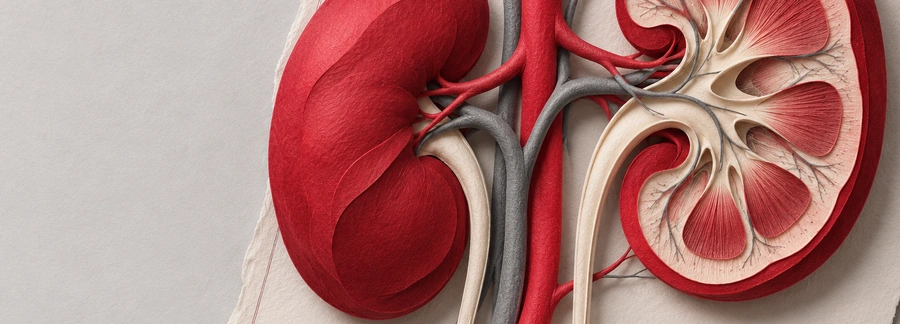
Creatinine, eGFR, urea nitrogen, uric acid and calcium from one blood sample, to check how well your kidneys are functioning.

Blood count, liver, kidney, cholesterol, blood sugar and urine tests: the essentials in one visit.

A broad whole-body screen covering blood, urine and stool with kidney, liver, lipid, iron, diabetes and vitamin markers.

A whole-body screen of blood, urine and stool with kidney, liver, lipid, iron, diabetes and vitamin markers, plus thyroid function and a full…
Choosing for a particular need?
We can help you read the options.
Your next step
Written by Dr Nirupama Sabhapathy, Specialist Clinical Pathology. Medically reviewed by Dr Joyce Jose, Specialist Clinical Pathology, on .
Catalogue information and AED price checked on 2 November 2026. Clinical suitability, preparation, collection arrangements and turnaround are confirmed for your selected test.