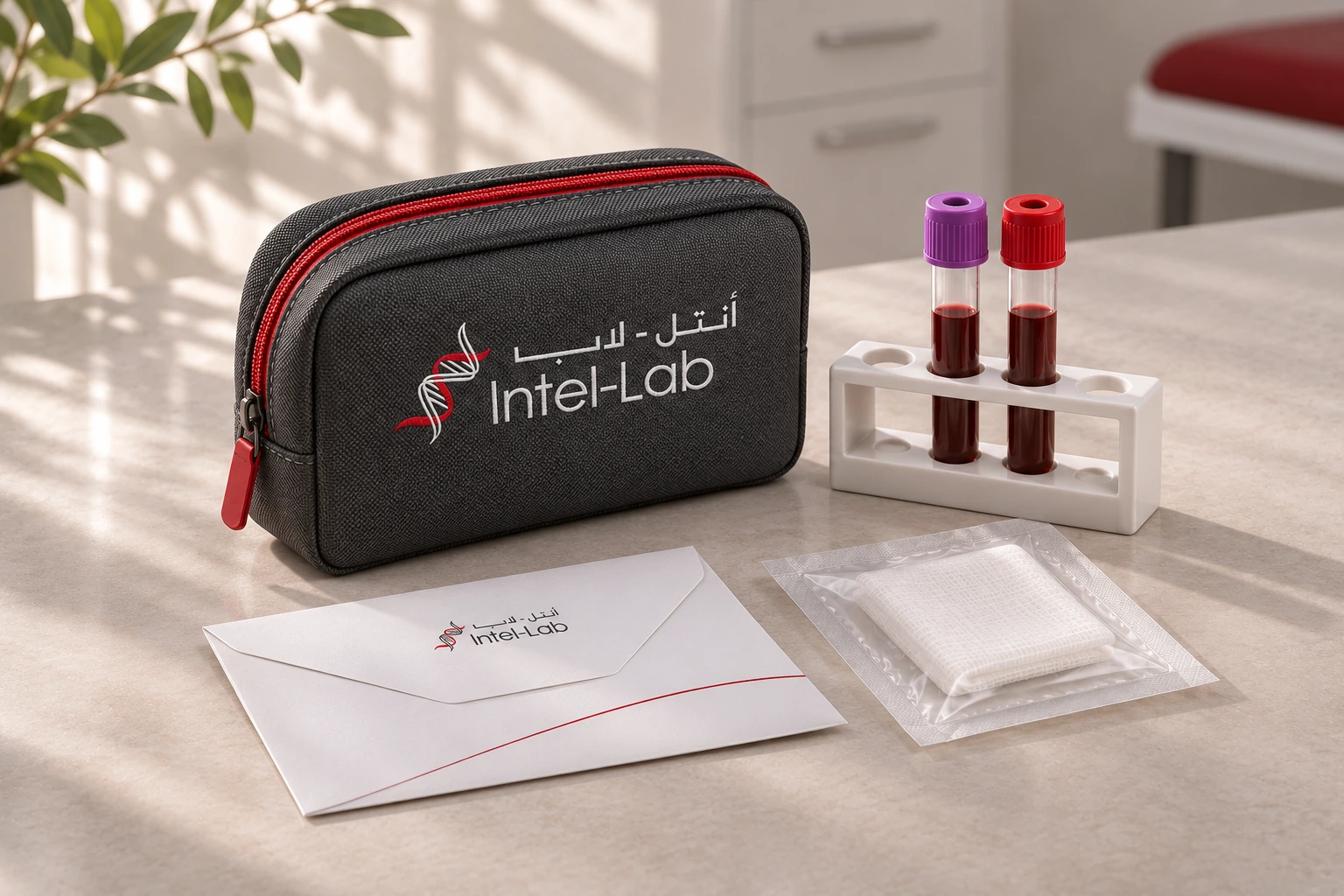
Arrange your collection
Choose your location, add the test to your care bag and select a time. If you are booking for someone else, assign the test to them in checkout.
Choose collection location
STI & STD · Individual laboratory test
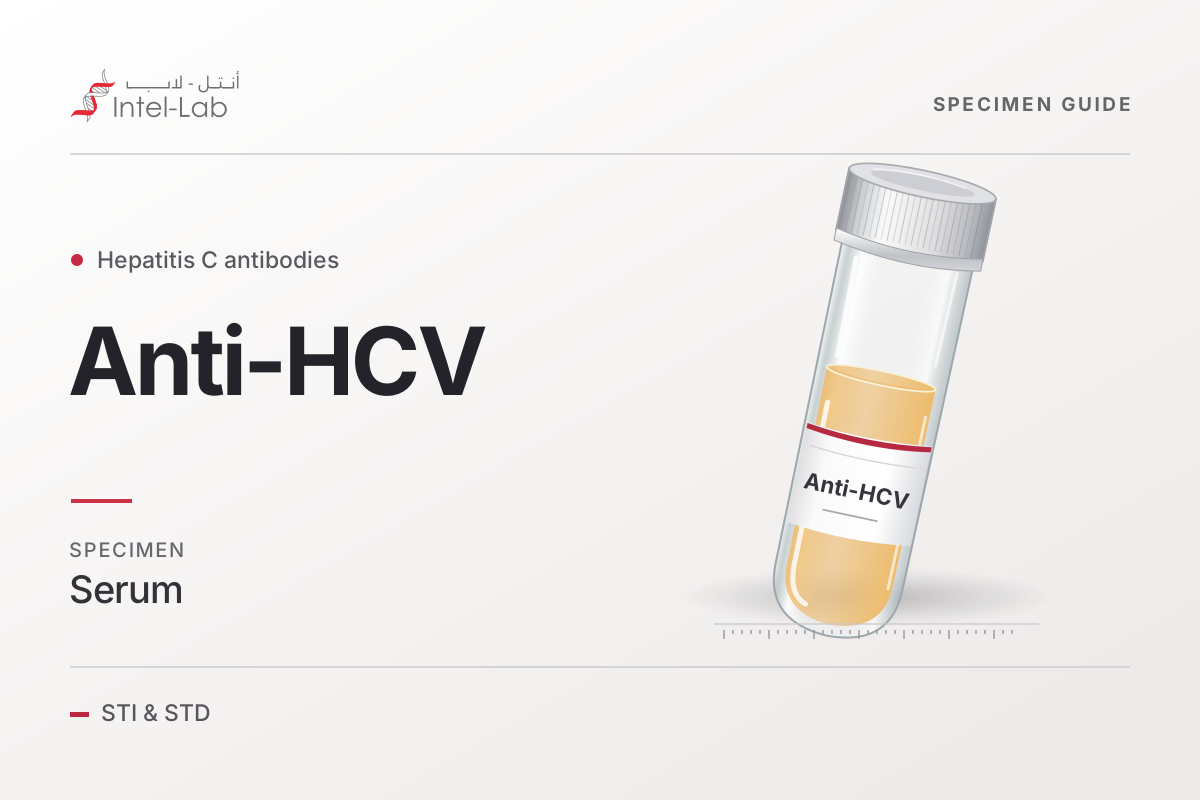
This screening test looks for antibodies to hepatitis C. A reactive screen needs RNA testing to distinguish current infection from a past infection or a false-reactive antibody result.
 Clinical authorDr Nirupama SabhapathySpecialist Clinical Pathology
Understanding the test
Also called Hepatitis C Antibody
A clinician may request HCV antibody screening after an exposure, as part of an appropriate screening pathway or during investigation of abnormal liver findings.
The antibody test can suggest previous exposure. A reactive screen can also be falsely positive.
HCV RNA is used to establish whether the virus is currently detectable.
Before your sample
This blood test needs no fast. Record the date of a possible exposure and any previous hepatitis C diagnosis or treatment.
A clinician takes a small sample of blood from a vein. The laboratory uses serum, the liquid separated from the blood after it clots.
Smart Report
24 hoursLaboratory turnaround
 Result guide
A reactive screen typically leads to HCV RNA testing. In a recent exposure, antibodies may not yet be detectable even when infection is present.
From sample to follow-up
Choose your location, add the test to your care bag and select a time. If you are booking for someone else, assign the test to them in checkout.
Choose collection locationLook for Hepatitis C Antibody (Anti-HCV) in your report. Use the sample type and collection time when comparing it with an earlier report.
Explore Smart Report
If antibodies are reactive, discuss the next step for checking current HCV RNA rather than assuming the infection is active.
Health packages
Compare the other tests in each package before choosing.
Clinical expertise

Patient questions
Not necessarily. Antibodies can persist after clearance or treatment. RNA testing addresses whether virus is currently detectable.
Yes. A reactive antibody can reflect current infection, a past infection that cleared, or biological false reactivity. HCV RNA testing determines whether there is evidence of current infection.
Antibodies usually take 8 to 11 weeks to become detectable, whereas hepatitis C RNA can often be found about 1 to 2 weeks after exposure. If you may have been exposed within the past six months, RNA testing is recommended regardless of your antibody result. Tell your clinician the date of the exposure.
KEEP EXPLORING
Open a package to see exactly which tests it includes.

A confidential 5-in-1 blood screen for the core blood-borne STIs: HIV (1 & 2), hepatitis B, hepatitis C and syphilis.
A 20-marker combined work-up pairing blood serology (HIV, hepatitis B & C, syphilis) with a 14-target genital PCR panel and urinalysis: a complete…

Our most comprehensive 28-target STI and genital-flora PCR panel, adding candida species, bacterial-vaginosis organisms and additional viruses on top…

A combined urine PCR package covering 45 named organism targets and 12 selected antibiotic-resistance genes, with clinician-led interpretation.
Choosing for a particular need?
We can help you read the options.
Your next step
Written by Dr Nirupama Sabhapathy, Specialist Clinical Pathology. Medically reviewed by Dr Joyce Jose, Specialist Clinical Pathology, on .
Catalogue information and AED price checked on 2 November 2026. Clinical suitability, preparation, collection arrangements and turnaround are confirmed for your selected test.