Arrange your collection
Choose your location, add the test to your care bag and select a time. If you are booking for someone else, assign the test to them in checkout.
Choose collection location
Urine Studies · Individual laboratory test
This spot urine test compares albumin with creatinine. The ratio helps account for how concentrated the sample is when checking for kidney protein leakage.
 Clinical authorDr Nirupama SabhapathySpecialist Clinical Pathology
Understanding the test
Also called Urine Albumin/Creatinine Ratio
A spot ratio can detect small amounts of urinary albumin in people being followed for diabetes, blood pressure or kidney concerns.
This urine test relates albumin to creatinine in the same specimen.
A clinician may repeat the ratio in a first-morning specimen and compare it with kidney filtration estimates.
Before your sample
A first-morning clean-catch specimen is preferred where practical. Tell the team about urinary symptoms, menstruation, fever or recent heavy exercise.
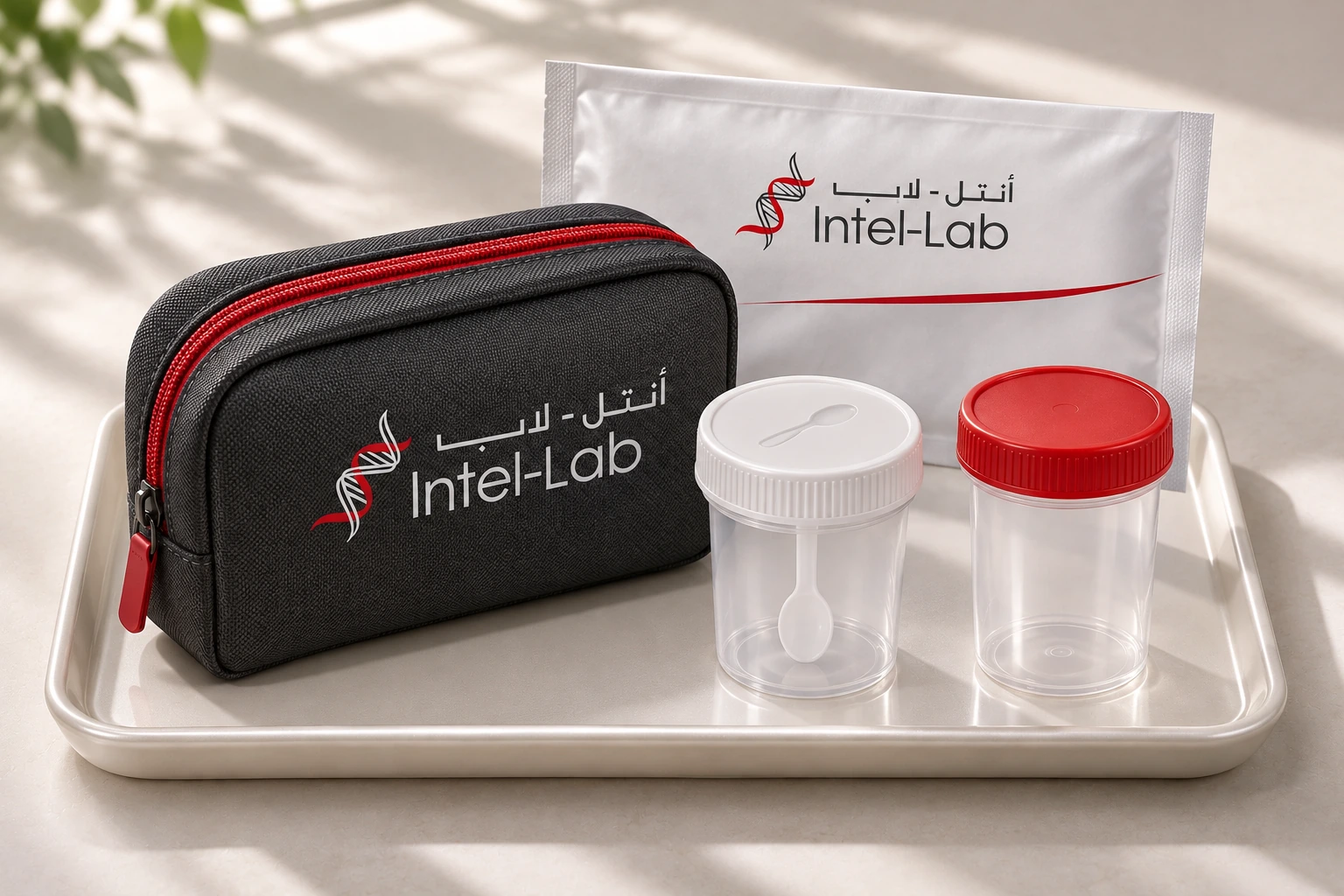
Use the collection container and instructions supplied for this order. The sampling method depends on the test, so confirm the instructions before collecting at home.
Smart Report
24 hoursLaboratory turnaround
 Result guide
Albumin and creatinine are measured in the same specimen. A persistent rise is more informative than one reading after strenuous exercise, infection or illness.
From sample to follow-up
Choose your location, add the test to your care bag and select a time. If you are booking for someone else, assign the test to them in checkout.
Choose collection locationLook for Albumin Creatinine Ratio, Urine (Microalbumin) in your report. Use the sample type and collection time when comparing it with an earlier report.
Explore Smart Report
Bring previous spot ratios and kidney filtration measurements. Ask whether the finding should be repeated under comparable conditions.
Clinical expertise

Patient questions
Temporary factors can raise urine albumin. Your clinician may repeat the result and interpret it with kidney blood tests and the reason for testing.
Because standing and moving about during the day increases albumin excretion in some people for reasons that have nothing to do with kidney disease. Urine formed overnight avoids that and gives a steadier basis for comparing one year with the next.
Microalbuminuria means a small excess of ordinary albumin is escaping into the urine, the earliest routinely available sign of kidney damage in diabetes and high blood pressure. It is not a different protein. Caught at this stage, the process can often be slowed or reversed with tighter control and the right medicines, which is the whole point of screening.
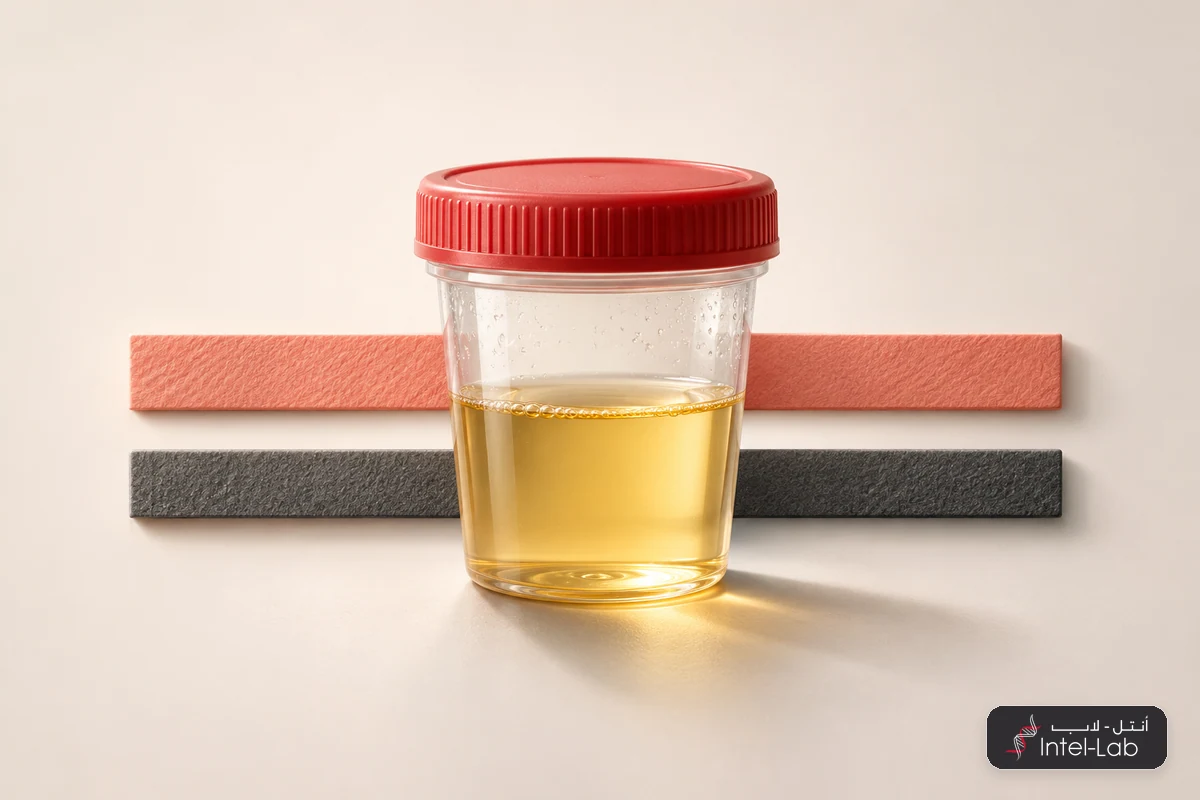
Wash your hands and clean the area as instructed. Start urinating into the toilet, then collect the middle part in the supplied cup. Finish in the toilet and close the lid without touching the inside of the cup or lid.
KEEP EXPLORING
Open a package to see exactly which tests it includes.
Creatinine, eGFR, urea nitrogen, uric acid and calcium from one blood sample, to check how well your kidneys are functioning.

Blood count, liver, kidney, cholesterol, blood sugar and urine tests: the essentials in one visit.
A complete blood count with liver enzymes, cholesterol, kidney markers and fasting blood sugar from one blood sample.

A broad whole-body screen covering blood, urine and stool with kidney, liver, lipid, iron, diabetes and vitamin markers.
Choosing for a particular need?
We can help you read the options.
Your next step
Written by Dr Nirupama Sabhapathy, Specialist Clinical Pathology. Medically reviewed by Dr Joyce Jose, Specialist Clinical Pathology, on .
Catalogue information and AED price checked on 2 November 2026. Clinical suitability, preparation, collection arrangements and turnaround are confirmed for your selected test.