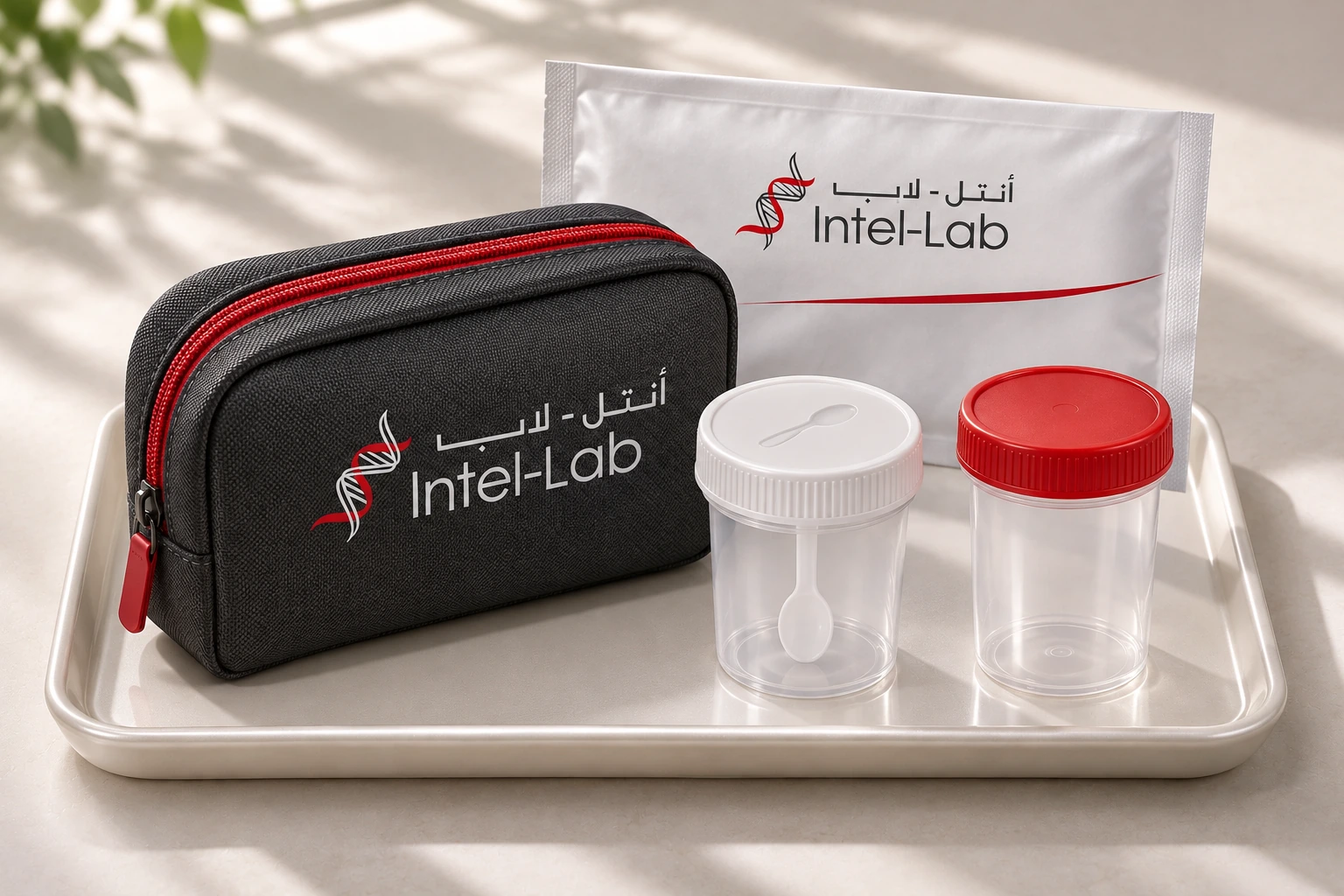
Arrange your collection
Choose your location, add the test to your care bag and select a time. If you are booking for someone else, assign the test to them in checkout.
Choose collection location
Urine Studies · Individual laboratory test
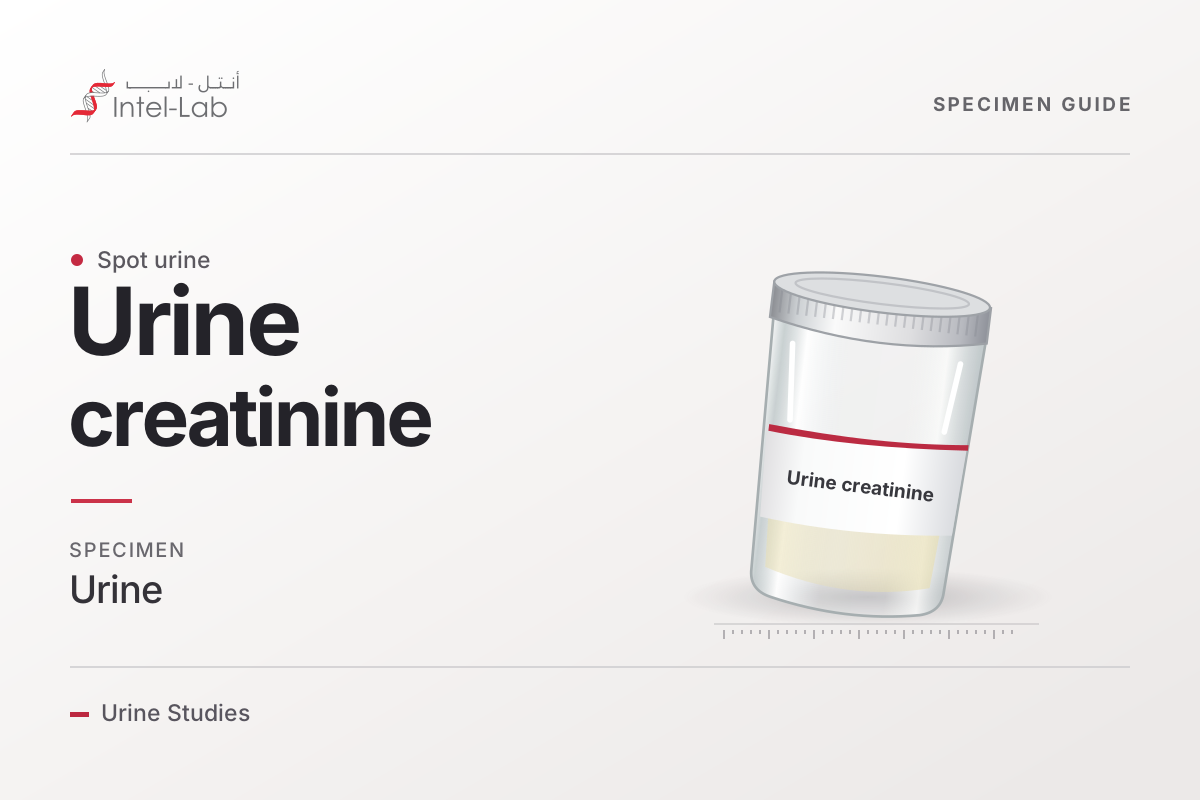
This test measures creatinine in a single urine specimen. It is often used as the comparison value in a urine ratio.
 Clinical authorDr Nirupama SabhapathySpecialist Clinical Pathology
Understanding the test
Also called Random Urine Creatinine
Urine creatinine helps put the concentration of another substance in perspective. It is commonly used when accounting for how dilute a spot specimen is.
Urinary creatinine can help assess the concentration or completeness of a urine specimen, depending on how it was collected.
Check whether your clinician requested a spot specimen, a timed collection or a paired blood measurement.
Before your sample
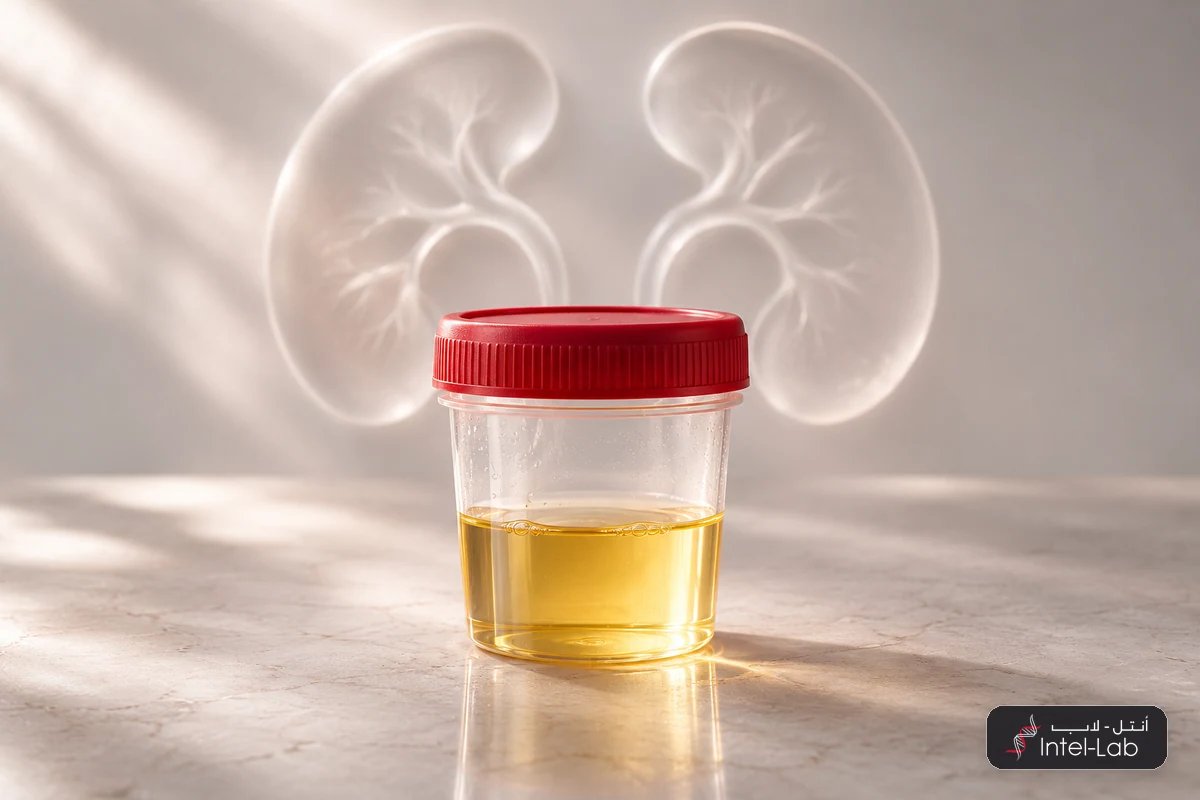
No fast is needed. Give the spot urine sample in the supplied container without deliberately drinking extra water; unusual dilution can affect measurements expressed as a ratio.
Use the collection container and instructions supplied for this order. The sampling method depends on the test, so confirm the instructions before collecting at home.
Smart Report
24 hoursLaboratory turnaround
 Result guide
A spot urine measurement is affected by concentration and muscle mass. It should not be read against the interval for blood creatinine.
From sample to follow-up
Choose your location, add the test to your care bag and select a time. If you are booking for someone else, assign the test to them in checkout.
Choose collection locationLook for Creatinine, Random Urine in your report. Use the sample type and collection time when comparing it with an earlier report.
Explore Smart Report
Check which other urine measurement is being related to creatinine before comparing the result with a prior ratio.
Clinical expertise

Patient questions
No. Blood creatinine and urine creatinine answer different questions. Confirm which specimen and calculation your clinician requested.
Most often it simply means the sample was dilute, for example after drinking a large volume of fluid. It can also reflect low muscle mass, as in older adults, small children or after weight loss through illness, long-term immobility, or advanced kidney disease. Ratios calculated from a very dilute sample are less reliable and may need repeating.
Usually that the urine was concentrated, such as the first sample of the morning or after low fluid intake. Greater muscle mass, a meal heavy in cooked meat or vigorous exercise shortly before the sample can also raise it. A high value on its own does not point to kidney disease; it mainly tells the laboratory how concentrated the sample was.
KEEP EXPLORING
Open a package to see exactly which tests it includes.
Creatinine, eGFR, urea nitrogen, uric acid and calcium from one blood sample, to check how well your kidneys are functioning.

Blood count, liver, kidney, cholesterol, blood sugar and urine tests: the essentials in one visit.
A complete blood count with liver enzymes, cholesterol, kidney markers and fasting blood sugar from one blood sample.

A broad whole-body screen covering blood, urine and stool with kidney, liver, lipid, iron, diabetes and vitamin markers.
Choosing for a particular need?
We can help you read the options.
Your next step
Written by Dr Nirupama Sabhapathy, Specialist Clinical Pathology. Medically reviewed by Dr Joyce Jose, Specialist Clinical Pathology, on .
Catalogue information and AED price checked on 2 November 2026. Clinical suitability, preparation, collection arrangements and turnaround are confirmed for your selected test.