Arrange your collection
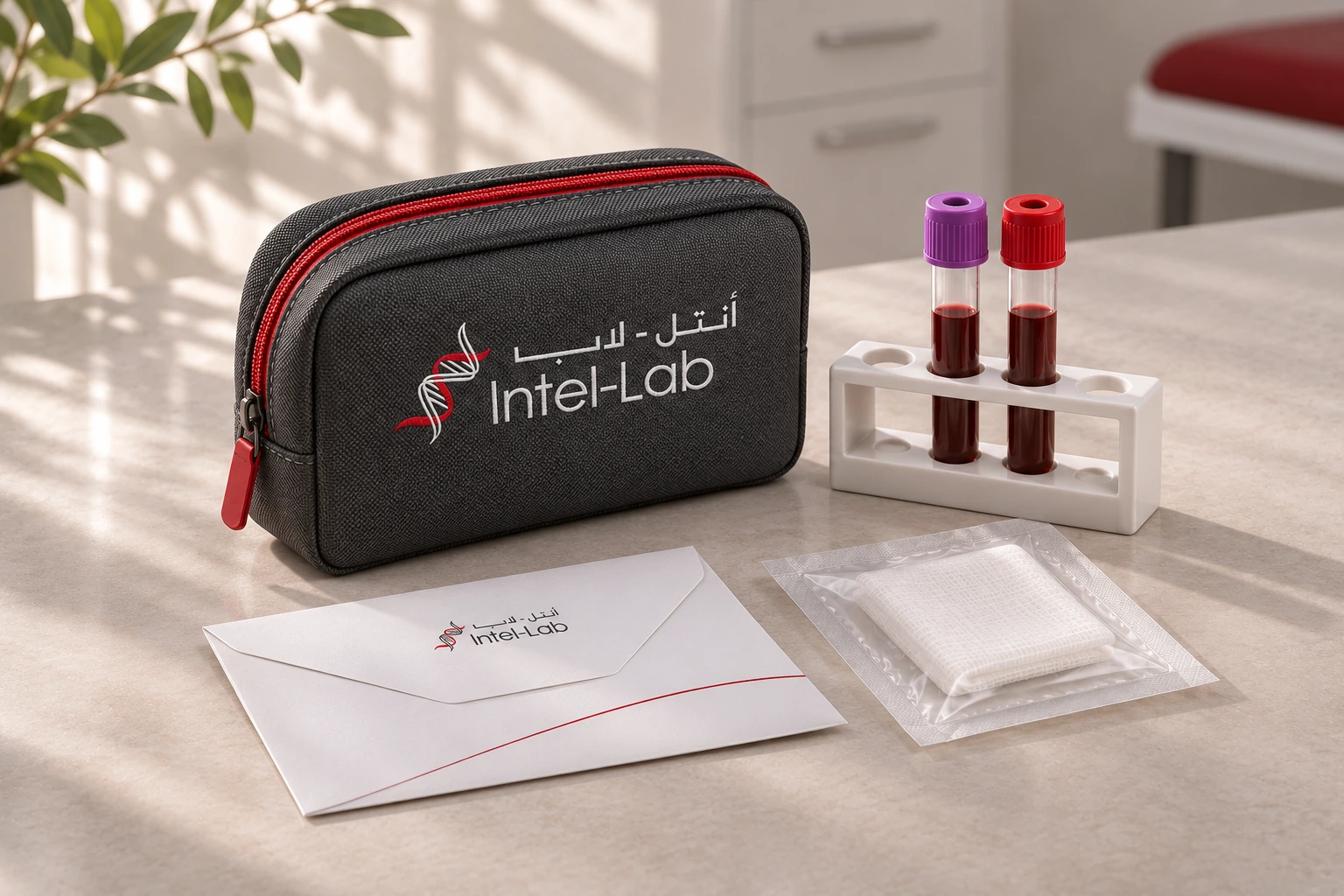
Choose your location, add the test to your care bag and select a time. If you are booking for someone else, assign the test to them in checkout.
Choose collection location
Biochemistry · Individual laboratory test
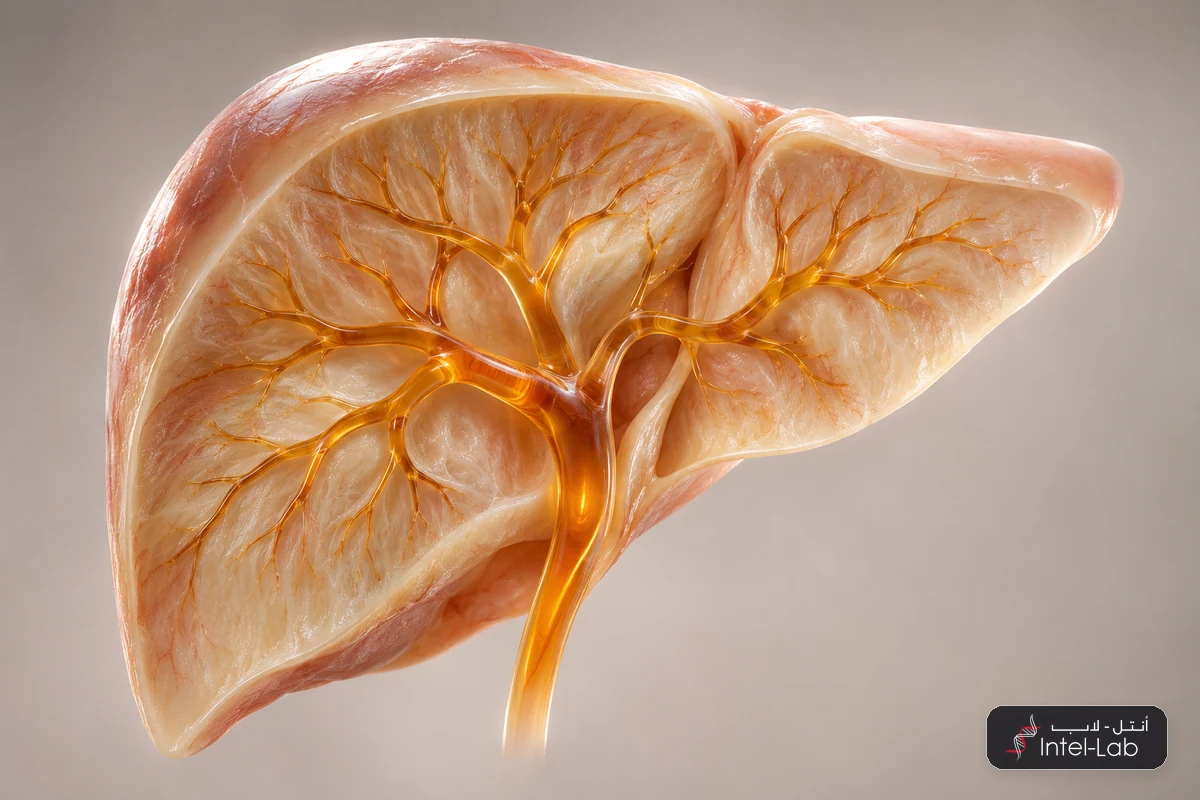
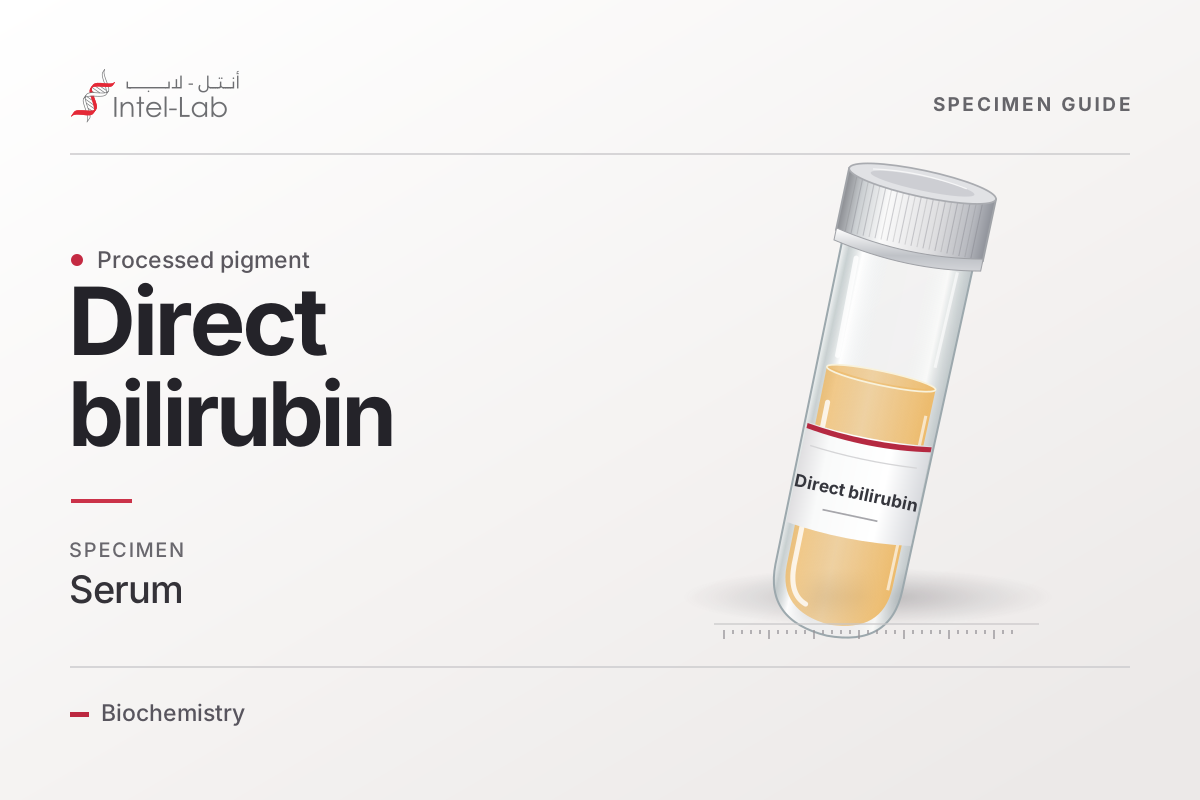
Direct bilirubin is the pigment the liver has processed so that the body can clear it in bile. Its share of the total helps explain jaundice.
 Clinical authorDr Nirupama SabhapathySpecialist Clinical Pathology
Understanding the test
Also called Conjugated Bilirubin
Separating direct from total bilirubin can help investigate yellow eyes, jaundice or an unexpected change in a liver panel.
Measuring the processed fraction helps explain which form accounts for an increased total.
A rise can be one clue to impaired drainage. Other liver results and, sometimes, imaging supply context.
Before your sample
No fast is needed for direct bilirubin alone. Follow the instructions for any accompanying tests and tell the clinician about medicines or supplements that may affect the liver.
A clinician takes a small sample of blood from a vein. The laboratory uses serum, the liquid separated from the blood after it clots.
Smart Report
24 hoursLaboratory turnaround
 Result guide
An increased direct fraction can occur when the liver has processed pigment but its passage into bile is affected. The result does not distinguish all causes of that change.
From sample to follow-up
Choose your location, add the test to your care bag and select a time. If you are booking for someone else, assign the test to them in checkout.
Choose collection locationLook for Bilirubin, Direct in your report. Use the sample type and collection time when comparing it with an earlier report.
Explore Smart Report
Look at the direct fraction next to total bilirubin. Mention any change in eye colour, urine or stool to the clinician.
Health packages
Compare the other tests in each package before choosing.
Clinical expertise

Patient questions
A rise dominated by processed pigment suggests a different set of possibilities from a rise in unprocessed pigment. Liver enzymes and symptoms help the clinician choose the next investigation.
The conjugated form dissolves in water, so the kidneys can filter it into urine. That is why a raised direct bilirubin often shows as tea-coloured urine before the skin looks yellow.
A high direct bilirubin means the liver has processed bilirubin but it is not leaving in bile as it should. It points towards a bile duct blocked by gallstones, a narrowing or a tumour, or towards liver cell inflammation from hepatitis, alcohol, cirrhosis or a medicine reaction. Pale stools or dark urine alongside it make a bile flow problem more likely.
KEEP EXPLORING
Open a package to see exactly which tests it includes.
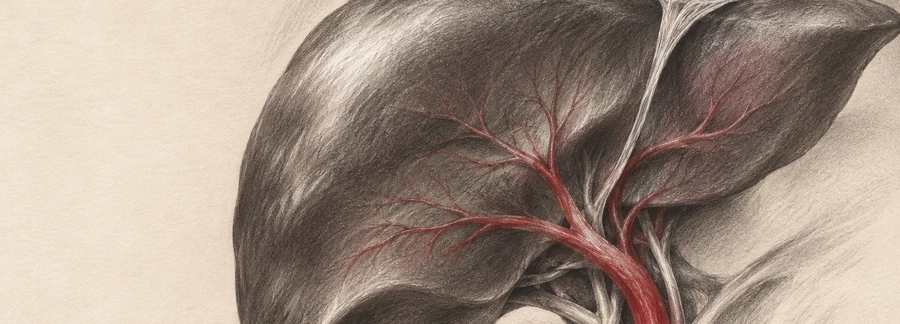
Ten liver markers from one blood sample: enzymes (ALT, AST, ALP, GGT), bilirubin and liver proteins.

Blood count, liver, kidney, cholesterol, blood sugar and urine tests: the essentials in one visit.
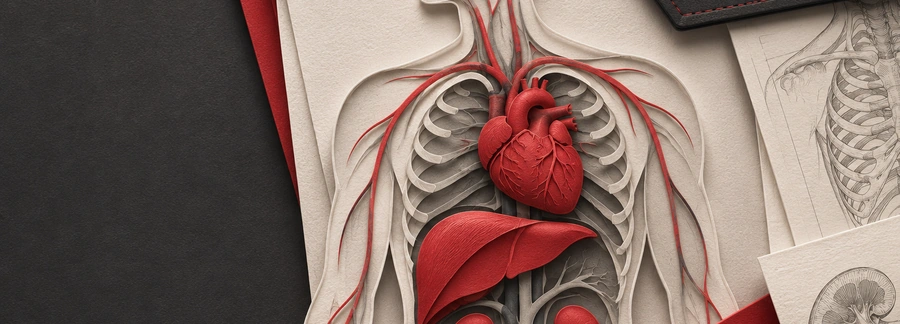
A broad whole-body screen covering blood, urine and stool with kidney, liver, lipid, iron, diabetes and vitamin markers.
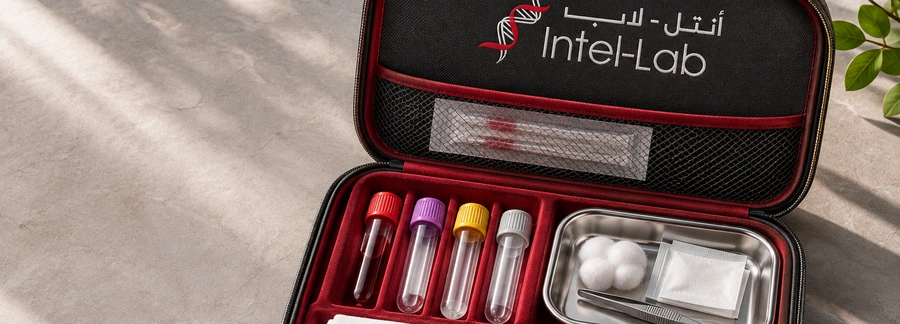
A whole-body screen of blood, urine and stool with kidney, liver, lipid, iron, diabetes and vitamin markers, plus thyroid function and a full…
Choosing for a particular need?
We can help you read the options.
Your next step
Written by Dr Nirupama Sabhapathy, Specialist Clinical Pathology. Medically reviewed by Dr Joyce Jose, Specialist Clinical Pathology, on .
Catalogue information and AED price checked on 2 November 2026. Clinical suitability, preparation, collection arrangements and turnaround are confirmed for your selected test.