Arrange your collection
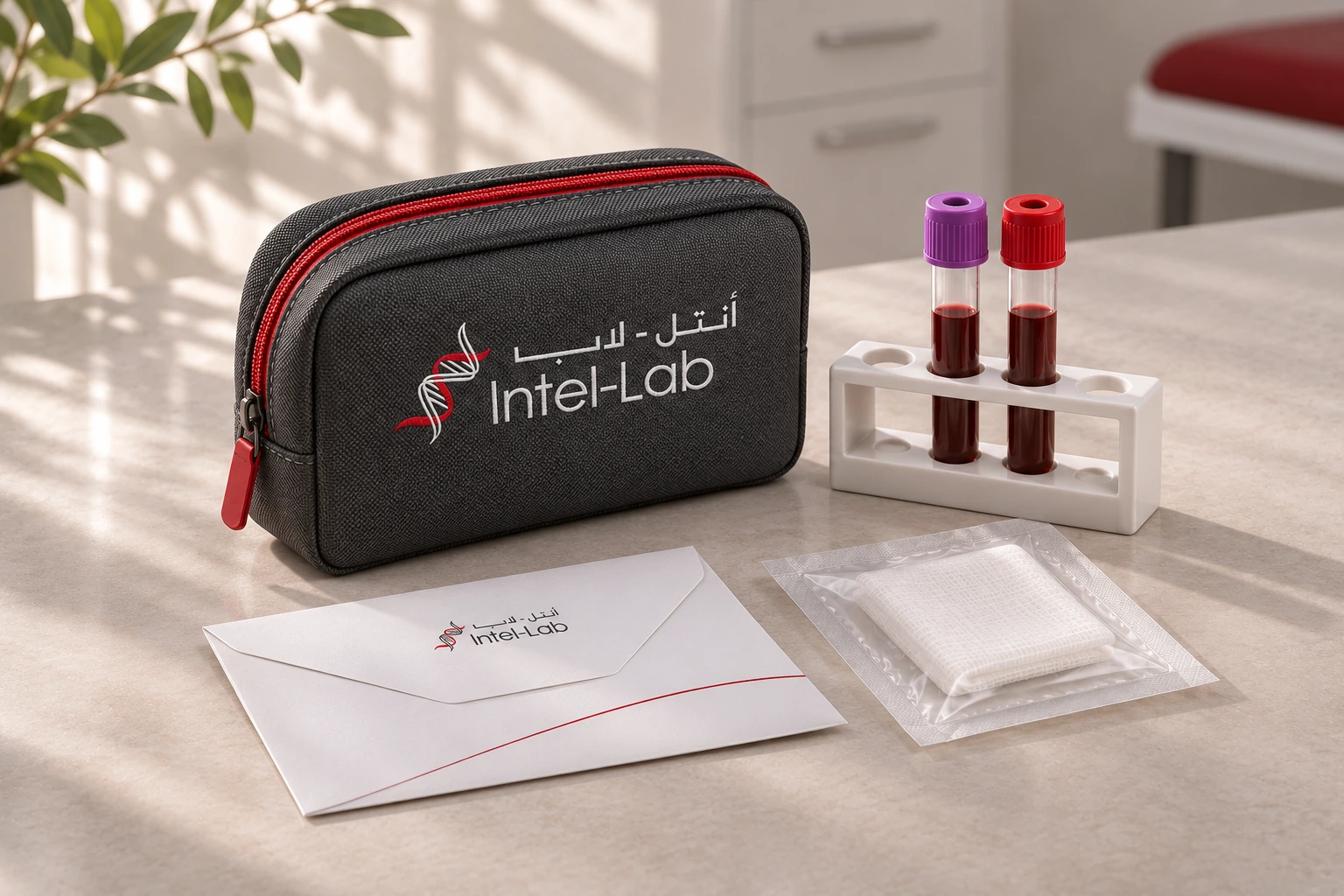
Choose your location, add the test to your care bag and select a time. If you are booking for someone else, assign the test to them in checkout.
Choose collection location
Biochemistry · Individual laboratory test
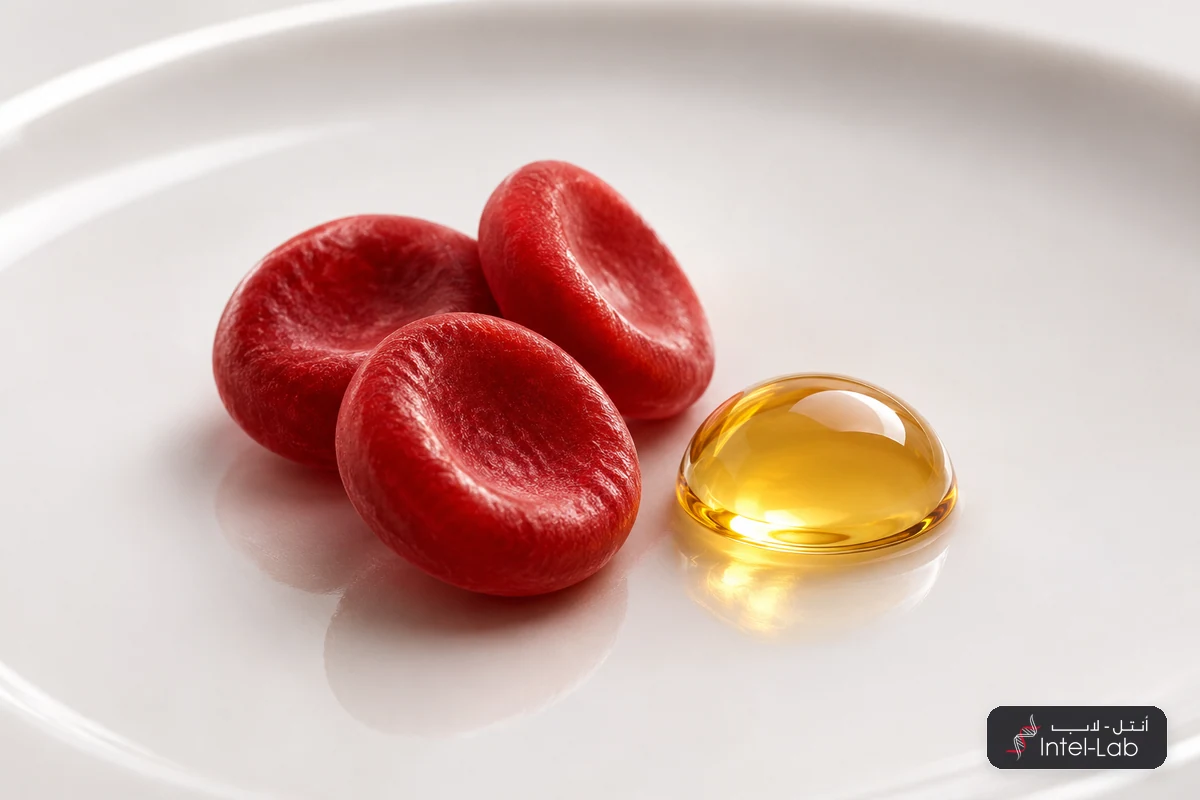
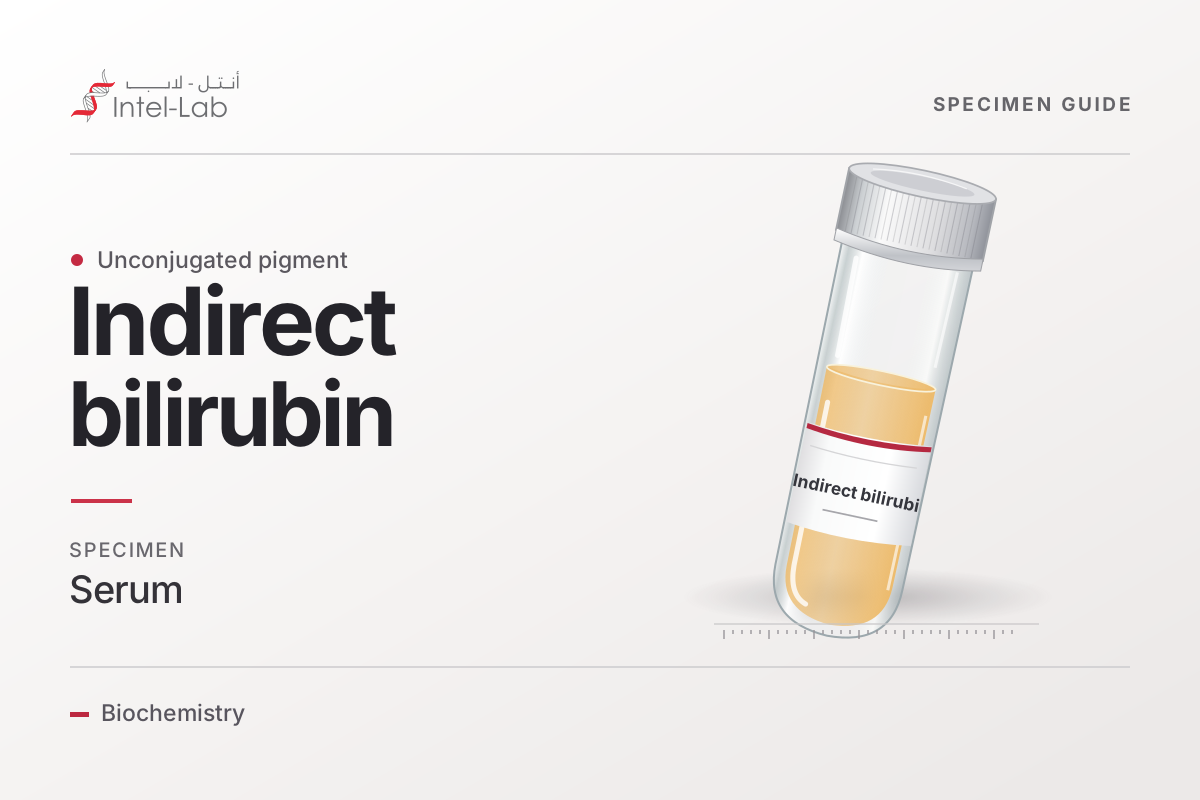
Indirect bilirubin is the unprocessed part of the pigment produced when red blood cells break down. It is usually assessed with total and direct bilirubin.
 Clinical authorDr Nirupama SabhapathySpecialist Clinical Pathology
Understanding the test
Also called Unconjugated Bilirubin
The indirect fraction can help distinguish increased red cell breakdown from changes in how bilirubin is processed. Prior results are helpful when a mild rise has occurred before.
Enhanced breakdown of red blood cells can increase unprocessed pigment.
Past results can help a clinician assess a possible longstanding difference in bilirubin handling.
Before your sample
Avoid an unnecessarily prolonged fast, which can raise indirect bilirubin. Tell the team about recent illness, bruising or transfusion and give the fasting duration if another test required one.
A clinician takes a small sample of blood from a vein. The laboratory uses serum, the liquid separated from the blood after it clots.
Smart Report
24 hoursLaboratory turnaround
 Result guide
A predominantly indirect rise is considered alongside haemoglobin and signs of red cell turnover. A clinician may also consider common inherited differences in bilirubin handling.
From sample to follow-up
Choose your location, add the test to your care bag and select a time. If you are booking for someone else, assign the test to them in checkout.
Choose collection locationLook for Bilirubin, Indirect (Unconjugated) in your report. Use the sample type and collection time when comparing it with an earlier report.
Explore Smart Report
Ask how the bilirubin fractions compare with your blood count and previous results, particularly if yellowing has occurred more than once.
Health packages
Compare the other tests in each package before choosing.
Clinical expertise

Patient questions
It may reflect how quickly red cells break down or how the liver processes the pigment. The blood count and the other liver results help distinguish these possibilities.
Indirect bilirubin is the pigment released from old red cells before the liver has processed it; direct bilirubin is the form after the liver has conjugated it for excretion in bile. A rise in the indirect fraction points towards red cell breakdown or slow conjugation, while a rise in the direct fraction points towards a liver or bile-flow problem.
Yes. In G6PD deficiency, red cells can break down quickly after a trigger such as an infection or certain medicines, sending indirect bilirubin up. Some thalassaemias raise it through ineffective red cell production in the bone marrow. Both are relevant in the Gulf, and a blood count with a reticulocyte count helps your doctor tell them apart from Gilbert's syndrome.
KEEP EXPLORING
Open a package to see exactly which tests it includes.
Ten liver markers from one blood sample: enzymes (ALT, AST, ALP, GGT), bilirubin and liver proteins.

Blood count, liver, kidney, cholesterol, blood sugar and urine tests: the essentials in one visit.

A broad whole-body screen covering blood, urine and stool with kidney, liver, lipid, iron, diabetes and vitamin markers.
A whole-body screen of blood, urine and stool with kidney, liver, lipid, iron, diabetes and vitamin markers, plus thyroid function and a full…
Choosing for a particular need?
We can help you read the options.
Your next step
Written by Dr Nirupama Sabhapathy, Specialist Clinical Pathology. Medically reviewed by Dr Joyce Jose, Specialist Clinical Pathology, on .
Catalogue information and AED price checked on 2 November 2026. Clinical suitability, preparation, collection arrangements and turnaround are confirmed for your selected test.