
Arrange your collection
Choose your location, add the test to your care bag and select a time. If you are booking for someone else, assign the test to them in checkout.
Choose collection location
Biochemistry · Individual laboratory test
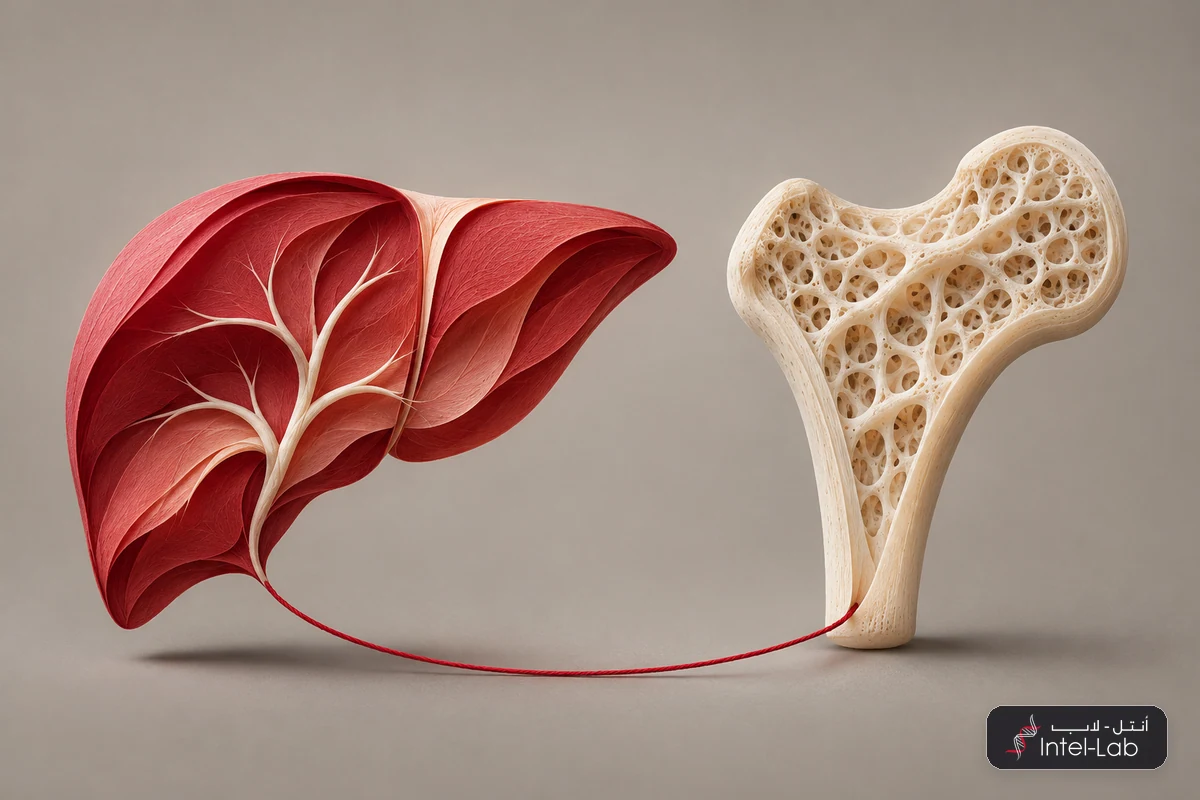
ALP comes from several tissues, particularly the bile ducts and growing or remodelling bone. This blood test helps investigate either source.
 Clinical authorDr Nirupama SabhapathySpecialist Clinical Pathology
Understanding the test
Also called Liver & Bone Enzyme
ALP may be requested to investigate bile flow or bone turnover. A change in liver enzymes, bone symptoms or a mineral imbalance can each suggest a different reason for measuring it.
An ALP rise alongside other liver findings may prompt a closer look at the bile ducts.
Bone-forming cells also contribute to ALP, which matters when patients are growing or bone disease is suspected.
Before your sample
Intel Lab requests a fasting sample. Arrange a morning collection after the instructed overnight fast. A recent fatty meal can affect the intestinal contribution to ALP.
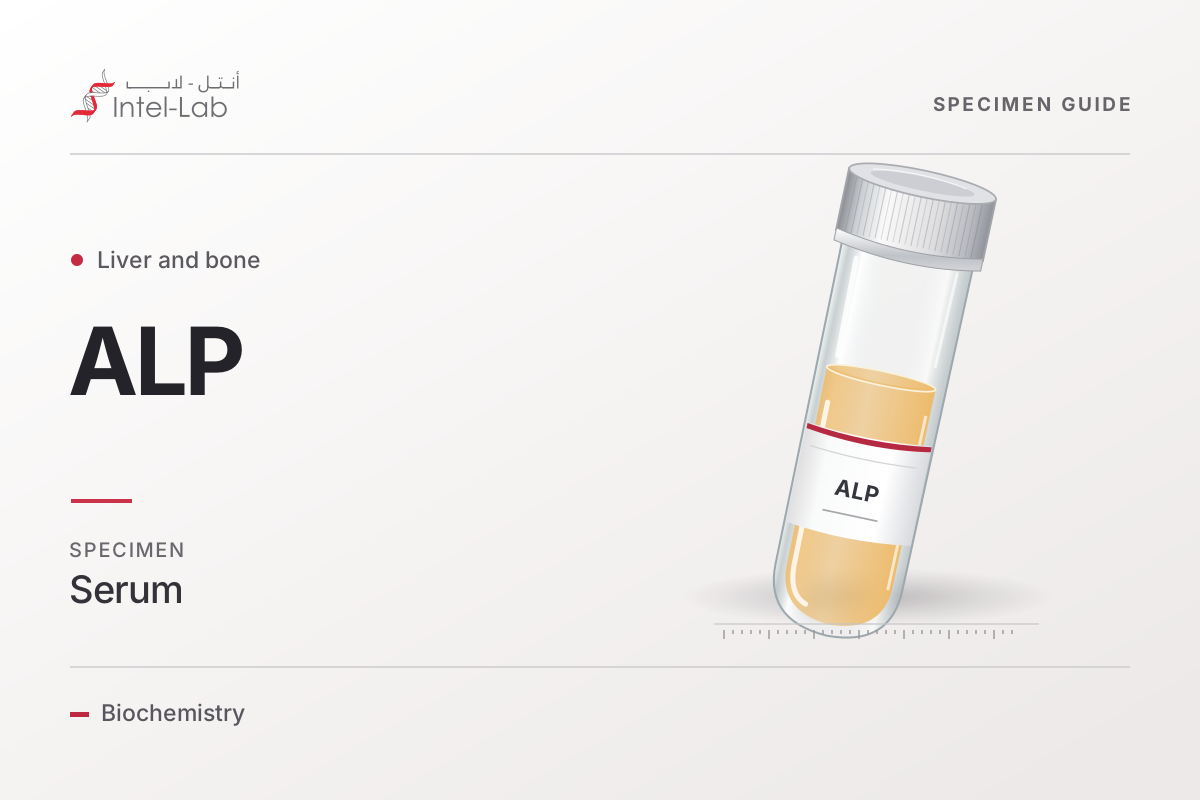
A clinician takes a small sample of blood from a vein. The laboratory uses serum, the liquid separated from the blood after it clots.
Smart Report
24 hoursLaboratory turnaround
 Result guide
ALP can rise during growth and pregnancy as well as in disease. The clinician uses the relevant reference interval and may compare GGT, calcium and phosphate.
From sample to follow-up
Choose your location, add the test to your care bag and select a time. If you are booking for someone else, assign the test to them in checkout.
Choose collection locationLook for Alkaline Phosphatase (ALP) in your report. Use the sample type and collection time when comparing it with an earlier report.
Explore Smart Report
Ask whether the accompanying GGT and mineral measurements suggest the source of the change is more likely liver or bone.
Health packages
Compare the other tests in each package before choosing.
Clinical expertise

Patient questions
The pattern matters. GGT and other liver tests can support a liver or bile duct source. Age, pregnancy and bone-related measurements can change how the same ALP result is interpreted.
They point to different kinds of liver problem. ALP comes mainly from the bile ducts and from bone, so a raised level suggests obstructed bile flow or bone activity. ALT comes from the liver cells themselves and rises when those cells are injured, for example in fatty liver or hepatitis. Reading the two together helps your doctor tell a bile duct pattern from a liver cell pattern.
Growing bones release ALP, so a healthy teenager can have a result above the adult range. Compare it with the range for their age. If it exceeds that range or stays raised, the clinician can use the other liver and bone findings to decide what to check next.
KEEP EXPLORING
Open a package to see exactly which tests it includes.

Ten liver markers from one blood sample: enzymes (ALT, AST, ALP, GGT), bilirubin and liver proteins.

Blood count, liver, kidney, cholesterol, blood sugar and urine tests: the essentials in one visit.

A broad whole-body screen covering blood, urine and stool with kidney, liver, lipid, iron, diabetes and vitamin markers.

A whole-body screen of blood, urine and stool with kidney, liver, lipid, iron, diabetes and vitamin markers, plus thyroid function and a full…
Choosing for a particular need?
We can help you read the options.
Your next step
Written by Dr Nirupama Sabhapathy, Specialist Clinical Pathology. Medically reviewed by Dr Joyce Jose, Specialist Clinical Pathology, on .
Catalogue information and AED price checked on 2 November 2026. Clinical suitability, preparation, collection arrangements and turnaround are confirmed for your selected test.