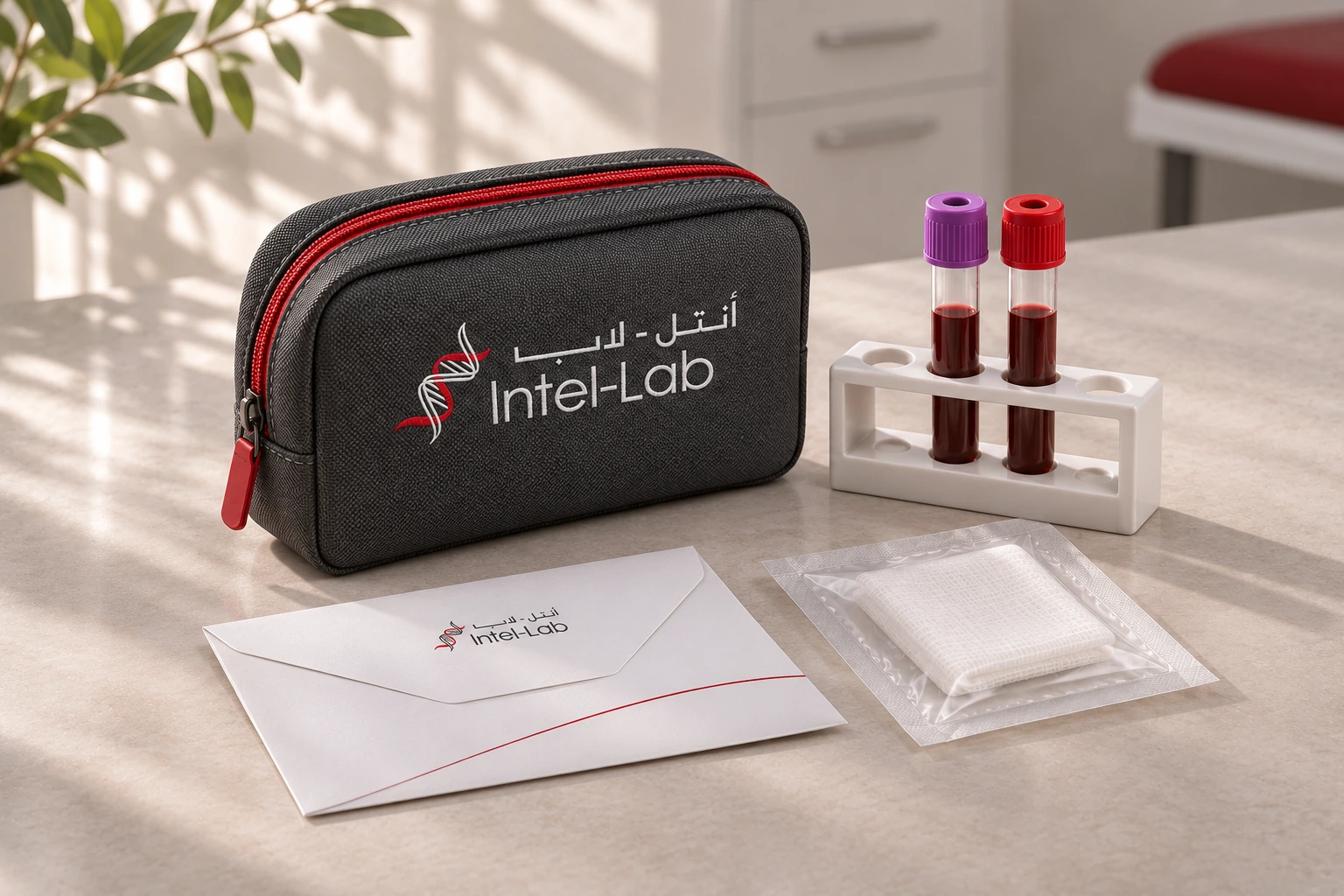
Arrange your collection
Choose your location, add the test to your care bag and select a time. If you are booking for someone else, assign the test to them in checkout.
Choose collection location
Biochemistry · Individual laboratory test
Total serum protein adds together albumin and globulins. Changes in fluid balance or in one group of proteins can affect the total.
 Clinical authorDr Nirupama SabhapathySpecialist Clinical Pathology
Understanding the test
Also called Total Blood Protein
A clinician may use total serum protein to investigate swelling or an unexpected protein measurement. It is also part of some liver and metabolic assessments.
A clinician may consider protein concentration together with albumin and urine findings.
A raised total may prompt more specific blood protein measurements.
Before your sample
No fasting is usually needed. Maintain your normal fluid intake within medical advice; dehydration or unusually large fluid intake can change the concentration of blood proteins.
A clinician takes a small sample of blood from a vein. The laboratory uses serum, the liquid separated from the blood after it clots.
Smart Report
24 hoursLaboratory turnaround
 Result guide
The albumin and globulin fractions can move in opposite directions. Fluid balance matters because this is the concentration of protein in a blood sample.
From sample to follow-up
Choose your location, add the test to your care bag and select a time. If you are booking for someone else, assign the test to them in checkout.
Choose collection locationLook for Protein, Total, Serum in your report. Use the sample type and collection time when comparing it with an earlier report.
Explore Smart Report
Ask which protein fraction accounts for the total and whether a more specific protein measurement would clarify it.
Health packages
Compare the other tests in each package before choosing.
Clinical expertise

Patient questions
An increase in one fraction can offset a fall in another. The split may reveal a change that the total alone would conceal.
A high total protein most often reflects dehydration, which concentrates every protein, or a rise in globulins. Raised globulins can come from chronic infection, long-standing inflammation, autoimmune disease or, less often, a plasma-cell disorder such as myeloma. Your doctor checks albumin, globulin and their ratio to tell these apart.
Because the total is a sum of two things that can move in opposite directions. A low albumin paired with a raised globulin can produce a perfectly ordinary total while representing a real change in the balance, which is exactly what the albumin-to-globulin ratio is there to reveal.
KEEP EXPLORING
Open a package to see exactly which tests it includes.

Ten liver markers from one blood sample: enzymes (ALT, AST, ALP, GGT), bilirubin and liver proteins.

Blood count, liver, kidney, cholesterol, blood sugar and urine tests: the essentials in one visit.

A broad whole-body screen covering blood, urine and stool with kidney, liver, lipid, iron, diabetes and vitamin markers.

A whole-body screen of blood, urine and stool with kidney, liver, lipid, iron, diabetes and vitamin markers, plus thyroid function and a full…
Choosing for a particular need?
We can help you read the options.
Your next step
Written by Dr Nirupama Sabhapathy, Specialist Clinical Pathology. Medically reviewed by Dr Joyce Jose, Specialist Clinical Pathology, on .
Catalogue information and AED price checked on 2 November 2026. Clinical suitability, preparation, collection arrangements and turnaround are confirmed for your selected test.