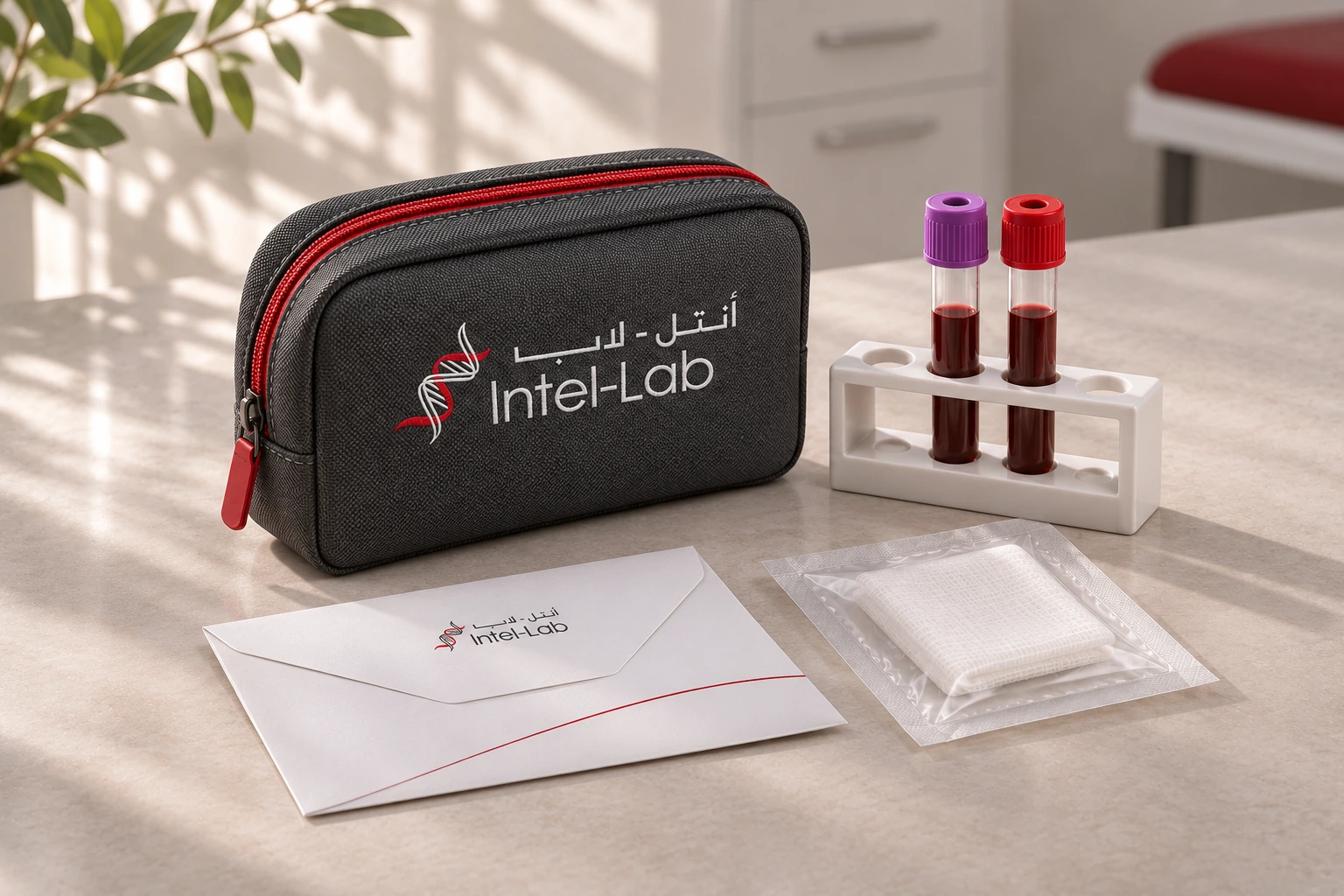
Arrange your collection
Choose your location, add the test to your care bag and select a time. If you are booking for someone else, assign the test to them in checkout.
Choose collection location
Diabetes · Individual laboratory test
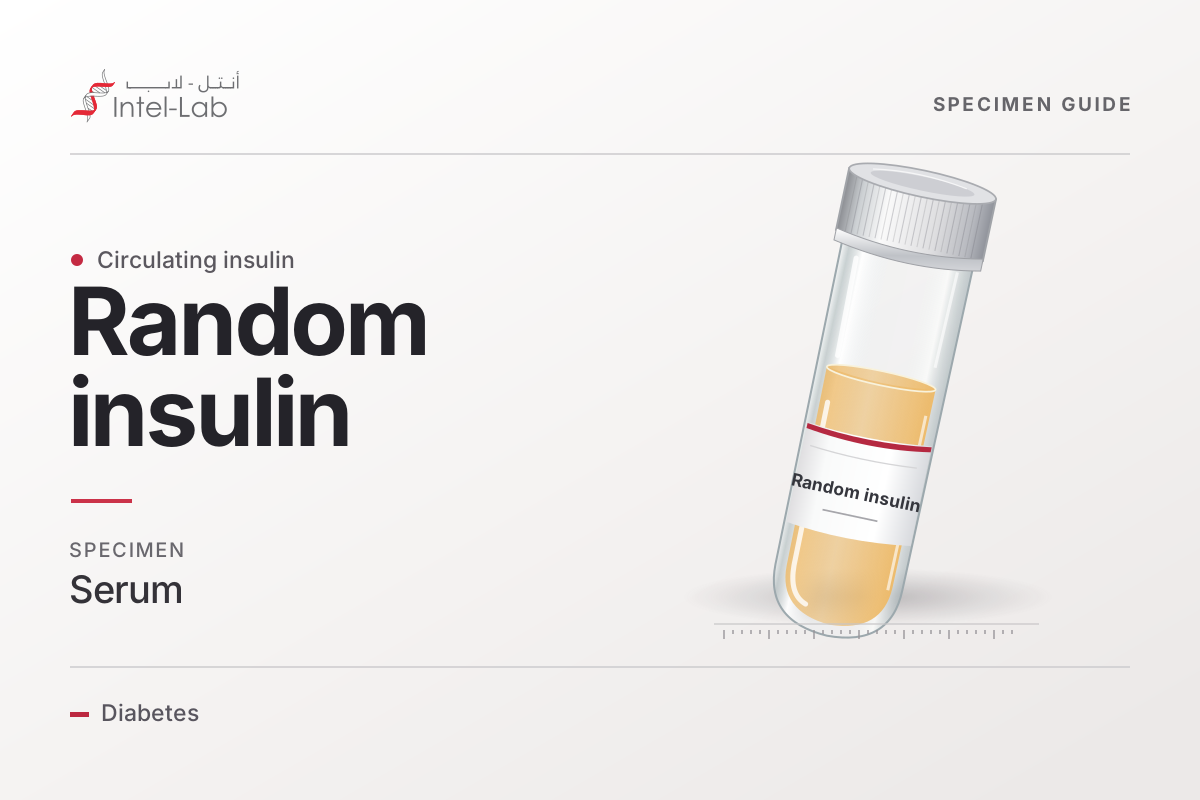
Random insulin measures the hormone at the time of the draw. It can help investigate low glucose when the timing and the glucose level are documented.
 Clinical authorDr Nirupama SabhapathySpecialist Clinical Pathology
Understanding the test
Also called Random Insulin
A clinician may request random insulin as part of a planned investigation, particularly when glucose is measured at the same moment. It should not delay assessment of symptoms of low blood sugar.
A clinician may pair random insulin with a glucose measurement when evaluating specific symptoms.
Meals and diabetes treatments may explain a hormone value that looks high or low in isolation.
Before your sample
Random insulin needs no fast. Record when you last ate, any insulin or other diabetes treatment and whether symptoms or low glucose were present at the draw.
A clinician takes a small sample of blood from a vein. The laboratory uses serum, the liquid separated from the blood after it clots.
Smart Report
24 hoursLaboratory turnaround
 Result guide
Recent food, glucose level and insulin medication all change the interpretation. Random insulin alone cannot diagnose the cause of recurrent low glucose.
From sample to follow-up
Choose your location, add the test to your care bag and select a time. If you are booking for someone else, assign the test to them in checkout.
Choose collection locationLook for Insulin, Random in your report. Use the sample type and collection time when comparing it with an earlier report.
Explore Smart Report
Tell the clinician which symptoms, meals and glucose level accompanied this particular random draw.
Health packages
Compare the other tests in each package before choosing.
Clinical expertise

Patient questions
Insulin changes quickly with meals and glucose levels. The clinician needs to know the simultaneous glucose and whether symptoms were present.
Treat low blood sugar promptly according to your usual plan. Do not delay treatment for a blood draw. If someone loses consciousness or cannot swallow, give nothing by mouth and get emergency help. For repeated episodes, ask your clinician how to arrange a supervised assessment.
Insulin usually rises after eating. A high result has a different meaning if glucose was low at the same moment. The clinician checks the paired glucose, time since food, medicines and symptoms before deciding whether further tests are needed.
KEEP EXPLORING
Open a package to see exactly which tests it includes.

A metabolic and hormonal panel to investigate the underlying drivers of weight gain and metabolic health.

Fasting glucose and HbA1c from one blood sample: today's blood sugar and your 2–3 month average.

Fasting glucose, HbA1c and fasting insulin from one blood sample, to check blood sugar control and insulin resistance.

Blood count, liver, kidney, cholesterol, blood sugar and urine tests: the essentials in one visit.
Choosing for a particular need?
We can help you read the options.
Your next step
Written by Dr Nirupama Sabhapathy, Specialist Clinical Pathology. Medically reviewed by Dr Joyce Jose, Specialist Clinical Pathology, on .
Catalogue information and AED price checked on 2 November 2026. Clinical suitability, preparation, collection arrangements and turnaround are confirmed for your selected test.