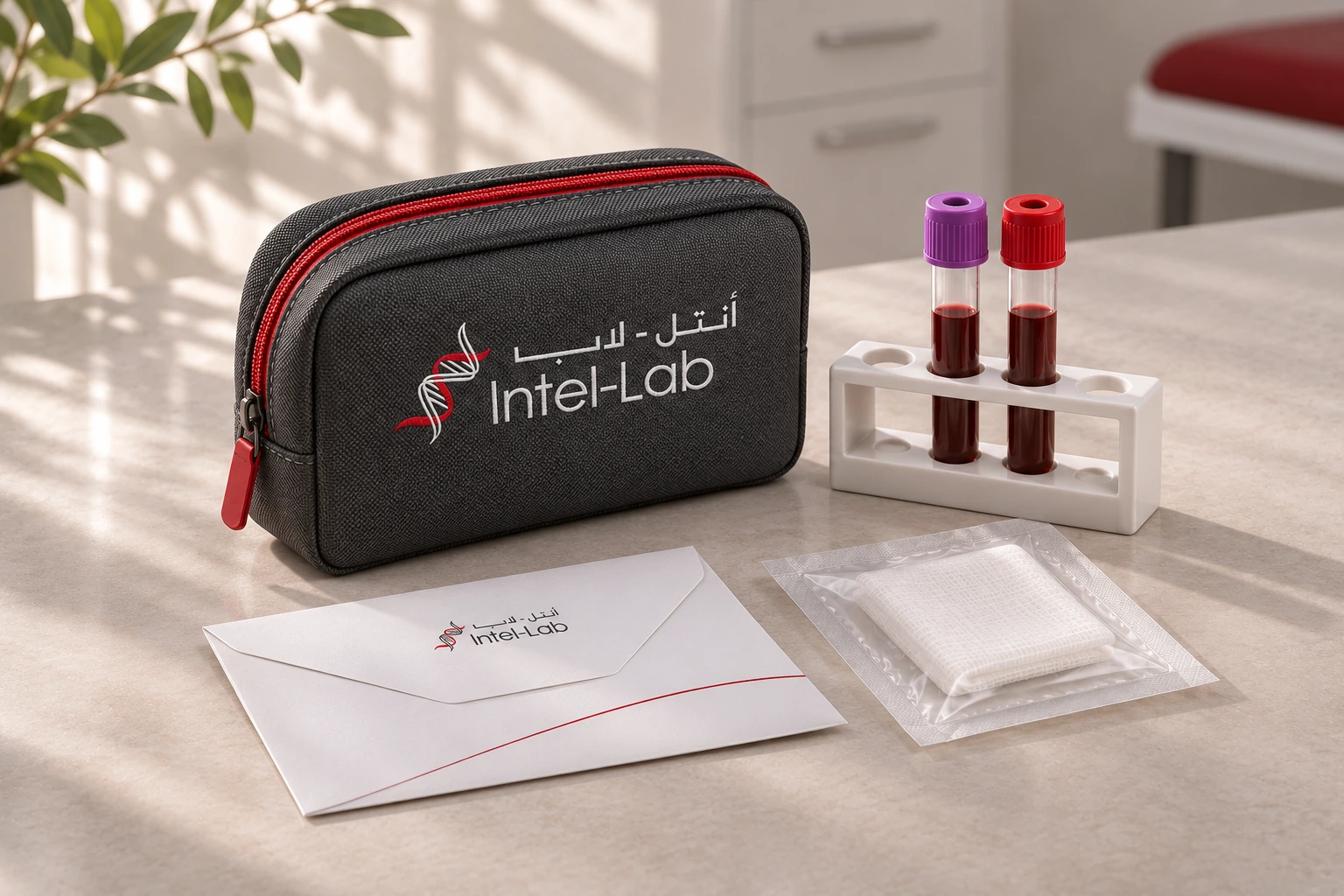
Arrange your collection
Choose your location, add the test to your care bag and select a time. If you are booking for someone else, assign the test to them in checkout.
Choose collection location
Diabetes · Individual laboratory test
Random glucose measures blood sugar at the time of collection without an overnight fast. A recent meal, illness and medicines can all influence it.
 Clinical authorDr Nirupama SabhapathySpecialist Clinical Pathology


Understanding the test
Also called Random Blood Sugar
A random glucose can be useful when symptoms occur at a particular time or a fasting sample is impractical. It captures the concentration at that moment.
A clinician may want to know the level at the time symptoms occur.
A random value can prompt more targeted fasting or longer-term testing when appropriate.
Before your sample
For random glucose, eat as usual unless your clinician says otherwise. Record what and when you last ate and any symptoms at the time of the sample.
A clinician collects venous blood into the container used for glucose testing. When this is a timed sample, the collection time is recorded alongside the result.
Smart Report
24 hoursLaboratory turnaround
 Result guide
Recent meals, physical activity and illness can influence it. The clinician determines whether a timed test or longer-term measure would answer the underlying question better.
From sample to follow-up
Choose your location, add the test to your care bag and select a time. If you are booking for someone else, assign the test to them in checkout.
Choose collection locationLook for Glucose, Random in your report. Use the sample type and collection time when comparing it with an earlier report.
Explore Smart Report
Record when you ate and whether symptoms were present at the draw. Ask whether a planned fasting test would provide different information.
Health packages
Compare the other tests in each package before choosing.
Clinical expertise

Patient questions
The same reading has a different context just after a meal and several hours later. Tell the clinician about symptoms at the time as well.
Yes. Corticosteroids, some diuretics, certain antipsychotics and some immunosuppressants can raise glucose, while insulin and sulfonylureas can lower it, particularly with too little food. Bring your medication list and note the time of your last diabetes dose so the result can be read correctly; your doctor decides whether anything needs changing.
A laboratory random glucose of 200 mg/dL (11.1 mmol/L) or higher with marked thirst, frequent urination or unexplained weight loss can establish diabetes. Contact a clinician promptly. If you also have trouble breathing or are vomiting and cannot keep fluids down, seek emergency care.
A finger-prick reading can alert you to a change, but a diagnosis requires a laboratory test. Take the reading, time and any symptoms to your clinician so they can decide which test you need.
KEEP EXPLORING
Open a package to see exactly which tests it includes.

A broad whole-body screen covering blood, urine and stool with kidney, liver, lipid, iron, diabetes and vitamin markers.

A whole-body screen of blood, urine and stool with kidney, liver, lipid, iron, diabetes and vitamin markers, plus thyroid function and a full…

A metabolic and hormonal panel to investigate the underlying drivers of weight gain and metabolic health.
A comprehensive assessment adding reproductive hormone profiling to our executive panel for complete clarity.
Choosing for a particular need?
We can help you read the options.
Your next step
Written by Dr Nirupama Sabhapathy, Specialist Clinical Pathology. Medically reviewed by Dr Joyce Jose, Specialist Clinical Pathology, on .
Catalogue information and AED price checked on 2 November 2026. Clinical suitability, preparation, collection arrangements and turnaround are confirmed for your selected test.