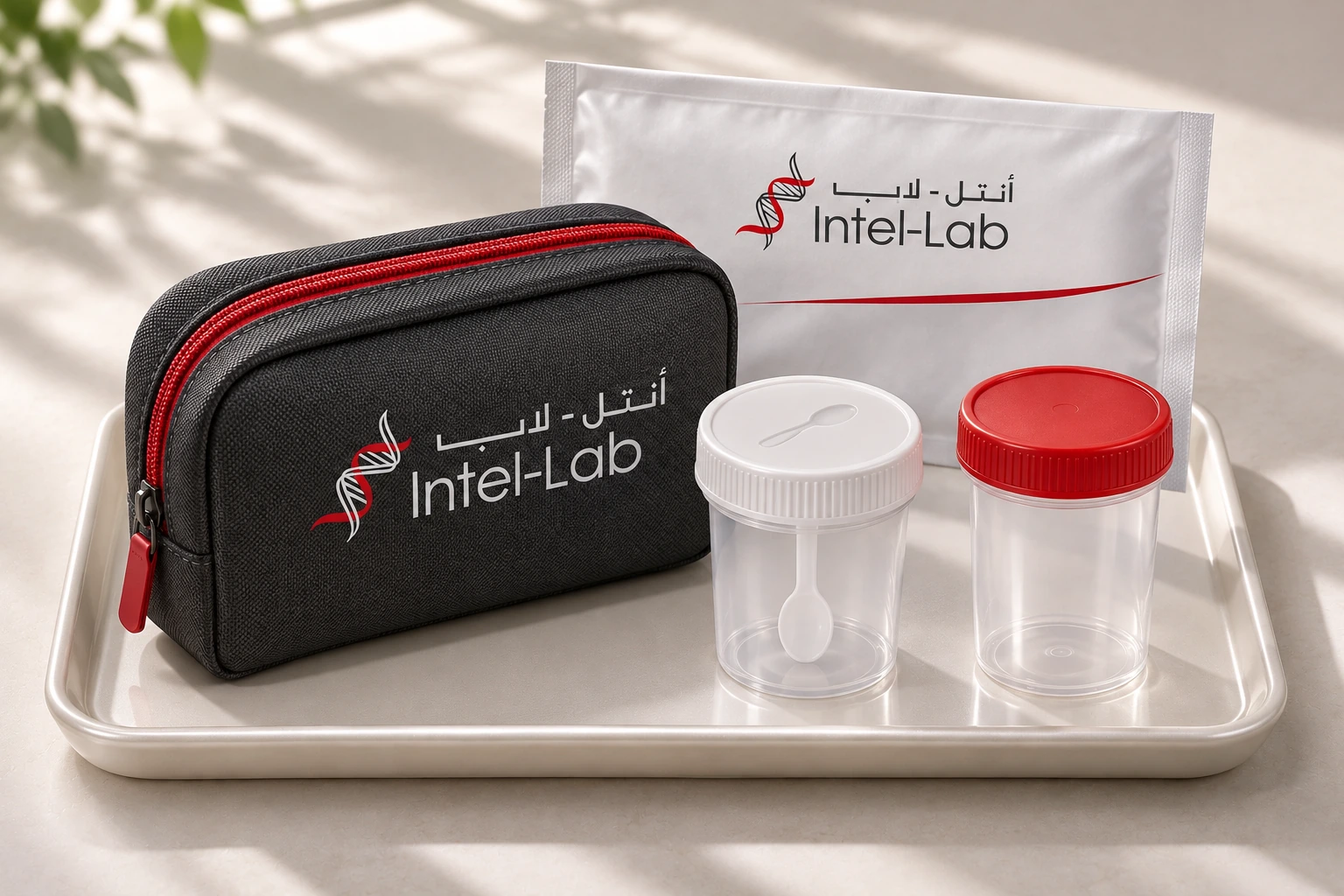
Arrange your collection
Choose your location, add the test to your care bag and select a time. If you are booking for someone else, assign the test to them in checkout.
Choose collection location
Stool Studies · Individual laboratory test
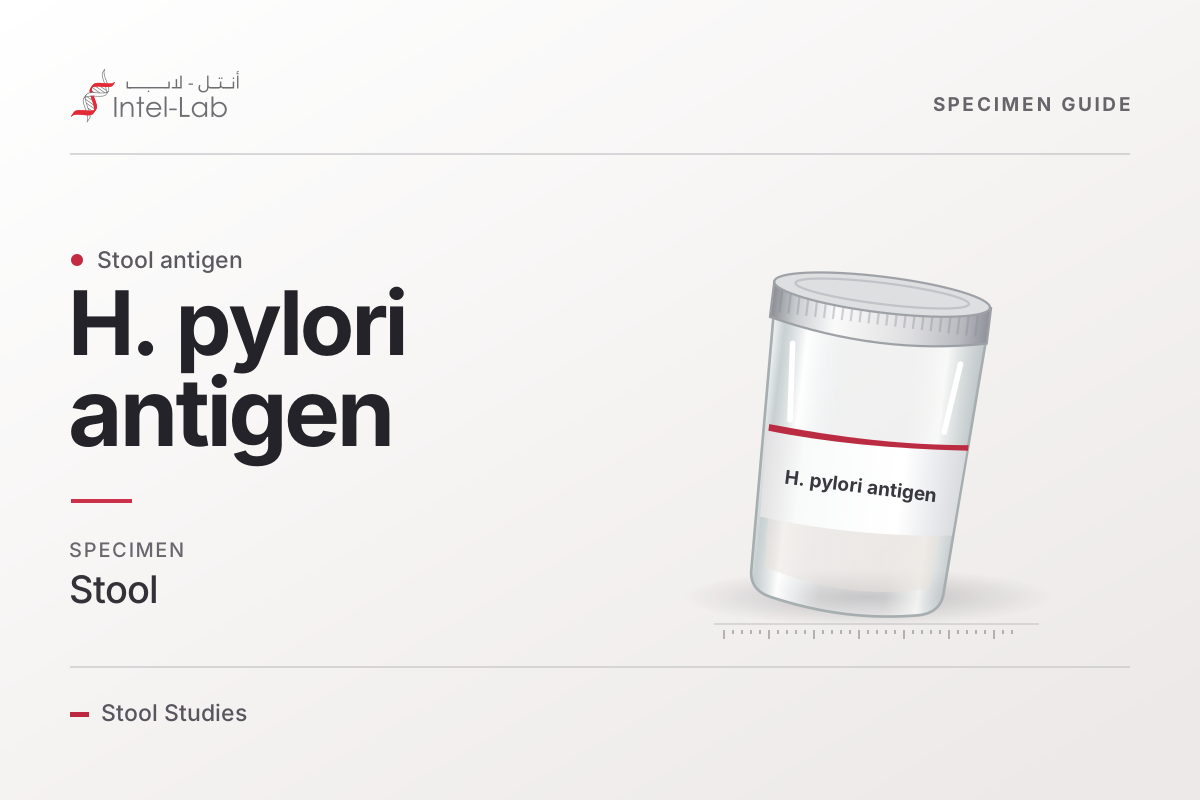
A stool antigen test looks for evidence of current H. pylori infection. It may also be used after treatment when collection is timed correctly.
 Clinical authorDr Nirupama SabhapathySpecialist Clinical Pathology

Understanding the test
Also called H. pylori Stool Antigen
A clinician may request stool antigen for suspected active H. pylori infection or when checking clearance after treatment. The interval after medicines is central to a reliable result.
Stool antigen testing can identify evidence of a current infection.
Your clinician can choose the appropriate interval after treatment and review medicines that affect detection.
Before your sample
Confirm the timing with your prescriber, especially after antibiotics, bismuth or acid-suppressing treatment. These can affect whether the antigen is detected. Do not stop medicines on your own.
Use the stool collection container or kit provided for this test. Keep urine and toilet water out of the specimen and follow the team’s return instructions.
Smart Report
24 hoursLaboratory turnaround
 Result guide
A detected antigen supports active infection. Suppression by recent antibiotics, acid-reducing treatment or bismuth can make a negative result difficult to interpret.
From sample to follow-up
Choose your location, add the test to your care bag and select a time. If you are booking for someone else, assign the test to them in checkout.
Choose collection locationLook for Helicobacter Pylori Antigen in your report. Use the sample type and collection time when comparing it with an earlier report.
Explore Smart Report
Give the dates of antibiotics, bismuth and acid-suppressing treatment when reviewing a negative result or checking treatment response.
Clinical expertise

Patient questions
They can reduce the chance of detecting H. pylori and affect the timing of a follow-up test. Ask your prescriber for instructions before changing any medicine.
A Detected result means H. pylori antigen was found in your stool, which usually points to an active infection of the stomach lining. After treatment it can also mean the infection persisted, often because of antibiotic resistance, that you were reinfected, or that the test was done too soon. Treatment decisions belong to your doctor.
Many people have no symptoms. An ulcer can cause burning upper abdominal pain, indigestion or nausea. Vomiting blood, vomit that looks like coffee grounds, or black, tarry stools can signal bleeding and need emergency care. If you are losing weight without trying, contact your clinician promptly for an assessment.
Book the cure check at least four weeks after finishing antibiotics or bismuth. Proton pump inhibitors such as omeprazole generally need to be paused for two weeks beforehand to avoid a false negative. Ask your prescriber how to time your medicines and manage symptoms during the wait.
KEEP EXPLORING
Open a package to see exactly which tests it includes.

A comprehensive 28-target stool PCR panel spanning gastrointestinal viruses, bacteria and parasites: from norovirus and rotavirus to Salmonella, E.…

Blood count, liver, kidney, cholesterol, blood sugar and urine tests: the essentials in one visit.

A complete blood count with liver enzymes, cholesterol, kidney markers and fasting blood sugar from one blood sample.

A broad whole-body screen covering blood, urine and stool with kidney, liver, lipid, iron, diabetes and vitamin markers.
Choosing for a particular need?
We can help you read the options.
Your next step
Written by Dr Nirupama Sabhapathy, Specialist Clinical Pathology. Medically reviewed by Dr Joyce Jose, Specialist Clinical Pathology, on .
Catalogue information and AED price checked on 2 November 2026. Clinical suitability, preparation, collection arrangements and turnaround are confirmed for your selected test.