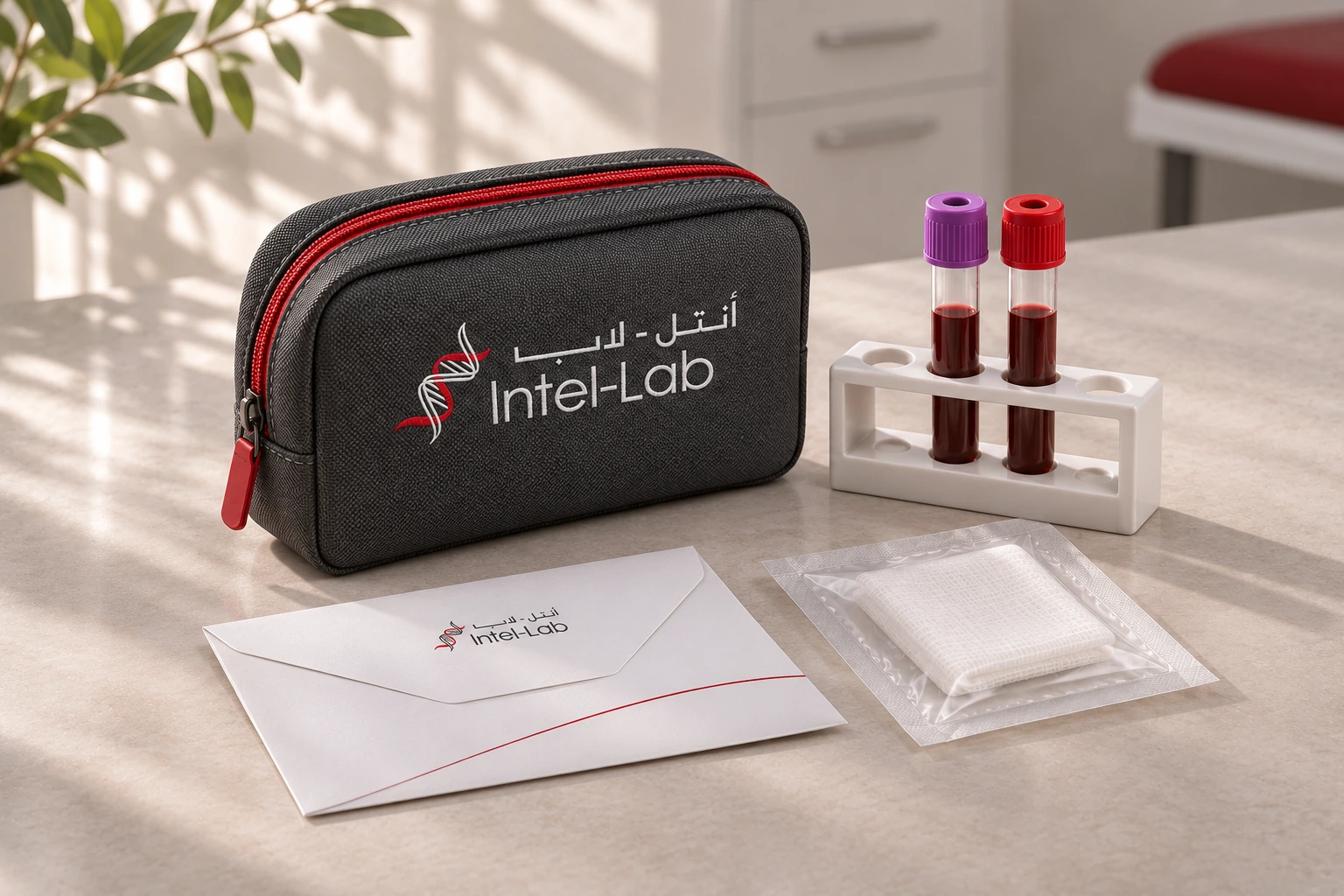
Arrange your collection
Choose your location, add the test to your care bag and select a time. If you are booking for someone else, assign the test to them in checkout.
Choose collection location
Haematology · Individual laboratory test
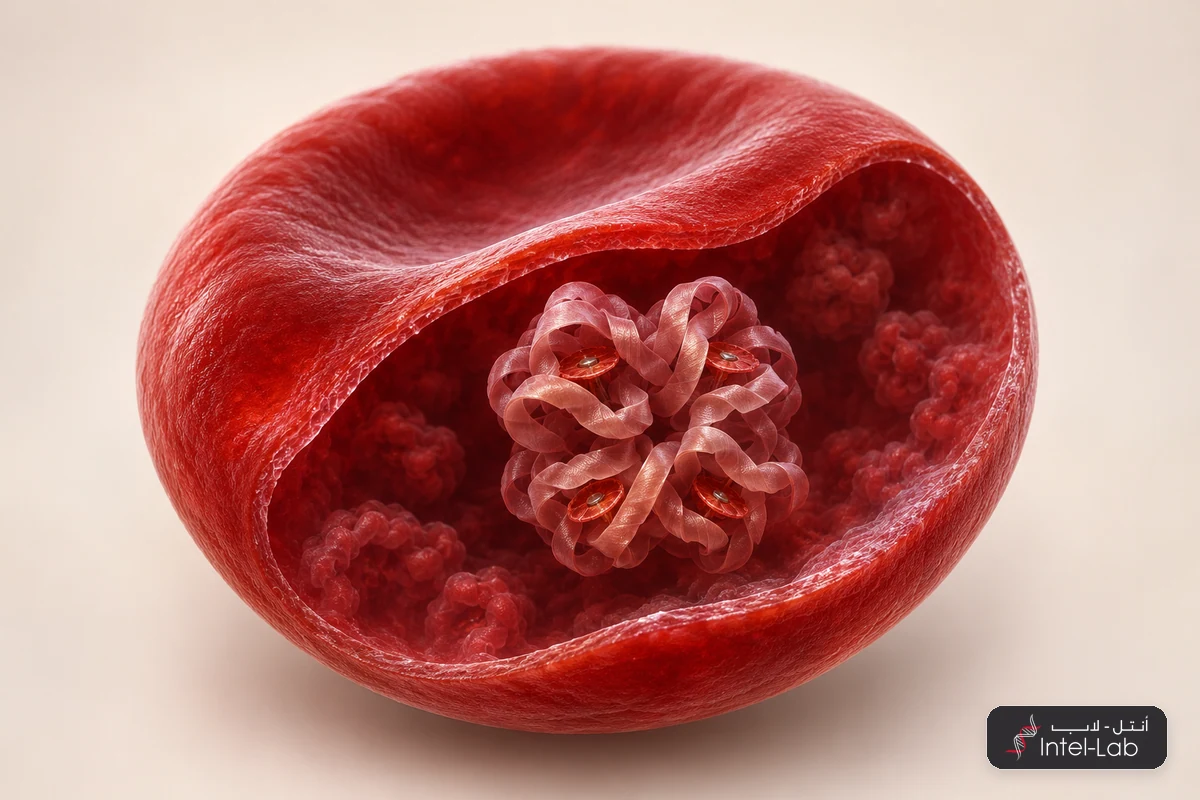
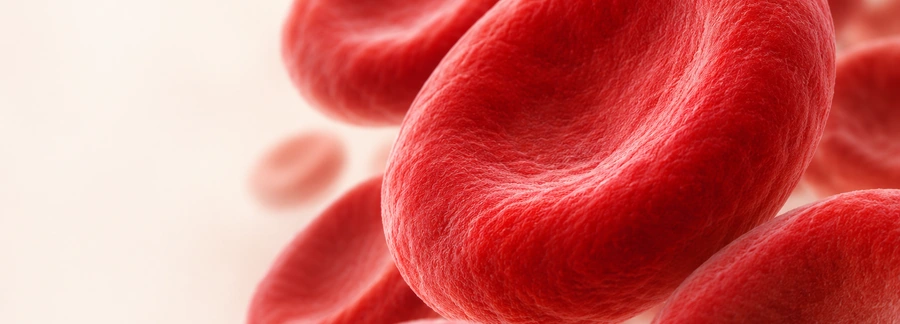
Haemoglobin is the oxygen-carrying protein in red blood cells. A low concentration can identify anaemia and prompt an investigation of its cause.
 Clinical authorDr Nirupama SabhapathySpecialist Clinical Pathology
Understanding the test
Also called Oxygen-Carrying Protein
A haemoglobin result can help investigate tiredness or breathlessness or follow a known anaemia. It measures how much oxygen-carrying protein the blood contains.
Haemoglobin reflects the blood's oxygen-carrying capacity and can help identify anaemia.
Repeat values may help a clinician assess blood loss or a treatment response.
Before your sample
Fasting is unnecessary. Tell the team about recent bleeding, transfusion, iron treatment or pregnancy, especially when comparing haemoglobin over time.
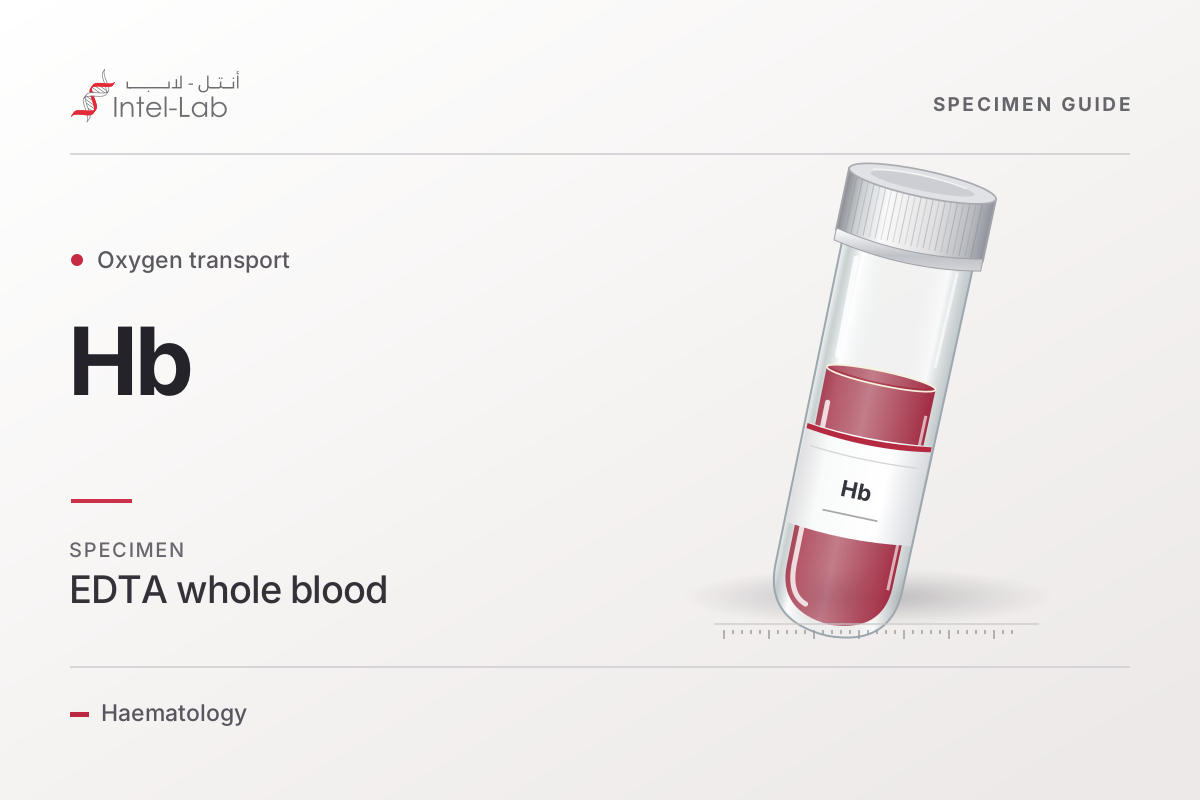
The clinician takes blood from a vein into a tube that keeps it from clotting. The collection team sends the labelled specimen to the laboratory.
Smart Report
24 hoursLaboratory turnaround
 Result guide
The result identifies a concentration, not the cause of a change. The blood count and clinical history help distinguish blood loss, nutrient deficiency and other possibilities.
From sample to follow-up
Choose your location, add the test to your care bag and select a time. If you are booking for someone else, assign the test to them in checkout.
Choose collection locationLook for Hemoglobin (Hb) in your report. Use the sample type and collection time when comparing it with an earlier report.
Explore Smart Report
Ask whether the red cell size, ferritin or other measurements point toward a particular explanation for a low haemoglobin.
Clinical expertise

Patient questions
No. Several conditions cause anaemia. Red cell measurements, iron studies and the clinical history can help identify which explanation fits.
Dehydration can concentrate the blood and raise the measured haemoglobin. Smoking and living at high altitude can also raise it. If the result stays high, your clinician may compare earlier counts and look for other causes, even if you feel well.
Low haemoglobin means less oxygen reaches the tissues, so the usual symptoms are tiredness, pale skin, dizziness and breathlessness on exertion. A slow fall can produce surprisingly few symptoms because the body adapts, so anaemia is often found on a routine test. Anaemia is a finding to investigate rather than a diagnosis, and your doctor looks for its cause.
KEEP EXPLORING
Open a package to see exactly which tests it includes.

Blood count, liver, kidney, cholesterol, blood sugar and urine tests: the essentials in one visit.
A complete blood count, serum iron and vitamin B12 from one blood sample, to check for anaemia and two of its common causes.

A broad whole-body screen covering blood, urine and stool with kidney, liver, lipid, iron, diabetes and vitamin markers.
A complete blood count with liver enzymes, cholesterol, kidney markers and fasting blood sugar from one blood sample.
Choosing for a particular need?
We can help you read the options.
Your next step
Written by Dr Nirupama Sabhapathy, Specialist Clinical Pathology. Medically reviewed by Dr Joyce Jose, Specialist Clinical Pathology, on .
Catalogue information and AED price checked on 2 November 2026. Clinical suitability, preparation, collection arrangements and turnaround are confirmed for your selected test.