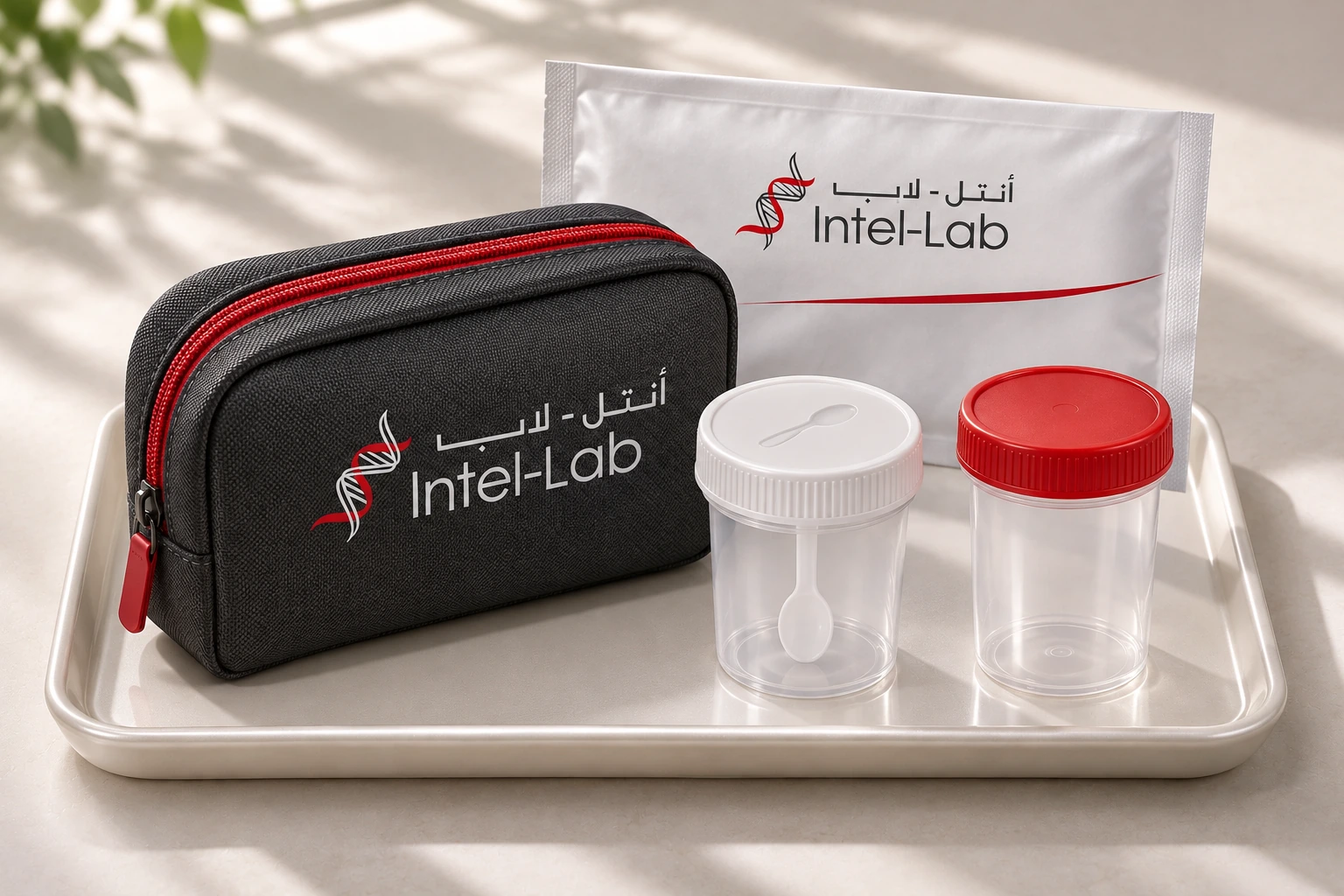
Arrange your collection
Choose your location, add the test to your care bag and select a time. If you are booking for someone else, assign the test to them in checkout.
Choose collection location
Stool Studies · Individual laboratory test
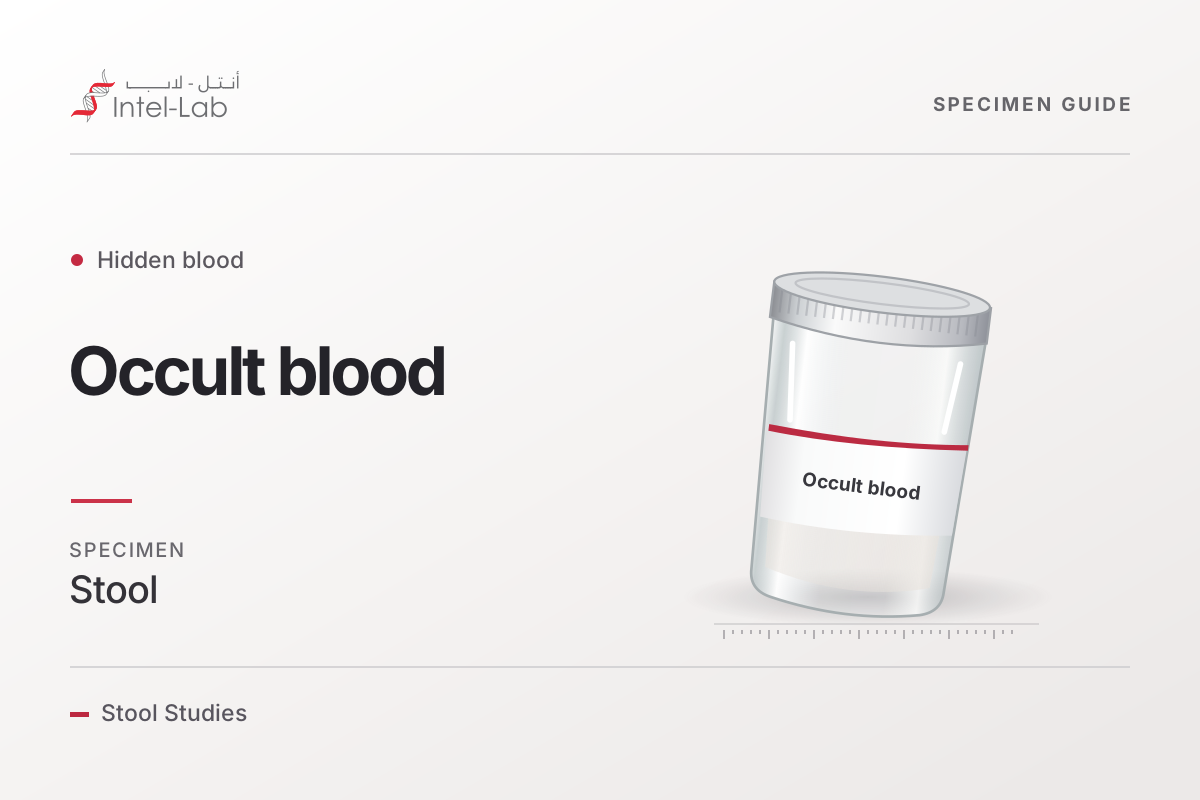
This stool test looks for blood that is not visible to the eye. A positive result identifies bleeding and leaves the cause to be investigated.
 Clinical authorDr Nirupama SabhapathySpecialist Clinical Pathology

Understanding the test
Also called Hidden Blood in Stool
Occult blood testing can be used in an appropriate bowel screening pathway or when a clinician is looking for a possible source of iron deficiency.
The test looks for blood that may be present without an obvious change in stool colour.
A clinician can assess whether examination or colonoscopy is indicated.
Before your sample
Use the kit supplied for this test and follow its instructions on the sampling day. Tell the clinician about visible bleeding or menstruation before taking the sample.
Use the stool collection container or kit provided for this test. Keep urine and toilet water out of the specimen and follow the team’s return instructions.
Smart Report
24 hoursLaboratory turnaround
 Result guide
The result indicates whether blood was detected in the sample. It does not locate the bleeding or distinguish causes such as a benign lesion and a condition needing further investigation.
From sample to follow-up
Choose your location, add the test to your care bag and select a time. If you are booking for someone else, assign the test to them in checkout.
Choose collection locationLook for Occult Blood (Fecal Occult Blood/FOB) in your report. Use the sample type and collection time when comparing it with an earlier report.
Explore Smart Report
Arrange clinical follow-up for detected blood even if symptoms are absent. Ask which investigation is appropriate for the source of bleeding.
Health packages
Compare the other tests in each package before choosing.
Clinical expertise

Patient questions
No. Many conditions can cause bleeding. A clinician should review a positive result and decide which examination or follow-up test is appropriate.
Tell your clinician about blood thinners, aspirin or anti-inflammatory medicines. Follow the collection kit instructions and seek prescribing advice before changing any medicine.
Yes. Bleeding can be intermittent. Persistent symptoms or visible blood need a clinical assessment even after a negative screening result.
After a positive colorectal cancer screening stool test, the usual next step is a colonoscopy to look for the source of bleeding. Bleeding can come and go, so a negative repeat sample does not cancel the first result. Contact the clinician who arranged the screening to plan follow-up.
KEEP EXPLORING
Open a package to see exactly which tests it includes.

A defined selection of tumour markers, with a blood count and stool occult blood, for clinician-directed assessment. These results cannot confirm or rule out cancer on their own.

A defined tumour-marker selection including PSA, with a blood count and stool occult blood, for clinician-directed assessment. Results cannot confirm or rule out cancer alone.

Blood count, liver, kidney, cholesterol, blood sugar and urine tests: the essentials in one visit.
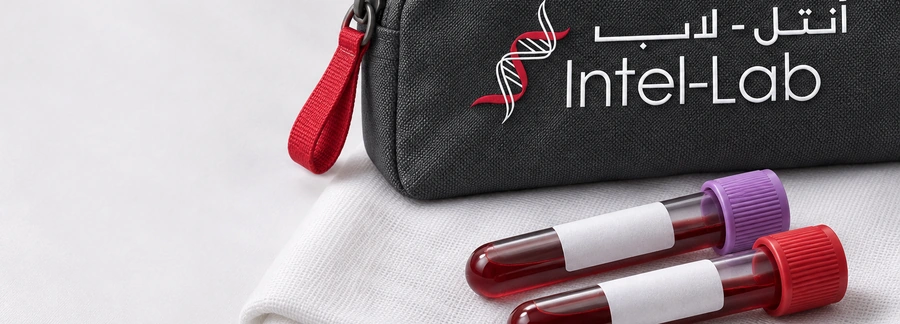
A complete blood count with liver enzymes, cholesterol, kidney markers and fasting blood sugar from one blood sample.
Choosing for a particular need?
We can help you read the options.
Your next step
Written by Dr Nirupama Sabhapathy, Specialist Clinical Pathology. Medically reviewed by Dr Joyce Jose, Specialist Clinical Pathology, on .
Catalogue information and AED price checked on 2 November 2026. Clinical suitability, preparation, collection arrangements and turnaround are confirmed for your selected test.