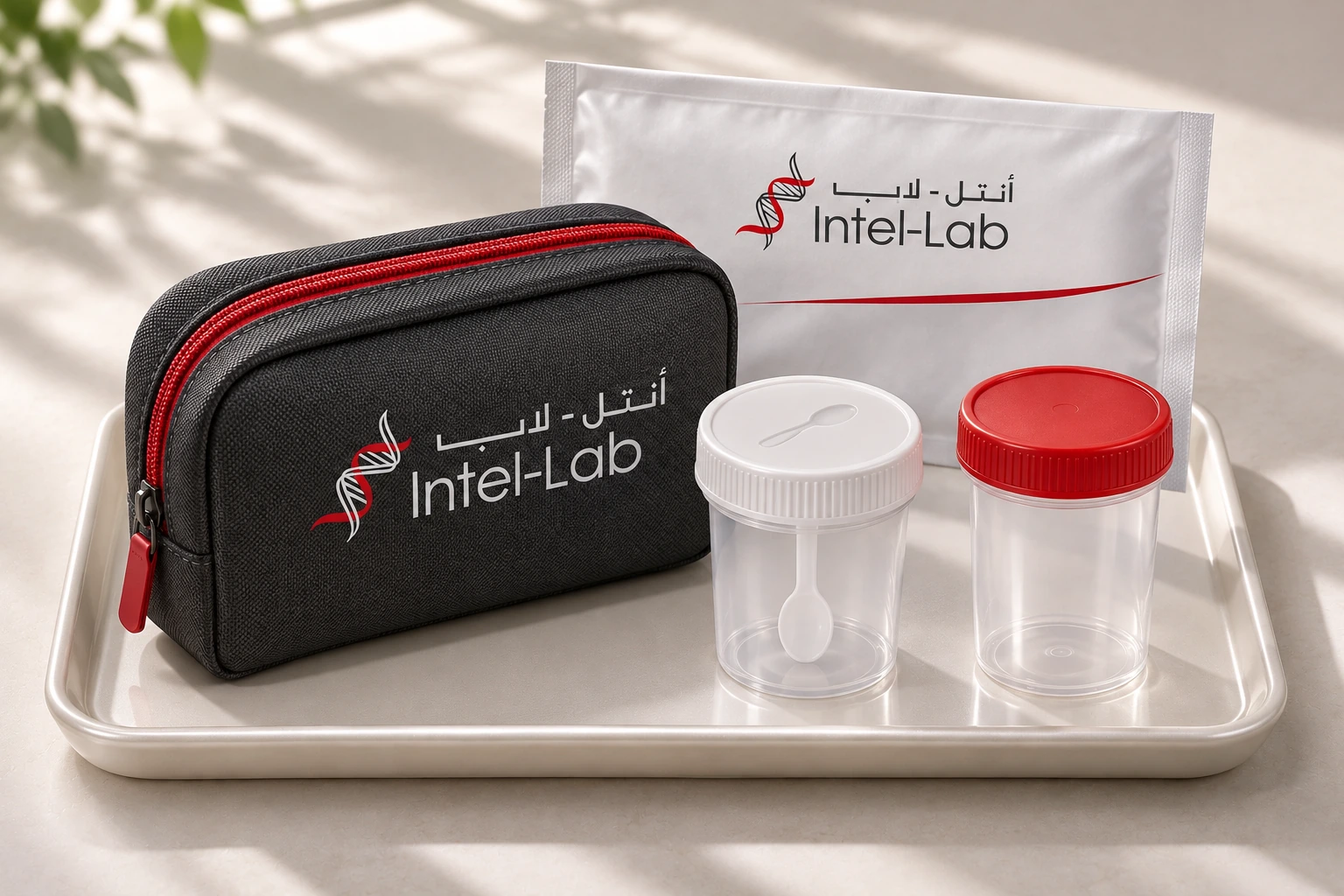
Arrange your collection
Choose your location, add the test to your care bag and select a time. If you are booking for someone else, assign the test to them in checkout.
Choose collection location
Stool Studies · Individual laboratory test
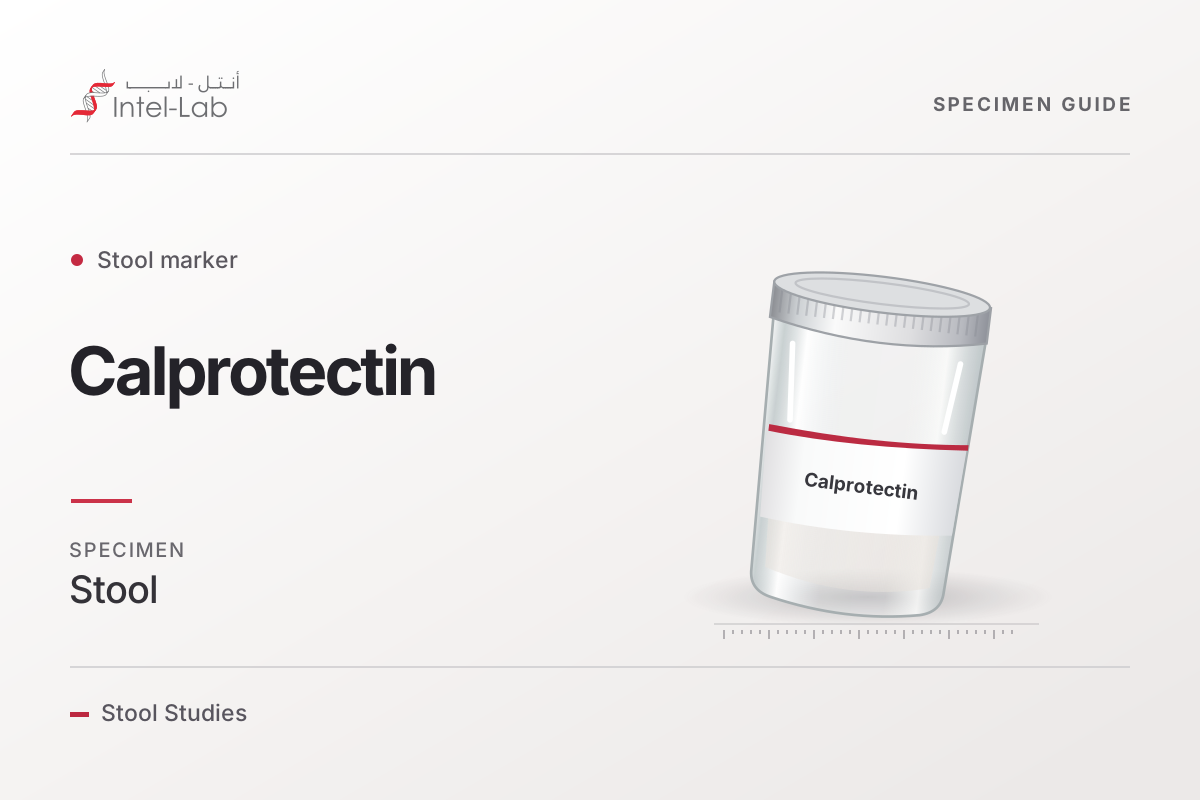
This qualitative stool test checks for calprotectin, a marker of inflammation in the bowel. It can be helpful when symptoms have several possible causes.
 Clinical authorDr Nirupama SabhapathySpecialist Clinical Pathology

Understanding the test
Also called Gut Inflammation Marker
A clinician may request faecal calprotectin when persistent bowel symptoms raise the question of inflammation. This particular method reports a qualitative result.
Calprotectin in stool can help distinguish an inflammatory pattern from some non-inflammatory causes of symptoms.
A clinician may follow changes over time in an established inflammatory bowel disorder.
Before your sample
No fast is required. Use the stool container supplied and mention recent gastrointestinal illness or anti-inflammatory medicines, which can affect interpretation.
Use the stool collection container or kit provided for this test. Keep urine and toilet water out of the specimen and follow the team’s return instructions.
Smart Report
24 hoursLaboratory turnaround
 Result guide
An abnormal result indicates the need to consider bowel inflammation and its causes. A reassuring result does not replace evaluation of persistent bleeding or other concerning symptoms.
From sample to follow-up
Choose your location, add the test to your care bag and select a time. If you are booking for someone else, assign the test to them in checkout.
Choose collection locationLook for Calprotectin Qualitative in your report. Use the sample type and collection time when comparing it with an earlier report.
Explore Smart Report
Ask whether symptoms and the qualitative result warrant another investigation, especially if bleeding, weight loss or persistent symptoms are present.
Clinical expertise

Patient questions
No. Infection and other conditions can also increase calprotectin. The result may prompt further assessment, and a qualitative test does not provide a precise concentration.
Blood markers of inflammation such as CRP and ESR rise for reasons anywhere in the body. Calprotectin is released into the bowel itself, so it is far more specific to the intestine and can pick up inflammation of the lining that blood tests miss.
Yes. Non-steroidal anti-inflammatory drugs such as ibuprofen, diclofenac and aspirin can irritate the intestinal lining enough to raise calprotectin in someone with no bowel disease at all. Tell the team what you have taken and when, and your doctor may prefer to test after a break from them.
KEEP EXPLORING
Open a package to see exactly which tests it includes.

A comprehensive 28-target stool PCR panel spanning gastrointestinal viruses, bacteria and parasites: from norovirus and rotavirus to Salmonella, E.…

Blood count, liver, kidney, cholesterol, blood sugar and urine tests: the essentials in one visit.
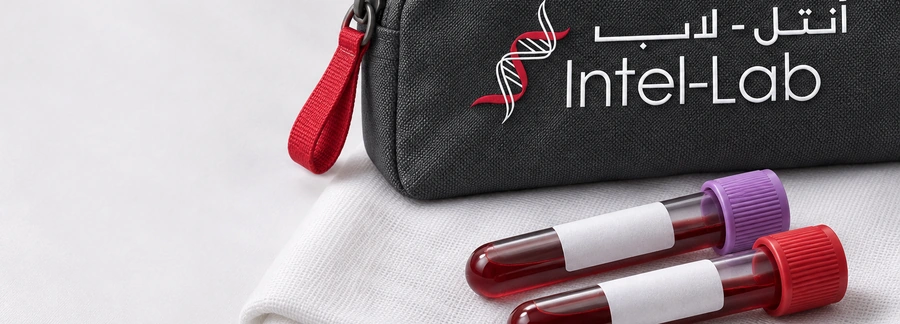
A complete blood count with liver enzymes, cholesterol, kidney markers and fasting blood sugar from one blood sample.

A broad whole-body screen covering blood, urine and stool with kidney, liver, lipid, iron, diabetes and vitamin markers.
Choosing for a particular need?
We can help you read the options.
Your next step
Written by Dr Nirupama Sabhapathy, Specialist Clinical Pathology. Medically reviewed by Dr Joyce Jose, Specialist Clinical Pathology, on .
Catalogue information and AED price checked on 2 November 2026. Clinical suitability, preparation, collection arrangements and turnaround are confirmed for your selected test.