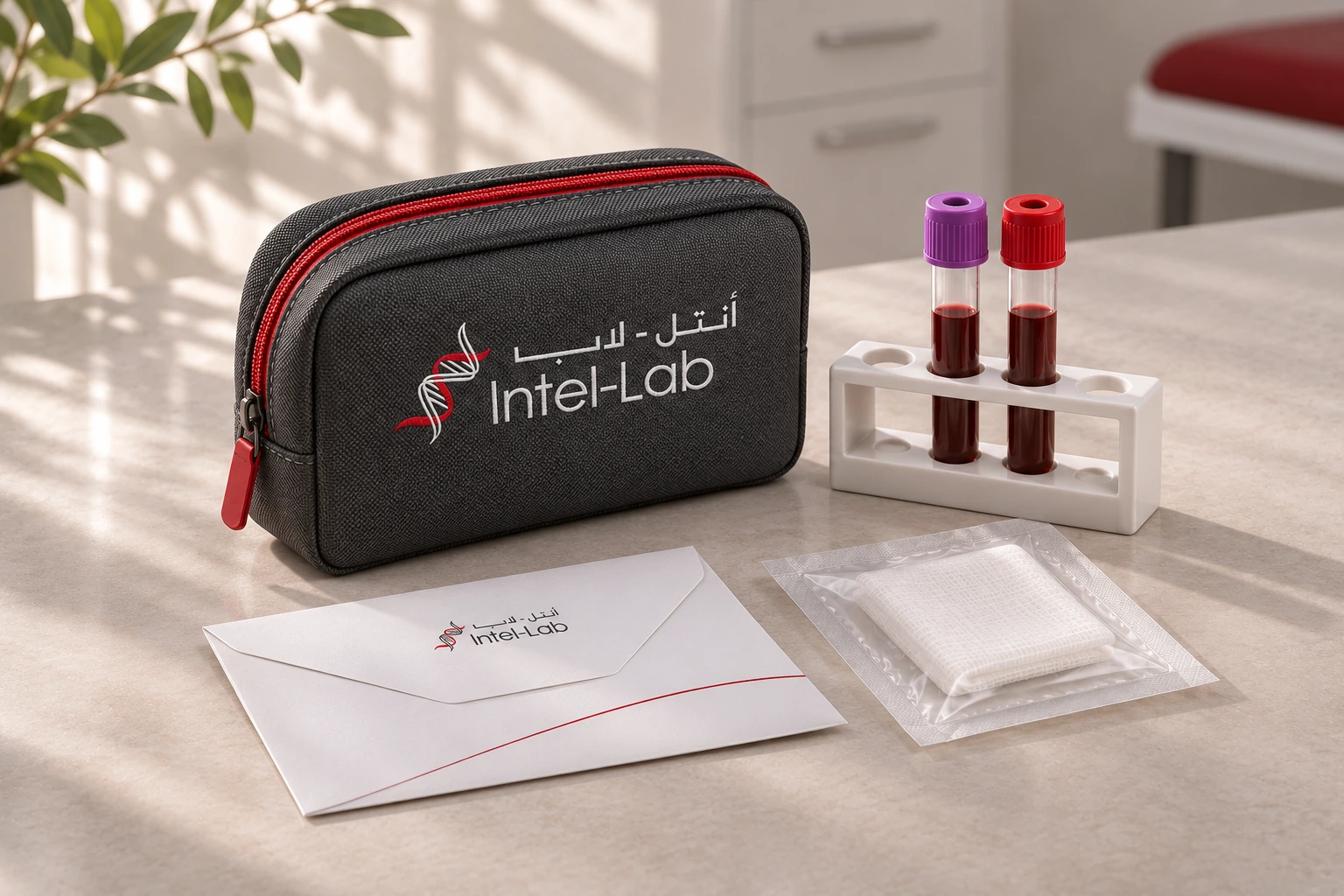
Arrange your collection
Choose your location, add the test to your care bag and select a time. If you are booking for someone else, assign the test to them in checkout.
Choose collection location
Immunology / Serology · Individual laboratory test
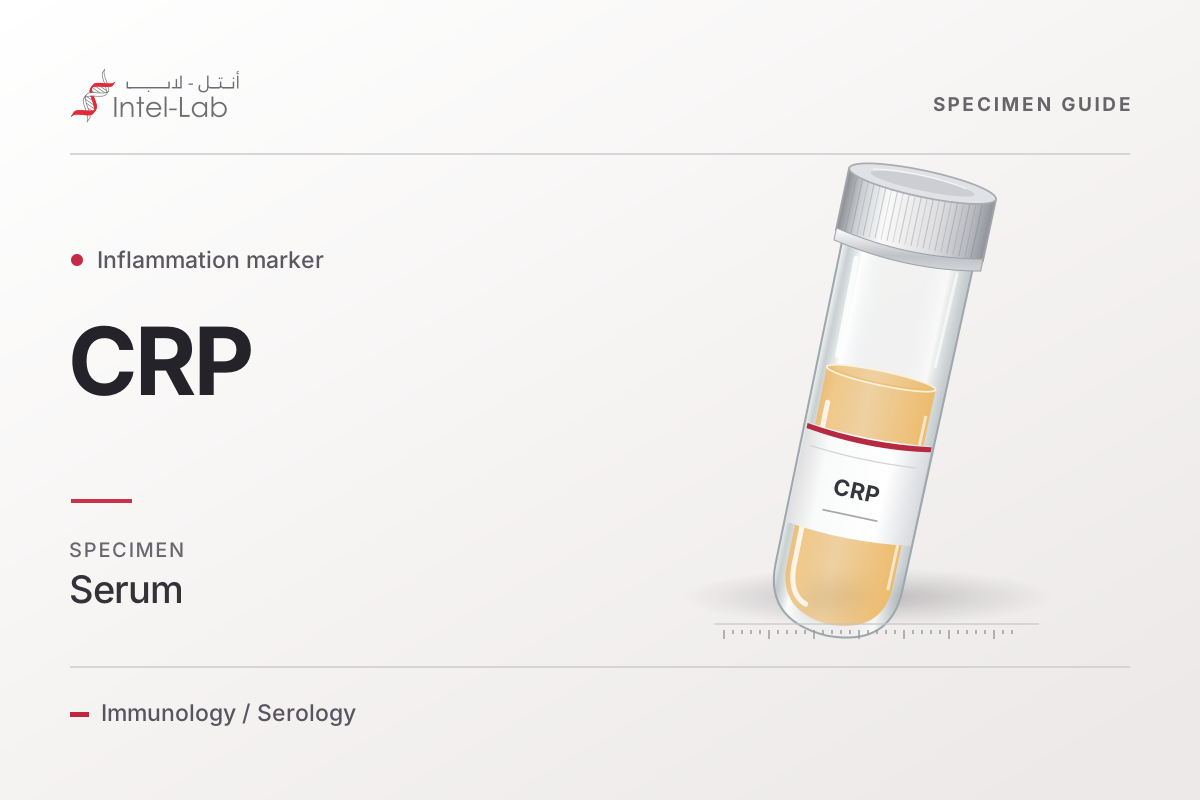
CRP is a protein that rises in response to inflammation. Clinicians can follow its change over time alongside symptoms and other findings.
 Clinical authorDr Nirupama SabhapathySpecialist Clinical Pathology

Understanding the test
Also called Inflammation Marker (CRP)
CRP can help investigate or monitor an inflammatory illness. It is often most helpful when a clinician can compare its change with the patient's symptoms.
CRP can rise when the immune system responds to infection, tissue injury or inflammatory disease.
Repeat values may show how an inflammatory response is evolving.
Before your sample
No fast is required. Keep the dates of symptoms, surgery or injury and list any steroid, anti-inflammatory or immune-modulating medicines.
A clinician takes a small sample of blood from a vein. The laboratory uses serum, the liquid separated from the blood after it clots.
Smart Report
24 hoursLaboratory turnaround
 Result guide
A raised result supplies no single cause or location. A fall or rise over time can be informative when the clinical condition is already known.
From sample to follow-up
Choose your location, add the test to your care bag and select a time. If you are booking for someone else, assign the test to them in checkout.
Choose collection locationLook for C-Reactive Protein (CRP) in your report. Use the sample type and collection time when comparing it with an earlier report.
Explore Smart Report
Keep a timeline of symptoms, treatment and previous CRP results. Compare the change in the person with the change in the marker.
Health packages
Compare the other tests in each package before choosing.
Clinical expertise

Patient questions
CRP alone cannot reliably identify an organism or distinguish every bacterial illness from a viral one. The examination and other tests guide those decisions.
They measure the same protein at different sensitivities. Standard CRP is designed to detect and track active inflammation, such as an infection or an autoimmune flare. High-sensitivity CRP reads much lower levels and is the version used for cardiovascular risk assessment; the standard assay is too coarse for that purpose, so it should not be used to judge heart risk.
A mild rise without symptoms is common. Obesity, smoking and late pregnancy lift the background level a little, and surgery, an injury, dental work or a vaccination in the past week or two can also shift it. Your doctor may repeat the test to see whether the value settles or keeps moving.
KEEP EXPLORING
Open a package to see exactly which tests it includes.

Our most complete checkup: everything in Elite plus advanced cardiac and metabolic markers (hs-CRP, homocysteine, insulin and more).

An extensive panel for active individuals, covering inflammation, iron, metabolic, hormonal, thyroid and nutritional status.

Blood count, liver, kidney, cholesterol, blood sugar and urine tests: the essentials in one visit.

A complete blood count with liver enzymes, cholesterol, kidney markers and fasting blood sugar from one blood sample.
Choosing for a particular need?
We can help you read the options.
Your next step
Written by Dr Nirupama Sabhapathy, Specialist Clinical Pathology. Medically reviewed by Dr Joyce Jose, Specialist Clinical Pathology, on .
Catalogue information and AED price checked on 2 November 2026. Clinical suitability, preparation, collection arrangements and turnaround are confirmed for your selected test.