Arrange your collection
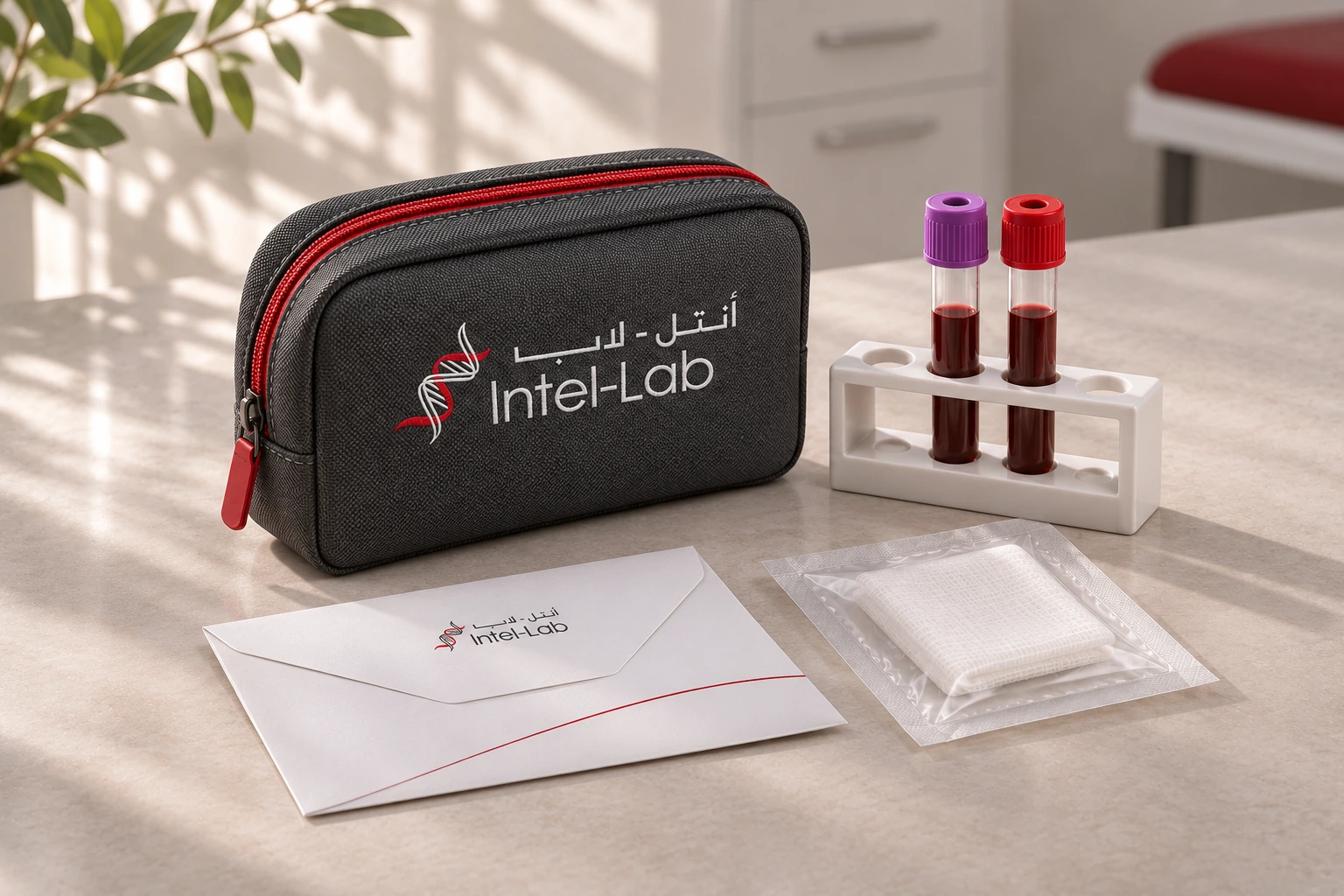
Choose your location, add the test to your care bag and select a time. If you are booking for someone else, assign the test to them in checkout.
Choose collection location
Cardiac · Individual laboratory test
High-sensitivity CRP measures small differences in an inflammatory protein. Clinicians sometimes use it as one part of cardiovascular risk assessment.
 Clinical authorDr Nirupama SabhapathySpecialist Clinical Pathology

Understanding the test
Also called Cardiac Inflammation Marker (hs-CRP)
A high-sensitivity method is designed to pick up relatively small CRP changes. A clinician may use it when a cardiovascular prevention decision would benefit from additional context.
A clinician may consider hs-CRP when an additional cardiovascular risk factor could influence a prevention discussion.
A measurement made after an infection has settled may better reflect the intended question.
Before your sample
No fast is required. For cardiovascular risk assessment, tell the team about recent infection, dental work, surgery or injury before choosing the sampling date.
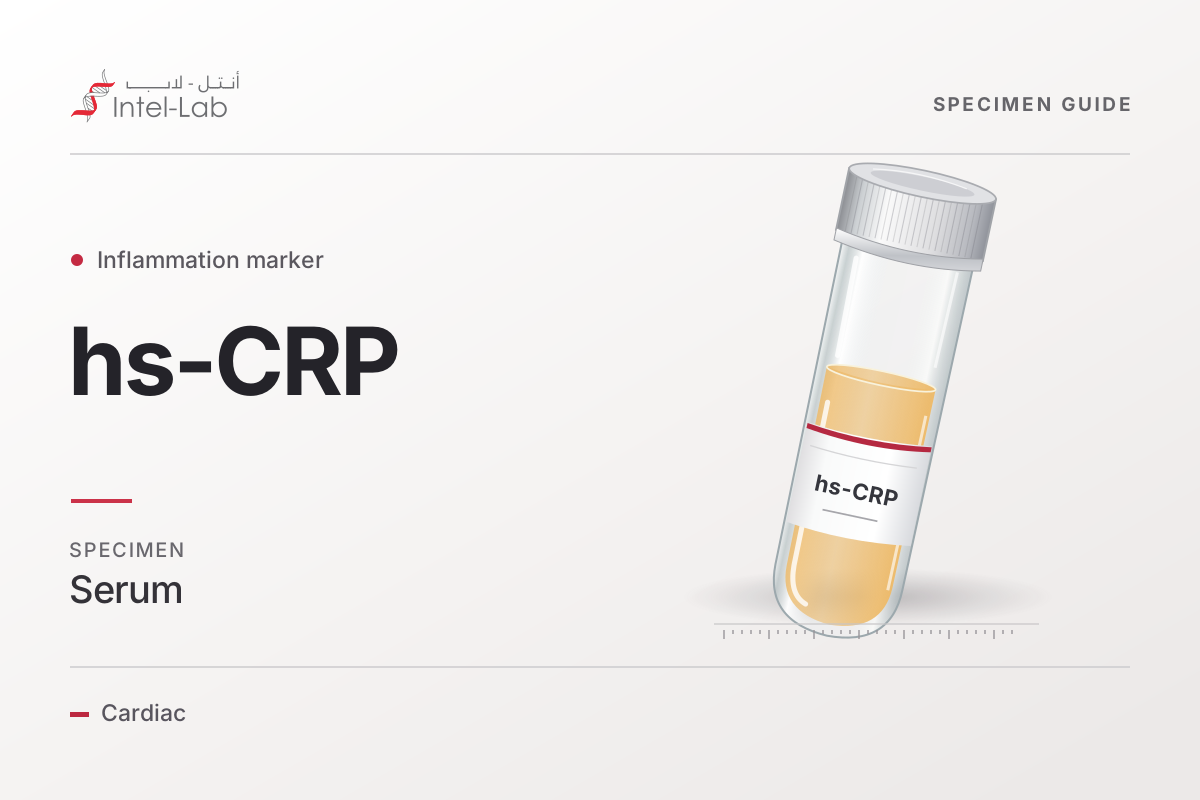
A clinician takes a small sample of blood from a vein. The laboratory uses serum, the liquid separated from the blood after it clots.
Smart Report
24 hoursLaboratory turnaround
 Result guide
CRP comes from the body's response to inflammation generally. The test does not locate inflammation in the heart or identify an acute heart attack.
From sample to follow-up
Choose your location, add the test to your care bag and select a time. If you are booking for someone else, assign the test to them in checkout.
Choose collection locationLook for C-Reactive Protein, High Sensitivity (Cardiac) in your report. Use the sample type and collection time when comparing it with an earlier report.
Explore Smart Report
Tell the clinician about recent infection, injury or surgery before comparing hs-CRP with your cardiovascular risk factors.
Health packages
Compare the other tests in each package before choosing.
Clinical expertise

Patient questions
An infection or injury can raise CRP for reasons unrelated to long-term cardiovascular risk. Your clinician can decide when a measurement is interpretable.
Almost any inflammation raises it: a chest, urinary or dental infection, recent surgery, injury or a burn, and long-term conditions such as rheumatoid arthritis or inflammatory bowel disease. Excess body fat, smoking, poor sleep and a heavy unaccustomed workout lift it too. The test shows inflammation is present but not where it comes from.
No, it adds to a cholesterol test rather than replacing it. hs-CRP reflects background inflammation, while the lipid profile reflects the cholesterol that builds plaque, and your doctor reads both together with blood pressure and glucose. A low hs-CRP does not exclude narrowed arteries, which can be present while inflammation is quiet.
KEEP EXPLORING
Open a package to see exactly which tests it includes.

An in-depth cardiovascular risk panel combining advanced cardiac markers with a full general health screen.

Our most complete checkup: everything in Elite plus advanced cardiac and metabolic markers (hs-CRP, homocysteine, insulin and more).

Total cholesterol, HDL, directly measured LDL, VLDL and triglycerides from one blood sample.

Blood count, liver, kidney, cholesterol, blood sugar and urine tests: the essentials in one visit.
Choosing for a particular need?
We can help you read the options.
Your next step
Written by Dr Nirupama Sabhapathy, Specialist Clinical Pathology. Medically reviewed by Dr Joyce Jose, Specialist Clinical Pathology, on .
Catalogue information and AED price checked on 2 November 2026. Clinical suitability, preparation, collection arrangements and turnaround are confirmed for your selected test.