
Arrange your collection
Choose your location, add the test to your care bag and select a time. If you are booking for someone else, assign the test to them in checkout.
Choose collection location
Haematology · Individual laboratory test
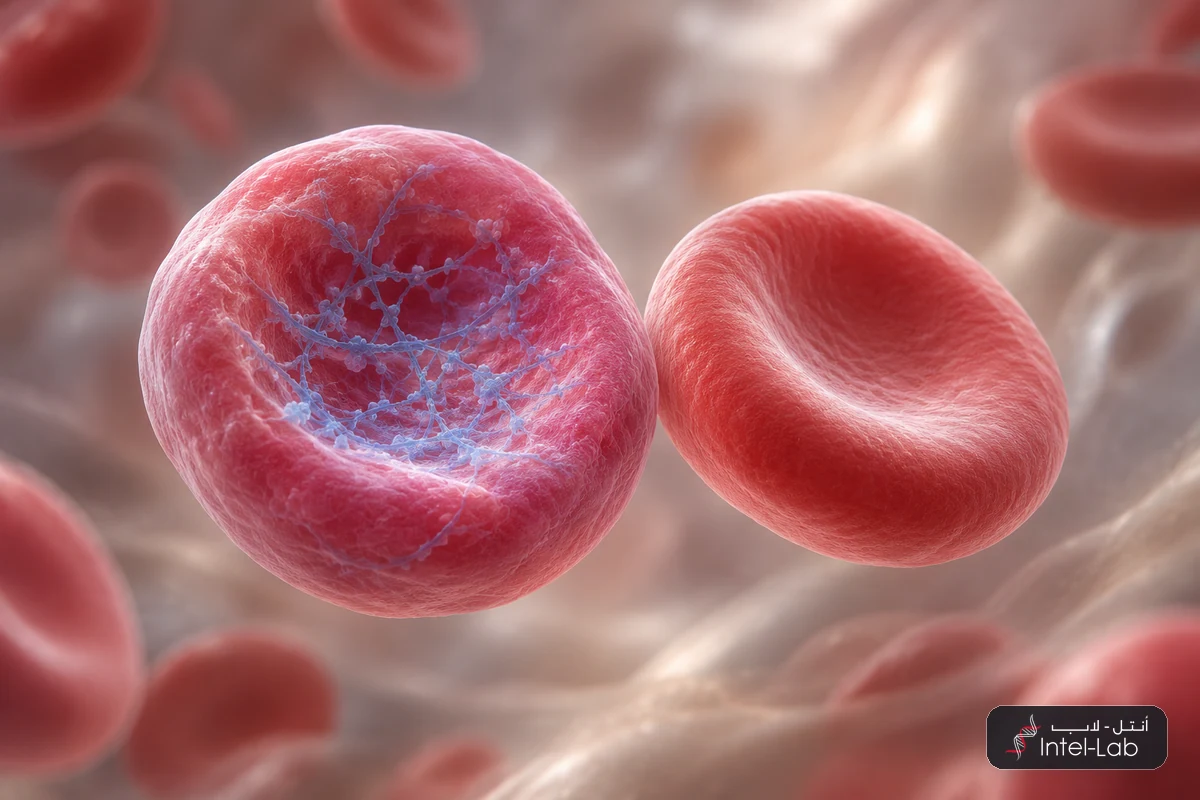
Reticulocytes are young red blood cells. Their count gives a picture of how the bone marrow is responding to anaemia or recovery.
 Clinical authorDr Nirupama SabhapathySpecialist Clinical Pathology
Understanding the test
Also called Young Red Blood Cells
A clinician may use reticulocytes to distinguish reduced red cell production from the marrow's response to loss or recovery after treatment.
Reticulocytes show whether the marrow is releasing newly formed red blood cells.
A changing count can help clinicians assess the response to anaemia or treatment.
Before your sample
Fasting is generally unnecessary. Give the dates of recent bleeding, transfusion or treatment for anaemia, because timing changes the expected marrow response.
The clinician takes blood from a vein into a tube that keeps it from clotting. The collection team sends the labelled specimen to the laboratory.
Smart Report
24 hoursLaboratory turnaround
 Result guide
The expected response depends on how anaemic the person is. The reticulocyte value and haemoglobin should be interpreted together.
From sample to follow-up
Choose your location, add the test to your care bag and select a time. If you are booking for someone else, assign the test to them in checkout.
Choose collection locationLook for Reticulocyte Count in your report. Use the sample type and collection time when comparing it with an earlier report.
Explore Smart Report
Ask how the marrow response compares with your haemoglobin level and the date treatment began or any blood loss occurred.
Clinical expertise

Patient questions
Haemoglobin shows the current level of oxygen-carrying protein. Reticulocytes show whether new red cells are being released in response.
Yes. A recent transfusion temporarily suppresses your own marrow output and can flatten the count, masking a genuine response. Chemotherapy lowers it, while erythropoietin treatment raises it. Mention any transfusion in the recent past and these treatments when you give the sample, so the result is read in the right context.
It means the marrow is producing extra red cells and keeping pace. This can follow recent bleeding that has been replaced, red cells being destroyed faster than usual with production compensating, recovery after a period of marrow suppression, erythropoietin treatment, or chronic low oxygen from lung disease or a recent stay at high altitude. Your doctor looks at which fits your history.
KEEP EXPLORING
Open a package to see exactly which tests it includes.

Blood count, liver, kidney, cholesterol, blood sugar and urine tests: the essentials in one visit.

A complete blood count, serum iron and vitamin B12 from one blood sample, to check for anaemia and two of its common causes.

A broad whole-body screen covering blood, urine and stool with kidney, liver, lipid, iron, diabetes and vitamin markers.

A complete blood count with liver enzymes, cholesterol, kidney markers and fasting blood sugar from one blood sample.
Choosing for a particular need?
We can help you read the options.
Your next step
Written by Dr Nirupama Sabhapathy, Specialist Clinical Pathology. Medically reviewed by Dr Joyce Jose, Specialist Clinical Pathology, on .
Catalogue information and AED price checked on 2 November 2026. Clinical suitability, preparation, collection arrangements and turnaround are confirmed for your selected test.