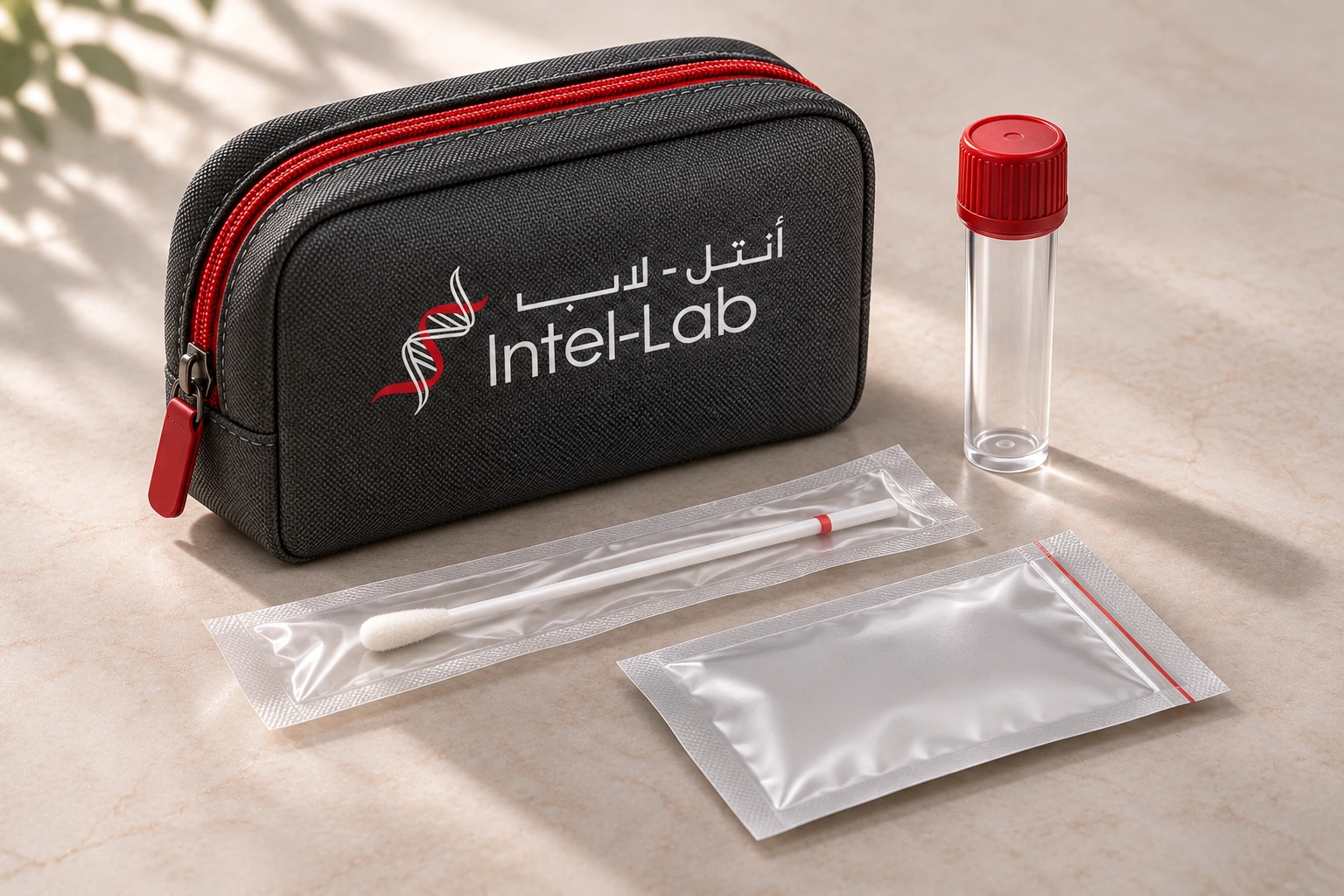
Arrange your collection
Choose your location, add the test to your care bag and select a time. If you are booking for someone else, assign the test to them in checkout.
Choose collection location
STI & STD · Individual laboratory test
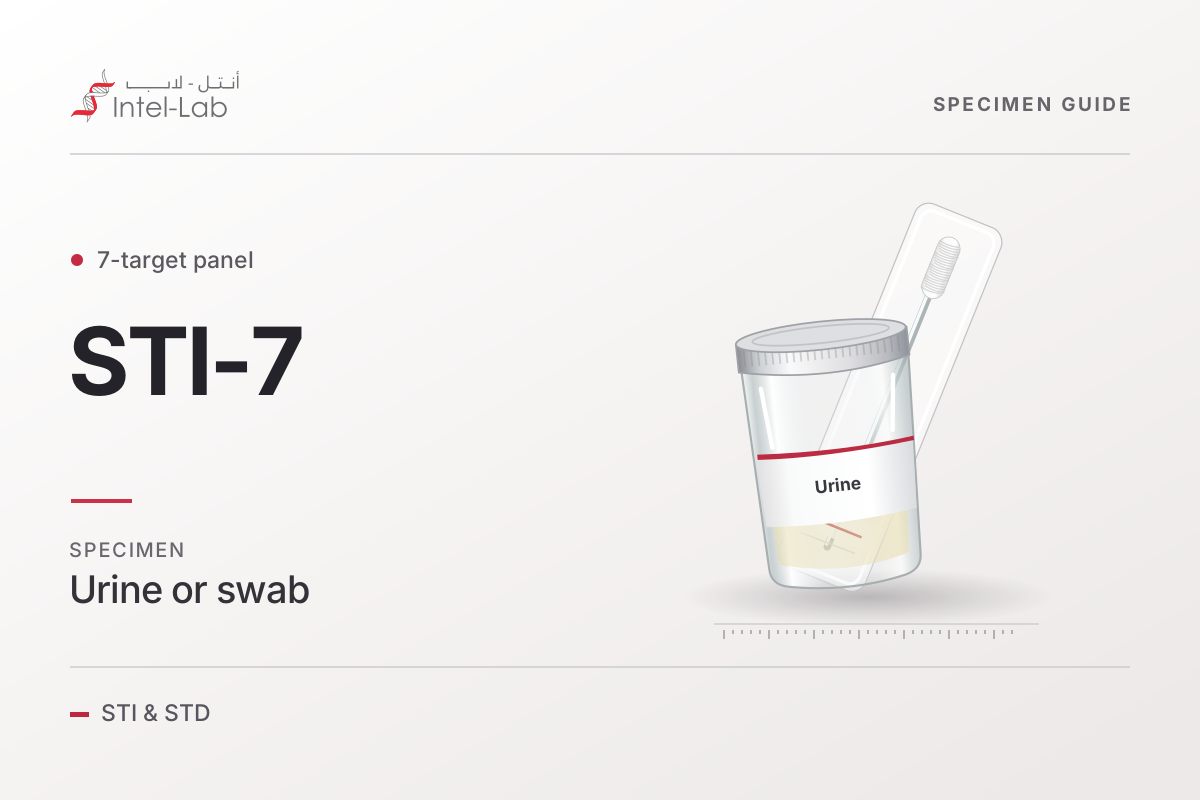
This seven-target PCR panel examines a urine or swab specimen. The result relates to the organisms tested and the anatomical site sampled.
 Clinical authorDr Nirupama SabhapathySpecialist Clinical Pathology

Understanding the test
Also called STI Panel (7 Pathogens)
The seven targets can cause overlapping genital or urinary symptoms, and some infections can occur without symptoms. A clinician helps match the panel to the exposure.
Seven specified targets are assessed from the appropriate specimen.
The site of exposure and interval before testing can guide whether another specimen is needed.
Inside this test
Before your sample
Ask for the instructions for the specified urine or swab sample. For urine, confirm the time since last passing urine. Recent antibiotic treatment and the exposure date can affect interpretation.
Depending on the site being assessed, the laboratory uses first-catch urine or the swab requested by the clinician. Confirm the site and specimen before collecting.
Smart Report
48 hoursLaboratory turnaround
 Result guide
The test looks for genetic material. An early sample, recent treatment or an infection at a different site may require a different approach to follow-up.
From sample to follow-up
Choose your location, add the test to your care bag and select a time. If you are booking for someone else, assign the test to them in checkout.
Choose collection locationLook for STI-7 Panel PCR in your report. Use the sample type and collection time when comparing it with an earlier report.
Explore Smart Report
Take the organism names and specimen site to the review. Ask whether any partner advice or further site-specific testing is relevant.
Health packages
Compare the other tests in each package before choosing.
Clinical expertise

Patient questions
Not necessarily. Some organisms may be present without causing symptoms. A clinician can distinguish a result needing treatment from one requiring other interpretation.
Yes. A recent course of antibiotics, even one taken for something else, can suppress an organism enough to give a negative result while infection is still present. Tell the team about any antibiotic you have taken recently, as your doctor may prefer to wait before testing.
The panel screens one sample for the seven listed genital organisms, including chlamydia, gonorrhoea, Trichomonas and Mycoplasma genitalium, which cause disease, as well as Ureaplasma species and Mycoplasma hominis, which often live harmlessly in the genital tract. Your report names any organism that was detected.
A partner can have chlamydia without symptoms. Contact partners from the previous 60 days so they can arrange evaluation and treatment. If your most recent partner was longer ago, contact them too. Ask your clinician when you can resume sex safely after both of you have been treated.
KEEP EXPLORING
Open a package to see exactly which tests it includes.

A seven-target genital PCR panel covering chlamydia, gonorrhoea, Trichomonas, and listed mycoplasma and ureaplasma species. Results need clinical interpretation.
A confidential 5-in-1 blood screen for the core blood-borne STIs: HIV (1 & 2), hepatitis B, hepatitis C and syphilis.
A 20-marker combined work-up pairing blood serology (HIV, hepatitis B & C, syphilis) with a 14-target genital PCR panel and urinalysis: a complete…

Our most comprehensive 28-target STI and genital-flora PCR panel, adding candida species, bacterial-vaginosis organisms and additional viruses on top…
Choosing for a particular need?
We can help you read the options.
Your next step
Written by Dr Nirupama Sabhapathy, Specialist Clinical Pathology. Medically reviewed by Dr Joyce Jose, Specialist Clinical Pathology, on .
Catalogue information and AED price checked on 2 November 2026. Clinical suitability, preparation, collection arrangements and turnaround are confirmed for your selected test.