Arrange your collection
Choose your location, add the test to your care bag and select a time. If you are booking for someone else, assign the test to them in checkout.
Choose collection location
STI & STD · Individual laboratory test
HPV PCR looks for human papillomavirus DNA in the submitted specimen. A result must be interpreted for the specimen site and the reason for testing.
 Clinical authorDr Nirupama SabhapathySpecialist Clinical Pathology

Understanding the test
Also called Human Papillomavirus DNA
When used for cervical testing, the result can contribute to a screening or follow-up pathway. Other specimen types and indications need their own clinical interpretation.
When a cervical specimen is appropriate, a clinician may use HPV testing within an established screening pathway.
Prior HPV results and cervical cytology help determine which follow-up is appropriate. A result from a different anatomical site has different implications.
Before your sample
Confirm the required anatomical site and the collection plan before attending. For cervical sampling, mention pregnancy, current bleeding and recent vaginal products so the clinician can advise on timing.
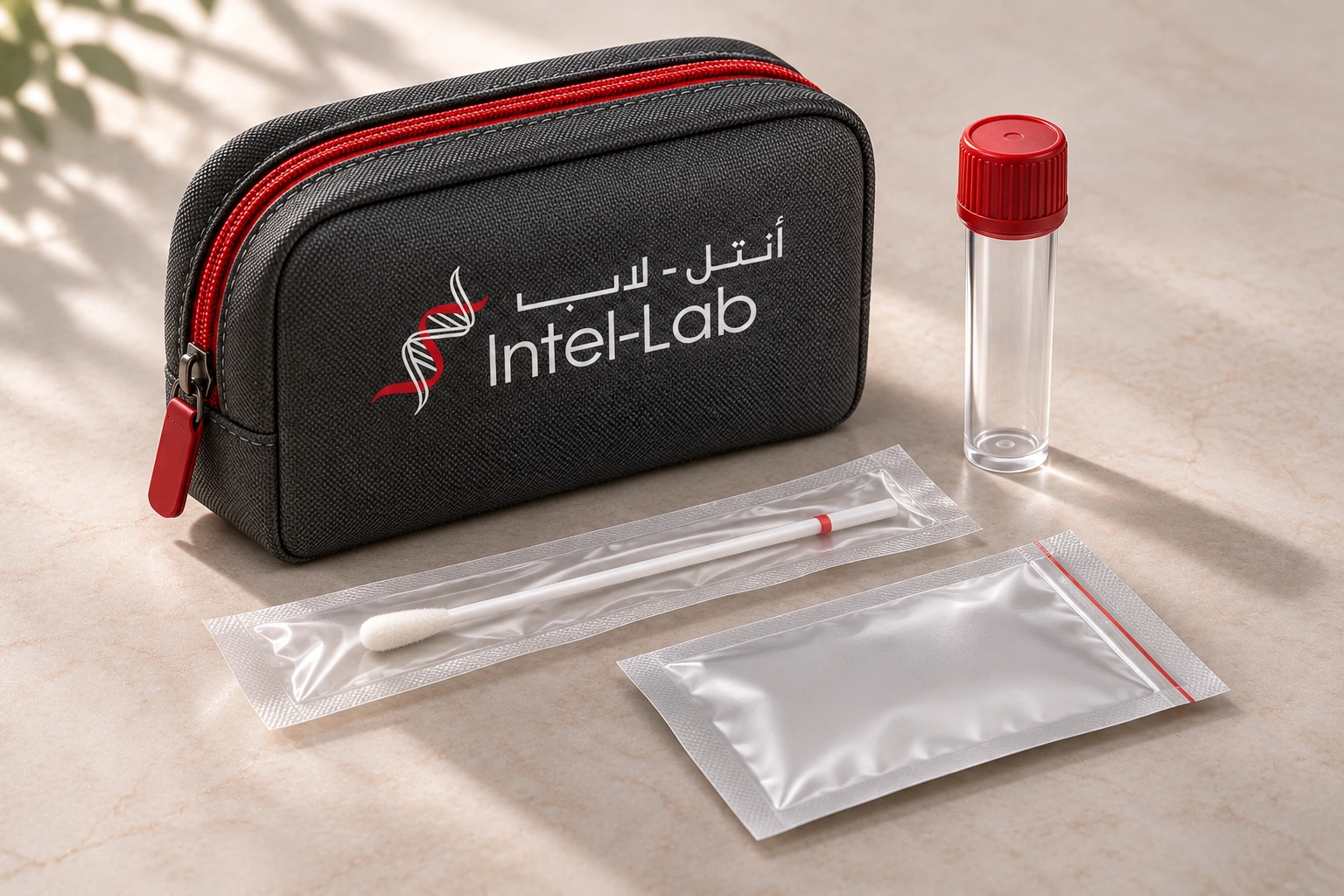
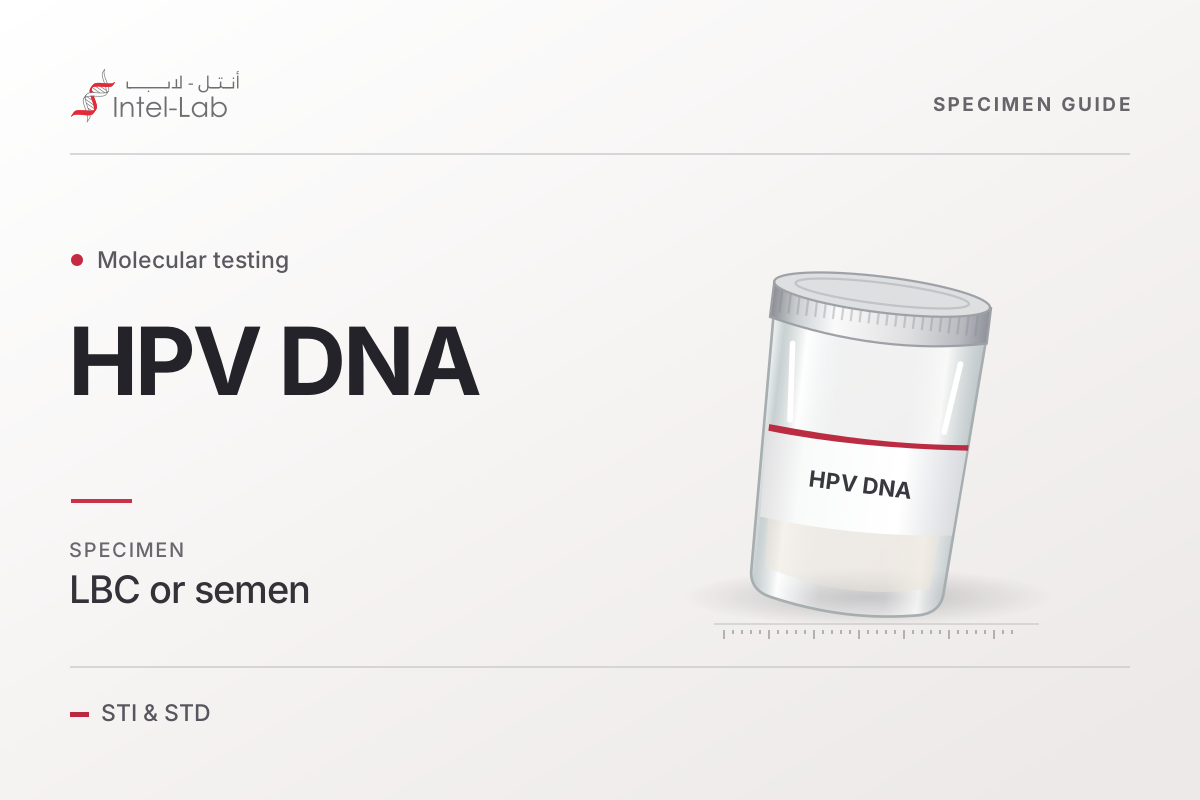
Intel Lab lists liquid-based cervical sampling or semen for this test. Confirm the indication, specimen and suitable collection arrangement with the care team before attending.
Smart Report
2 to 3 daysLaboratory turnaround
 Result guide
Detection identifies viral DNA at the sampled site. It does not date acquisition, establish from whom an infection was acquired or diagnose cancer.
From sample to follow-up
Choose your location, add the test to your care bag and select a time. If you are booking for someone else, assign the test to them in checkout.
Choose collection locationLook for HPV PCR in your report. Use the sample type and collection time when comparing it with an earlier report.
Explore Smart Report
Keep the specimen site, HPV type if reported, and any cervical cytology result together when arranging the recommended follow-up.
Health packages
Compare the other tests in each package before choosing.
Clinical expertise

Patient questions
No. Many infections clear. For cervical testing, age, the specific result, screening history and any cytology findings guide follow-up.
An HPV test looks for the virus that can cause cell changes, while a Pap smear, or cytology, looks at the cervical cells themselves for changes that have already happened. They answer different questions and are often done on the same liquid-based sample. A negative HPV test does not exclude cell changes left by an earlier infection, which is why cytology still has a role.
It means the targeted HPV types were not detected in the specimen tested. For a cervical sample, your prior screening results and any cell changes help determine when screening is next due. A result from a semen sample cannot tell you whether high-risk HPV is present in a cervix or change a cervical screening interval.
KEEP EXPLORING
Open a package to see exactly which tests it includes.
HPV genotyping that identifies both high-risk (cancer-associated) and low-risk HPV types, so you know exactly which strains are present.

A confidential 5-in-1 blood screen for the core blood-borne STIs: HIV (1 & 2), hepatitis B, hepatitis C and syphilis.
A 20-marker combined work-up pairing blood serology (HIV, hepatitis B & C, syphilis) with a 14-target genital PCR panel and urinalysis: a complete…
Our most comprehensive 28-target STI and genital-flora PCR panel, adding candida species, bacterial-vaginosis organisms and additional viruses on top…
Choosing for a particular need?
We can help you read the options.
Your next step
Written by Dr Nirupama Sabhapathy, Specialist Clinical Pathology. Medically reviewed by Dr Joyce Jose, Specialist Clinical Pathology, on .
Catalogue information and AED price checked on 2 November 2026. Clinical suitability, preparation, collection arrangements and turnaround are confirmed for your selected test.