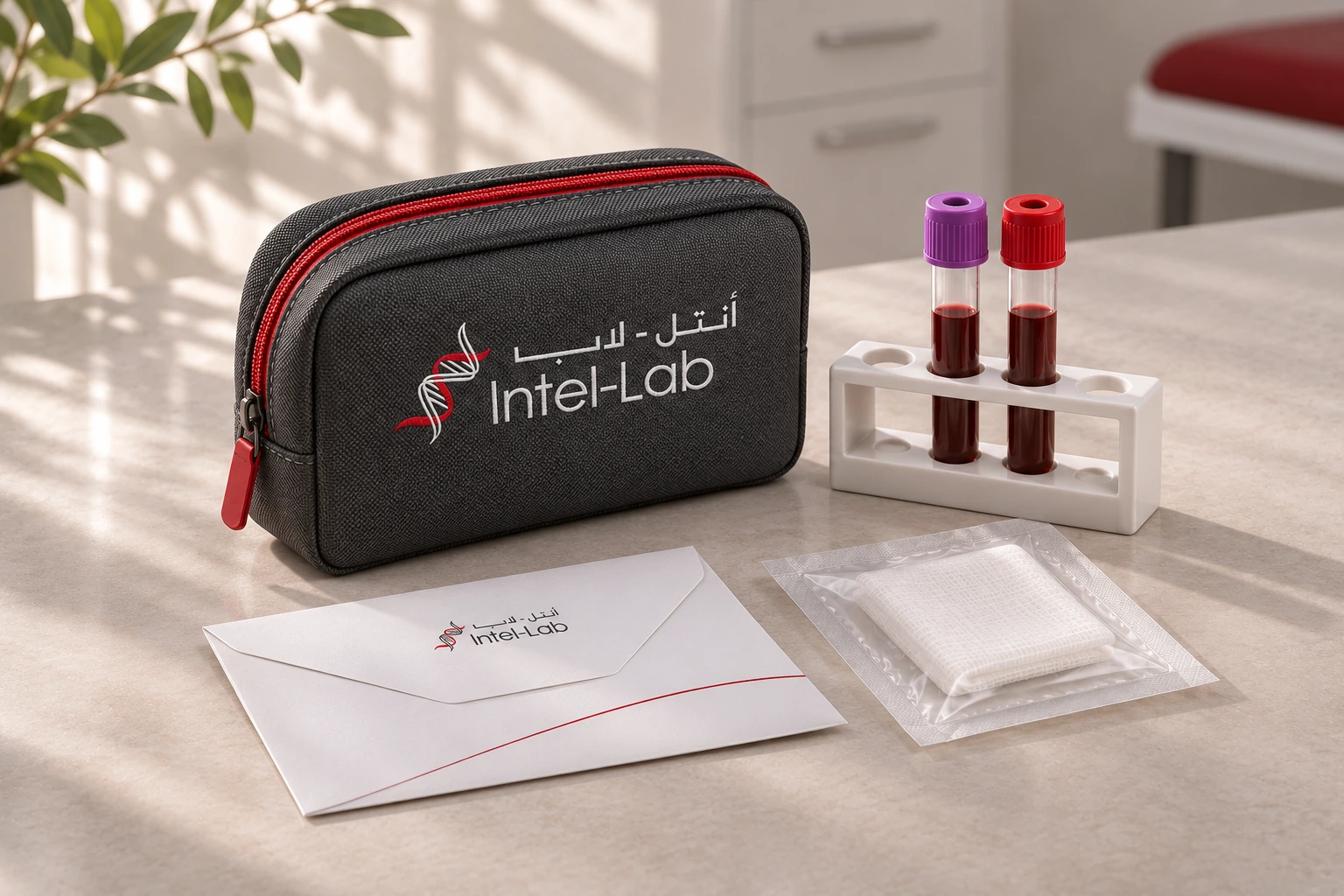
Arrange your collection
Choose your location, add the test to your care bag and select a time. If you are booking for someone else, assign the test to them in checkout.
Choose collection location
STI & STD · Individual laboratory test
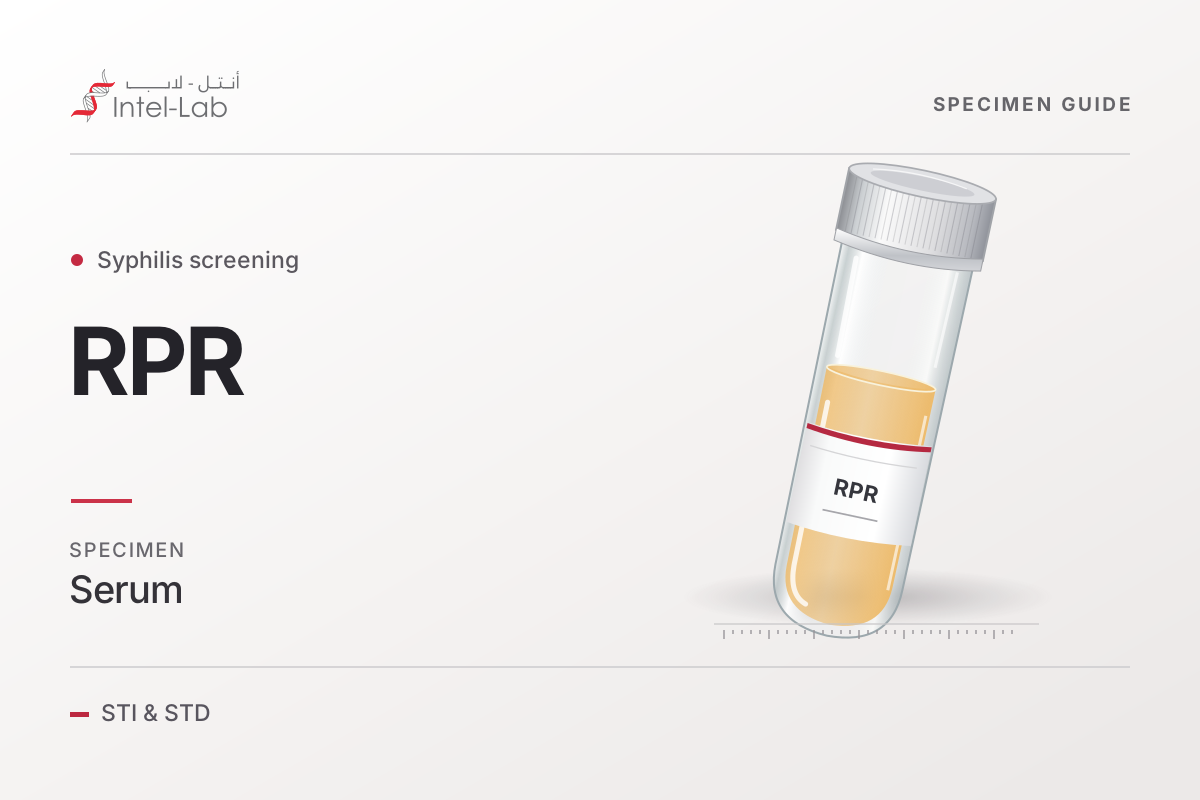
RPR is a non-treponemal blood test used in syphilis assessment. Where titres are reported, a clinician may use changes over time to follow treatment.
 Clinical authorDr Nirupama SabhapathySpecialist Clinical Pathology
Understanding the test
Also called Syphilis Screen (RPR)
RPR may be requested after a possible exposure or to monitor someone with a known syphilis diagnosis. Previous titres and treatment dates are particularly useful.
RPR is a non-treponemal test that usually needs a treponemal test for diagnostic interpretation.
A clinician may compare titres over time using the same method where possible.
Before your sample
No fast is needed. Tell the clinician about previous syphilis treatment, pregnancy and any earlier RPR titres to support accurate comparison.
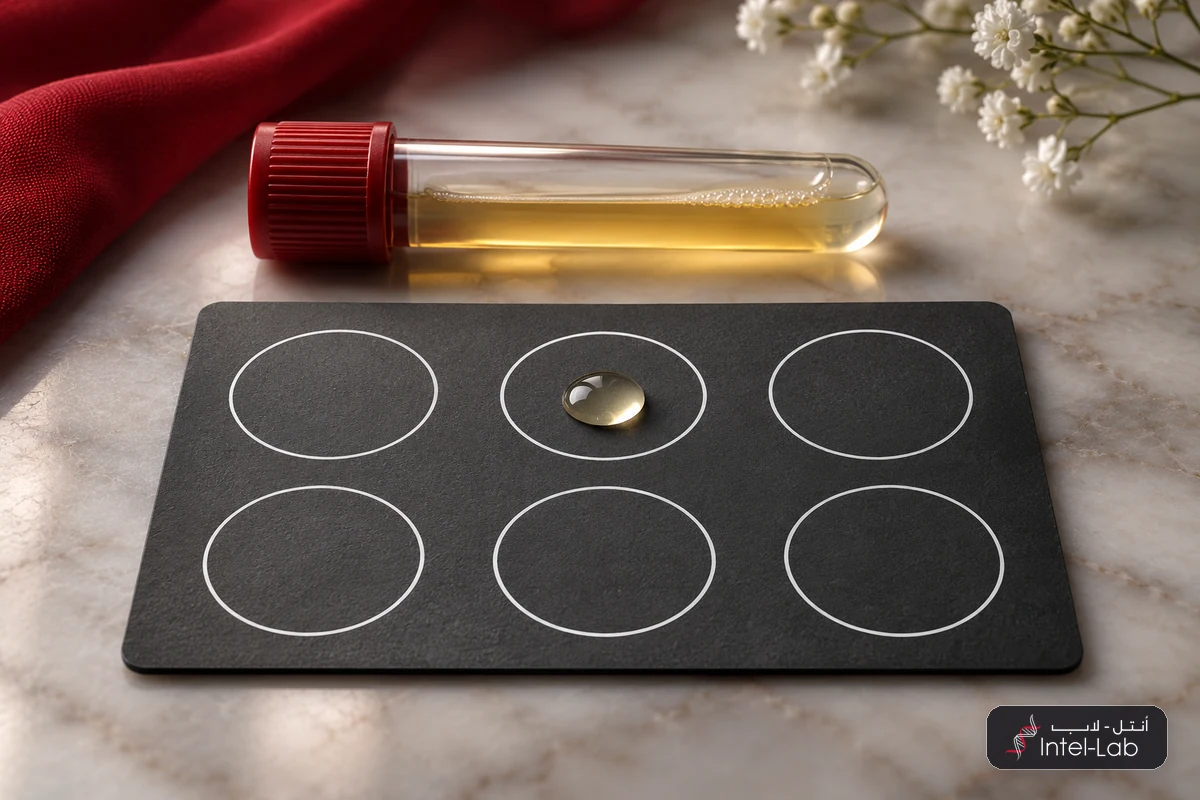
A clinician takes a small sample of blood from a vein. The laboratory uses serum, the liquid separated from the blood after it clots.
Smart Report
24 hoursLaboratory turnaround
 Result guide
A reactive RPR needs a companion treponemal test when establishing a diagnosis. Trends used for follow-up should be interpreted using the appropriate method and clinical history.
From sample to follow-up
Choose your location, add the test to your care bag and select a time. If you are booking for someone else, assign the test to them in checkout.
Choose collection locationLook for RPR (Rapid Plasma Reagin) in your report. Use the sample type and collection time when comparing it with an earlier report.
Explore Smart Report
Bring past titres with their dates and prior treatment records so the clinician can distinguish a new finding from a change after treatment.
Health packages
Compare the other tests in each package before choosing.
Clinical expertise

Patient questions
RPR can react for reasons other than syphilis. A treponemal test, examination and treatment history help interpret a reactive result.
RPR measures antibodies that can appear with syphilis and with some other conditions. Its titre often falls after treatment but can remain detectable. TPHA measures antibodies more specific to syphilis and often stays positive after successful treatment. Clinicians interpret both results alongside symptoms and past treatment.
Syphilis screening is a routine part of prenatal care, because untreated infection can pass to the baby and treatment during pregnancy protects both. Pregnancy itself is also a recognised cause of a biological false positive, so tell the team if you are pregnant, and a reactive result is always confirmed with a treponemal test before anything is concluded.
That is a fourfold fall, a change clinicians use when assessing response to treatment. Compare RPR with another RPR, ideally from the same laboratory. RPR and VDRL numbers cannot be compared directly. Your clinician also considers the time since treatment, symptoms and any new exposures.
KEEP EXPLORING
Open a package to see exactly which tests it includes.
A confidential 5-in-1 blood screen for the core blood-borne STIs: HIV (1 & 2), hepatitis B, hepatitis C and syphilis.
A 20-marker combined work-up pairing blood serology (HIV, hepatitis B & C, syphilis) with a 14-target genital PCR panel and urinalysis: a complete…

Our most comprehensive 28-target STI and genital-flora PCR panel, adding candida species, bacterial-vaginosis organisms and additional viruses on top…

A combined urine PCR package covering 45 named organism targets and 12 selected antibiotic-resistance genes, with clinician-led interpretation.
Choosing for a particular need?
We can help you read the options.
Your next step
Written by Dr Nirupama Sabhapathy, Specialist Clinical Pathology. Medically reviewed by Dr Joyce Jose, Specialist Clinical Pathology, on .
Catalogue information and AED price checked on 2 November 2026. Clinical suitability, preparation, collection arrangements and turnaround are confirmed for your selected test.