
Arrange your collection
Choose your location, add the test to your care bag and select a time. If you are booking for someone else, assign the test to them in checkout.
Choose collection location
Biochemistry · Individual laboratory test
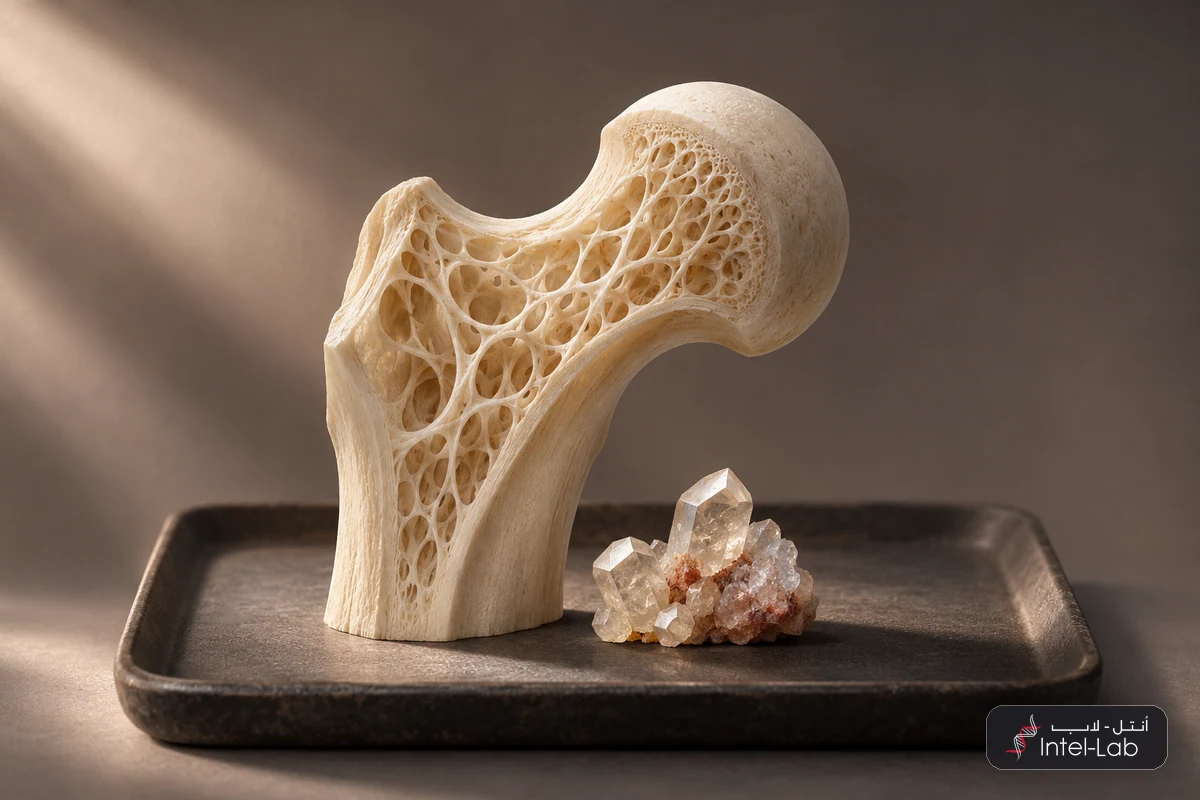
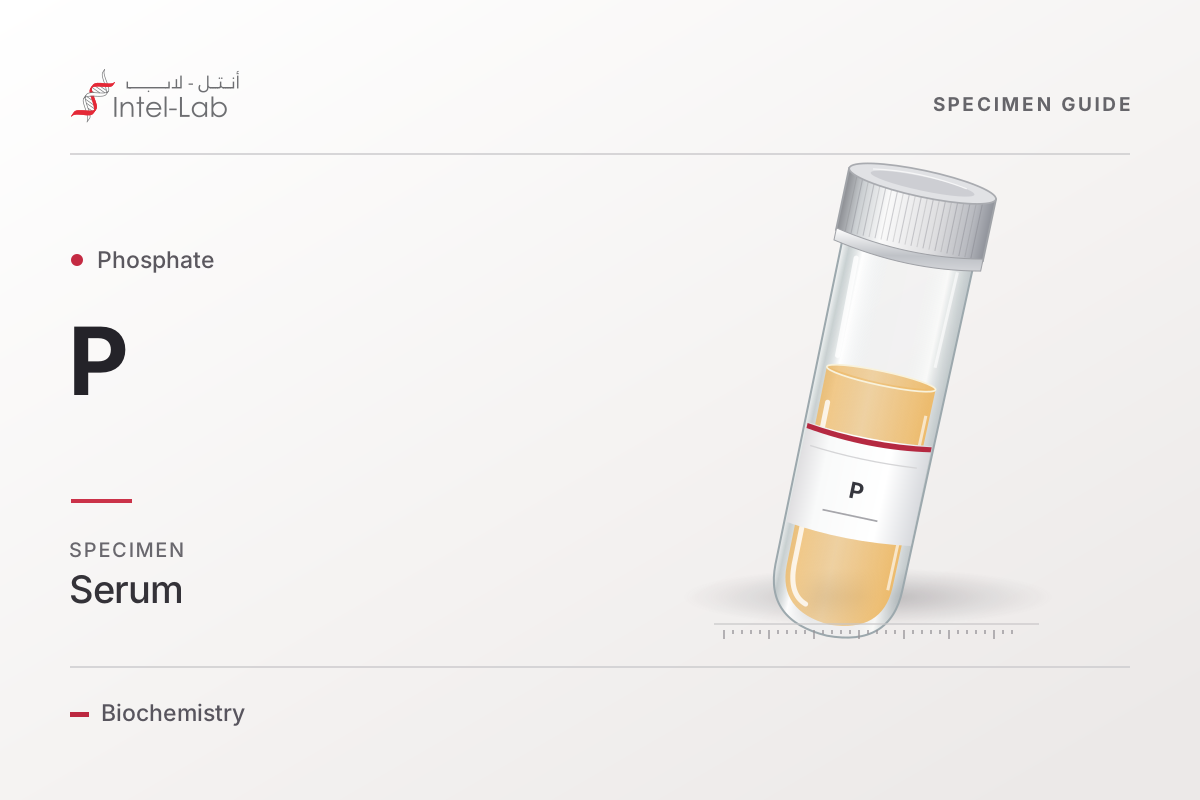
Phosphorus is measured in blood as phosphate. It is involved in energy use and bone health and is closely linked to kidney function.
 Clinical authorDr Nirupama SabhapathySpecialist Clinical Pathology
Understanding the test
Also called Blood Phosphate
Phosphate may be assessed in kidney follow-up, suspected parathyroid problems or investigations of bone and mineral balance.
Phosphate can be examined alongside calcium and vitamin D during investigation of a mineral disorder.
Renal excretion helps regulate phosphate, so kidney function adds context.
Before your sample
Intel Lab requests a fasting sample, preferably in the morning. Use a similar collection time for repeat phosphate measurements and report mineral supplements or phosphate binders.
A clinician takes a small sample of blood from a vein. The laboratory uses serum, the liquid separated from the blood after it clots.
Smart Report
24 hoursLaboratory turnaround
 Result guide
A change can reflect altered kidney excretion, intake or movement between blood and tissues. The calcium level and kidney findings help distinguish these possibilities.
From sample to follow-up
Choose your location, add the test to your care bag and select a time. If you are booking for someone else, assign the test to them in checkout.
Choose collection locationLook for Phosphorous in your report. Use the sample type and collection time when comparing it with an earlier report.
Explore Smart Report
Ask how the phosphate result relates to calcium and kidney function, and whether collection timing matters for a repeat.
Health packages
Compare the other tests in each package before choosing.
Clinical expertise

Patient questions
The kidneys and several hormones influence both minerals. Reading them together helps a clinician investigate a mineral or bone imbalance.
An underactive parathyroid gland lets the body retain more phosphate, and excess vitamin D, phosphate supplements or phosphate-containing laxatives and enemas can all raise it. Rapid breakdown of tissue or blood cells releases phosphate held inside cells. A sample damaged during collection can also read falsely high, so an unexpected result is often simply repeated.
No. Most of the body's phosphorus is stored in bone, and the blood value does not describe that far larger store. A normal result shows that the kidneys, parathyroid hormone and vitamin D are keeping the circulating level steady, but bone health is assessed with imaging and other tests.
KEEP EXPLORING
Open a package to see exactly which tests it includes.

A focused panel of essential vitamins and minerals to uncover hidden nutritional deficiencies.

Blood count, liver, kidney, cholesterol, blood sugar and urine tests: the essentials in one visit.

A complete blood count with liver enzymes, cholesterol, kidney markers and fasting blood sugar from one blood sample.

A broad whole-body screen covering blood, urine and stool with kidney, liver, lipid, iron, diabetes and vitamin markers.
Choosing for a particular need?
We can help you read the options.
Your next step
Written by Dr Nirupama Sabhapathy, Specialist Clinical Pathology. Medically reviewed by Dr Joyce Jose, Specialist Clinical Pathology, on .
Catalogue information and AED price checked on 2 November 2026. Clinical suitability, preparation, collection arrangements and turnaround are confirmed for your selected test.