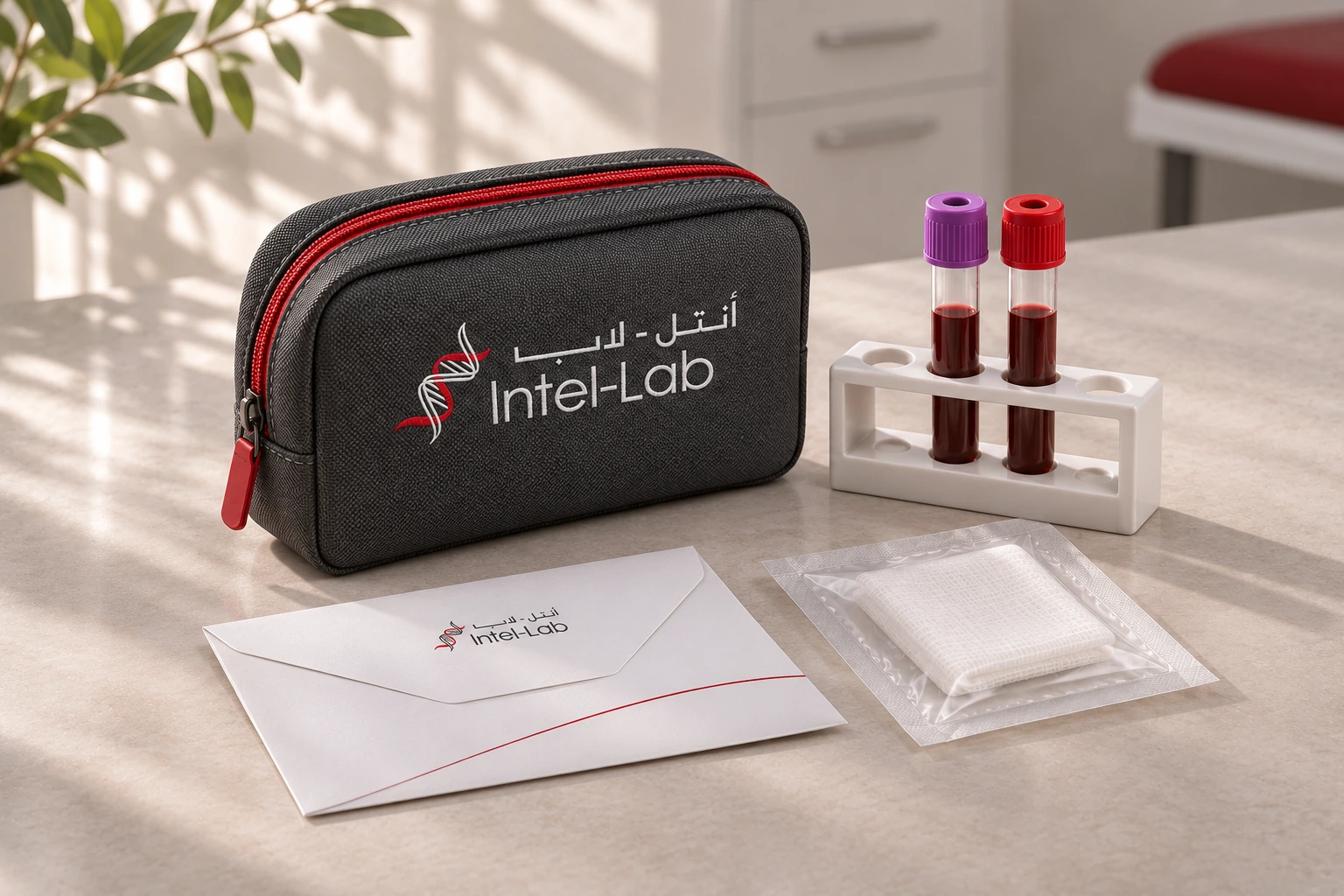
Arrange your collection
Choose your location, add the test to your care bag and select a time. If you are booking for someone else, assign the test to them in checkout.
Choose collection location
Vitamins & Minerals · Individual laboratory test
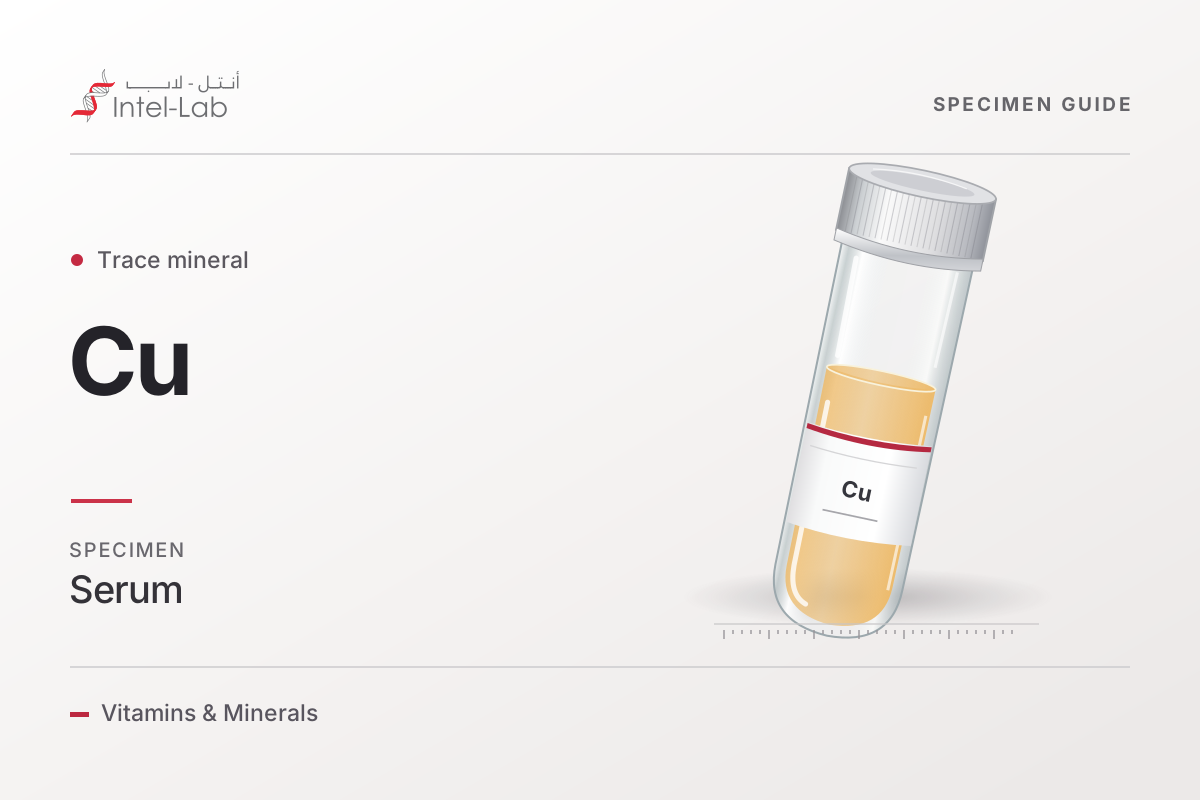
Serum copper can help investigate suspected deficiency or copper-handling disorders. Much of the copper in blood travels bound to ceruloplasmin.
 Clinical authorDr Nirupama SabhapathySpecialist Clinical Pathology
Understanding the test
Also called Serum Copper
Copper measurement can contribute to evaluation of unexplained anaemia, an absorption problem or a suspected copper-handling disorder. Other mineral supplements are worth reporting.
A clinician may investigate copper status when symptoms or related tests suggest a deficiency or a copper-handling disorder.
Ceruloplasmin, inflammation and other sources of copper exposure can help explain serum results.
Before your sample
Copper alone usually needs no fast. Tell the clinician about copper and zinc supplements and any pregnancy or hormone treatment. Agree the timing of supplements with your prescriber.
A clinician takes a small sample of blood from a vein. The laboratory uses serum, the liquid separated from the blood after it clots.
Smart Report
3 to 4 daysLaboratory turnaround
 Result guide
The circulating level depends partly on ceruloplasmin, a carrier protein. Inflammation and other changes in that protein can alter copper without a simple change in total stores.
From sample to follow-up
Choose your location, add the test to your care bag and select a time. If you are booking for someone else, assign the test to them in checkout.
Choose collection locationLook for Copper in your report. Use the sample type and collection time when comparing it with an earlier report.
Explore Smart Report
Take a list of copper and zinc products and any ceruloplasmin result to the clinician reviewing your mineral status.
Clinical expertise

Patient questions
Not by itself. Ceruloplasmin, liver findings and sometimes urine copper help put the level into context.
Serum copper is the total copper in the blood, and ceruloplasmin is the liver protein that carries most of it. Because the two usually move together, measuring both helps your doctor tell whether an unusual copper result reflects a real change in copper or simply a change in the carrier protein, and ceruloplasmin is central when Wilson disease is being investigated.
Taking high doses of zinc over time can reduce copper absorption. If you take zinc tablets, lozenges or a multivitamin, share the product and dose with your clinician. This helps them interpret a low copper result and decide whether supplements may be contributing.
KEEP EXPLORING
Open a package to see exactly which tests it includes.

A focused panel of essential vitamins and minerals to uncover hidden nutritional deficiencies.

Vitamin D, vitamin B12 and folate measured from one blood sample, no fasting needed.

Blood count, liver, kidney, cholesterol, blood sugar and urine tests: the essentials in one visit.
A complete blood count with liver enzymes, cholesterol, kidney markers and fasting blood sugar from one blood sample.
Choosing for a particular need?
We can help you read the options.
Your next step
Written by Dr Nirupama Sabhapathy, Specialist Clinical Pathology. Medically reviewed by Dr Joyce Jose, Specialist Clinical Pathology, on .
Catalogue information and AED price checked on 2 November 2026. Clinical suitability, preparation, collection arrangements and turnaround are confirmed for your selected test.