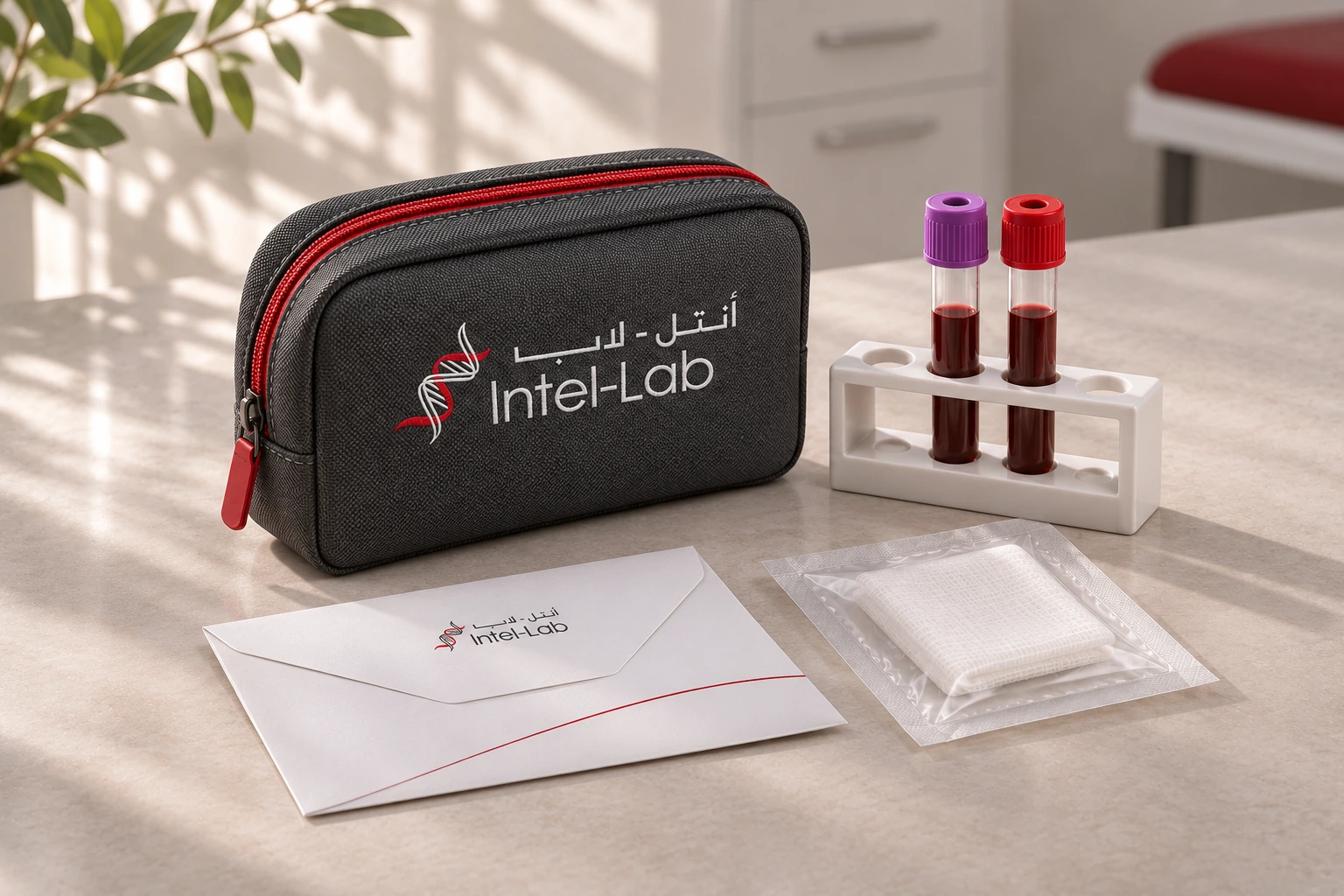
Arrange your collection
Choose your location, add the test to your care bag and select a time. If you are booking for someone else, assign the test to them in checkout.
Choose collection location
Haematology · Individual laboratory test
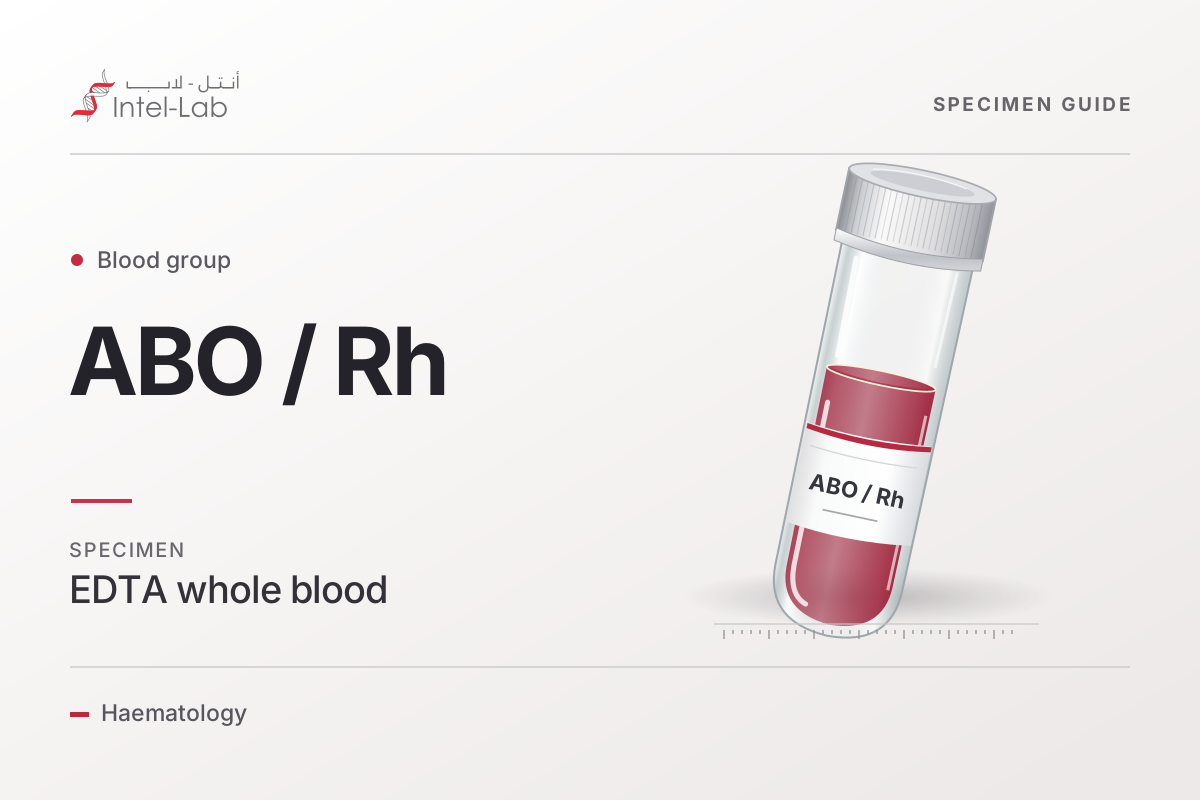
This test identifies your ABO group and RhD status. The result can be relevant in pregnancy and when blood compatibility must be assessed.
 Clinical authorDr Nirupama SabhapathySpecialist Clinical Pathology
Understanding the test
Also called Blood Type (ABO & Rh)
Blood grouping can be useful for maternity care or establishing a documented blood type. Tell the team about recent transfusions if these are relevant to the request.
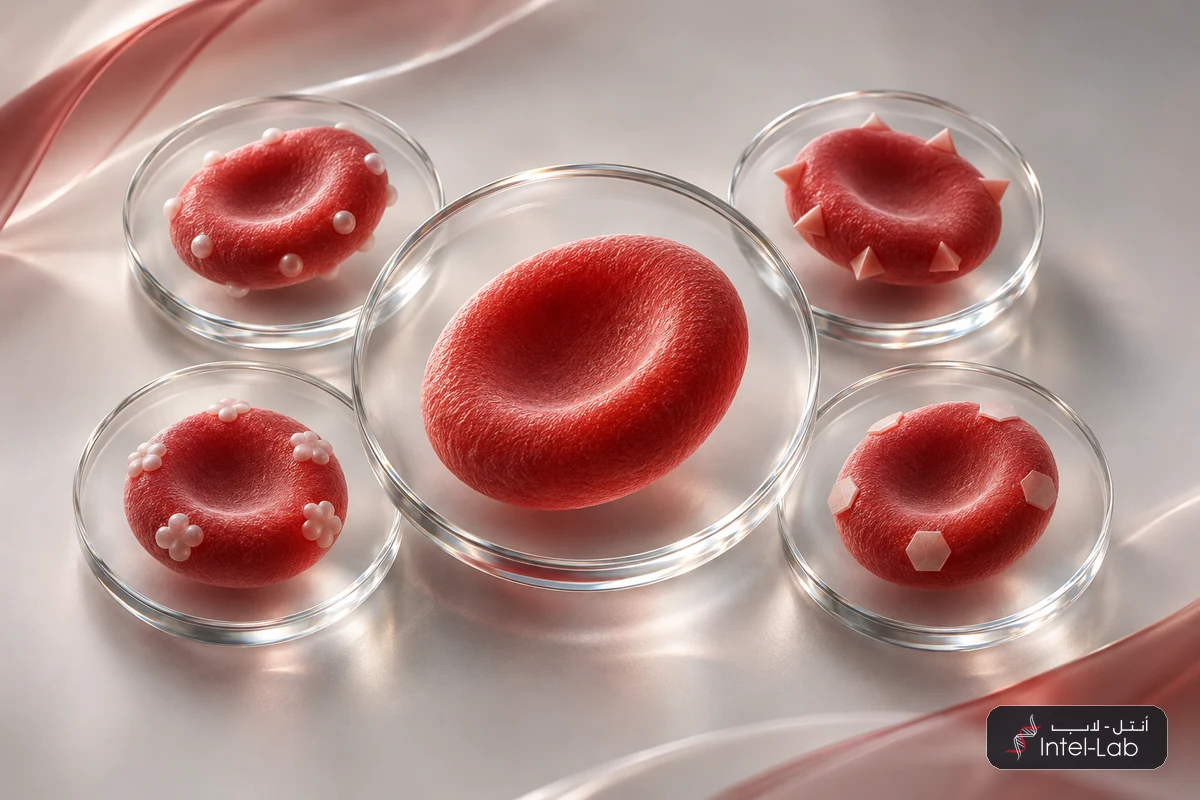
The report identifies ABO group and the presence or absence of the RhD antigen.
Blood group is one piece of information used in pregnancy and transfusion planning.
Before your sample
No fast is necessary. Provide the requested identification details and mention any recent transfusion or stem cell transplant so the laboratory can assess the context.
The clinician takes blood from a vein into a tube that keeps it from clotting. The collection team sends the labelled specimen to the laboratory.
Smart Report
24 hoursLaboratory turnaround
 Result guide
The report gives an ABO group and RhD status rather than a high or low value. Separate antibody screening answers a different compatibility question.
From sample to follow-up
Choose your location, add the test to your care bag and select a time. If you are booking for someone else, assign the test to them in checkout.
Choose collection locationLook for Blood Group (ABO & Rh Typing) in your report. Use the sample type and collection time when comparing it with an earlier report.
Explore Smart Report
Keep the official record of your group. Ask the maternity or transfusion team whether a separate red cell antibody screen is needed for their purpose.
Clinical expertise

Patient questions
Transfusion services perform their own identification and compatibility checks. A previous blood group result is useful information but does not replace those safety procedures.
Your report gives two independent things written together: an ABO group (A, B, AB or O) and an Rh D factor, positive or negative, for example O positive or A negative. It is a category, not a level, so there is no normal or abnormal result and no group is better than another.
Yes. Donor cells circulating alongside your own can make the grouping reaction hard to read, so tell the team if you have had a transfusion in recent months. A bone marrow or stem cell transplant can change your group altogether, and the laboratory may need to handle the sample differently.
No. Your blood group shows whether your red cells carry the RhD marker. A separate red-cell antibody screen looks for antibodies that could affect the baby. Your maternity team uses both results to plan any prevention or follow-up you need.
KEEP EXPLORING
Open a package to see exactly which tests it includes.

Blood count, liver, kidney, cholesterol, blood sugar and urine tests: the essentials in one visit.
A complete blood count, serum iron and vitamin B12 from one blood sample, to check for anaemia and two of its common causes.

A broad whole-body screen covering blood, urine and stool with kidney, liver, lipid, iron, diabetes and vitamin markers.
A complete blood count with liver enzymes, cholesterol, kidney markers and fasting blood sugar from one blood sample.
Choosing for a particular need?
We can help you read the options.
Your next step
Written by Dr Nirupama Sabhapathy, Specialist Clinical Pathology. Medically reviewed by Dr Joyce Jose, Specialist Clinical Pathology, on .
Catalogue information and AED price checked on 2 November 2026. Clinical suitability, preparation, collection arrangements and turnaround are confirmed for your selected test.