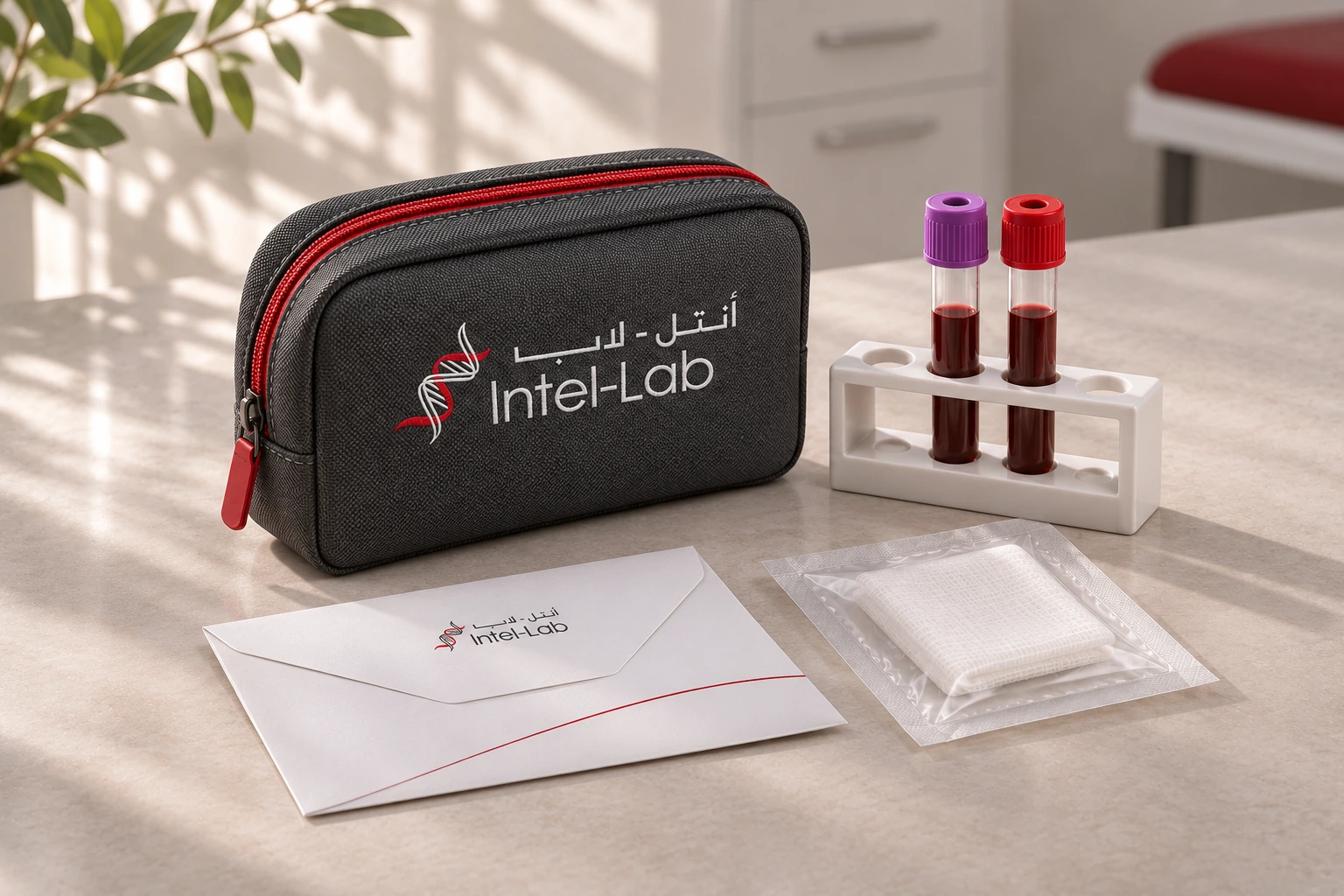
Arrange your collection
Choose your location, add the test to your care bag and select a time. If you are booking for someone else, assign the test to them in checkout.
Choose collection location
Allergy & Intolerance · Individual laboratory test
The panel checks for IgE to 44 airborne allergens. Where and when your symptoms occur can help connect a result with exposure to dust mites, animal dander, mould or pollen.
 Clinical authorDr Nirupama SabhapathySpecialist Clinical Pathology

Understanding the test
This panel may help investigate seasonal sneezing, nasal symptoms or wheezing that follows contact with dust, animals or certain outdoor environments.
Compare a pollen finding with the season and outdoor circumstances in which symptoms recur.
Dust or dander findings can be considered alongside symptoms at home, at work or around an animal.
Inside this test
Before your sample
No fasting is required. Record where symptoms occur and whether they vary by season, around pets or away from home. A blood IgE test differs from a skin prick test in its preparation.
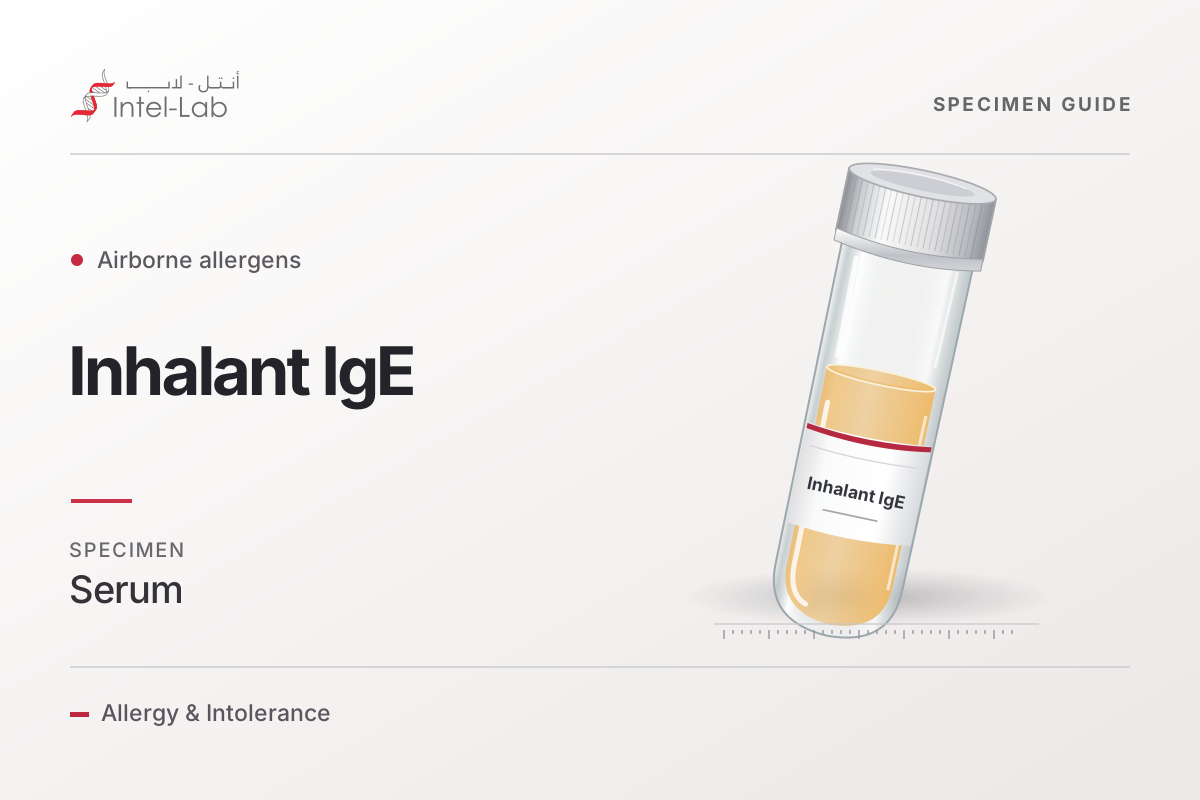
A clinician takes a small sample of blood from a vein. The laboratory uses serum, the liquid separated from the blood after it clots.
Smart Report
2 to 3 daysLaboratory turnaround
 Result guide
A finding is most convincing when the named allergen corresponds to exposure and the timing of symptoms. An allergen outside the panel will not appear on the report.
From sample to follow-up
Choose your location, add the test to your care bag and select a time. If you are booking for someone else, assign the test to them in checkout.
Choose collection locationLook for Inhalant Allergy Test (44 Allergens) in your report. Use the sample type and collection time when comparing it with an earlier report.
Explore Smart Report
Make a short note of exposures at home, outdoors and at work. Compare the timing of symptoms with the allergens reported.
Health packages
Compare the other tests in each package before choosing.
Clinical expertise

Patient questions
A positive result for a pollen is more informative when your symptoms recur during exposure. Symptoms that occur around an animal or in a particular room give the clinician a different clue.
This panel is directed at the listed inhaled allergens. Choose a food-specific evaluation with your clinician when symptoms follow eating.
The trigger may be outside the list or symptoms may have another cause. The pattern of symptoms is still useful to the clinician even when no listed sensitisation is detected.
Yes. Antihistamines can suppress a skin-prick reaction, but they do not block the allergen-specific IgE measured in blood. If you are also booked for a skin test, check the instructions for that appointment separately.
KEEP EXPLORING
Open a package to see exactly which tests it includes.

An IgE blood panel covering 44 listed inhalant allergens. Findings indicate sensitisation and are interpreted with symptoms and exposure history.

An IgE blood panel covering 30 listed inhalant allergens. Findings indicate sensitisation and are interpreted with symptoms and exposure history.

Blood testing for specific IgE with a 44-entry food panel. Results support assessment of suspected food allergy and need interpretation with symptoms and clinical history.

Blood testing for specific IgE with a 30-entry food panel. Results support assessment of suspected food allergy and need interpretation with symptoms and clinical history.
Choosing for a particular need?
We can help you read the options.
Your next step
Written by Dr Nirupama Sabhapathy, Specialist Clinical Pathology. Medically reviewed by Dr Joyce Jose, Specialist Clinical Pathology, on .
Catalogue information and AED price checked on 2 November 2026. Clinical suitability, preparation, collection arrangements and turnaround are confirmed for your selected test.