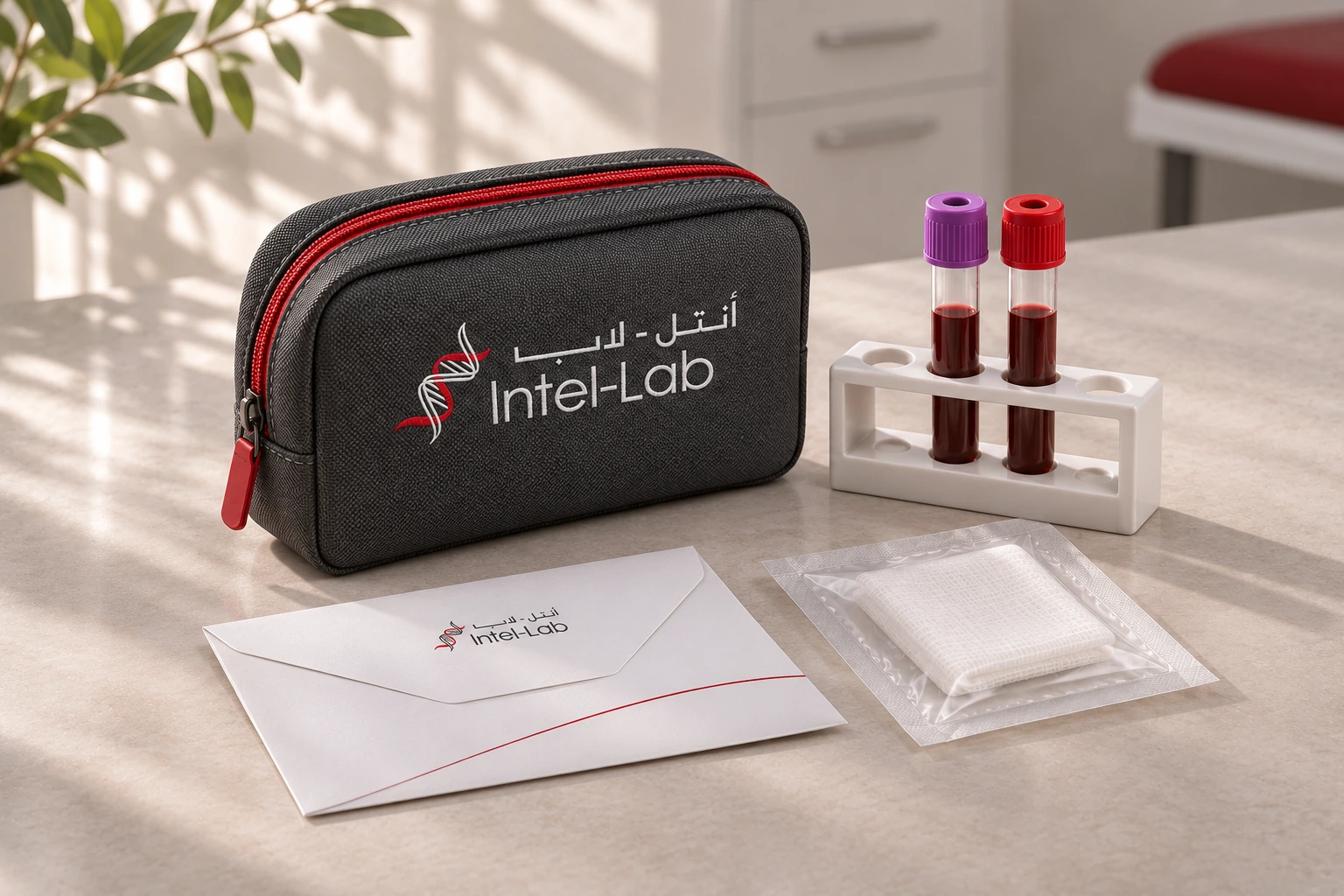
Arrange your collection
Choose your location, add the test to your care bag and select a time. If you are booking for someone else, assign the test to them in checkout.
Choose collection location
Allergy & Intolerance · Individual laboratory test
This blood panel looks for IgE antibodies to 44 foods. It is most informative when the foods tested match a reaction you have actually experienced.
 Clinical authorDr Nirupama SabhapathySpecialist Clinical Pathology

Understanding the test
A clinician may request specific IgE when hives, swelling or other rapid symptoms follow a particular food. The history helps decide which entries in a 44-target panel are relevant.
The history can guide the clinician to plausible foods on the panel when several ingredients were eaten together.
Blood testing may be considered when extensive skin symptoms or antihistamine treatment make skin testing less suitable.
Inside this test
Before your sample
Fasting is unnecessary for this blood panel. Bring a list of foods, the amount eaten and the timing of reactions. Do not deliberately eat a food that has caused a reaction in order to prepare for testing.
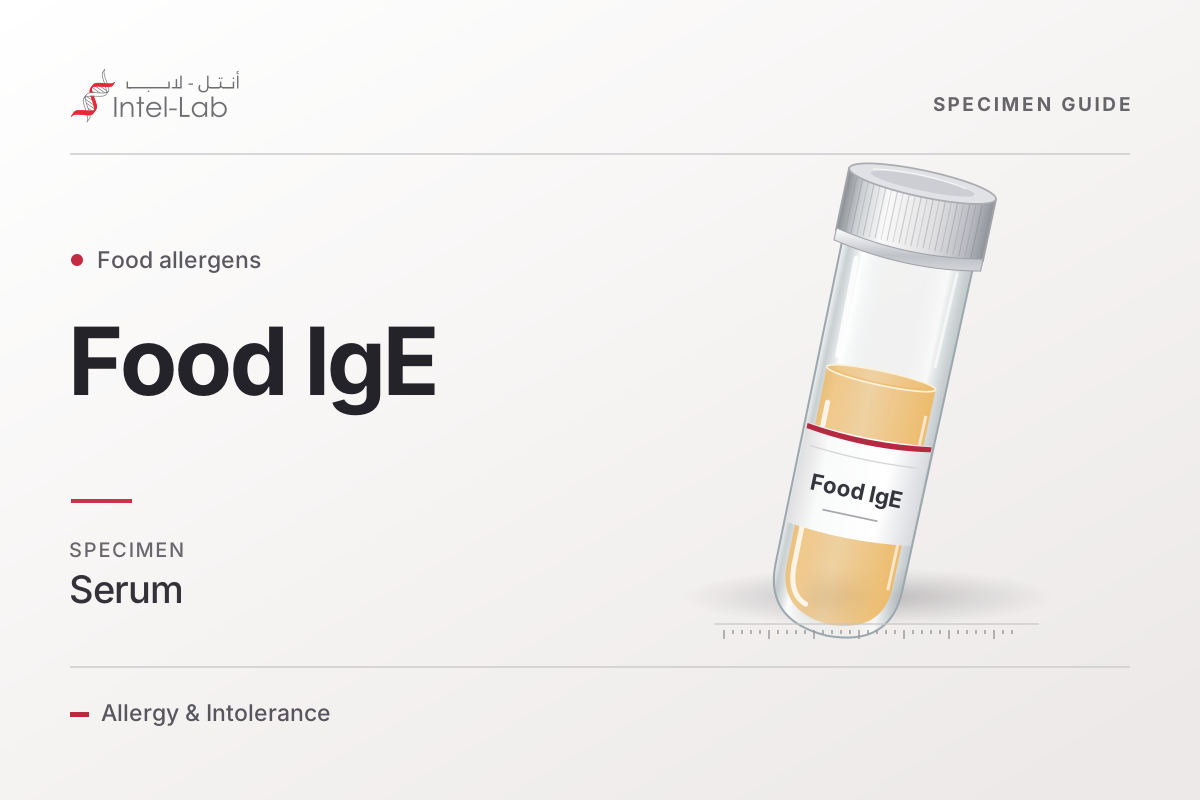
A clinician takes a small sample of blood from a vein. The laboratory uses serum, the liquid separated from the blood after it clots.
Smart Report
2 to 3 daysLaboratory turnaround
 Result guide
The report shows evidence of sensitisation to each tested target. A larger response does not reliably predict how severe a future reaction would be.
From sample to follow-up
Choose your location, add the test to your care bag and select a time. If you are booking for someone else, assign the test to them in checkout.
Choose collection locationLook for Food Allergy Test (44 Allergens) in your report. Use the sample type and collection time when comparing it with an earlier report.
Explore Smart Report
When you review a positive food entry, describe the last time you ate it, the portion and the time to any symptoms.
Health packages
Compare the other tests in each package before choosing.
Clinical expertise

Patient questions
Someone can have detectable IgE to a food they eat comfortably. Tell your clinician exactly what you ate, how soon symptoms appeared and whether you still tolerate that food. Decisions about avoidance or a supervised challenge depend on that history.
IgE can be relevant to an immediate allergic reaction. IgG4 is a different antibody and cannot be used to diagnose food allergy or intolerance.
Only the listed targets are assessed. Give the food name and the history of your reaction to the clinician so that a more targeted assessment can be considered.
KEEP EXPLORING
Open a package to see exactly which tests it includes.

Blood testing for specific IgE with a 44-entry food panel. Results support assessment of suspected food allergy and need interpretation with symptoms and clinical history.

Blood testing for specific IgE with a 30-entry food panel. Results support assessment of suspected food allergy and need interpretation with symptoms and clinical history.

Food-specific IgG4 reactivity across the listed AESKUBLOTS food targets. IgG4 results do not diagnose food allergy or intolerance and should not determine an elimination diet.

An IgE blood panel covering 30 listed inhalant allergens. Findings indicate sensitisation and are interpreted with symptoms and exposure history.
Choosing for a particular need?
We can help you read the options.
Your next step
Written by Dr Nirupama Sabhapathy, Specialist Clinical Pathology. Medically reviewed by Dr Joyce Jose, Specialist Clinical Pathology, on .
Catalogue information and AED price checked on 2 November 2026. Clinical suitability, preparation, collection arrangements and turnaround are confirmed for your selected test.