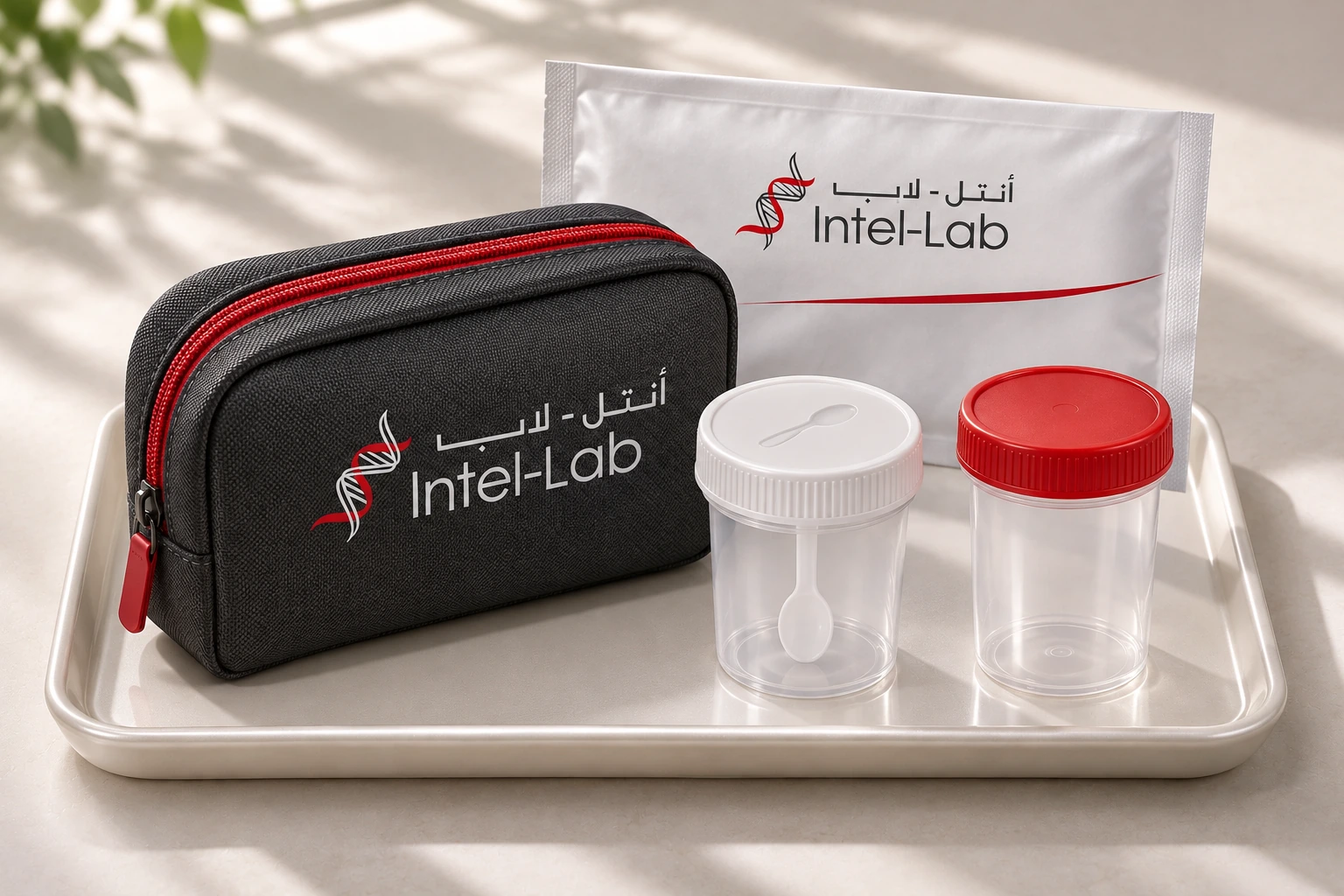
Arrange your collection
Choose your location, add the test to your care bag and select a time. If you are booking for someone else, assign the test to them in checkout.
Choose collection location
Microbiology & PCR · Individual laboratory test
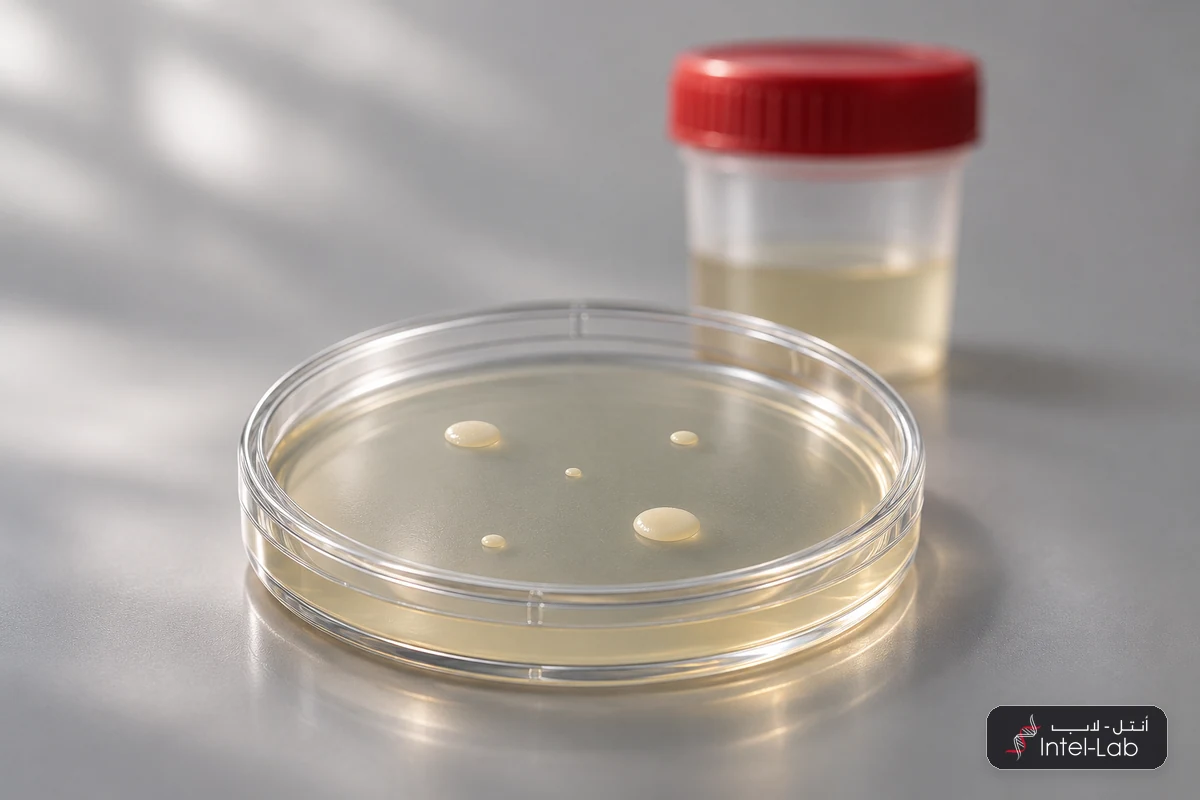
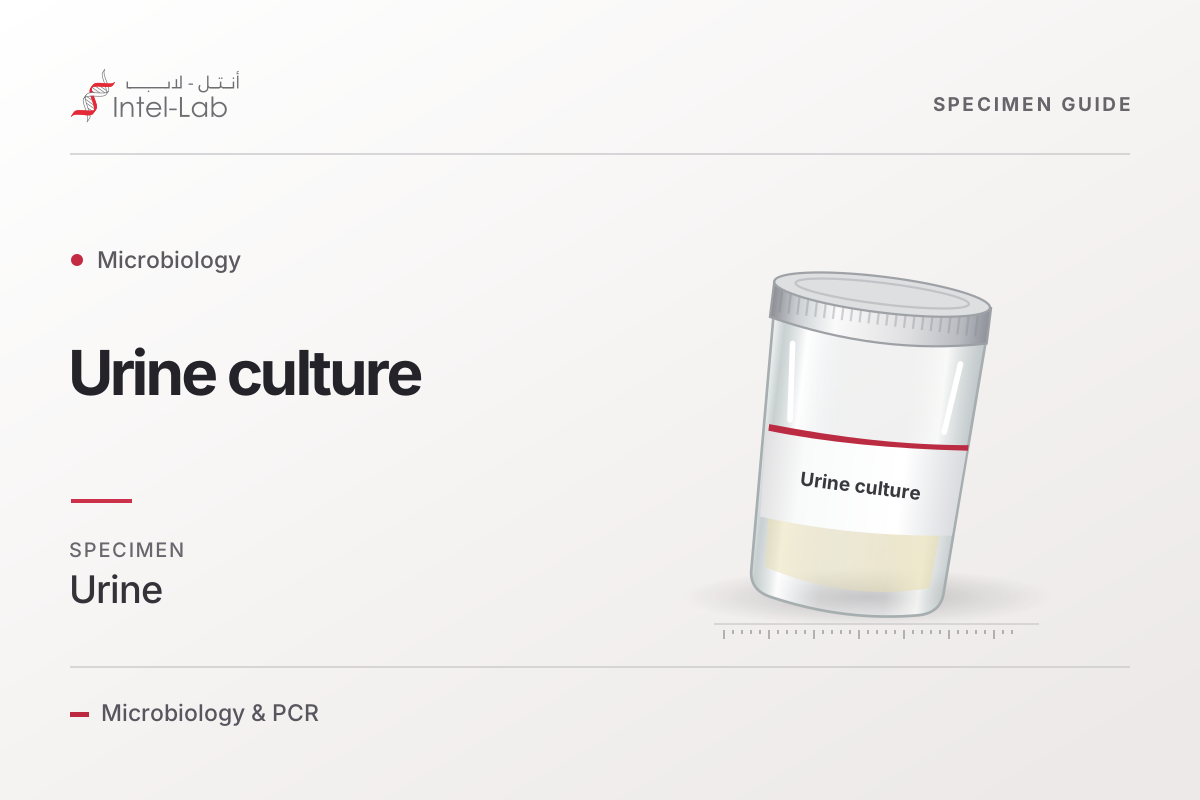
A urine culture helps identify organisms present in urine. When appropriate, the laboratory assesses which antibiotics may be active against an isolate.
 Clinical authorDr Nirupama SabhapathySpecialist Clinical Pathology
Understanding the test
Also called Urine Culture & Sensitivity
Culture can be useful in recurrent urinary symptoms, suspected complicated infection or when a clinician needs evidence to guide treatment. Tell the team about recent antibiotics.
A culture checks whether organisms grow from a urine specimen and can identify a likely cause.
The organism, amount of growth and any reported susceptibility findings support interpretation.
Before your sample
Follow the laboratory's clean-catch instructions. Tell the team about antibiotics already taken, and ask about timing before starting any newly prescribed treatment.
The laboratory needs a clean-catch midstream urine specimen in the sterile container supplied. Follow its collection and return instructions so that skin bacteria are less likely to affect the result.
Smart Report
4 to 5 daysLaboratory turnaround
 Result guide
The report may describe growth of a named organism, mixed growth or no growth. Symptoms and the quality of the specimen help distinguish infection from contamination or incidental findings.
From sample to follow-up
Choose your location, add the test to your care bag and select a time. If you are booking for someone else, assign the test to them in checkout.
Choose collection locationLook for Urine Culture in your report. Use the sample type and collection time when comparing it with an earlier report.
Explore Smart Report
Mention any antibiotic taken before the specimen and whether urinary symptoms were present when the sample was collected.
Clinical expertise

Patient questions
It can mean that organisms from the skin or surrounding area entered the specimen. Your clinician uses symptoms and collection history to decide whether a fresh sample is needed.
Bacteria grew from the urine sample. Symptoms and how the specimen was collected help distinguish a urinary infection from bacteria present without illness or from contamination. Most people without urinary symptoms do not need antibiotics. Pregnancy and certain invasive urological procedures are important exceptions, so mention either when discussing the result.
"No growth" means no bacteria grew from your sample, so a bacterial urinary infection is unlikely to explain your symptoms. The exception is when an antibiotic was taken before the sample, since even one dose can suppress growth. If symptoms continue, your doctor may look for other causes or repeat the culture.
KEEP EXPLORING
Open a package to see exactly which tests it includes.
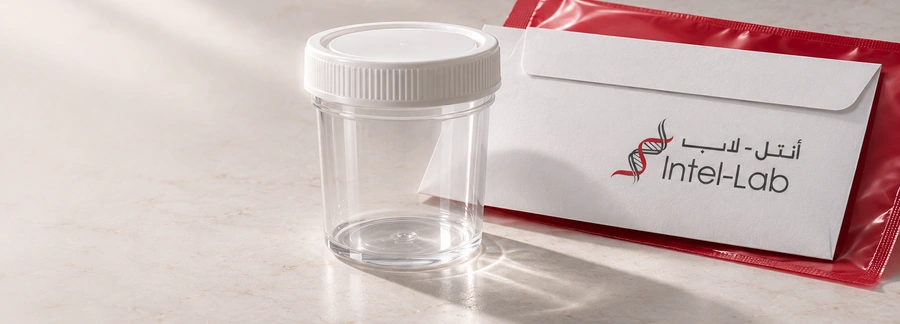
A urine PCR panel with 19 organism targets and 12 selected resistance genes. Detection needs clinical interpretation and is not a complete antibiotic-susceptibility result.
A 20-marker combined work-up pairing blood serology (HIV, hepatitis B & C, syphilis) with a 14-target genital PCR panel and urinalysis: a complete…
A confidential 5-in-1 blood screen for the core blood-borne STIs: HIV (1 & 2), hepatitis B, hepatitis C and syphilis.
Our most comprehensive 28-target STI and genital-flora PCR panel, adding candida species, bacterial-vaginosis organisms and additional viruses on top…
Choosing for a particular need?
We can help you read the options.
Your next step
Written by Dr Nirupama Sabhapathy, Specialist Clinical Pathology. Medically reviewed by Dr Joyce Jose, Specialist Clinical Pathology, on .
Catalogue information and AED price checked on 2 November 2026. Clinical suitability, preparation, collection arrangements and turnaround are confirmed for your selected test.